
Ethereum's Layer 2 rollups have exploded in adoption, pushing transaction throughput into the tens of thousands per second while keeping costs low. Yet this growth breeds fragmentation. Each rollup operates its own sequencer, ordering transactions in isolation. Developers building cross-chain dApps face delays, front-running risks, and composability nightmares. Cross-rollup sequencing emerges as the strategic fix, unifying ordering across rollups for seamless interoperability. As L2s proliferate, mastering rollup coordination becomes essential for Ethereum L2 developers chasing the decentralized future.
Unpacking Rollup Fragmentation and Its Hidden Costs
Picture a bustling Ethereum ecosystem where Optimism, Arbitrum, and zkSync hum independently. Users transfer tokens cross-rollup, but sequencers do not coordinate. A simple swap on one chain might get sandwiched by MEV bots on another, inflating costs or failing outright. Recent analyses highlight cross-rollup MEV as the unsolved puzzle of shared sequencing APIs, with headaches like asynchronous ordering amplifying by 2026.
Security models for interoperability reveal deeper risks. Without unified sequencing, bridges become bottlenecks, vulnerable to exploits or liveness failures. Mental models from Ethereum Research stress that true composability demands synchronized transaction streams. Developers waste cycles on custom bridges, diverting focus from core innovation. The big picture: fragmented rollups slow Ethereum's evolution into a modular powerhouse, echoing macro trends where siloed systems stifle global efficiency.
Comparison of Sequencer Types
| Sequencer Type | Latency | Security | Interoperability | MEV Capture | Pros | Cons | Examples |
|---|---|---|---|---|---|---|---|
| Centralized (Solo) | Fast ✅ | Risky ⚠️ | Low | Captured by single operator | High speed, low latency, simple implementation | Censorship risk, single point of failure, poor cross-rollup composability | Arbitrum (initial), Optimism (solo) |
| Decentralized (Shared) | Medium | High ✅ | High ✅ | Distributed among decentralized proposers | Secure, enables atomic cross-rollup txs, defragmentation | Potential complexity, sequencer liveness dependencies | Espresso Systems |
| Based (L1-derived) | L1-dependent (~12s) ⚠️ | L1-aligned ✅ | High (synchronized with L1) | Captured by L1 proposers | Strong Ethereum security, permissionless inclusion | Higher latency, reduced L2 MEV revenue | Taiko |
This table underscores why solo sequencers, while quick to deploy, falter under scale. Cross-rollup sequencing flips the script, pooling resources for collective gains.
Shared Sequencers: The Interoperability Engine
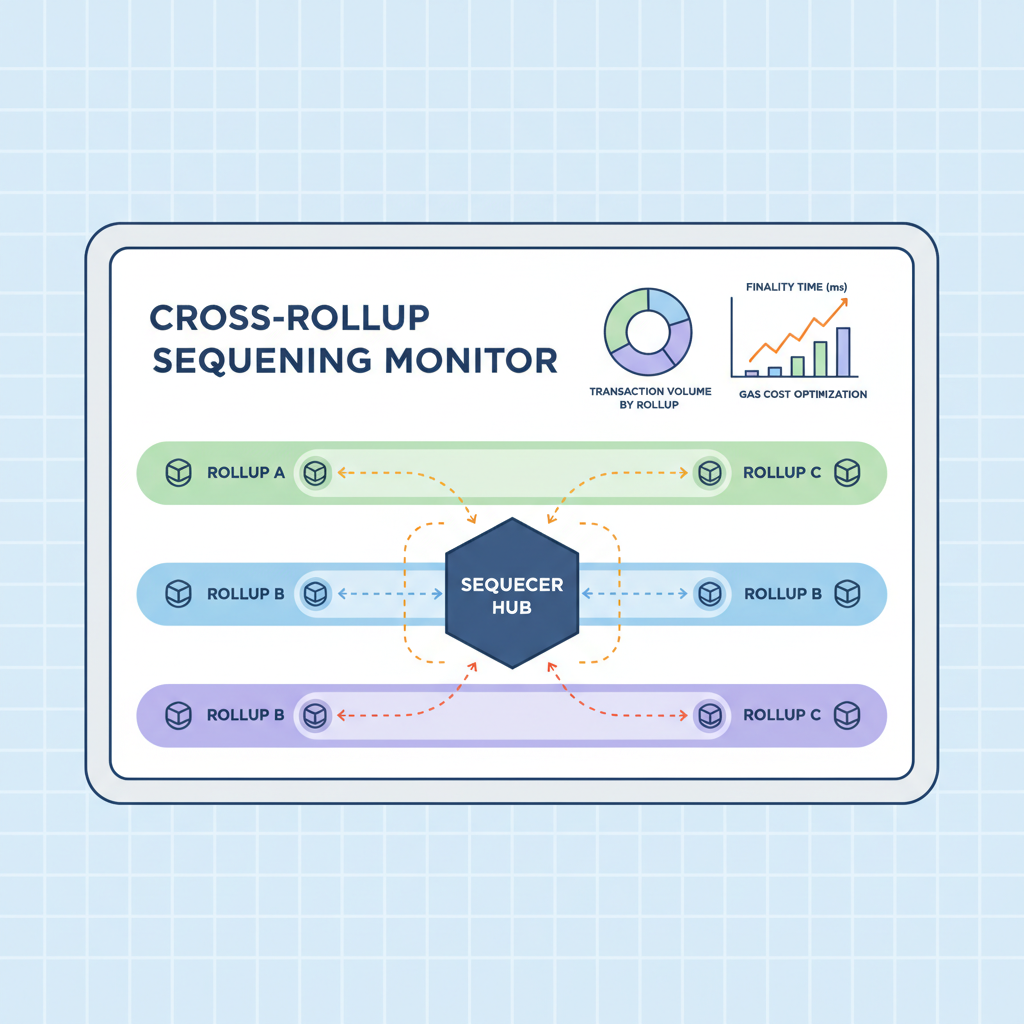
Shared sequencers defragment the L2 landscape by centralizing transaction ordering across rollups. A single network batches txs from multiple chains, broadcasts them uniformly, and enables atomic execution. Take Espresso Systems: their decentralized sequencer promises low-latency ordering, slashing cross-rollup bridging times. Simple token transfers become instant, complex DeFi cascades reliable.
Benefits cascade strategically. Reduced latency cuts user friction; minimized costs via shared infrastructure boost margins; enhanced MEV capture funnels value back to rollups. For developers, Ethereum L2 sequencing via shared layers means composable primitives without heroic engineering. Mantle Network's designs show efficient cross-rollup systems leveraging EVM compatibility, proving viability at scale.
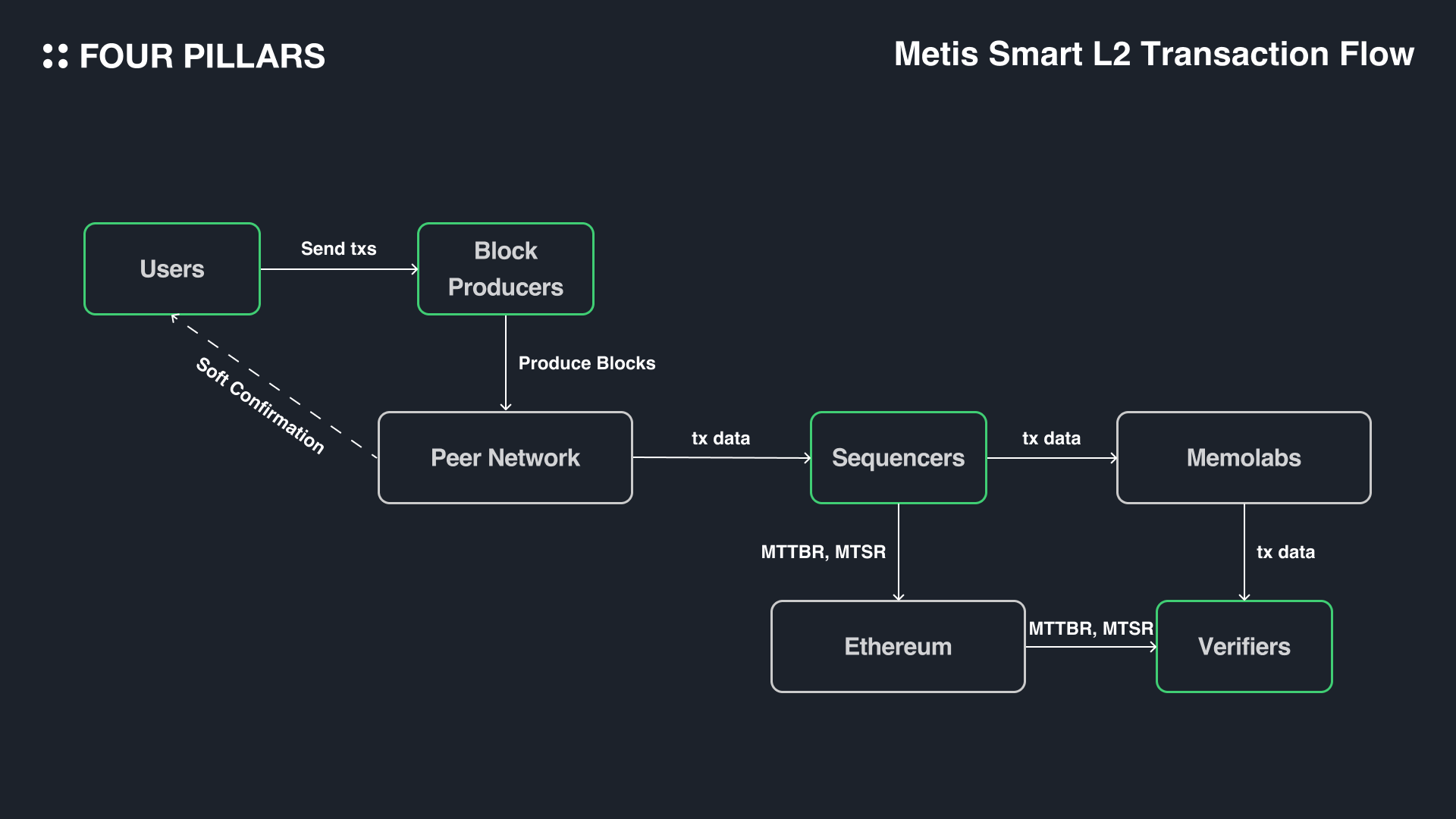
Visualize that diagram: rollups feed into a sequencer hub, emerging with coherent blocks. This mirrors macro shifts, like unified payment rails transforming finance.
Based Rollups: Harnessing L1's Decentralized Might
Enter based rollups, where Ethereum L1 proposers sequence L2 blocks directly. Taiko exemplifies this, aligning L2 with L1 validators for ironclad security. No separate sequencer means permissionless inclusion by L1 searchers and builders, supercharging composability. Ethereum Research dubs it a superpower, retaining decentralization while boosting finality.
Critically, based rollups address revenue share and stronger finality, as WIP docs outline. L2s gain from L1's economic security without centralization trade-offs. For developers, this means cross-rollup sequencing baked into Ethereum's core, sidestepping third-party risks. ChainSafe notes what L2s need: accelerated roadmaps via L1 sequencing focus. Opinionated take: based rollups position Ethereum ahead of rivals, correlating with institutional bets on proven Layer 1 primitives.

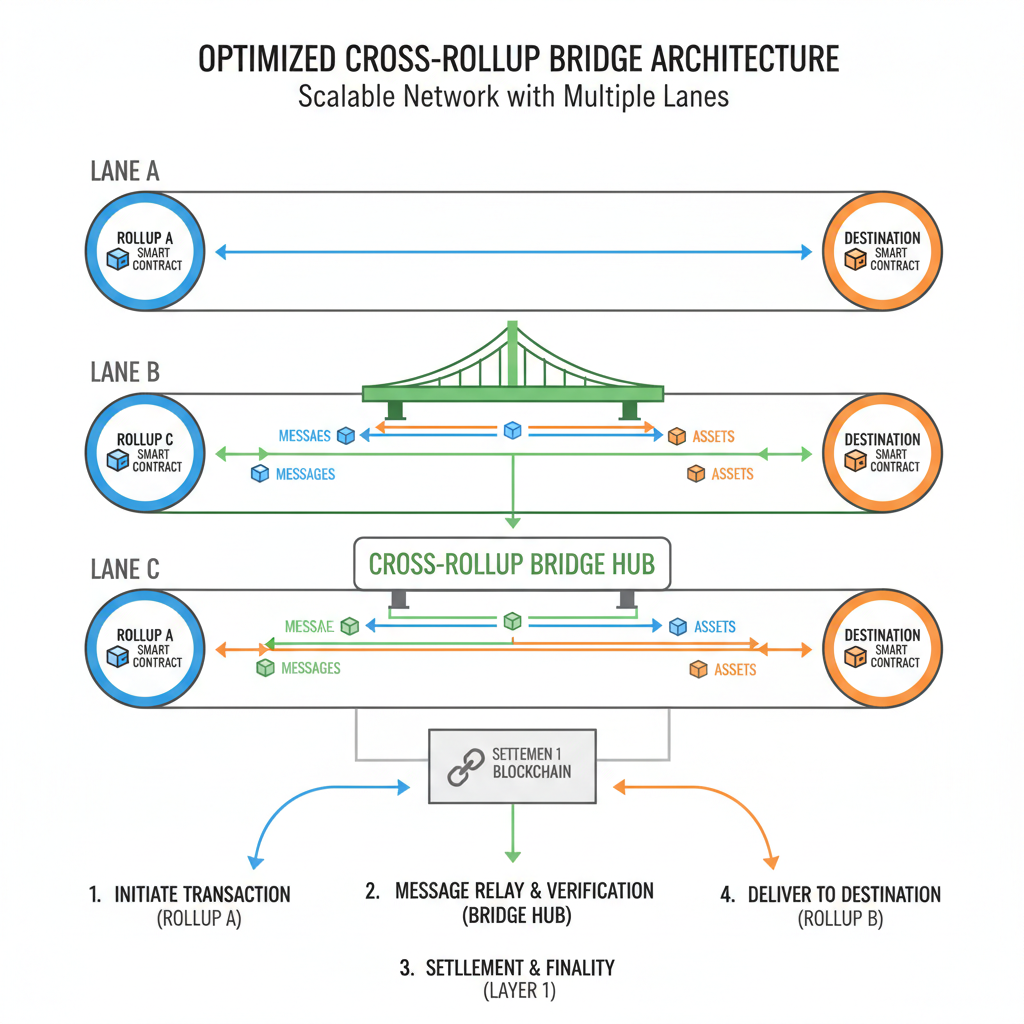
That tweet captures the buzz. Yet challenges persist: multilane sequencing proposes lanes for varied settlement speeds, optimizing bridges. CRATE protocols ensure atomic cross-rollup txs across L1s, hitting finality in four rounds. Developers must weigh these tools against project needs, blending shared and based approaches for hybrid resilience.
Blending these innovations demands a developer-first mindset. Cross-rollup sequencing isn't just theoretical; it's the toolkit reshaping L2 dApps. Vitalik's rollup guide and Jarrod Watts' sequencer deep-dive underscore the shift from solo operators to coordinated ecosystems. Let's pivot to actionable strategies, equipping you to navigate this terrain.
Developer Strategies: Integrating Shared Sequencing APIs
Start with APIs exposing unified ordering. Shared sequencers like Espresso provide endpoints for submitting batches across rollups, abstracting fragmentation. Developers query a single sequencer for tx inclusion proofs, enabling composable calls. This rollup coordination layer turns multi-chain apps into seamless experiences, much like global markets syncing on standardized rails.
Security modeling is non-negotiable. Ethereum Research's interop frameworks guide risk assessment: assume liveness faults in one rollup don't cascade under shared ordering. CRATE's atomic execution shines here, guaranteeing all-or-nothing outcomes without extra oracles. My macro lens sees parallels to central bank digital currencies stabilizing cross-border flows; Ethereum's L2s need similar guardrails for institutional trust.
Unlock Atomic Cross-Rollup Bridges: Shared Sequencer Mastery

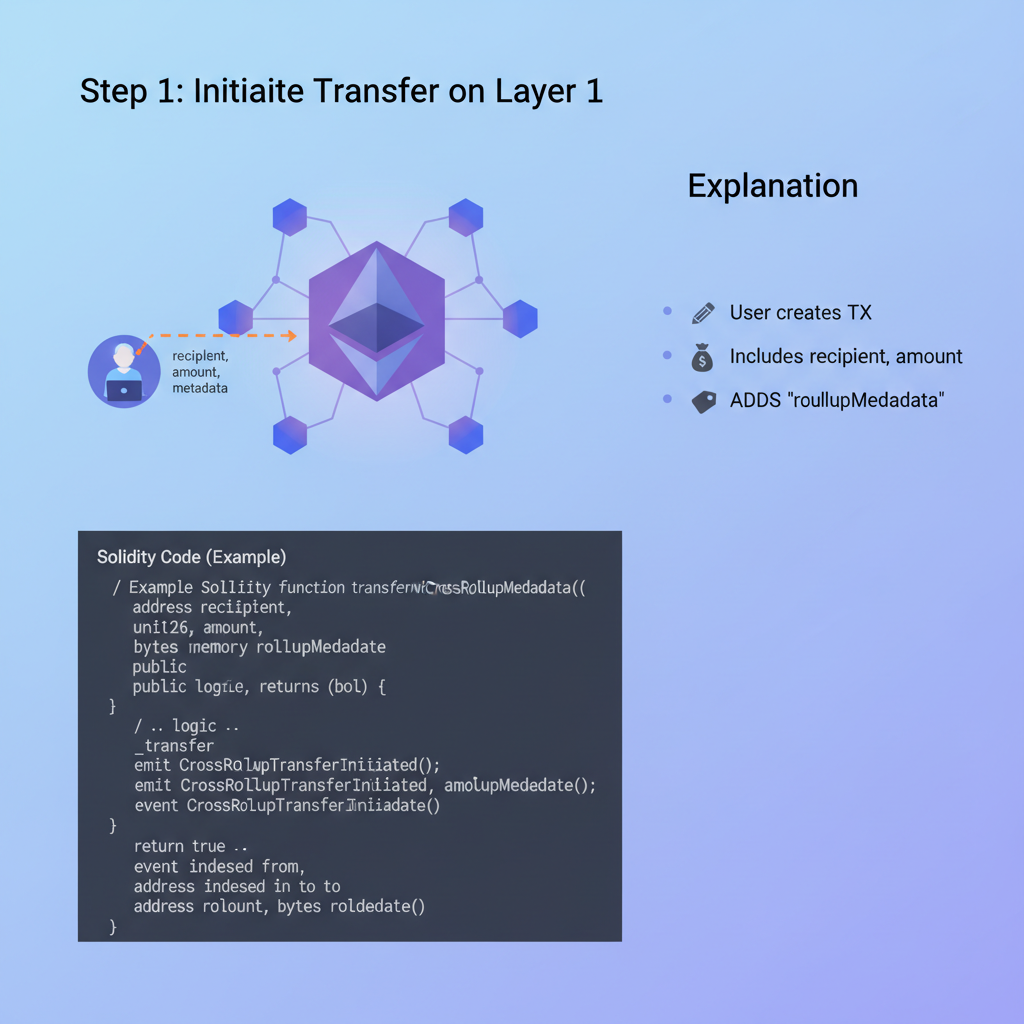
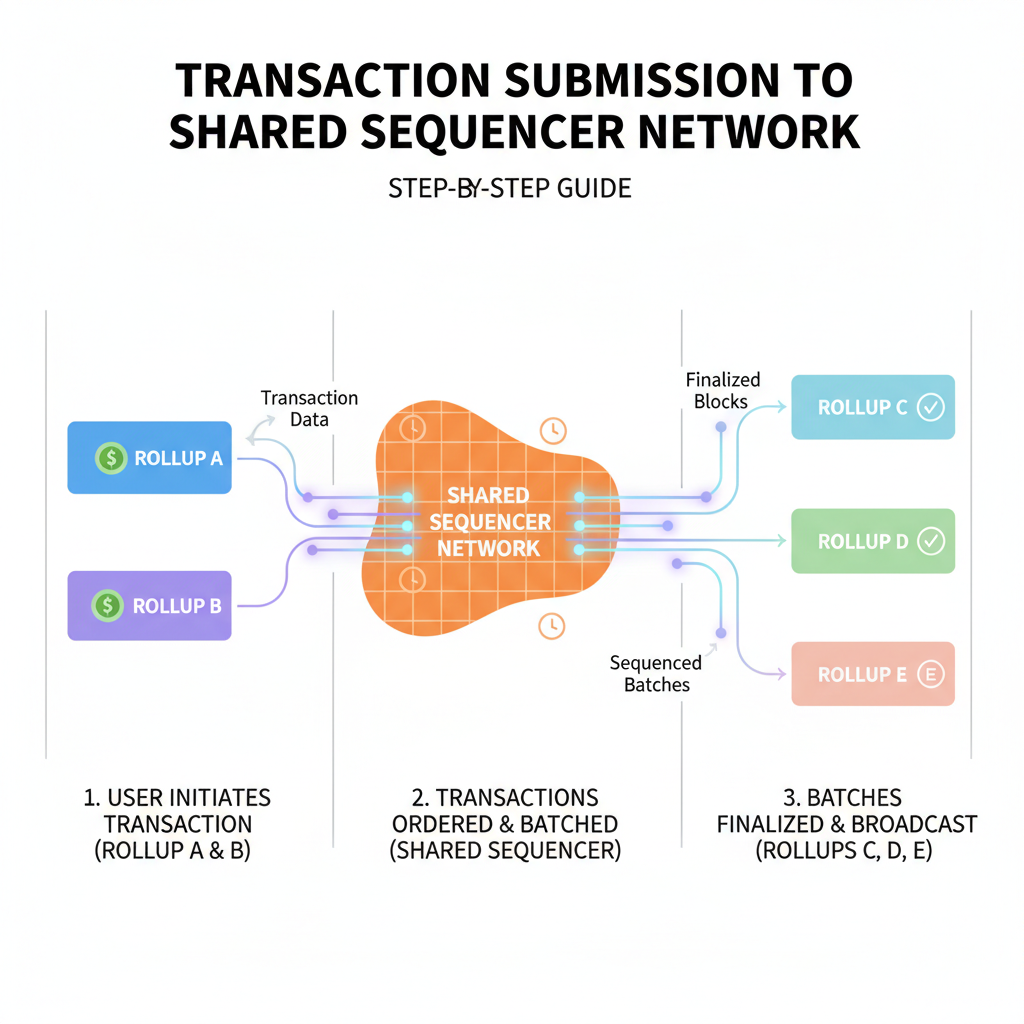
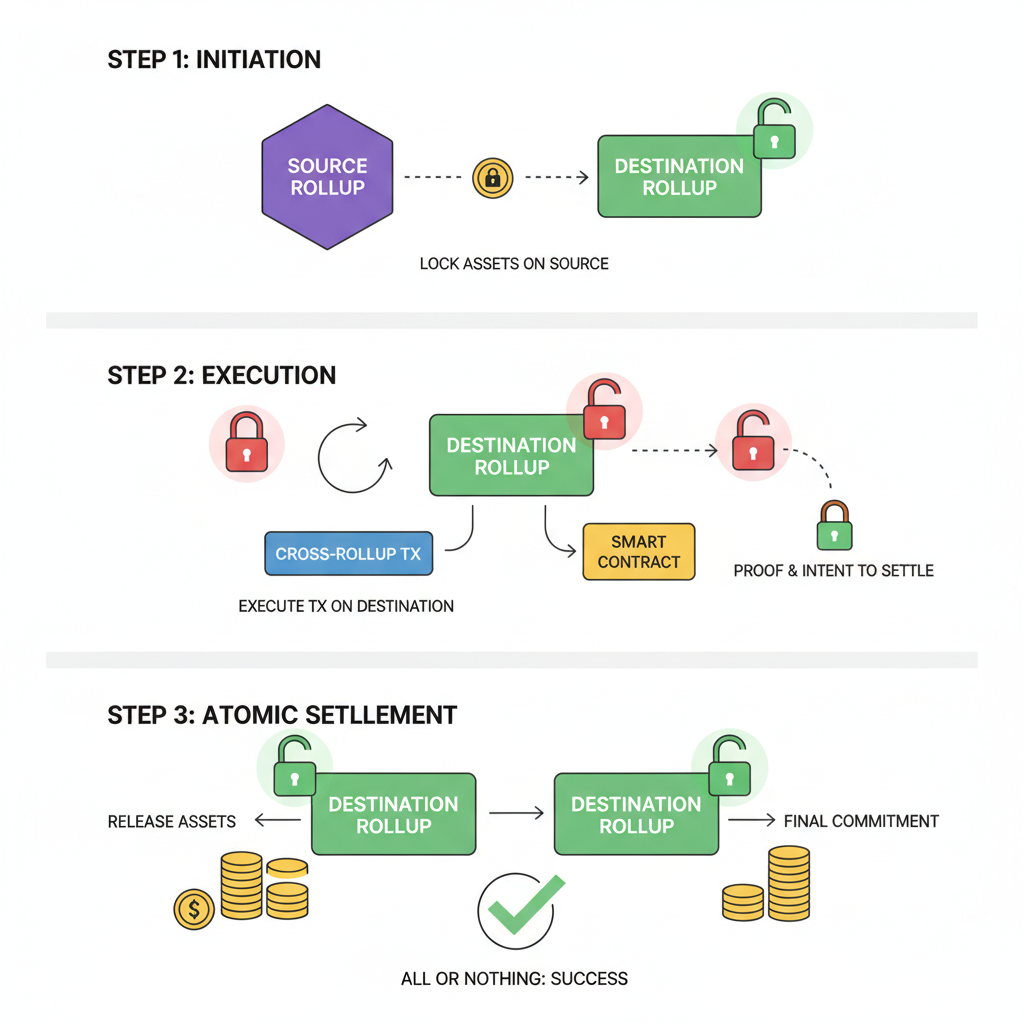
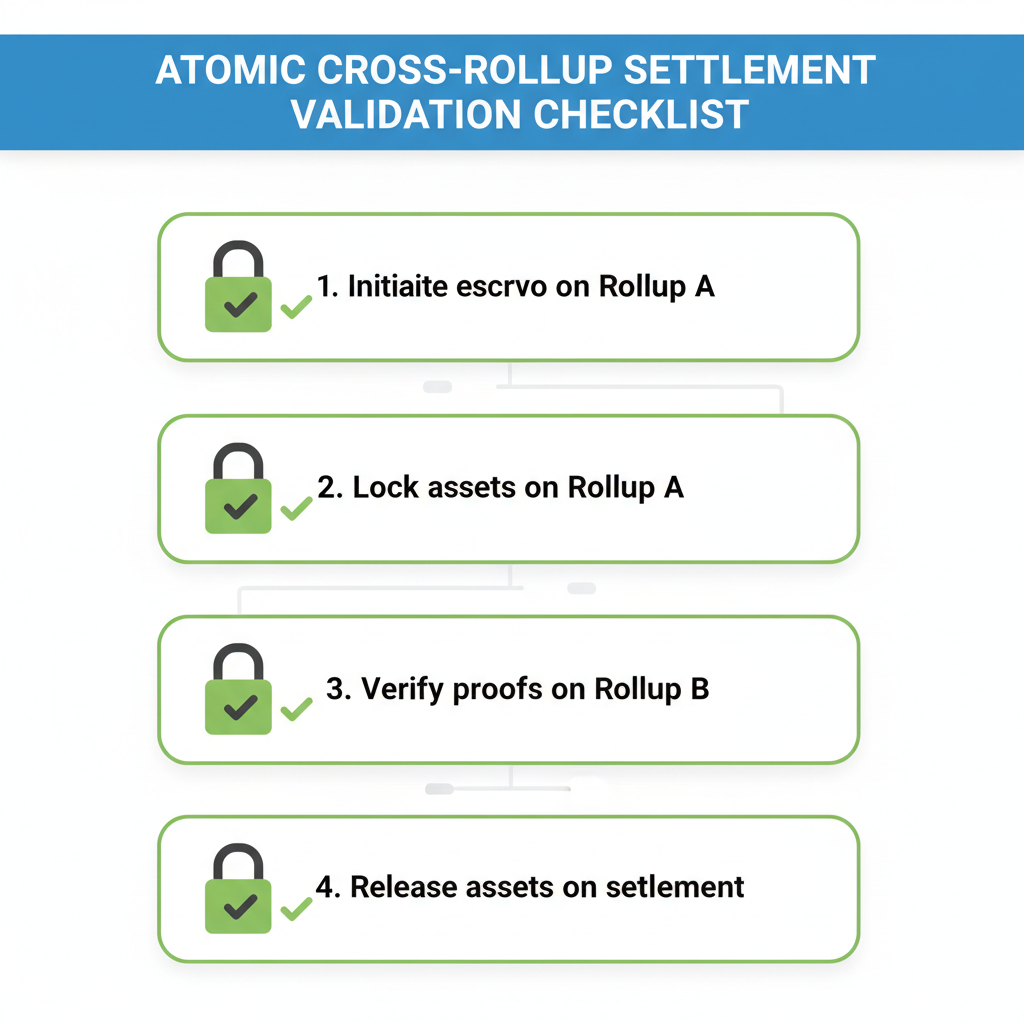
Follow that guide, and you'll bridge assets reliably. Next, code enters the picture. Here's a snippet adapting a shared sequencer client for Optimism-Arbitrum swaps.
Solidity: Cross-Rollup Swap with Espresso Batch Submission & Verification
In Ethereum's L2 ecosystem, cross-rollup swaps require synchronized sequencing to ensure atomicity and prevent front-running. Espresso's shared sequencer addresses this by enabling batched transaction submission across rollups, with on-chain verification of inclusion. This Solidity example illustrates a strategic implementation: submitting swap instructions in a batch and confirming inclusion via Merkle proofs before executing token transfers.
```solidity
// SPDX-License-Identifier: MIT
pragma solidity ^0.8.19;

import "@openzeppelin/contracts/token/ERC20/IERC20.sol";

interface IEspressoSharedSequencer {
    function submitBatch(bytes calldata batchData) external returns (uint256 batchId);
    function verifyBatchInclusion(uint256 batchId, bytes calldata merkleProof, bytes32 root) external view returns (bool);
}

contract CrossRollupSwapper {
    IEspressoSharedSequencer public immutable sharedSequencer;
    IERC20 public immutable tokenA;
    IERC20 public immutable tokenB;
    address public owner;

    mapping(uint256 => bytes32) public batchRoots;

    constructor(
        address _sequencer,
        address _tokenA,
        address _tokenB
    ) {
        sharedSequencer = IEspressoSharedSequencer(_sequencer);
        tokenA = IERC20(_tokenA);
        tokenB = IERC20(_tokenB);
        owner = msg.sender;
    }

    /// @notice Executes a cross-rollup swap by submitting batch to shared sequencer
    /// and verifying inclusion before token transfers.
    function executeCrossSwap(
        uint256 amountA,
        uint256 minAmountB,
        bytes calldata batchData,
        bytes calldata merkleProof,
        bytes32 expectedRoot
    ) external {
        // Submit swap instructions batch to Espresso shared sequencer
        uint256 batchId = sharedSequencer.submitBatch(batchData);
        batchRoots[batchId] = expectedRoot;

        // Verify inclusion using Merkle proof
        require(
            sharedSequencer.verifyBatchInclusion(batchId, merkleProof, expectedRoot),
            "Batch inclusion verification failed"
        );

        // Execute atomic swap: lock/transfer tokens
        require(tokenA.transferFrom(msg.sender, address(this), amountA), "Transfer A failed");
        uint256 amountBOut = (amountA * 1e18) / 1e6; // Simplified rate
        require(amountBOut >= minAmountB, "Insufficient output");
        require(tokenB.transfer(msg.sender, amountBOut), "Transfer B failed");

        emit SwapExecuted(msg.sender, amountA, amountBOut, batchId);
    }

    event SwapExecuted(address indexed user, uint256 amountA, uint256 amountB, uint256 batchId);
}
```
This design insightfully batches cross-rollup intents for efficiency, leveraging Espresso's confirmation layer to mitigate sequencer faults or delays. In production, extend with counterparty commitments and dynamic pricing oracles to fortify against MEV and market shifts.
This code leverages batching for efficiency, verifying inclusion before execution. Test on devnets; scale to mainnet with MEV safeguards. Multilane sequencing adds nuance, assigning fast/slow lanes by settlement speed. Chains like Taiko in the fast lane sync quicker with based rollup peers, optimizing developer workflows.
Tackling MEV and Future Headachesin Cross-Rollup Worlds
Modexa's 2026 forecast warns of 10 MEV headaches, from sandwich attacks spanning rollups to orphaned atomic txs. Independent ordering amplifies these; unified sequencers capture MEV collectively, redistributing to L2 treasuries. Based rollups mitigate via L1 proposer incentives, aligning searcher profits with Ethereum's ethos.
Opinion: Prioritize hybrid models. Use based sequencing for high-stakes DeFi, shared for high-throughput gaming. HackMD's defragmentation analysis nails it: simple transfers evolve to complex cascades under coordination. Developers ignoring this risk obsolescence as L2s consolidate power.
HackerNoon's rollup landscape maps the transition. Centralized sequencers offer speed but invite censorship; decentralized variants like Espresso's network democratize access. Fabric's awesome based rollups repo hints at revenue-sharing evolutions, bolstering L2 economics. ChainSafe's L2 wishlist pushes for based enhancements, accelerating Ethereum's modular ascent.
Pros and Cons of Multilane Sequencing vs CRATE for Cross-Rollup Atomic Transactions
| Aspect | Multilane Sequencing | CRATE |
|---|---|---|
| Settlement Flexibility | ✅ High: Multiple lanes with varying settlement frequencies for efficient bridging across rollups with different settlement times | ⚠️ Fixed: 4-round finality process on L1 |
| Finality & Execution Guarantees | ⚠️ Potential desync between lanes | ✅ Strong: All-or-nothing, serializable execution with 4-round L1 finality |
| Interoperability Scope | ✅ Tailored for Ethereum rollups with matching settlement intervals | ✅ Broad: Supports rollups on distinct L1 chains |
| Dependencies & Reliance | ✅ Lower direct L1 reliance, focuses on lane alignment | ❌ Higher: Relies solely on underlying L1s and L2 liveness |
This comparison sharpens choices. As rollups mature, Ethereum L2 sequencing unifies what fragmentation tore apart, fueling dApps that feel native across chains.
Strategic horizon: By 2026, expect dominant shared layers powering 80% of cross-tx volume. Developers mastering these tools capture outsized value, mirroring macro investors riding infrastructure waves. Ethereum's evolution hinges on this coordination, turning L2 multiplicity into collective strength.




No comments yet. Be the first to share your thoughts!