

In the evolving landscape of Ethereum's Layer 2 ecosystem, verifying sequencer liveness stands as a cornerstone for cross-rollup sequencing. As rollups proliferate to scale transactions, ensuring sequencers - the entities ordering transactions across multiple chains - remain operational without downtime is paramount. Recent market steadiness, with Ethereum trading at $1,982.48 amid a modest 24-hour gain of and $1.90 ( and 0.000960%), underscores the need for robust infrastructure. Disruptions here could cascade into liquidity crunches or stalled dApps, amplifying risks in a modular blockchain paradigm.
Defining Sequencer Liveness in Shared Sequencing Networks
Sequencer liveness refers to the guarantee that a sequencer continuously produces and publishes blocks within expected timeframes, even under adversarial conditions. In traditional rollups, a single sequencer often holds sway, vulnerable to outages or malice. Shared sequencer liveness, however, distributes this responsibility across a network, pooling resources for resilience. Projects like Espresso position themselves as decentralized middleware, offering high-throughput ordering between rollups and Layer 1. This setup mitigates single points of failure, fostering decentralized sequencer uptime essential for Ethereum's roadmap.
From a risk management perspective, liveness faults equate to opportunity costs. If a sequencer lags, cross-rollup transactions - think atomic swaps between Optimism and Arbitrum - grind to a halt. Historical precedents, such as centralized sequencer downtimes, have shaved percentages off rollup TVL overnight. Verifying liveness thus demands probabilistic proofs or slashing mechanisms, balancing speed with security.
Centralization Pitfalls and the Push for Decentralization
Current rollups grapple with sequencer centralization, where operators extract MEV unchecked and impose censorship. Sources highlight how shared sequencers address this by coordinating ordering for multiple rollups, slashing MEV while boosting composability. Binance analyses note that beyond censorship and liveness woes, centralization stifles rollup interoperability sequencing. High-availability models from Conduit exemplify redundancy, allowing rollups to weather upgrades seamlessly.
Shared sequencers introduce cross-rollup composability, handling transaction ordering for diverse rollups efficiently.
Yet, caution prevails: decentralization introduces coordination overhead. StratoStack's integration of Espresso and Astria illustrates a modular path, outsourcing ordering to consensus networks. These enhance censorship resistance but require vigilant Ethereum rollup sequencer verification protocols to detect offline nodes promptly.

Mechanisms for Verifying Liveness in Cross-Rollup Environments
Verification hinges on heartbeat mechanisms, where sequencers attest to block production via cryptographic proofs posted to Ethereum. Timeout thresholds trigger failover, with stakers penalized for non-responsiveness. Based rollups leverage Layer 1 proposers for permissionless inclusion, as Ethereum Research outlines, returning sequencing power to the base layer.
Decentralized sequencer proofs-of-concept for Optimism further this ethos, mitigating centralization through distributed validation. Economic security amplifies here: pooled stakes from Maven 11-style networks dwarf solo operators, deterring downtime. In practice, liveness SLAs target 99.99% uptime, verifiable via on-chain dashboards.
Ethereum (ETH) Price Prediction 2027-2032
Forecasts factoring sequencer liveness verification, decentralized cross-rollup sequencing advancements, and market cycles. Baseline: $1,982.48 (2026)
| Year | Minimum Price | Average Price | Maximum Price | YoY % Change (Avg) |
|---|---|---|---|---|
| 2027 | $2,500 | $4,000 | $6,500 | +102% |
| 2028 | $3,800 | $6,500 | $11,000 | +63% |
| 2029 | $5,000 | $8,500 | $14,000 | +31% |
| 2030 | $4,200 | $7,000 | $12,000 | -18% |
| 2031 | $6,000 | $10,500 | $17,000 | +50% |
| 2032 | $8,500 | $14,000 | $22,000 | +33% |
Price Prediction Summary
ETH prices are projected to grow significantly due to decentralized sequencer innovations enhancing L2 scalability, liveness, and composability. Bullish cycles drive averages from $4,000 in 2027 to $14,000 by 2032, with bearish dips accounted for in minimums, offering 7x potential upside amid adoption and tech upgrades.
Key Factors Affecting Ethereum Price
- Decentralized shared sequencers (e.g., Espresso, Astria) improving rollup liveness and censorship resistance
- Cross-rollup sequencing enabling composability, reduced MEV, and higher throughput
- Ethereum modular roadmap progress boosting L2 ecosystem efficiency
- Market cycles with bull runs post-upgrades and periodic corrections
- Regulatory clarity supporting decentralized infrastructure
- Institutional inflows, competition from L1s, and global adoption trends
Disclaimer: Cryptocurrency price predictions are speculative and based on current market analysis. Actual prices may vary significantly due to market volatility, regulatory changes, and other factors. Always do your own research before making investment decisions.
Implementing these demands hybrid oversight - technical signals like latency metrics fused with fundamental audits. My advisory experience with blockchain hedging underscores this: unverified liveness inflates tail risks, eroding portfolio yields. As Ethereum eyes $2,000 resistance with its price at $1,982.48, sequencer robustness will dictate scalability confidence.
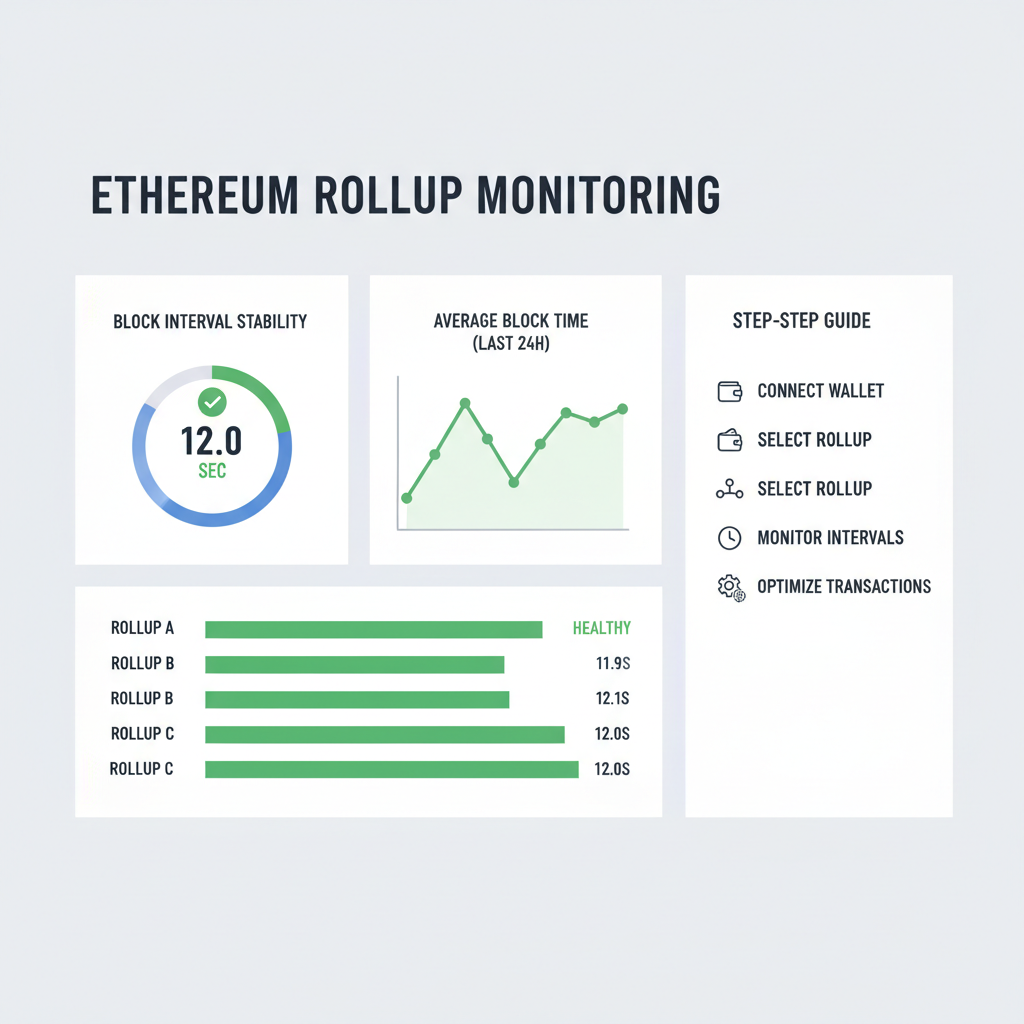
Practical verification starts with monitoring tools that track block proposal intervals against predefined SLAs. Latency spikes beyond 12-second Ethereum slots signal potential issues, prompting automated alerts. In cross-rollup setups, interoperability hinges on synchronized clocks; a laggard sequencer disrupts atomic transactions across chains like Arbitrum and Base.
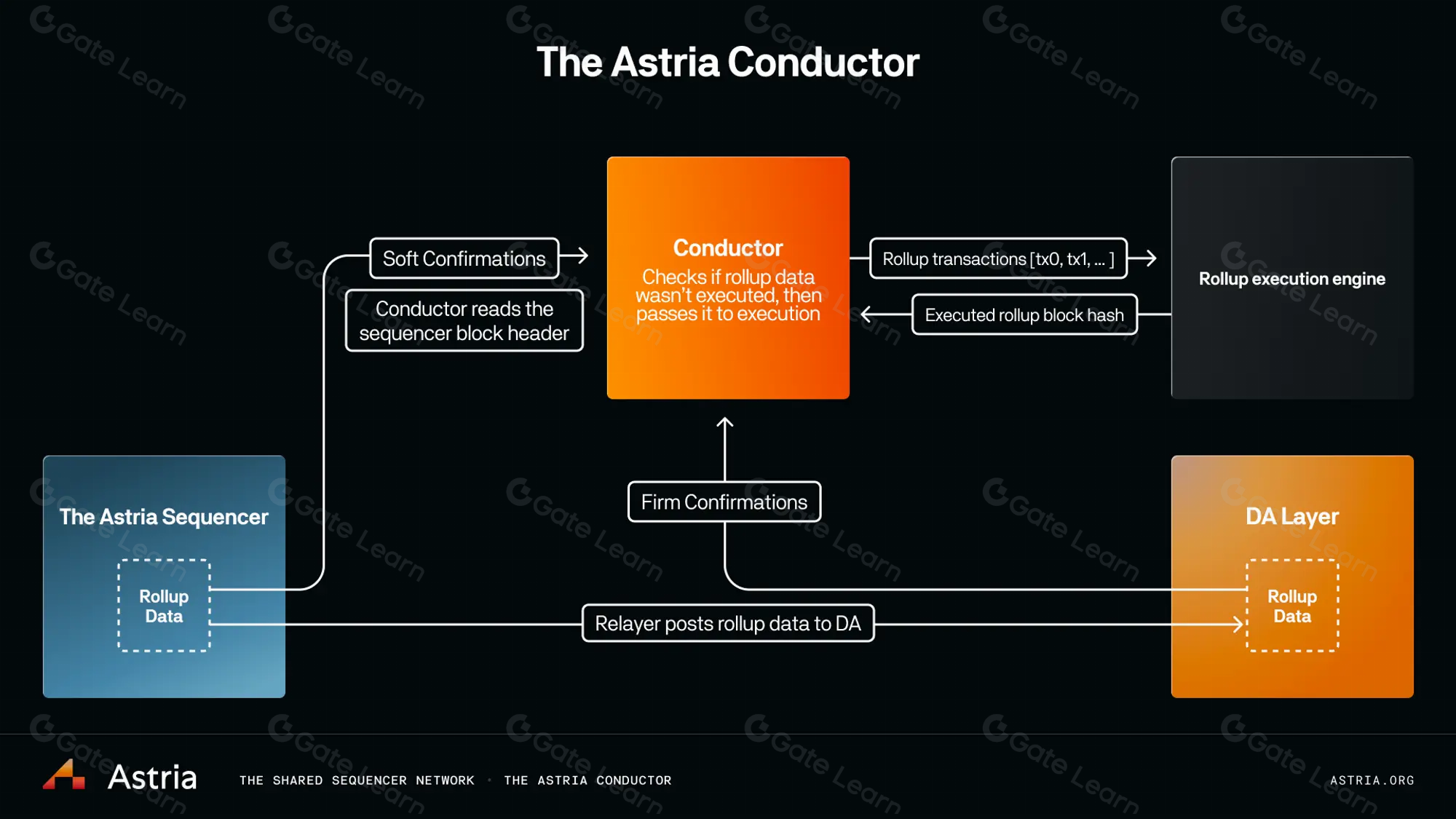
From my 14 years in risk management, I've seen similar faults in traditional finance: unmonitored nodes mirror rogue traders, silently eroding trust. For Ethereum rollups, shared sequencer liveness demands layered defenses - gossip protocols for peer attestations, combined with oracle feeds for off-chain validation. Cube Exchange's insights reinforce this: shared ordering not only curbs MEV but enforces collective uptime through incentives.
Real-World Implementations and Case Studies
Espresso's decentralized network exemplifies this shift, acting as a permissionless middleware layer. Rollups plug in, outsourcing ordering to a BFT consensus among stakers. Liveness proofs - succinct zero-knowledge attestations - post directly to Ethereum, verifiable by anyone. Astria complements with high-availability clustering, where primary sequencers failover to hot spares in milliseconds. StratoStack's modular integrations weave these into OP Stack rollups, yielding measurable gains: sub-second cross-chain finality without compromising decentralization.
Optimism's decentralized sequencer proofs-of-concept push boundaries further. By distributing keys via threshold cryptography, no single entity dominates. Failures trigger slashing from economic pools, far outpacing solo sequencer bonds. ScienceDirect models predict this scales to dozens of rollups, each benefiting from network effects in decentralized sequencer uptime. Yet, real deployments reveal friction: validator churn during ETH volatility at $1,982.48 tests stake liquidity, occasionally dipping availability below 99.9%.
High-availability sequencers enable rollups to operate seamlessly through upgrades and malfunctions, per Conduit's framework.
These cases highlight a nuanced trade-off. While based rollups tap L1 proposers for inherent liveness, as Ethereum Research details, they inherit slot auction volatility. Shared models smooth this but introduce governance risks - who arbitrates disputes? My hybrid hedging strategies advise diversified exposure: allocate to rollups with proven verifier contracts, hedging liveness faults via options on ETH at its current $1,982.48 perch.

Step-by-Step Verification Protocols
Operators must embed rigorous checks to sustain trust. Heartbeat contracts on Ethereum enforce periodic pings; misses accumulate penalties. Cross-rollup dashboards aggregate metrics, flagging anomalies like reordered transactions indicative of censorship.
Verify Sequencer Liveness: Essential Steps for Ethereum Rollups
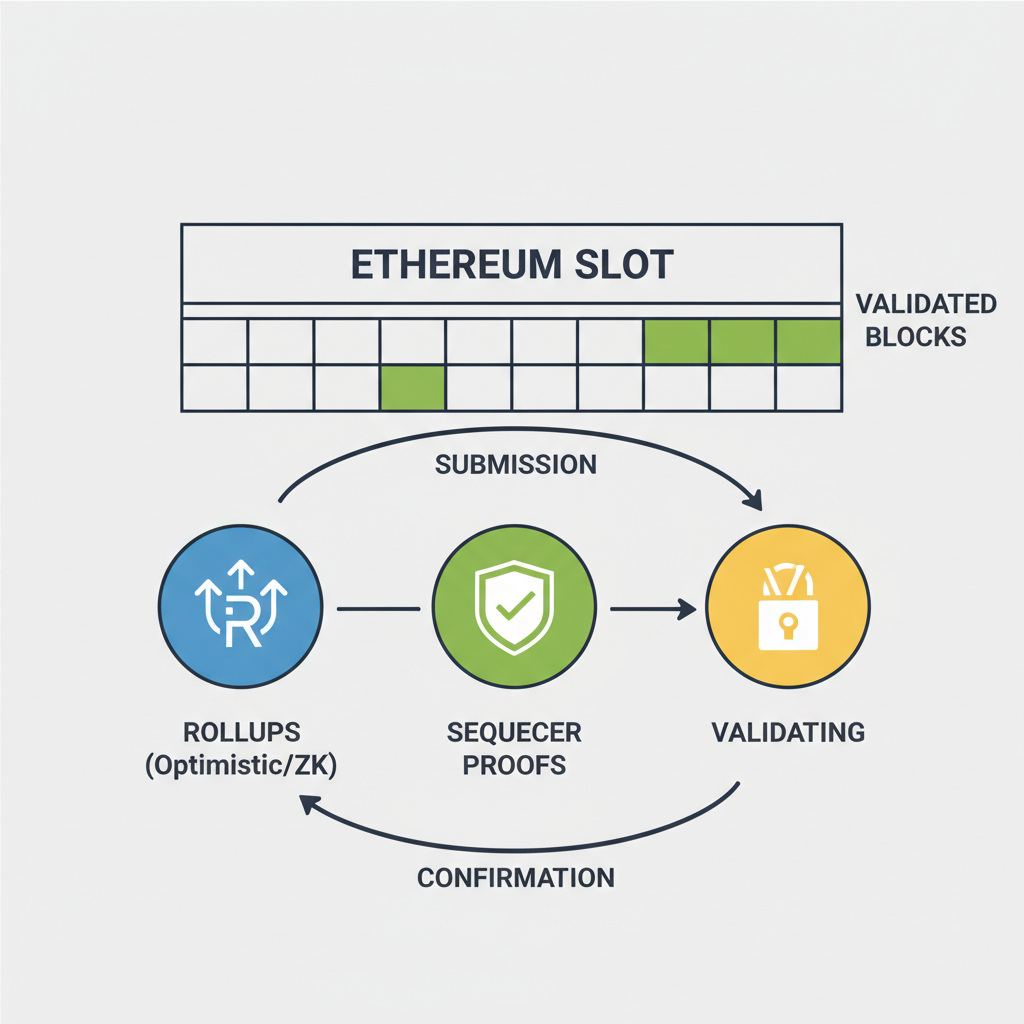
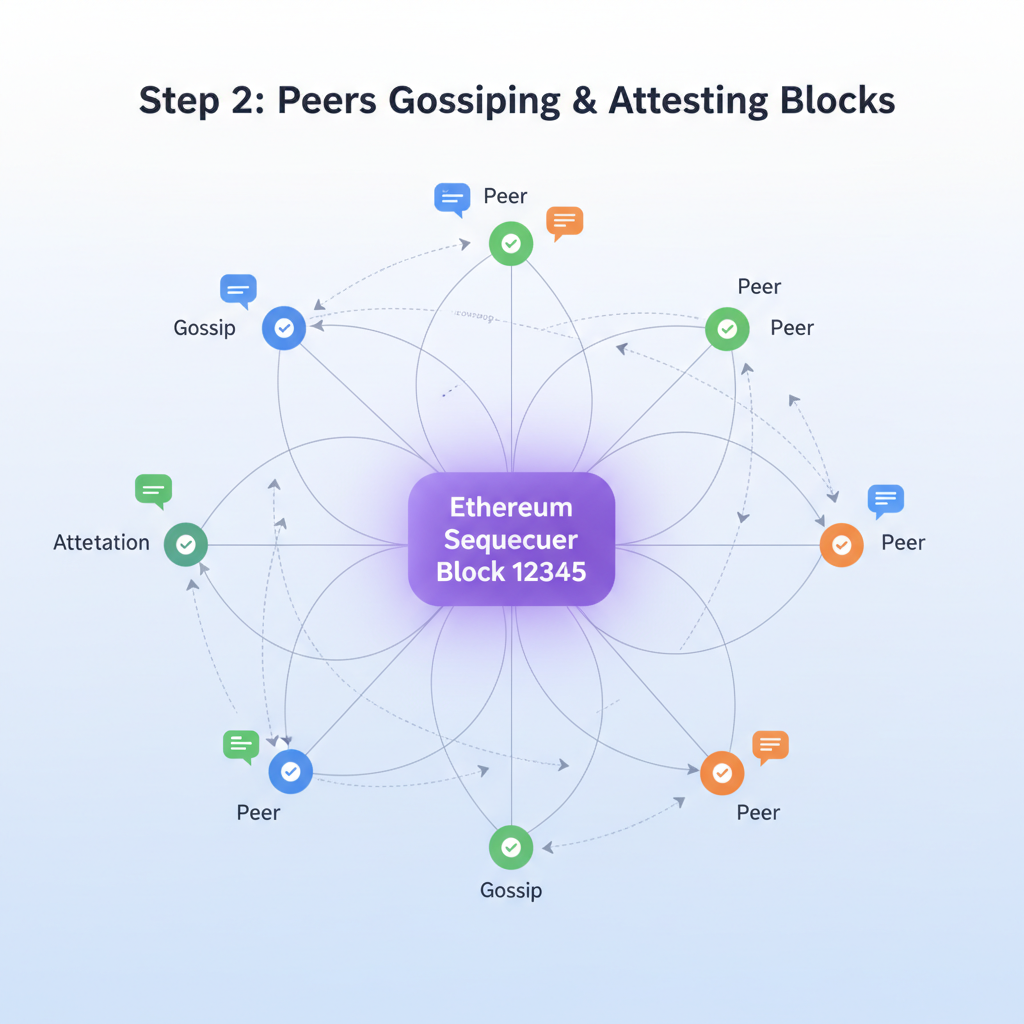
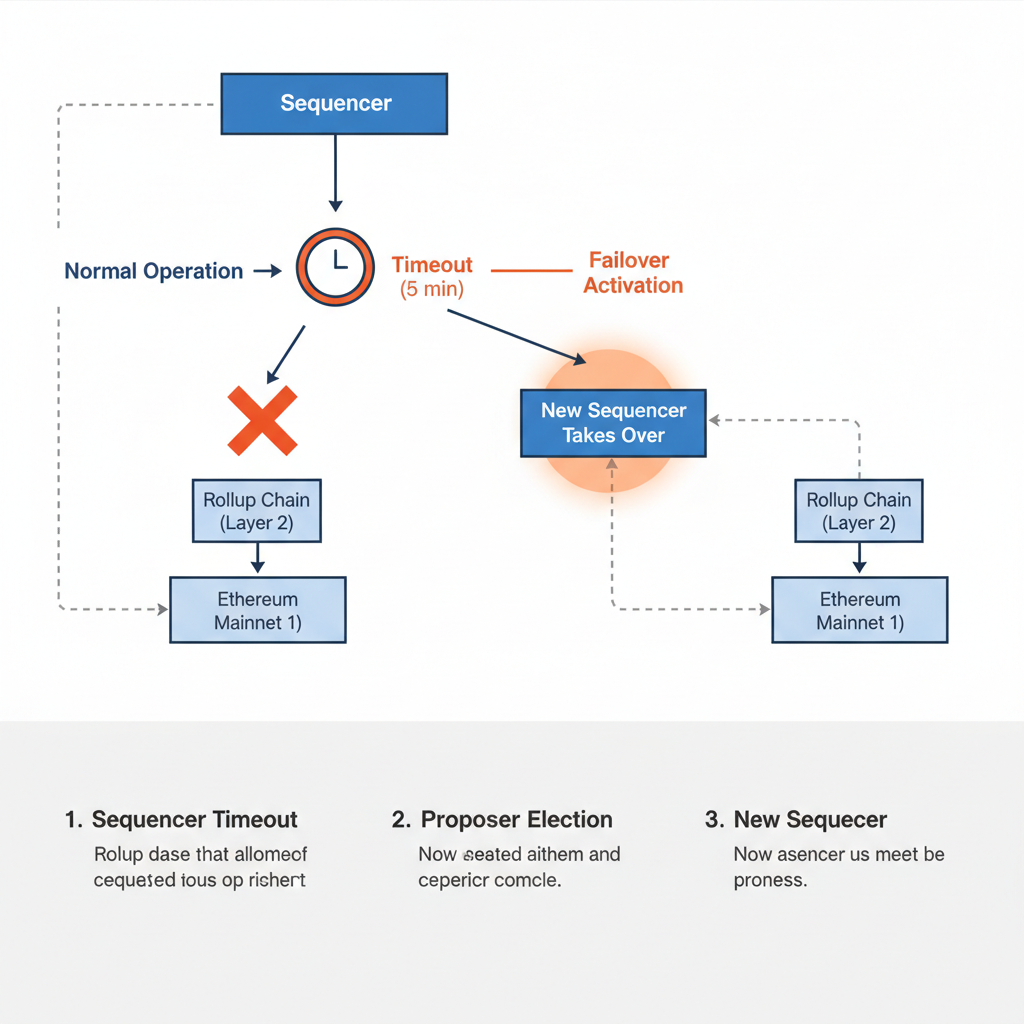
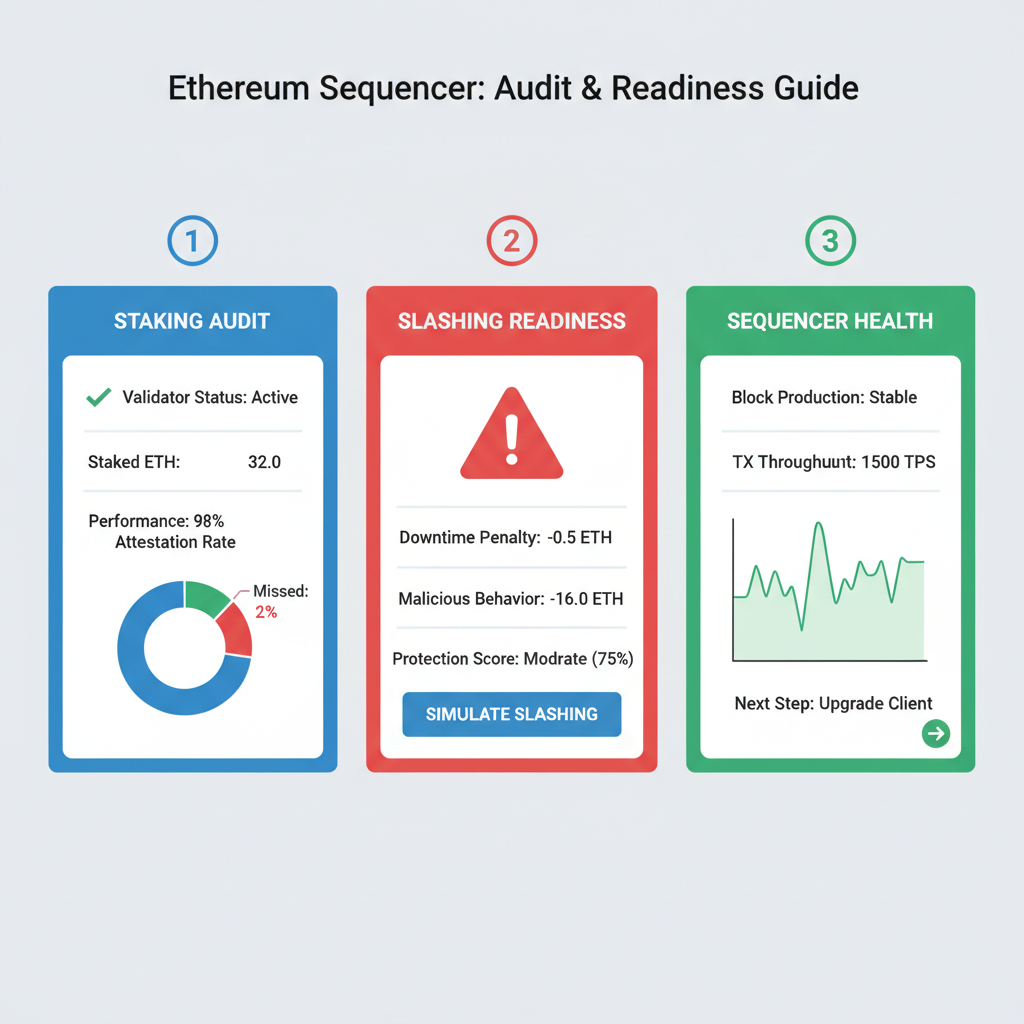
This protocol, refined through my advisory work, minimizes false positives while catching true faults. Zeeve emphasizes shared sequencing's edge here: decentralization without performance drags. DWF Labs echoes that based approaches recycle value to L1, but verification rigor separates viable from vaporware.
Challenges persist. Quantum threats loom over proofs, and economic attacks could overwhelm small stakes. Medium's rollup taxonomy warns of sovereign variants bypassing shared layers altogether, fragmenting liquidity. Still, Maven 11's pooled security offers a bulwark, with rollups sharing censorship resistance akin to Ethereum's own validator set.
Binance's critique of centralization rings true: without Ethereum rollup sequencer verification, rollups risk systemic halts. As ETH holds steady at $1,982.48, market participants eye these networks for outperformance. My view? Prioritize projects fusing technical proofs with economic moats. Risk managed this way turns scalability hurdles into portfolio edges, powering dApps toward a truly interoperable future.




No comments yet. Be the first to share your thoughts!