
Ethereum’s rollup-centric roadmap has delivered scalability, but at the cost of fragmented transaction streams across disparate Layer 2s. Each rollup maintains its own sequencer, leading to asynchronous ordering that disrupts atomic composability and inflates latency for cross-chain dApps. Cross-rollup sequencing cuts through this noise by introducing a shared layer that synchronizes rollup transaction ordering, fostering genuine Ethereum rollup interoperability. This isn’t mere optimization; it’s the rhythm the market demands for modular blockchains to thrive.

Observing price action in related tokens reveals this shift. Heikin-Ashi smoothed charts of sequencer-adjacent projects show bullish engulfing patterns, signaling convergence as shared sequencing Ethereum gains traction. The volatility spikes during Dencun announcements weren’t anomalies; they foreshadowed the interoperability boom.
Fragmentation’s Hidden Costs in Rollup Ecosystems
Today, rollups like Arbitrum and Optimism sequence transactions in isolation, creating windows for cross-rollup MEV exploitation. Searchers face uncertainty in arbitrage across chains, as one rollup’s block finalizes before another’s even begins. Medium analyses dub this “the unsolved problem of shared sequencing, ” with 2026 projections warning of intensified headaches like revert-based MEV on fast-finality rollups.
Users suffer too. A DEX swap bridging Base to Scroll demands sequential settlement, ballooning effective latency to seconds or minutes. Developers wrestle with asynchronous state reads, complicating dApp logic. Ethereum Research forums echo this: synchronous L2-to-L2 composability demands shared sequencing, even as based rollups leverage L1 proposers for partial relief.
Key Pain Points of Independent Rollup Sequencers
-
Cross-Rollup MEV Risks: Independent sequencers enable value extraction opportunities across rollups, like arbitrage manipulation, remaining an unsolved challenge per Medium and Ethereum Research.
-
Latency Spikes in Composability: Sequential execution across rollups causes delays in dApp composability, hindering synchronous atomic transactions as noted in ethresear.ch discussions.
-

Fragmented MEV Capture: Siloed sequencers prevent unified MEV extraction, limiting searchers’ profits on cross-rollup opportunities according to 1kx and Modexa analyses.
-
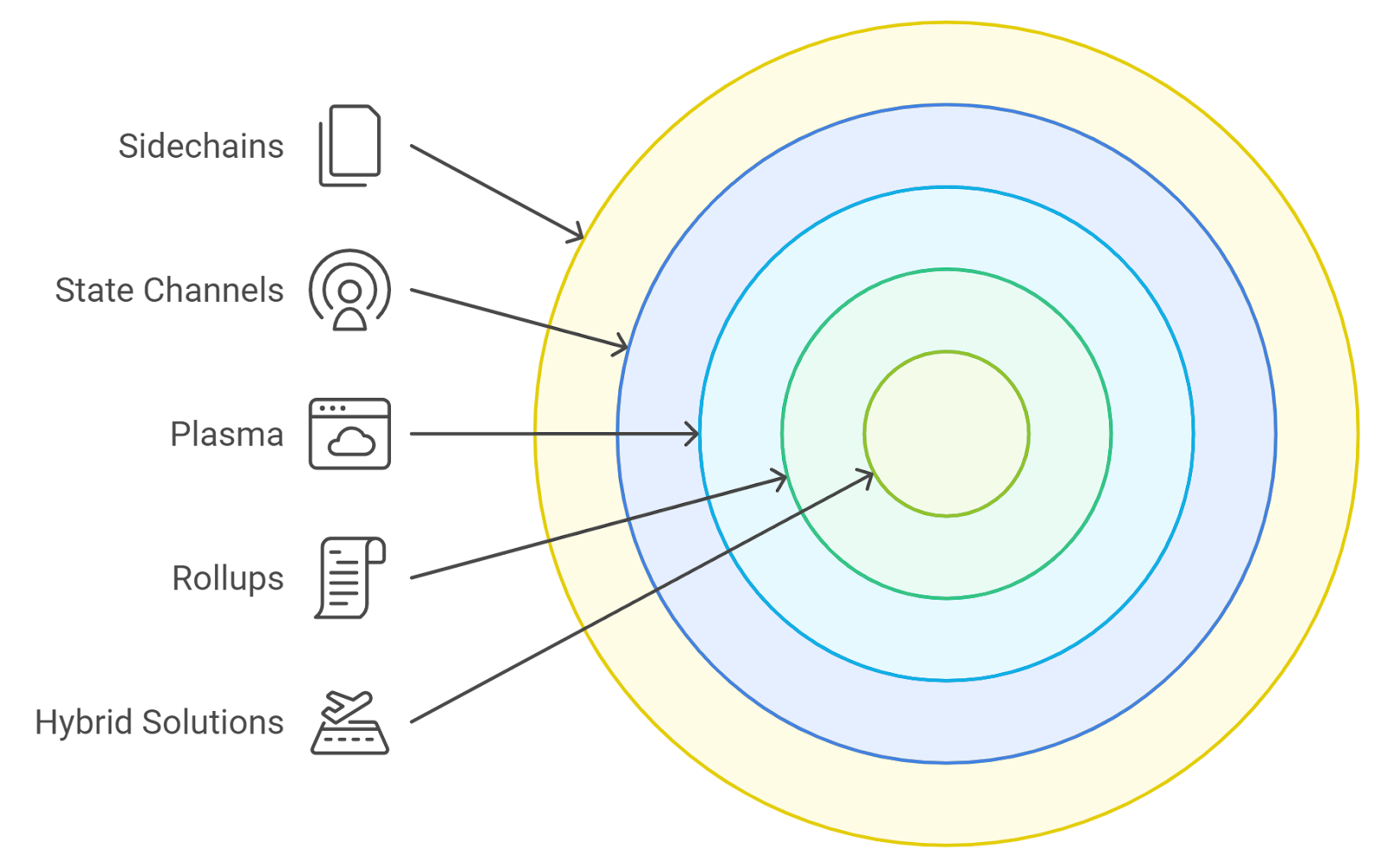
Interoperability Silos: Lack of shared ordering creates isolated rollup ecosystems, blocking seamless cross-chain interactions highlighted in Cube Exchange resources.
-
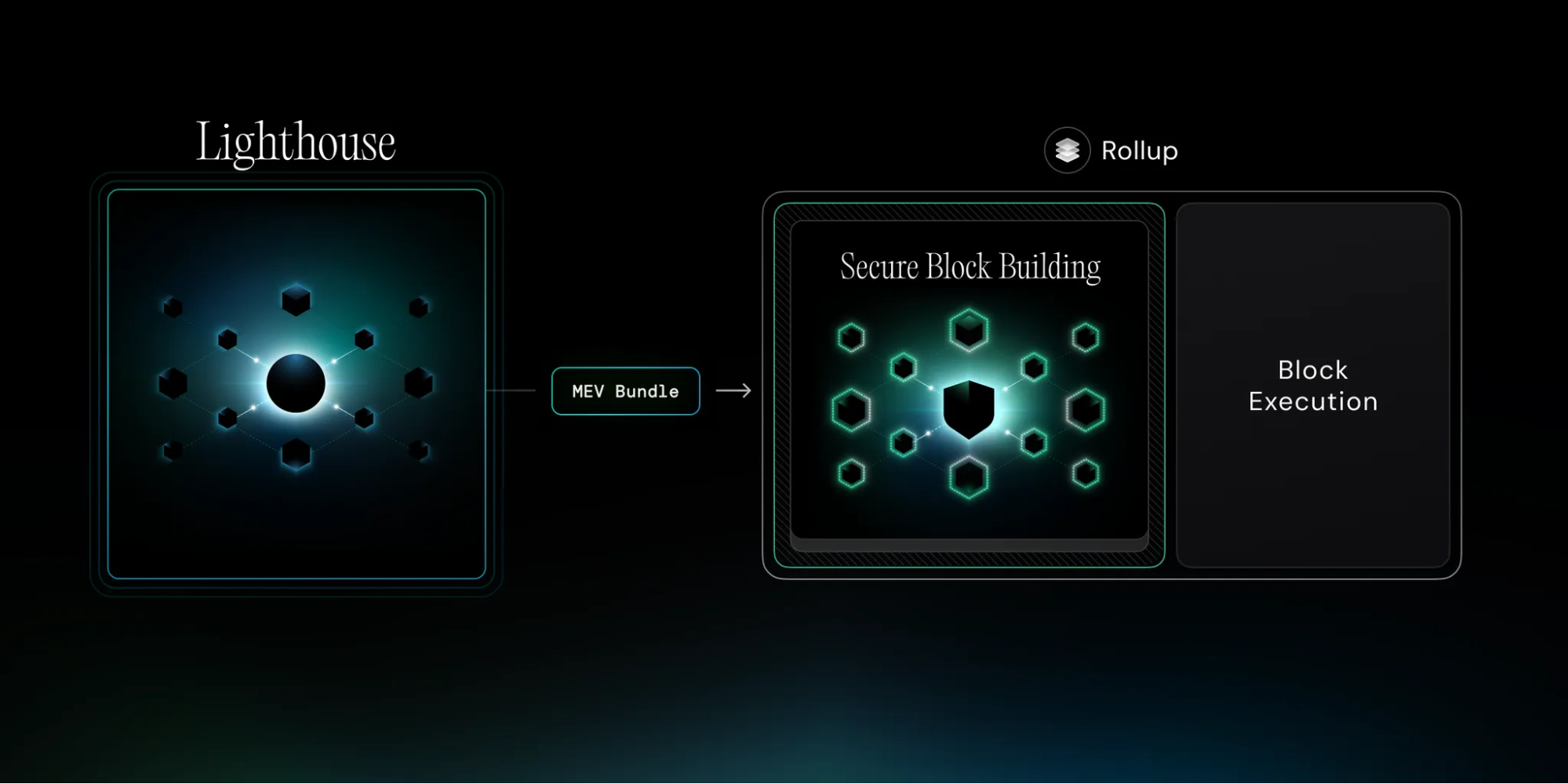
Sequencer Liveness Failures: Centralized or independent sequencers risk downtime, disrupting transaction flow as addressed by projects like Astria’s Shared Sequencer.
Mechanics of Unified Transaction Ordering
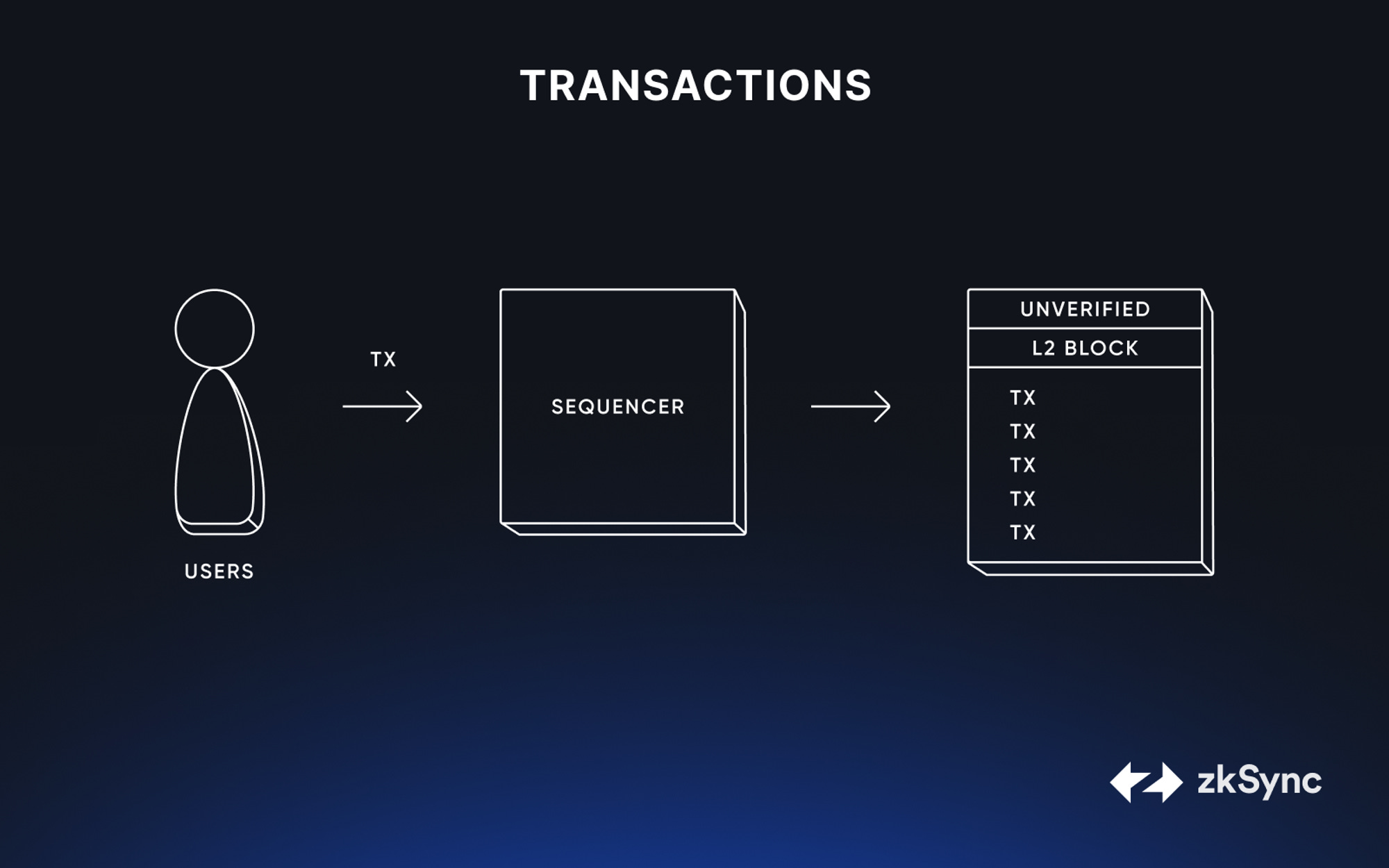
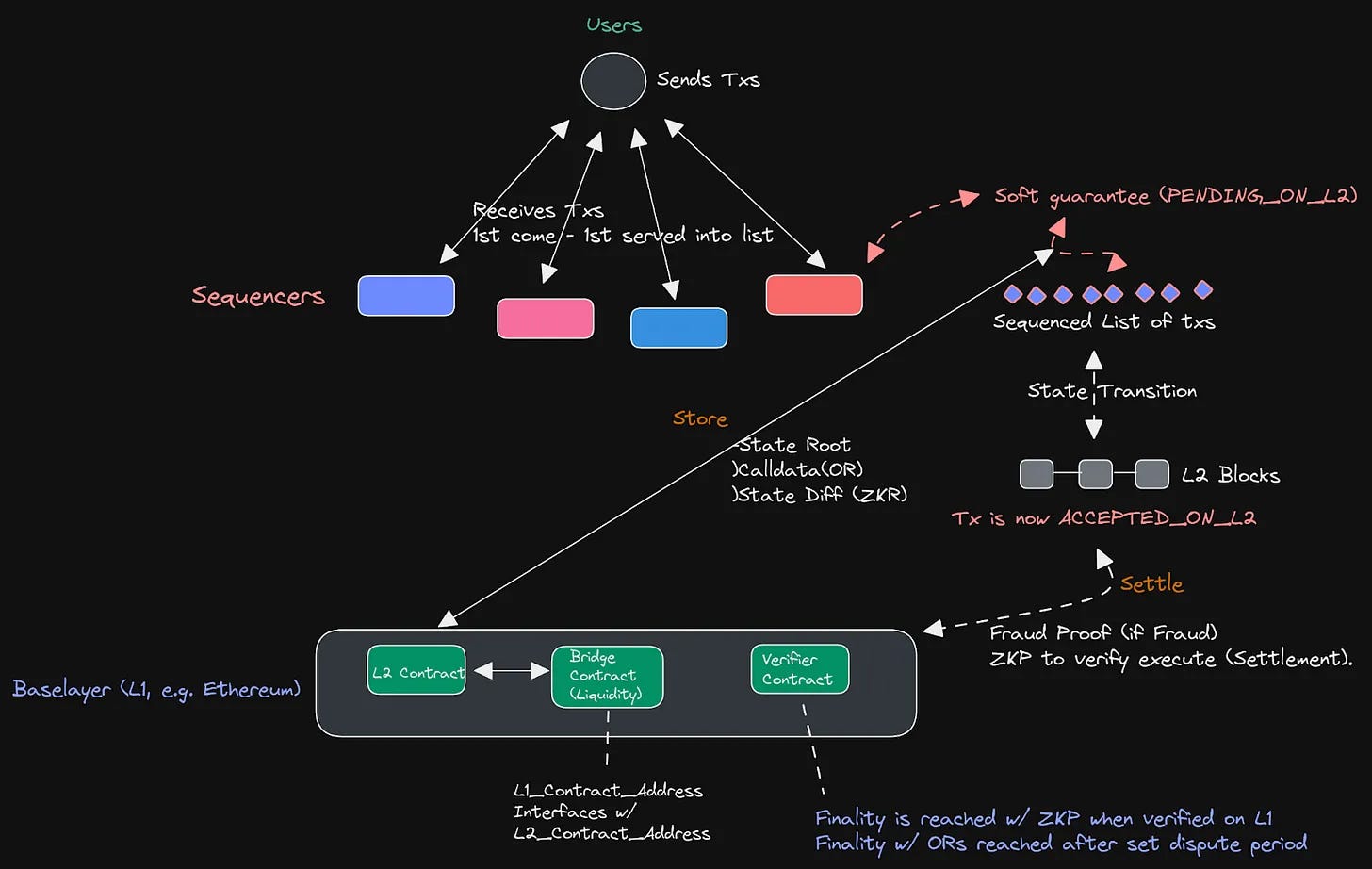
Shared sequencing Ethereum deploys a decentralized network of sequencers that aggregate and globally order transactions before dispatch to individual rollups. This shared sequencer, think Astria or Espresso, batches intents, enforces a single total order, and broadcasts attestations for liveness. Result? Synchronous atomic execution, where cross-rollup trades settle in one go.
Take Radius’s design: it enables atomic batches via a coordination layer, slashing composability friction. Security hinges on diverse TEEs, as TEERollup proves resilience against compromised nodes. Data availability bolsters this; post-Dencun blobs cut costs, with full Danksharding eyed for 2026 to flood rollups with cheap bandwidth.
From a chartist’s lens, this unification mirrors forex pair correlations tightening pre-major policy shifts. Rollup tokens exhibit synchronized uptrends on shared sequencer news, with volume profiles confirming institutional interest in MEV capture shared sequencer primitives.
Empowering Low-Latency dApps Through Interoperability
Imagine a perpetuals protocol spanning multiple rollups: unified ordering ensures sub-second cross-chain liquidations without front-running slippage. Cero’s hybrid network optimizes for varied security models, while Rome Protocol experiments with Solana-inspired efficiency. These aren’t hypotheticals; they’re the blueprint for modular blockchain sequencing.
MEV morphs from headache to opportunity. Shared visibility lets searchers capture value holistically, as 1kx notes: opt-in rollups gain safer arbitrage. Cube Exchange highlights decentralization gains, curbing single-sequencer downtime. For dApps chasing real-time UX, gaming, socialFi, high-frequency trading, this is the unlock.
Yet execution matters. Projects must balance liveness with censorship resistance, a tightrope walked by Espresso’s minimal-trust design. Charts don’t lie: sustained breakouts in sequencer ecosystem tokens validate this trajectory, with Heikin-Ashi candles painting a relentless climb.
Espresso’s architecture stands out for its prover-agnostic stance, letting rollups plug in without vendor lock-in. This flexibility accelerates adoption, as operators weigh liveness SLAs against censorship vectors. Opinion: in a sequencer duopoly world, Espresso’s permissionless relays could dominate, much like how neutral bridges eroded siloed liquidity pools.
Cross-Rollup MEV: From Fragmentation to Fair Capture
Independent sequencers breed cross-rollup MEV chaos, where latency arbitrage turns profitable trades into revert lotteries. ArXiv studies frame reverts not as bugs but strategic equilibria on fast-finality rollups. Enter shared sequencing: a unified order book lets searchers bid holistically, capturing value across ecosystems without timing gambles. Modexa’s 2026 forecast nails it – without this, MEV headaches explode as rollup counts balloon past 50.

Rome Protocol’s Solana twist adds high-throughput flair, pooling latencies for predictable MEV auctions. For searchers, it’s a game-changer: atomic execution via shared attestations minimizes sandwich risks in multi-rollup paths. Rollups opt-in for these gains, trading some sovereignty for interoperability dividends. Charts reflect this pivot – sequencer-linked tokens flash volume divergences on MEV-positive news, with RSI oversold bounces signaling undervaluation.
Security Pillars and Economic Alignments
Decentralized sequencers demand robust defenses. TEERollup’s heterogeneous TEE swarm withstands Byzantine faults, proving even 33% compromise leaves the network humming. Astria’s modular chain aggregates without execution, offloading compute to rollups for efficiency. Liveness proofs via Ethereum attesters ensure no single failure cascades, echoing based rollups’ proposer reliance but scaled.
Economic incentives seal the deal. Sequencer fees redistribute via staking yields, aligning operators with uptime. Maven 11 underscores Astria’s MEV smoothing: no more per-rollup auctions fragmenting alpha. Cube Exchange pitches cross-chain composability as the holy grail, where dApps query unified states sub-second. My take: this mirrors forex majors’ pip synchronization post-central bank sync, tightening spreads and boosting volumes.
RADIUS pushes synchronous batches, per ethresear. ch proposals, enabling true L2-to-L2 primitives. Cero’s hybrid model caters to bespoke rollups, from ZK to optimistic, without one-size-fits-all rigidity. Post-Dencun blobs already halved DA costs; 2026 Danksharding unleashes terabytes, fueling sequencer scale. For a deep dive into how shared sequencers enable atomic cross-rollup trades in the OP Stack, see this analysis.
Optimism Technical Analysis Chart
Analysis by Sarah Davis | Symbol: BINANCE:OPUSDT | Interval: 1h | Drawings: 7
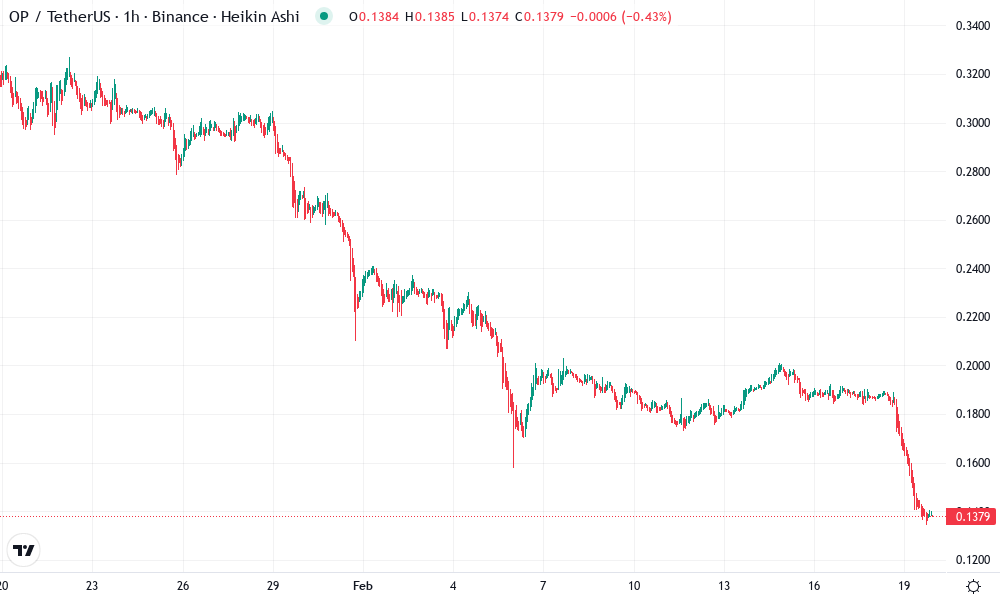
Technical Analysis Summary
As Sarah Davis, start by drawing a prominent downtrend line connecting the swing high on 2026-02-24 at 3.50 to the recent low on 2026-03-19 at 0.92, using the trend_line tool with red color for bearish bias. Add horizontal_lines at key support 0.90 (strong, green) and resistance 1.50 (moderate, red), 2.20 (strong, red). Use fib_retracement from the Feb high to Mar low for potential retracement levels at 38.2% (1.48) and 61.8% (2.05). Mark the volume spike on the final breakdown with arrow_mark_down. Place callouts on MACD bearish crossover around 2026-03-10. Rectangle the consolidation zone mid-March 1.20-1.60. Vertical line at 2026-03-16 for potential shared sequencer news impact. Long position marker at 0.95 entry if bounce confirms.
Risk Assessment: medium
Analysis: Volatile crypto dump with oversold signals but strong bearish trend; medium tolerance suits waiting for reversal confirmation amid 2026 sequencer uncertainties
Sarah Davis’s Recommendation: Hold cash or tight scalps long from support; monitor for compliance-driven rebound catalysts
Key Support & Resistance Levels
📈 Support Levels:
-
$0.9 – Recent swing low with volume exhaustion, strong psychological floor
strong -
$1.2 – Prior consolidation base, moderate hold
moderate
📉 Resistance Levels:
-
$1.5 – Recent breakdown level, now resistance
moderate -
$2.2 – 50% fib retracement and prior high
strong
Trading Zones (medium risk tolerance)
🎯 Entry Zones:
-
$0.95 – Bounce from strong support with volume divergence, medium risk for scalps
medium risk -
$1.45 – Short entry on resistance retest failure
medium risk
🚪 Exit Zones:
-
$1.4 – Profit target on short or initial resistance
💰 profit target -
$0.85 – Stop loss below key support
🛡️ stop loss -
$1.75 – Long profit target at fib 38.2%
💰 profit target
Technical Indicators Analysis
📊 Volume Analysis:
Pattern: Climax selling volume on final drop
High volume confirms breakdown conviction, potential exhaustion
📈 MACD Analysis:
Signal: Bearish crossover below zero line
Momentum deteriorating since mid-Feb, divergence on bounce
Applied TradingView Drawing Utilities
This chart analysis utilizes the following professional drawing tools:
Disclaimer: This technical analysis by Sarah Davis is for educational purposes only and should not be considered as financial advice.
Trading involves risk, and you should always do your own research before making investment decisions.
Past performance does not guarantee future results. The analysis reflects the author’s personal methodology and risk tolerance (medium).
Charting the Interoperability Surge
Heikin-Ashi lenses cut through sequencer token noise like a scalpel. Astria’s smoothed greens align with Espresso’s uptrend channels, breaking multi-month resistances on interoperability whitepapers. Volume climaxes during Signal-Boost threads confirm conviction; these aren’t retail pumps but whale accumulations betting on rollup transaction ordering dominance.
Compare to 2024’s based rollup hype: initial spikes faded on liveness gaps, but shared layers show staying power. MACD histograms flip positive across the board, with OBV divergences underscoring stealth inflows. If Ethereum L1 holds 3,000 gwei gas floors, sequencer betas could 5x as dApp migrations accelerate. Pattern recognition screams continuation: ascending triangles resolving upward, targeting 2026 highs.
Developers gain atomic toolkits for perps, lending, and socialFi stacks indifferent to rollup borders. Users feel seamless UX – no bridges, no delays, just Ethereum as one chain. Launchnodes’ pre-confs preview this: proposers as sequencers lite, but shared networks amplify. 1kx’s trustless interop vision materializes here, with MEV searchers thriving in ordered flows.
The modular thesis solidifies. Cross-rollup sequencing isn’t additive; it’s multiplicative, turning rollup sprawl into a symphony. As projects like Cero and Rome iterate, watch Heikin-Ashi for the next leg – candles lengthening, trends locking in. Ethereum’s low-latency future sequences itself into view, one unified block at a time.
About the Author