


In the modular blockchain era, Ethereum rollup networks have scaled transactions impressively, yet they grapple with liquidity silos and interoperability hurdles that undermine efficiency. Shared sequencing networks emerge as a prudent solution, pooling sequencer resources across rollups to foster cross-rollup interoperability without compromising security. This approach mitigates risks inherent in centralized sequencing, drawing from projects like Espresso and Astria that prioritize decentralization.

From a risk management standpoint, today’s rollup ecosystems resemble fragmented markets where isolated sequencers amplify vulnerabilities. Each rollup operates its own ordering layer, leading to duplicated infrastructure, elevated costs, and exposure to single points of failure. I’ve advised blockchain projects on hedging such risks, and the data is clear: liquidity fragmentation erodes user adoption and developer confidence.
Unpacking the Fragmentation Trap
Rollups excel at throughput, but their independent sequencers create barriers. Transactions confined to one chain face delays and high fees when bridging to another, stifling rollup interoperability. Sources highlight how this defragments the L2 landscape, with MEV extraction becoming rollup-specific and liveness tied to individual operators.
Consider the centralization conundrum. Most rollups rely on solo sequencers, inviting censorship risks and regulatory scrutiny. My hybrid risk models flag this as a medium-high threat, especially as adoption surges. Shared sequencing defragmentation addresses this by distributing ordering duties, enhancing network resilience much like diversified portfolios buffer volatility.
Key Rollup Challenges
-
Siloed Liquidity: Fragmented liquidity across rollups limits efficient capital use and trading opportunities.
-
Centralized Sequencers: Dependence on single sequencers risks censorship and undermines decentralization.
-
High Cross-Chain Latency: Significant delays in rollup-to-rollup transactions hinder seamless user experiences.
-

MEV Silos: Isolated MEV extraction per rollup prevents fair, network-wide value distribution.
-
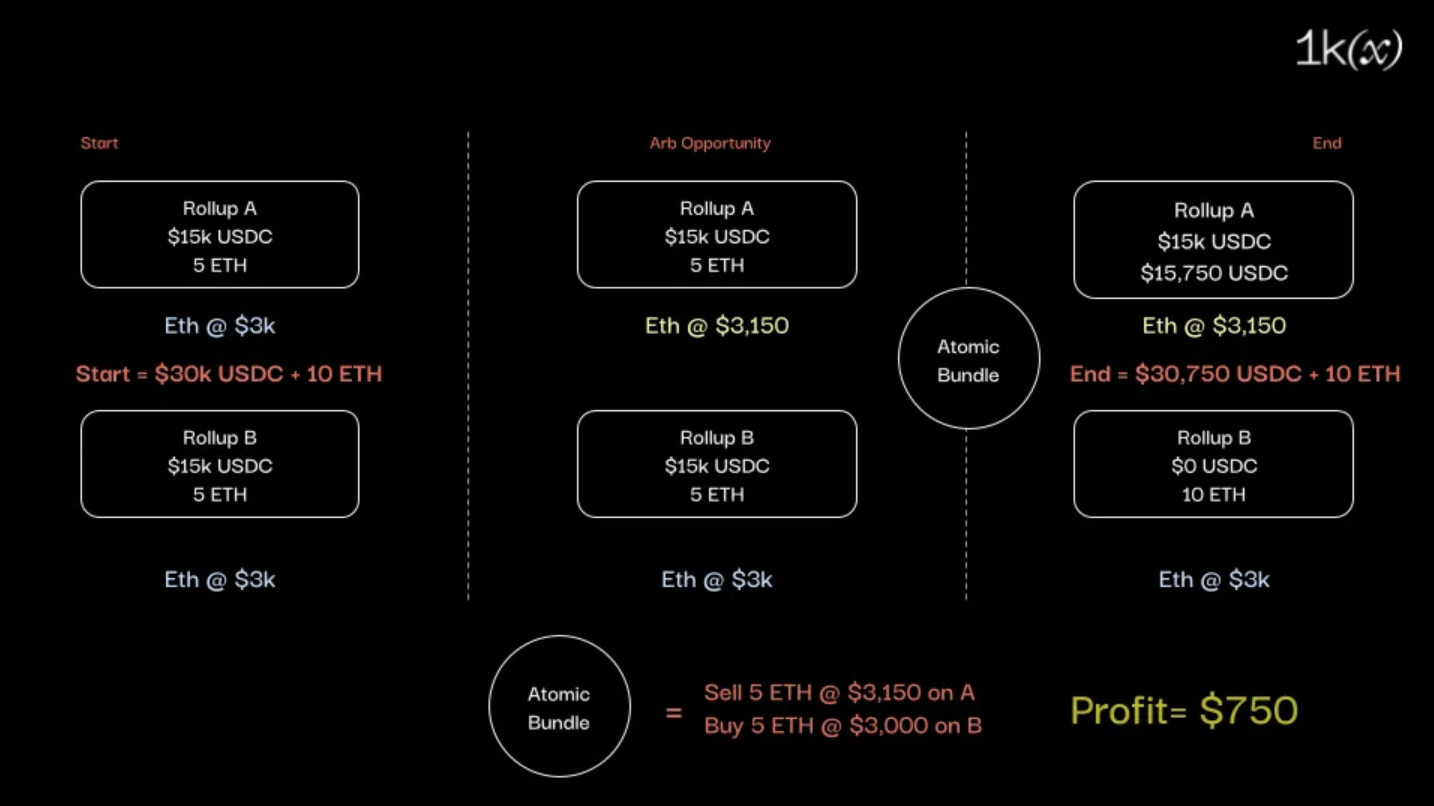
Interoperability Gaps: Inadequate protocols restrict atomic composability and cross-rollup interactions.
Core Principles of Shared Sequencing Networks
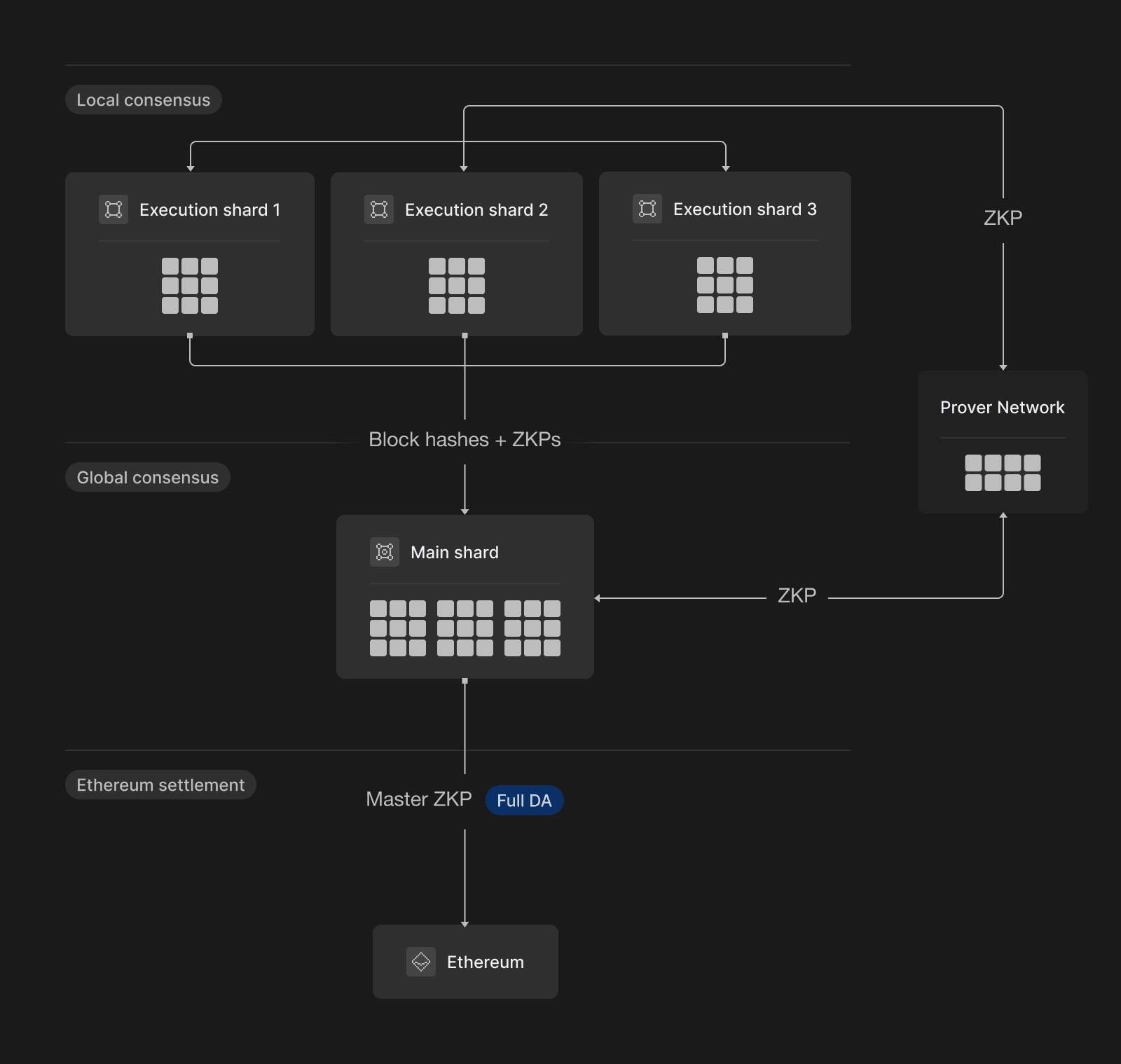
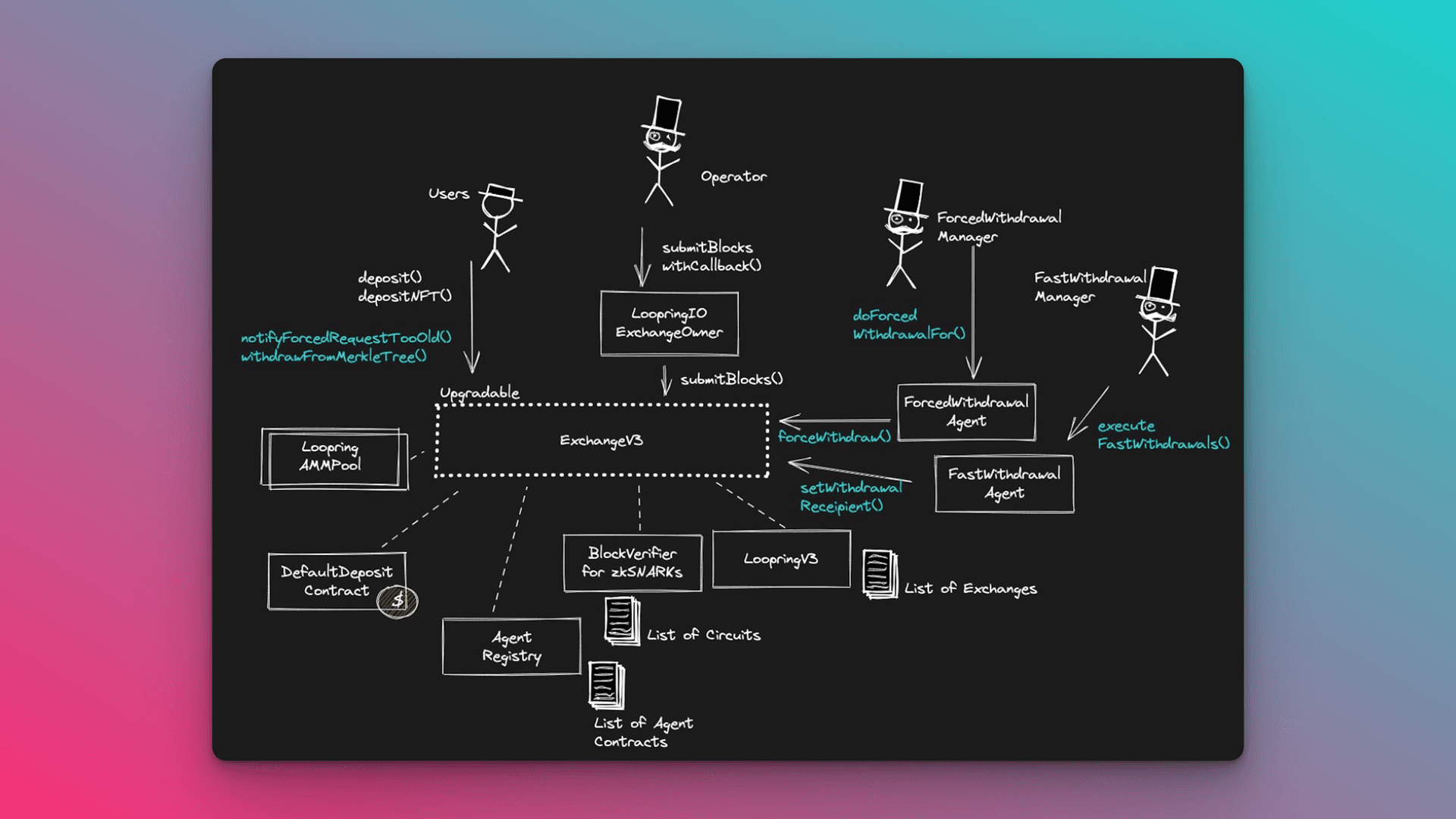
A shared sequencer is a decentralized node network unbound to any single rollup, coordinating transaction orders universally. This setup, as detailed in Ethereum research, enables atomic composability across chains. Projects like NodeKit on Avalanche’s HyperSDK and Rome Protocol leveraging Solana exemplify this, partnering with platforms such as Zeeve’s Rollups-as-a-Service for practical deployment.
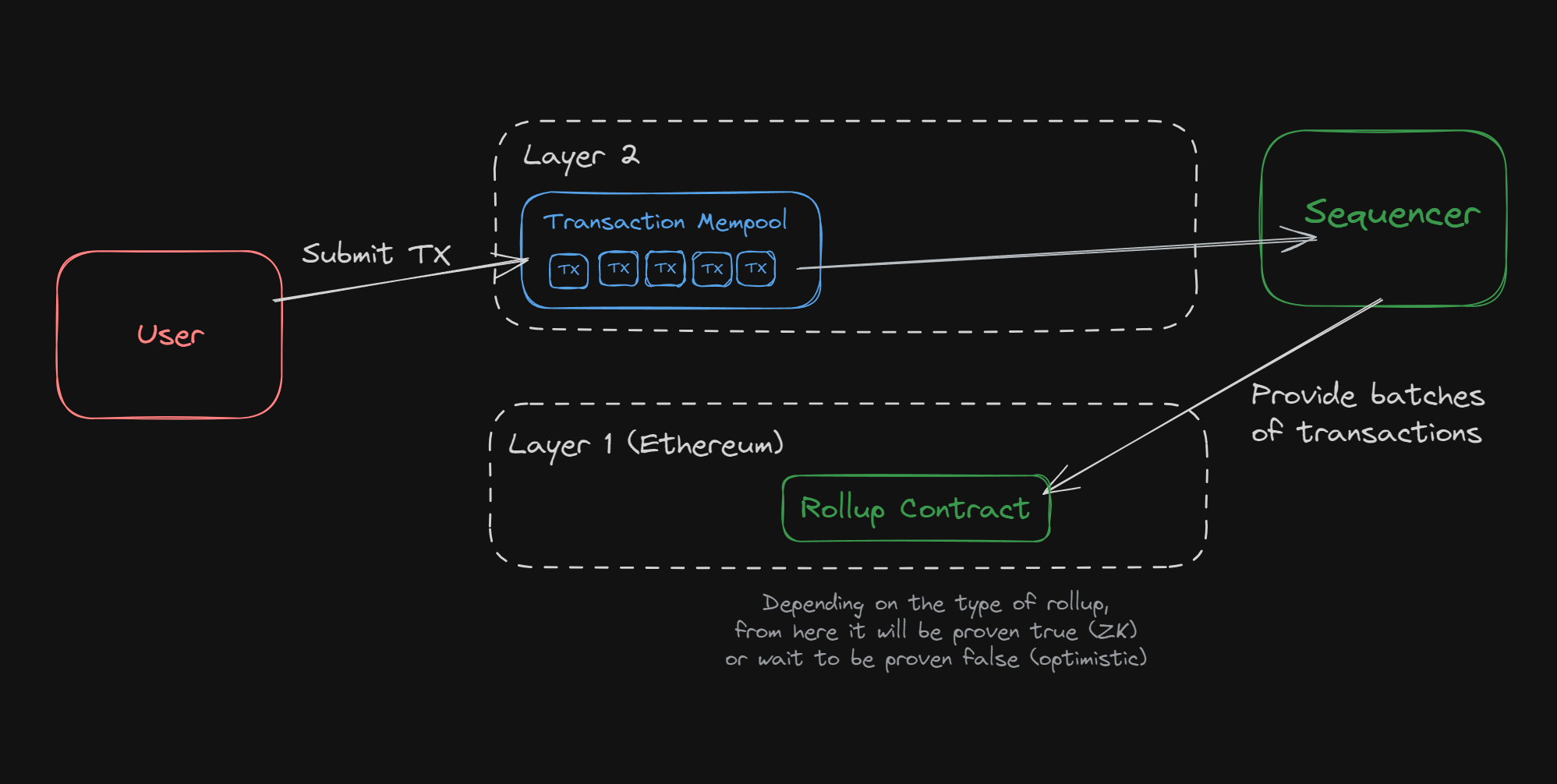
Mechanically, sequencers batch and order transactions before posting to Ethereum, but in a shared model, multiple rollups tap the same pool. This reduces latency, curtails redundant costs, and bolsters liveness through redundancy. Polymer Labs’ Hub further accelerates this with real-time protocols, slicing communication overhead. In my view, this isn’t mere optimization; it’s a foundational shift toward credible neutrality, aligning incentives for operators and users alike.
Transitioning to Decentralized Models
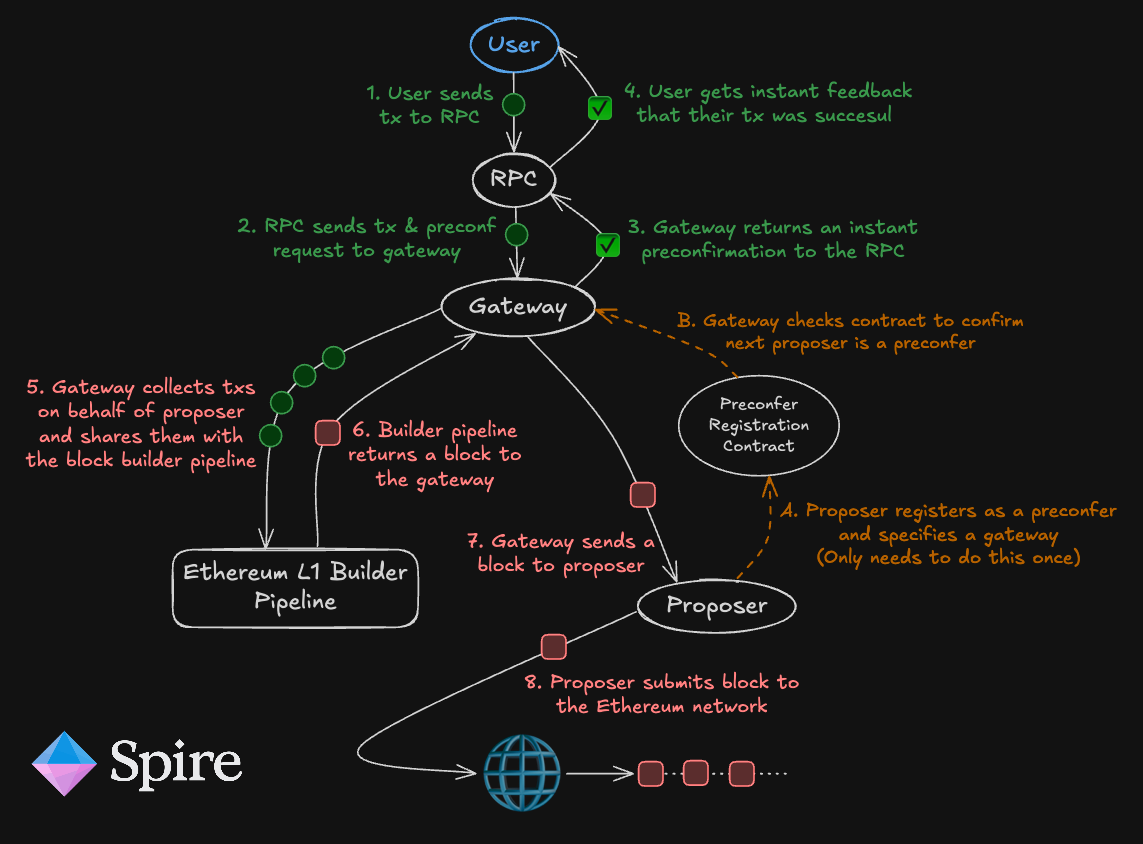
Paths to based rollups – sourcing from Ethereum proposals – offer a roadmap for incumbent networks. Start with preconfirmations for faster UX, then migrate to shared layers. UniFi’s model integrates these, tackling scalability head-on. Yet caution prevails: rushed decentralization can introduce new faults, like sequencer collusion. Risk assessments must precede adoption, weighing liveness proofs against centralization trade-offs.
Alchemy’s 2025 outlook lists four frontrunners, underscoring momentum. As an advisor, I emphasize fundamentals: shared sequencing maximizes rewards only when risks are managed meticulously, from node diversity to economic security.
Practical deployments validate shared sequencing networks’ potential to unify Ethereum rollup networks. Zeeve’s integration with NodeKit on Avalanche’s HyperSDK decentralizes sequencing for rollups-as-a-service, enabling operators to plug into a robust, shared infrastructure that spans ecosystems. Rome Protocol takes a bold step by harnessing Solana’s throughput for sequencer duties, promising atomic cross-rollup transactions that eliminate bridging frictions. These initiatives, alongside Polymer Labs’ Hub for real-time interoperability, demonstrate how shared sequencing networks can bridge latency gaps and foster genuine composability.
Quantifying the Advantages
Benefits extend beyond theory. Shared models slash infrastructure costs by amortizing sequencer operations across participants, a critical edge as rollup counts multiply. MEV redistribution becomes equitable, curbing exploitative practices that plague solo sequencers. Liveness improves markedly; if one node falters, the network persists, unlike centralized setups vulnerable to downtime. From my risk advisory lens, this diversification mirrors portfolio theory: spreading exposure minimizes tail risks while preserving upside. Cross-rollup interoperability surges, with transactions flowing seamlessly, much like unified markets enhance liquidity depth.
Comparison of Key Shared Sequencer Projects
| Project | Technology Stack | Key Features | Notable Integrations |
|---|---|---|---|
| Espresso | Ethereum-aligned decentralized network | Decentralized ordering, credible neutrality, enhanced interoperability | Shared Sequencer Network |
| Astria | Decentralized sequencer network | Multi-rollup support, low latency | Supports multiple rollups |
| NodeKit | Avalanche HyperSDK | Decentralized shared sequencing, cross-rollup interoperability | Zeeve Rollups-as-a-Service |
| Rome Protocol | Solana-based shared sequencer | Atomic composability for cross-rollup transactions, improved scalability | Solana ecosystem |
Yet enthusiasm warrants caution. Economic incentives must align perfectly; miscalibrated staking could invite collusion or under-provisioning. I’ve modeled such scenarios for clients, revealing that node diversity – targeting at least 100 geographically dispersed operators – is non-negotiable for credible neutrality. Preconfirmations serve as a bridge, offering users Ethereum-grade finality speeds during transitions.
Navigating Risks in Adoption
Transitioning demands a phased approach. Ethereum research outlines migrating from centralized to based rollups: first, decentralize data availability; next, integrate shared ordering; finally, enforce liveness via proofs. Rushing invites pitfalls, such as oracle dependencies or sequencer frontrunning. My hybrid framework stresses monitoring technical signals – like block times and fault rates – alongside fundamentals, such as governance tokens’ distribution. For medium-risk portfolios, allocate 20-30% to shared sequencing pilots, hedging with established L1s.
Essential Steps for Shared Sequencing
-
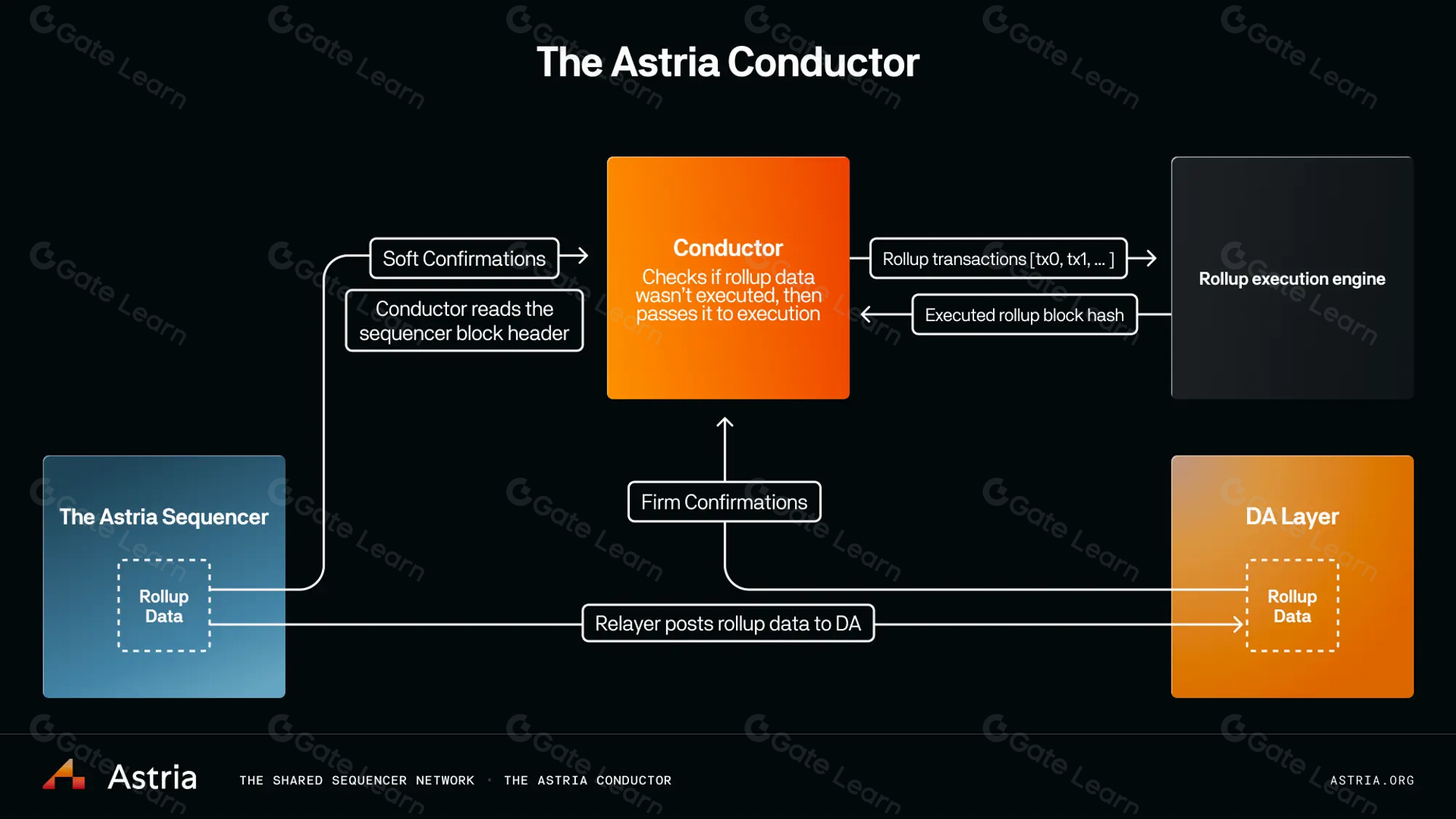
Audit node diversity: Verify geographical and operator diversity in sequencer nodes, as emphasized in shared sequencer networks like Astria and Espresso, to bolster decentralization.
-
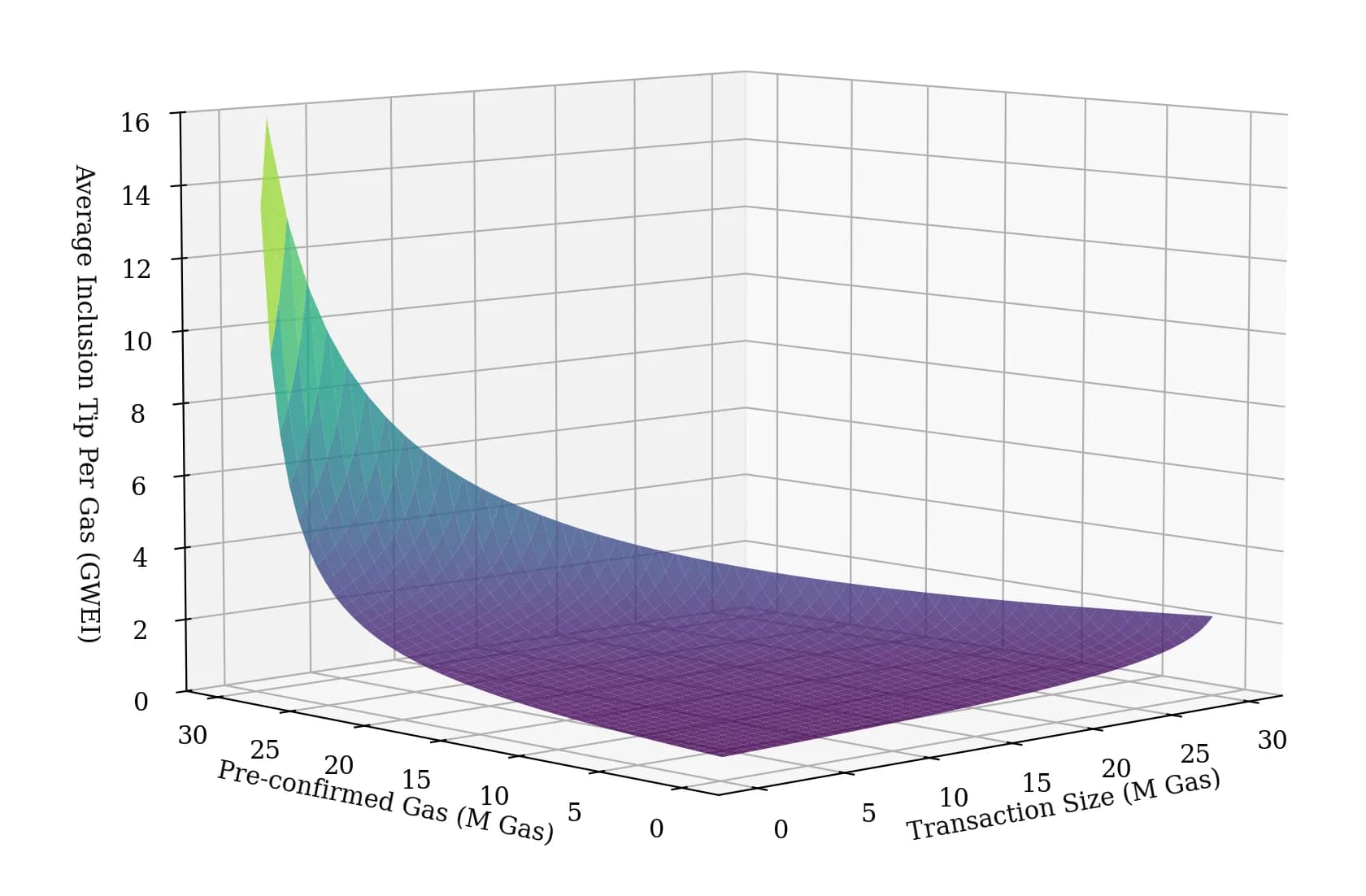
Implement preconfirmations: Deploy preconfirmation protocols, as in based rollups like UniFi, to enhance transaction speed and user experience without compromising security.
-
Stress-test liveness: Simulate high-load scenarios to validate sequencer uptime, drawing from decentralized networks like NodeKit on Avalanche HyperSDK.
-
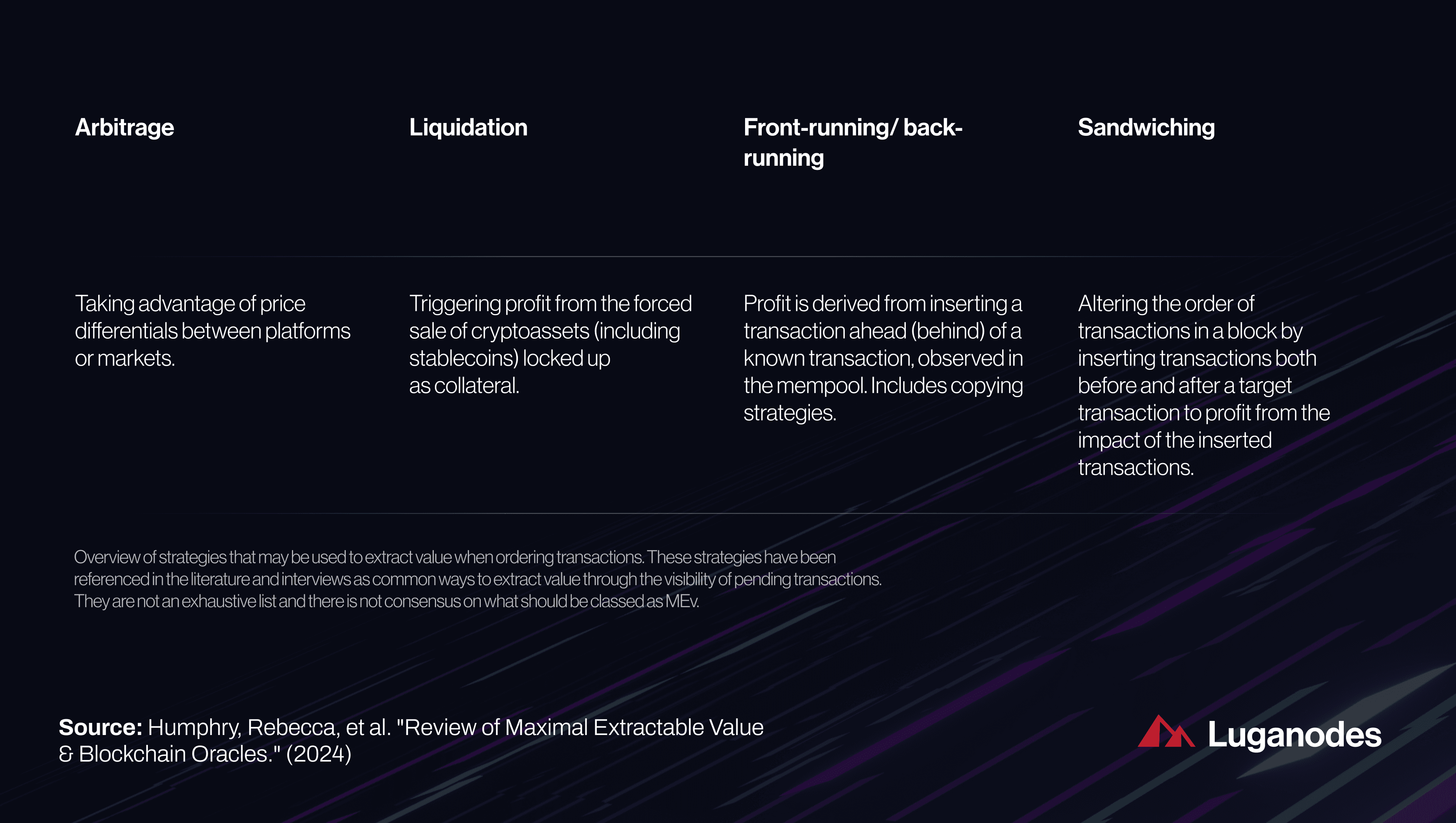
Align MEV incentives: Structure rewards to minimize MEV extraction, promoting fairness across rollups as seen in shared sequencing designs.
-
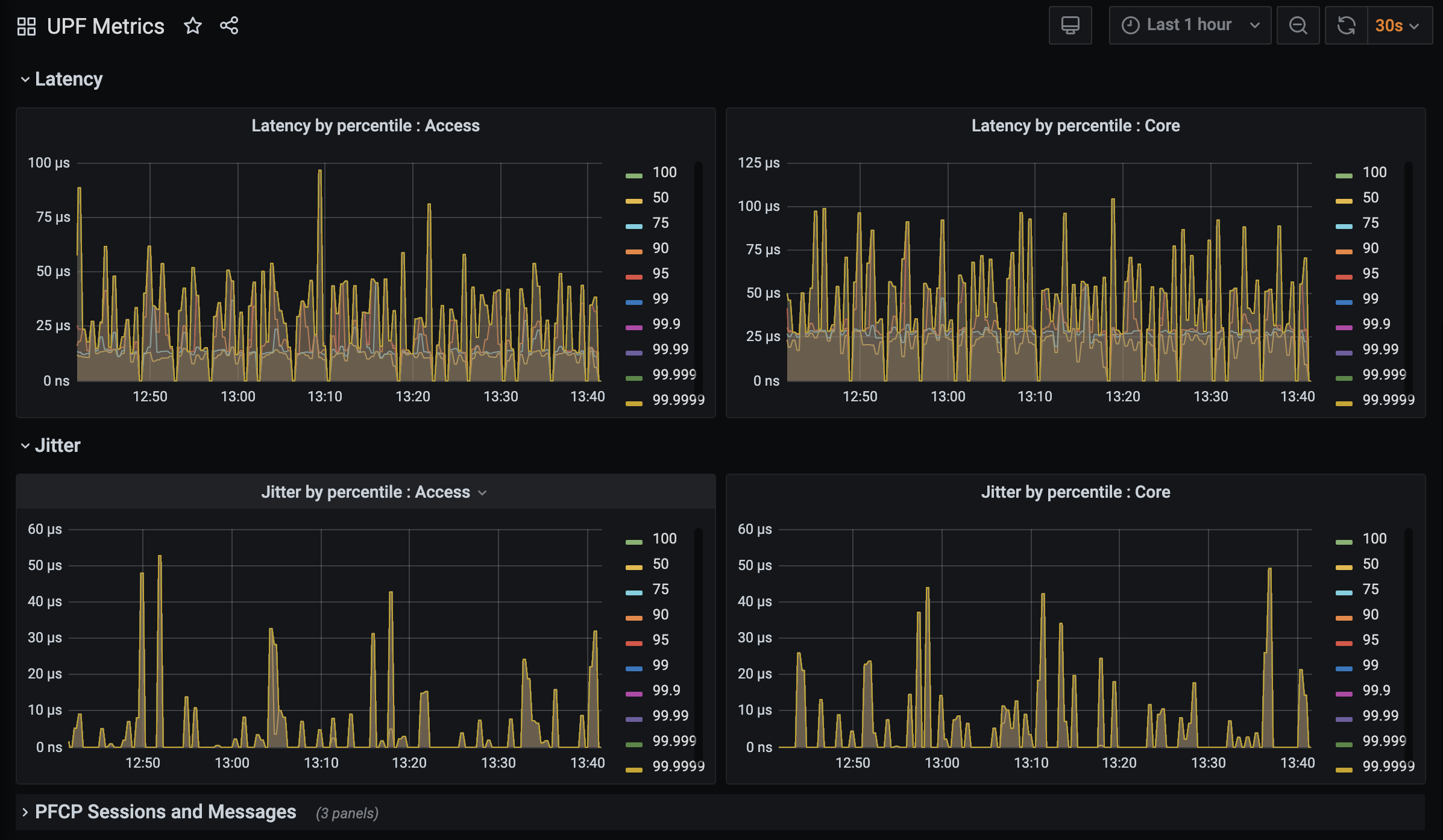
Monitor cross-chain latency: Track interoperability metrics, utilizing tools like Polymer Hub, to ensure low-latency atomic composability.
Polkadot’s shared security offers a comparative lens, though rollups retain Ethereum settlement for purists. Shared sequencers edge ahead in modularity, avoiding monolithic designs. Alchemy’s frontrunners – Espresso, Astria, and emerging networks – signal 2025 as inflection point, but only if risks stay hedged.
Outlook for Ethereum Rollup Networks
Looking ahead, cross-rollup interoperability hinges on these networks scaling without fractures. Polymer Hub’s launch underscores real-time feasibility, while Solana infusions like Rome challenge Ethereum purism productively. As advisor, I see shared sequencing not as panacea, but calibrated evolution: it defragments liquidity, empowers developers, and fortifies against centralization creep. Projects embracing this – with rigorous risk overlays – position for dominance in modular futures. Rewards await those who manage the path prudently, turning fragmentation’s trap into interoperability’s triumph.
About the Author