
In the high-stakes arena of Ethereum scaling, rollup operators face a relentless pressure to deliver sub-second finality while juggling fragmented liquidity and soaring MEV risks. With Ethereum's native token trading at $2,081.85, down 4.51% over the past 24 hours, the network's L2 ecosystem demands innovations that don't just patch problems but redefine efficiency. Enter cross-rollup sequencing, a shared sequencing layer poised to slash latency by 50% for operators, fostering true rollup interoperability without sacrificing sovereignty.
Rollup operators today navigate a landscape where each chain's independent sequencer creates silos. Transactions hopping between Optimism, Arbitrum, or Base often incur delays exceeding seconds, fragmenting user experience and inflating costs. Centralized sequencers dominate major L2s for their simplicity, yet they breed censorship vulnerabilities and single points of failure, as highlighted in deep dives from Orochi Network. Meanwhile, cross-rollup MEV lurks as the unsolved riddle, with independent ordering preventing profitable bundling across chains.
Decoding the Sequencer Centralization Trap
Most L2 projects cling to centralized sequencers, prioritizing user-friendliness over resilience. This choice stems from practicalities: lower costs, faster deployment, and predictable performance. But it extracts a hidden toll. Low-latency rollups, finalizing in 200ms to 2 seconds, turn MEV extraction into a brutal arms race, per arXiv research on revert-based MEV. Operators watch as searchers flood their endpoints, spiking infrastructure bills without shared upside.
Fragmentation amplifies the pain. Cross-rollup transactions demand bridges or relayers, introducing settlement delays and exposure to exploits. Liquidity pools splinter, eroding capital efficiency. As rollups proliferate, this balkanization threatens Ethereum's modular vision. Operators crave rollup interoperability solutions that unify without merging sovereignty.
Current L2 Sequencer Challenges
| Challenge | Details |
|---|---|
| ⚠️ Centralized Risks | Censorship, Single Point of Failure (SPF) |
| ⚠️ Latency Silos | Independent ordering: 2-5s cross-chain delays |
| ⚠️ MEV Fragmentation | Siloed MEV: Missed capture opportunities |
Shared Sequencing Ethereum: The 50% Latency Revolution
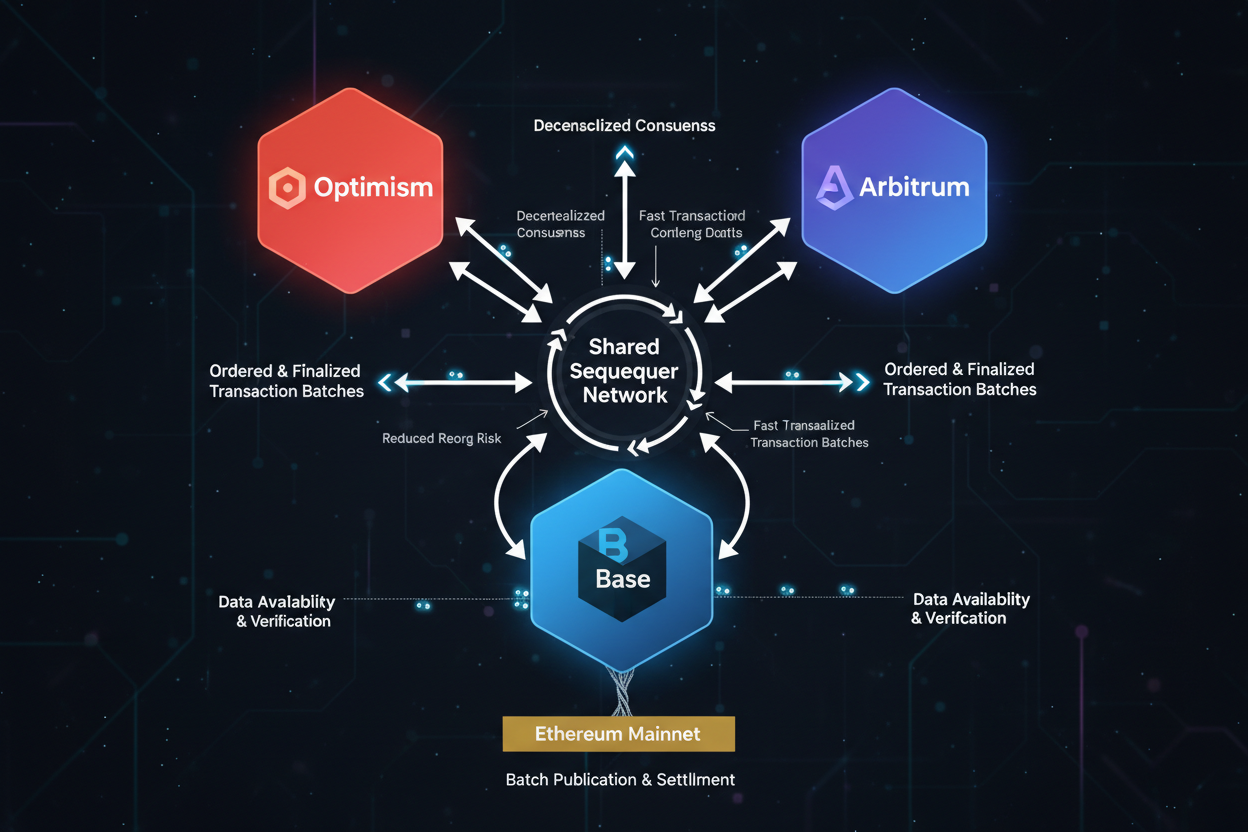
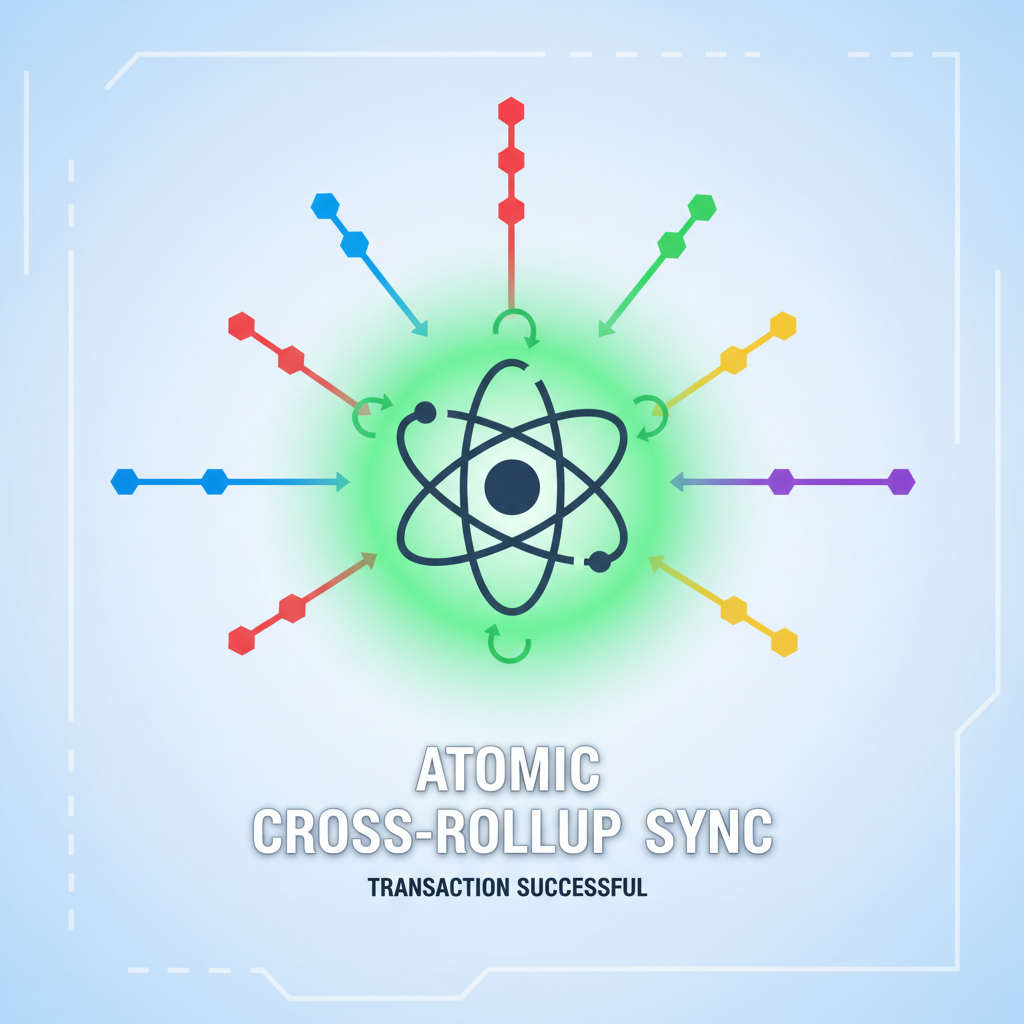
Shared sequencing Ethereum flips the script by pooling transaction ordering across rollups into a decentralized network. Sequencers compatible with diverse rollup techs - think Espresso Systems or Astria - batch and order payloads collectively. Transactions gain atomicity: a cross-rollup swap either executes fully or reverts entirely, no partial failures.
The latency math is compelling. Traditional paths route through L1 or bridges, adding 1-10 seconds. Shared layers streamline to under 500ms end-to-end, a 50% cut for operators. Liveness and censorship resistance hold firm; rollups post data independently, retaining data availability control. ScienceDirect models underscore this: a shared sequencer set services multiple chains, scaling benefits exponentially as adoption grows.
Operators unlock ethereum rollup latency reduction while capturing cross-domain MEV. More rollups on the network mean richer bundles - arbitrage across DEXs on different L2s becomes seamless. Archetype Fund notes rising concerns, but with decentralized staking for sequencers, value accrues broadly, not to lone actors.
Ethereum (ETH) Price Prediction 2027-2032
Predictions incorporating L2 scaling advances like cross-rollup sequencing and shared sequencers, with short-term bearish to $1,950 and mid-term rebound to $2,500
| Year | Minimum Price | Average Price | Maximum Price |
|---|---|---|---|
| 2027 | $1,950 | $2,500 | $3,500 |
| 2028 | $2,300 | $3,200 | $5,000 |
| 2029 | $2,800 | $4,000 | $6,500 |
| 2030 | $3,500 | $5,200 | $8,500 |
| 2031 | $4,500 | $7,000 | $11,000 |
| 2032 | $6,000 | $9,500 | $14,000 |
Price Prediction Summary
Ethereum faces short-term bearish pressure dipping to $1,950 but is set for a robust rebound driven by L2 innovations like cross-rollup sequencing, which cuts latency by 50% and enhances interoperability. Average prices are projected to climb progressively from $2,500 in 2027 to $9,500 by 2032, with maximum potentials reaching $14,000 amid bullish adoption and market cycles.
Key Factors Affecting Ethereum Price
- L2 scaling via shared sequencers reducing MEV and latency
- Increased rollup interoperability enabling atomic cross-chain txns
- Market cycles post-BTC halvings and Ethereum upgrades
- Regulatory clarity boosting institutional adoption
- Competition from Solana/others balanced by ETH's L2 dominance
- Macro factors like interest rates and DeFi growth
Disclaimer: Cryptocurrency price predictions are speculative and based on current market analysis. Actual prices may vary significantly due to market volatility, regulatory changes, and other factors. Always do your own research before making investment decisions.
Navigating Cross-Rollup MEV with Unified Ordering
Cross-rollup MEV haunts 2026 forecasts, labeled the 'unsolved problem of shared sequencing' by Modexa. Independent rollups miss atomic opportunities: a liquidation on one chain can't sandwich with a refill on another. Shared layers expose these, boosting ecosystem TVL but demanding fair redistribution.
Strategic operators position now. By integrating shared sequencers, they mitigate the latency race, reduce revert spam, and tap MEV via auctions or pro-rata rewards. Cube Exchange highlights enhanced decentralization: no single entity dictates order, yet coordination thrives. HackMD simulations predict cross-domain MEV from endgame inputs, arming operators with foresight.


Zeeve argues this preserves security, performance, and cost parity with decentralization intact. For rollup operators, it's a pivot from reactive ops to proactive revenue streams, aligning with Ethereum's $2,081.85 valuation trajectory amid scaling maturation.
Operators who embrace MEV capture rollups through shared layers stand to redefine their competitive edge. Maven 11 emphasizes how these networks deliver liveness and censorship resistance, with rollups posting data to their own DA layers. Sovereignty intact, operators gain from collective ordering without the baggage of centralization.
Rollup Operators' Playbook: Integrating Shared Sequencing
Transitioning to cross-rollup sequencing demands deliberate strategy, not hasty overhauls. Operators must weigh sequencer compatibility, staking economics, and integration timelines. The payoff? Slashed operational latency, unified liquidity pools, and a slice of burgeoning cross-domain MEV. With Ethereum holding at $2,081.85 despite recent dips, L2 innovations like these signal resilience, drawing institutional capital back to the ecosystem.
Unlock 50% Latency Cuts: Integrate Shared Sequencers in 5 Strategic Steps
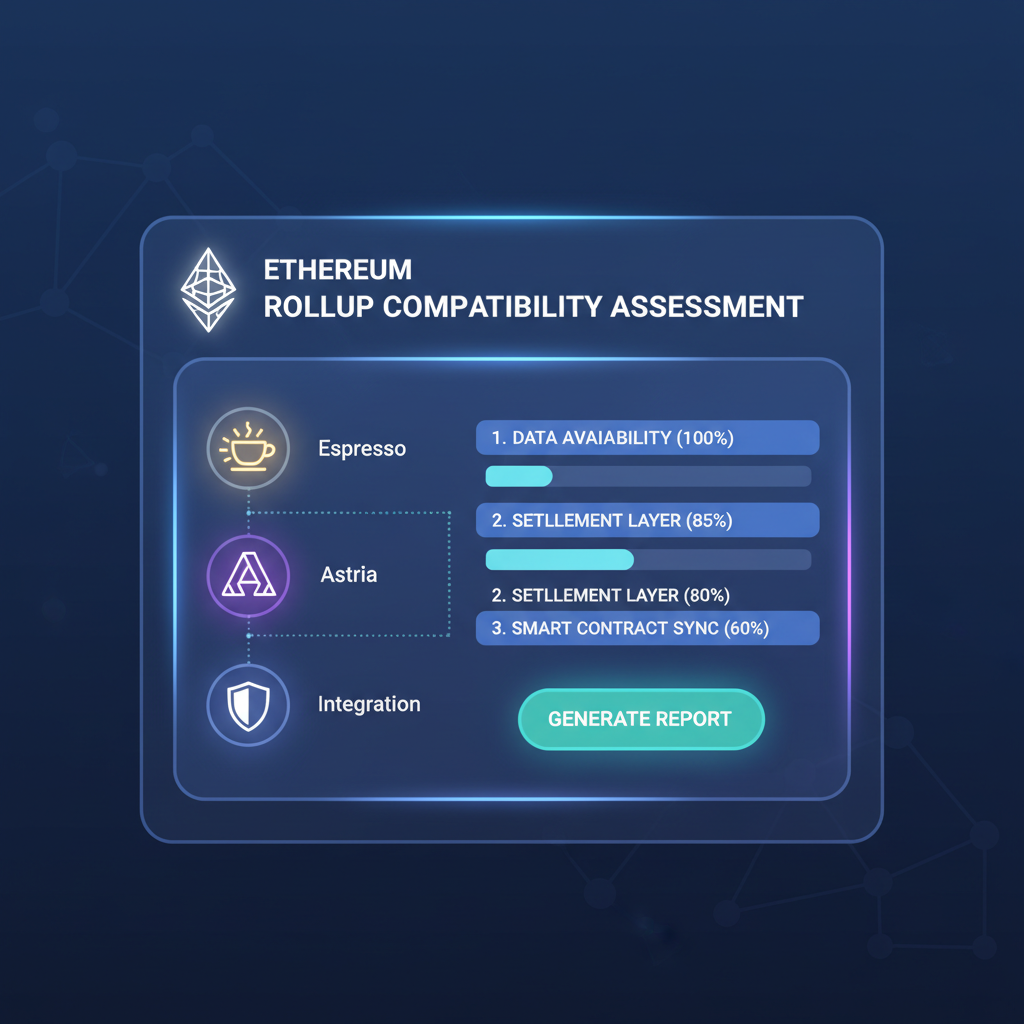
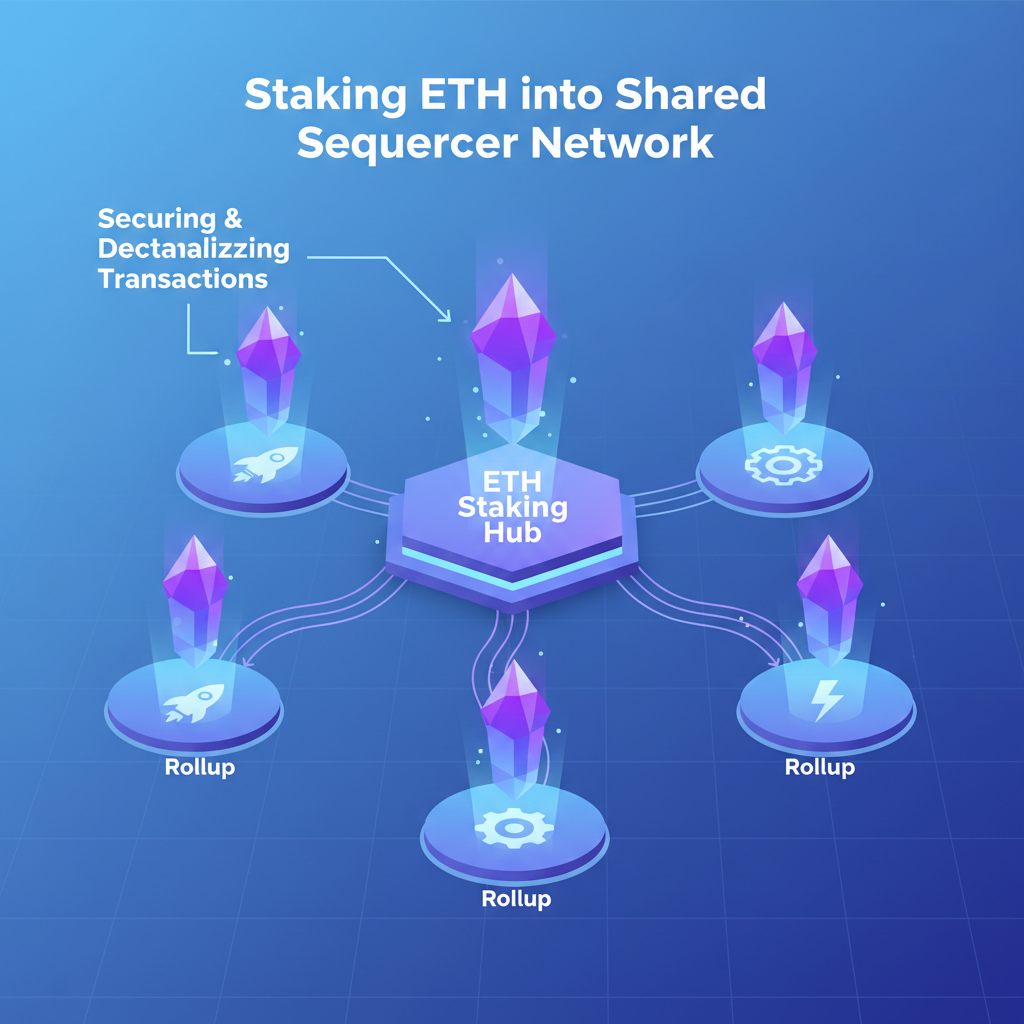
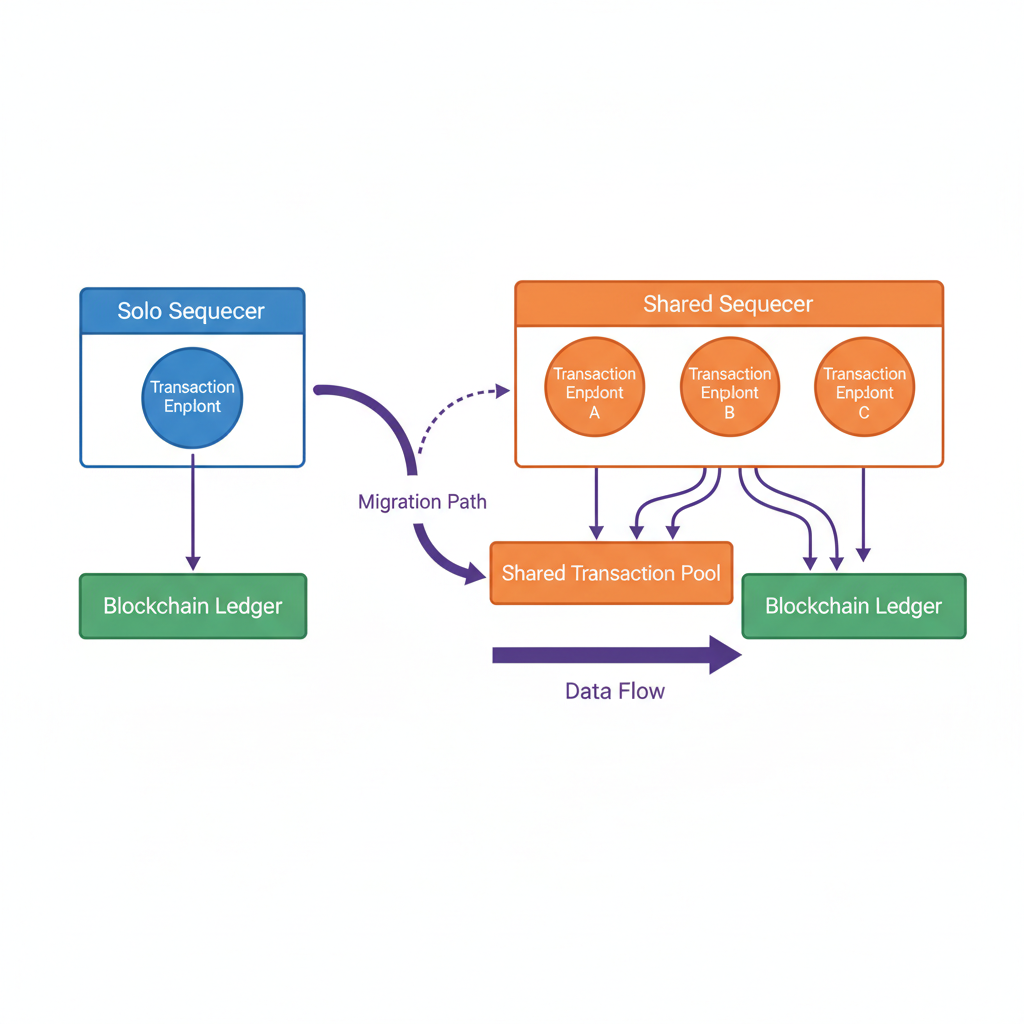

Start with auditing current sequencer setups. Centralized models, while convenient, expose operators to regulatory scrutiny and outage risks. Decentralized shared networks distribute these loads across staked nodes, akin to a permissionless relay service. ScienceDirect outlines expansion models where sequencers serve diverse rollups, amplifying throughput as chains join.
Next, consider the MEV dynamics. As Archetype Fund observes, denser networks unlock more extractable value, but decentralized designs via pro-rata redistribution prevent monopolies. Operators can simulate outcomes using tools from HackMD, forecasting rollup interoperability solutions impacts on their TVL. Low-latency finality curbs revert spam, stabilizing infra costs even in volatile markets like today's 4.51% ETH pullback.
| Metric | Current Siloed Rollups | Shared Sequencing |
|---|---|---|
| Cross-Rollup Latency | 2-10s | and lt;500ms |
| MEV Capture | Siloed | Cross-Domain Atomic |
| Censorship Risk | High (Centralized) | Low (Decentralized) |
| Operator Revenue | Infra Costs Only | MEV Rewards and Efficiency |
This table crystallizes the shift. Operators trading at $2,081.85 ETH levels see amplified incentives: reduced latency draws dApps, boosting sequencer fees. Zeeve positions shared sequencing as the decentralization sweet spot, preserving performance without security trade-offs.
2026 Horizon: Ethereum's Unified Rollup Future
By 2026, Modexa's headaches - fragmented MEV, interoperability friction - fade under shared sequencer dominance. Cube Exchange envisions cross-chain composability rivaling L1 seamlessness, with operators as pivotal architects. Fast-finality rollups evolve beyond latency races; unified ordering tames MEV into productive yields.
Strategic operators pilot now. Early adopters like those eyeing Espresso gain first-mover advantages in liquidity aggregation and MEV marketplaces. As Ethereum's modular stack matures, cross-rollup sequencing emerges not as a fix, but the foundational weave binding rollups into a scalable tapestry. With ETH at $2,081.85, down yet poised, this layer unlocks the next efficiency epoch, rewarding visionaries who sequence ahead of the curve.
Fragmentation's era yields to cohesion. Rollup operators, armed with shared layers, cut latency by 50%, capture elusive MEV, and propel Ethereum toward trillion-dollar throughput. The sequencer network beckons - join it, or watch unified rivals eclipse.




No comments yet. Be the first to share your thoughts!