
As Ethereum's Layer 2 ecosystem explodes in 2026, with over 55 rollups competing for liquidity, the pain of fragmented transaction ordering is hitting dApp builders and traders like me hard. I've been swing trading momentum plays across these chains for years, and nothing kills a good entry like cross-rollup sequencing delays that turn a quick arbitrage into a missed opportunity. Enter shared sequencers - the game-changer unifying Ethereum L2 interoperability and slashing latency from minutes to milliseconds. With ETH holding steady at $1,994.13 despite a 1.17% dip, this tech isn't just theory; it's powering the next wave of modular blockchains.
Picture this: you're eyeing a momentum swing between Arbitrum and Optimism. In the old world, each rollup's isolated sequencer batches transactions separately, leading to interleaving orders, spam risks, and MEV headaches that fragment liquidity. Teams are already bracing for 2026's top 10 cross-rollup MEV challenges, from atomicity failures to censorship in auctions. But shared sequencing flips the script by creating a single linear order across L1 and L2s for any slot, enabling true synchronous composability.
Why Rollup Fragmentation is Bleeding Liquidity and Speed
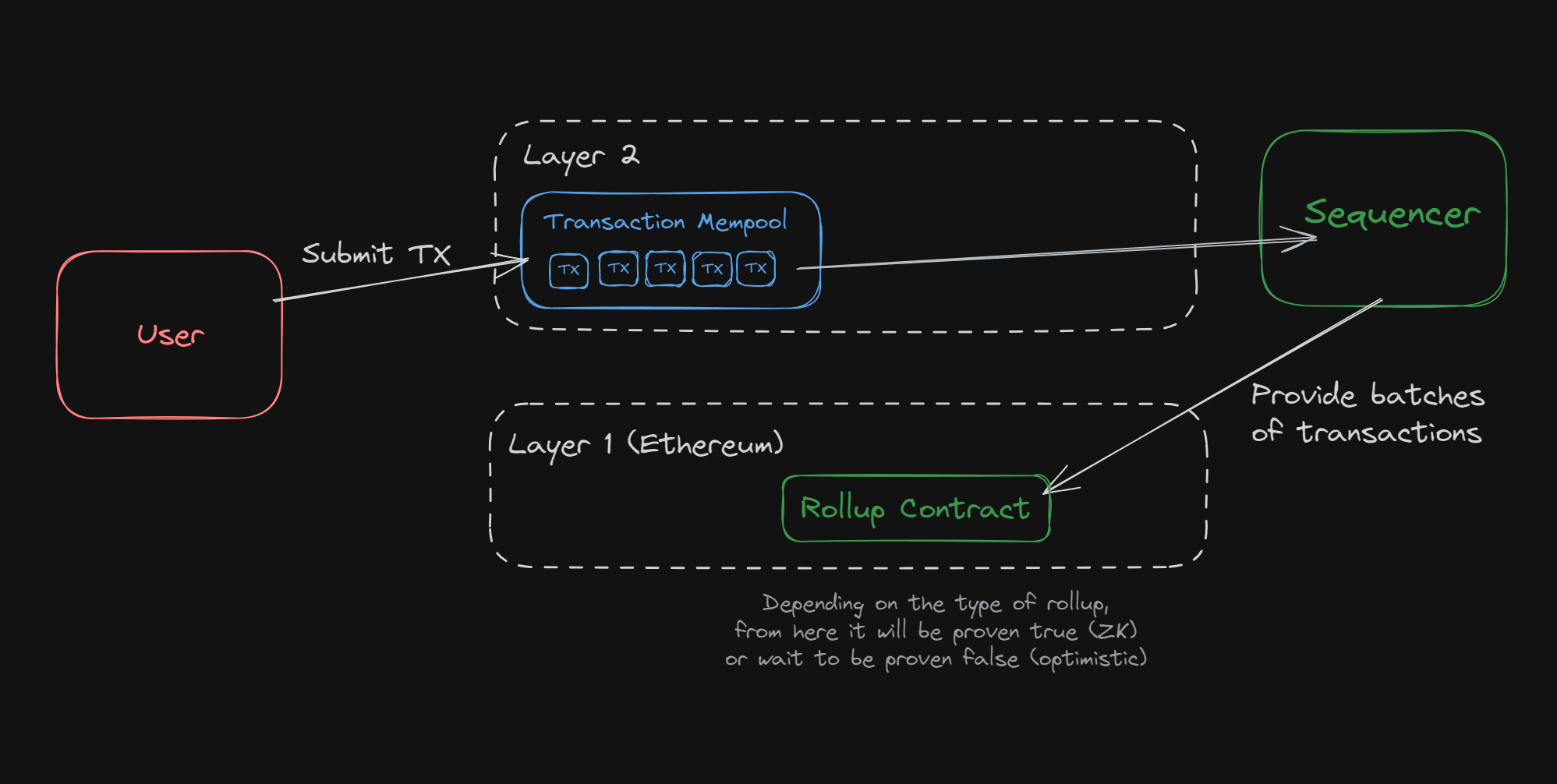
Right now, most L2s lean on centralized sequencers, creating silos that inflate costs and latency. A simple cross-rollup transaction? It hops bridges, waits for batch proofs, and eats gas fees that add up fast. Prover latency in ZK-rollups and sequencer centralization only compound this. I've seen trades fizzle because liquidity doesn't flow seamlessly - $42 billion sits trapped across chains, per recent Ethereum Interoperability Layer talks.
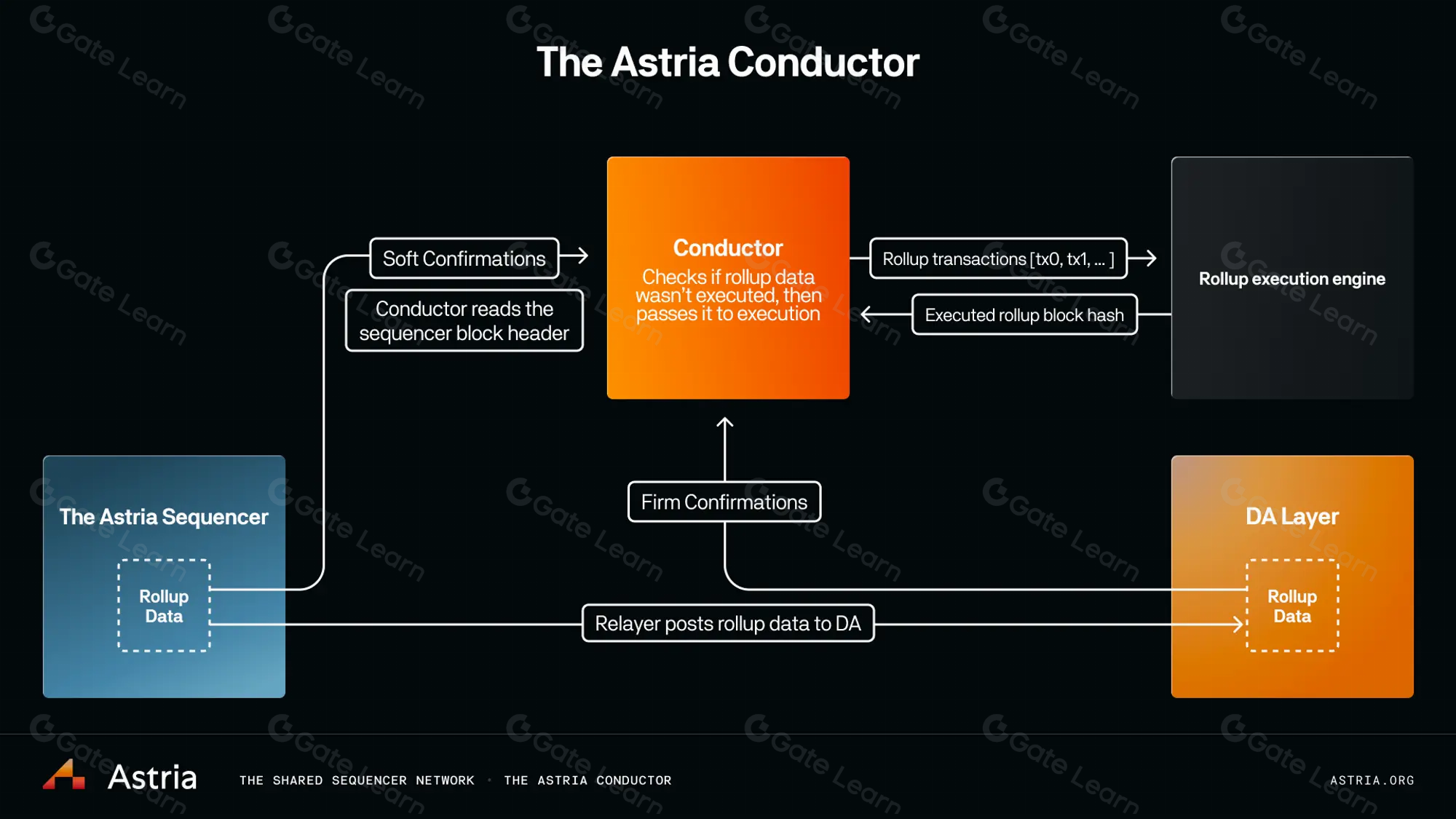
Decentralized alternatives like Astria's Shared Sequencer Network and Espresso Systems' marketplace are stepping up. These act as middleware blockchains, aggregating transactions from multiple rollups into one block without executing them. The result? Replaced isolated domains with a common one, cutting Ethereum L2 latency reduction dramatically. Check out how shared sequencers solve fragmentation in rollup ecosystems - it's practical gold for operators.

Unpacking the Shared Sequencer Magic
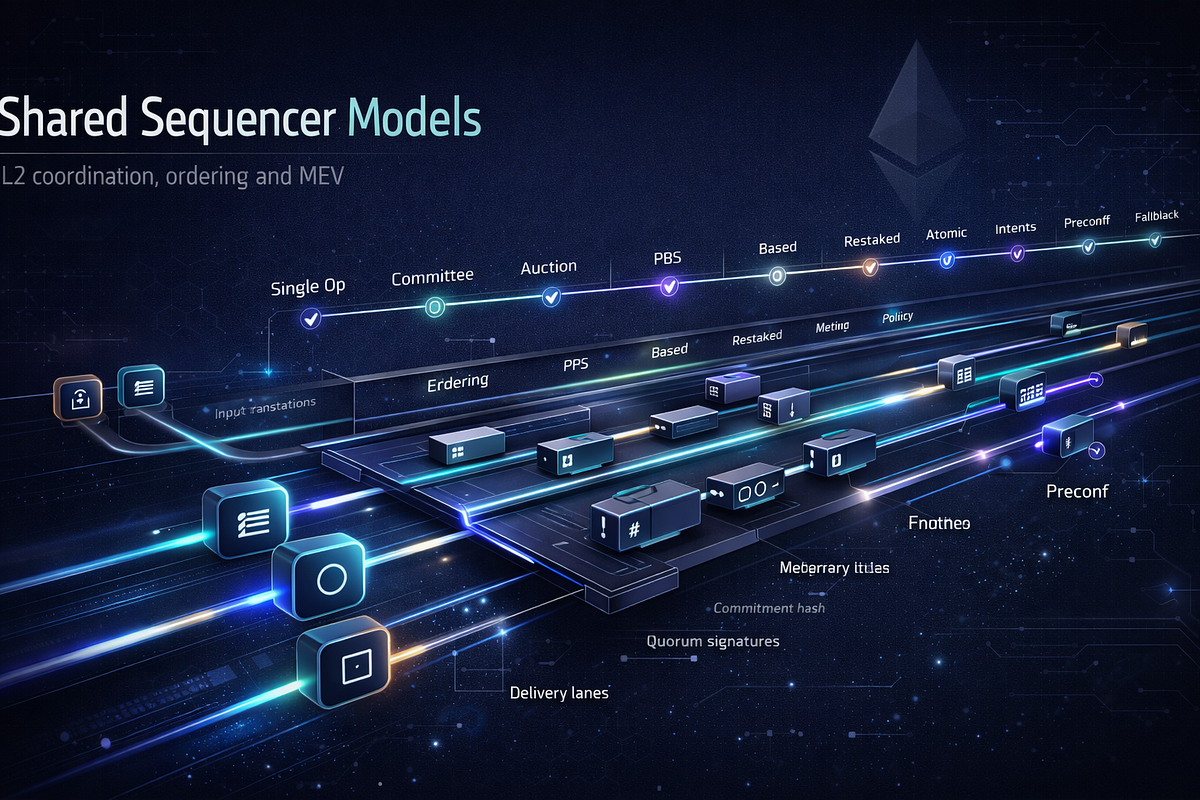
At its core, a shared sequencing layer is a transaction-ordering service multiple rollups tap into. One sequencer builds the block for all, defining atomic, non-interleaving execution. This unlocks rollup interoperability 2026 visions, like atomic cross-rollup trades in the OP Stack. No more waiting for intents or clunky bridges; intents settle in real-time.
Projects like Astria aggregate and order without execution, while Espresso's marketplace incentivizes competition among sequencers. Benefits stack up: minimized spam, better MEV capture for rollups, and censorship resistance as we shift to decentralized models. For traders, this means unified L2 liquidity - my multi-timeframe analysis finally syncs across chains without noise.
In 2026, Ethereum L2 solutions have officially become the settlement layer, thanks to atomic cross-rollup composability.
Learn more on how shared sequencers enable atomic trades.
Tangible Wins: Latency Slashed, Costs Plummeting
Numbers don't lie. Shared sequencers can drop cross-rollup latency by 90%, per Ethereum Research on realtime composability. Costs? Unified ordering cuts redundant batching overhead, funneling savings back to users. MEV, that sneaky profit extractor, gets democratized - no more rollup-specific auctions leaving value on L1.
Layer 2 adoption predictions for 2026 highlight rollups, data availability, and modular architectures driving this. AI agents thriving on low-latency chains? Check. As a CMT-certified trader, I see MEV capture rollups boosting ETH's value capture, with liquidity unification riding the swings.
Ethereum (ETH) Price Prediction 2027-2032
Forecasts incorporating cross-rollup sequencing advancements, L2 interoperability growth, shared sequencer adoption, and reduced latency/costs from 2026 baseline of ~$1,994
| Year | Minimum Price | Average Price | Maximum Price | YoY % Change (Avg from Prev) |
|---|---|---|---|---|
| 2027 | $2,200 | $3,000 | $4,500 | +50% |
| 2028 | $2,800 | $4,500 | $7,500 | +50% |
| 2029 | $3,500 | $6,500 | $11,000 | +44% |
| 2030 | $4,500 | $9,500 | $16,000 | +46% |
| 2031 | $6,000 | $13,500 | $23,000 | +42% |
| 2032 | $8,000 | $19,000 | $32,000 | +41% |
Price Prediction Summary
ETH prices are projected to grow steadily from 2027-2032, driven by L2 scalability via shared sequencers and interoperability, with average prices potentially reaching $19,000 by 2032 amid bullish adoption. Minimums account for bearish cycles and regulatory hurdles; maximums reflect peak network effects and market euphoria.
Key Factors Affecting Ethereum Price
- Widespread shared sequencer adoption (e.g., Astria, Espresso Systems) enabling atomic cross-rollup composability and cost/latency reductions
- Ethereum Interoperability Layer (EIL) unifying 55+ L2s and $42B liquidity
- Transition to decentralized sequencers addressing censorship and centralization risks
- Layer 2 dominance boosted by AI agents, modular architectures, and rollup proliferation
- Market cycles, regulatory clarity on DeFi/L2s, and competition from Solana/Base influencing volatility
- Technical upgrades enhancing throughput to millions of TPS, supporting real-world use cases
Disclaimer: Cryptocurrency price predictions are speculative and based on current market analysis. Actual prices may vary significantly due to market volatility, regulatory changes, and other factors. Always do your own research before making investment decisions.
Transitioning isn't seamless, though. Centralized holdouts pose risks, but initiatives like the Open Intents Framework are aggregating that $42B liquidity pool. The momentum is building.
Decentralizing sequencers is the next swing to ride. Projects like Espresso Systems are pioneering marketplaces where sequencers compete to build blocks for multiple rollups simultaneously, injecting healthy rivalry into the mix. This isn't just about speed; it's about fairness. No single entity calls all the shots, reducing censorship risks that could otherwise tank user trust.
Tackling 2026's Cross-Rollup MEV Nightmares Head-On
Let's get real about the headaches. As L2 adoption surges, teams face a gauntlet: interop latency spiking during peaks, atomicity breakdowns mid-trade, spam flooding shared lanes, and opaque auctions ripe for censorship. Cross-rollup MEV remains unsolved in many setups, where shared layers trade coordination for extra delays. But with a unified shared sequencing layer, these pains ease. A single order prevents interleaving, letting MEV flow back to rollups instead of evaporating into L1.
For swing traders like me, this means cleaner charts. Multi-timeframe setups across chains align without the noise of fragmented ordering. Imagine spotting momentum on Base and executing atomically on Arbitrum - no bridge slippage, just pure execution at $1,994.13 ETH levels.
Top 5 Shared Sequencer Benefits
- 1. Reduced Latency: Shared sequencers from Espresso Systems unify transaction ordering across rollups, cutting cross-rollup delays from minutes to seconds for faster dApp interactions and trader executions.
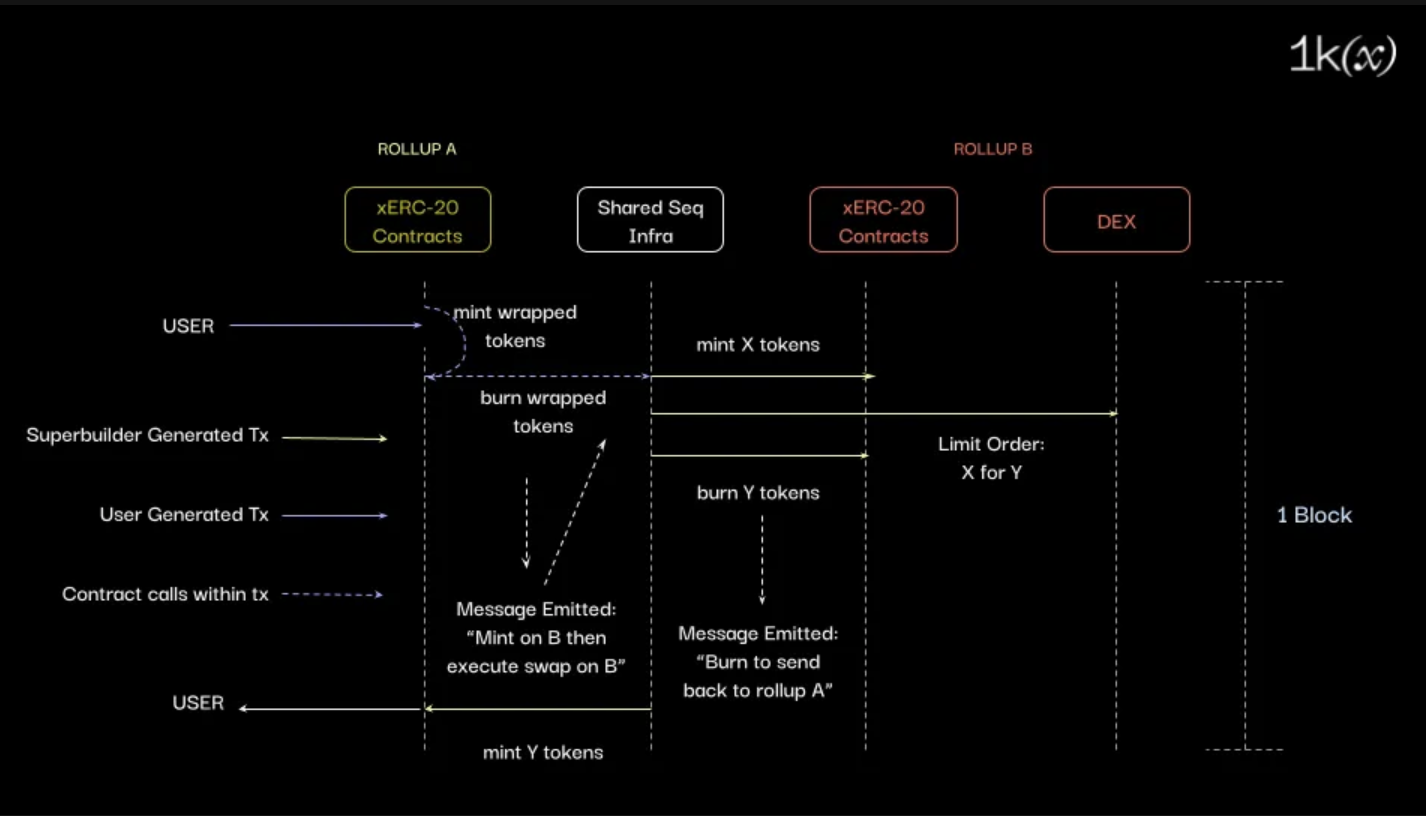
- 2. Atomic Composability: Astria's network enables atomic cross-rollup transactions with a single linear order, letting dApps compose actions seamlessly without interleaving issues.
- 3. MEV Redistribution: Fairly shares cross-rollup MEV via unified auctions, giving dApp builders and traders equitable access to profits instead of siloed capture.
- 4. Spam Mitigation: Filters spam at the shared sequencer level, protecting all connected L2s like Optimism and Arbitrum from junk transactions for smoother trading.
- 5. Unified Liquidity: Aggregates $42B+ in L2 liquidity via EIL, creating deeper pools for dApp users and traders without costly bridges.
Real-World Rollups Already Winning with Shared Sequencing
Astria's network stands out as a middleware powerhouse, ordering transactions sans execution to keep things lean. It's designed for rollups to plug in effortlessly, fostering that modular blockchain future. Meanwhile, the Superchain thesis pushes OP Stack rollups toward seamless interoperability. Dive into how shared sequencing transforms the Superchain - it's the blueprint for 2026 dominance.
ZK-rollups aren't left behind. While prover latency lingers, shared sequencers offload ordering, letting provers focus on proofs. The combo? Faster finality and cross-rollup composability that ZK enthusiasts have craved. Data from Chainscore Labs underscores why these innovations redefining L2 interoperability, especially as centralized models fade.
Costs plummet too. Redundant sequencing overhead vanishes, batching efficiency soars, and users pocket the savings. Layer 2 predictions peg modular architectures as the 2026 shaper, with AI agents demanding this low-friction environment to thrive. I've traded through enough cycles to know: unified liquidity at $42 billion unlocks swings that fragmented chains can't touch.
Trader's Playbook: Positioning for the Sequencing Boom
From my CMT lens, watch for rollups adopting shared sequencers first - they'll capture outsized MEV capture rollups and liquidity. Momentum plays shine here: enter on confirmed L2 unification news, scale out as latency metrics improve. ETH at $1,994.13 reflects steady scaling bets, but shared sequencing could ignite the next leg up.
Risks? Sure, adoption lags if sequencers centralize further. But Ethereum's EIL and OIF are corralling the ecosystem, turning 55 and rollups into a liquidity monolith. Spam and auctions need vigilant governance, yet decentralized incentives from Espresso-style markets handle that.
This shift feels like early DeFi days - clunky at first, explosive later. dApps get realtime intents, traders snag atomic cross-rollup transactions, and Ethereum cements L2 as the execution kingpin. Ride these swings smart, and the modular future pays off big.




No comments yet. Be the first to share your thoughts!