
The 2026 cross-rollup sequencing limits to account for
Cross-rollup sequencing in 2026 is no longer a theoretical concept; it is a production reality with specific friction points. While the promise of unified UX and shared sequencing architectures has driven significant development, the actual deployment landscape reveals distinct operational constraints. Teams are moving beyond isolated rollup silos, but the mechanics of coordinating transactions across different L2 environments introduce new layers of complexity that must be managed carefully.
The primary challenge lies in the tension between centralized efficiency and decentralized security. Most current cross-rollup solutions rely on shared sequencers to reduce latency and costs, effectively creating a bottleneck where a single entity orders transactions across multiple chains. This centralization introduces censorship risks and single points of failure, forcing protocols to choose between speed and trustlessness. As of 2026, the industry is still navigating this tradeoff, with most high-throughput applications opting for centralized sequencers despite the security implications.
Interoperability latency remains another critical constraint. Atomicity across rollups is not guaranteed by default; bridging assets or executing cross-chain swaps often involves asynchronous finality windows. This means that while a transaction may appear instant on the user interface, the underlying settlement on the destination rollup can take minutes or even hours depending on the bridge mechanism and security assumptions. Protocols must design around these delays, often requiring optimistic verification or fault proofs that add computational overhead and cost. The result is a fragmented user experience where "instant" is relative to the specific rollup pair involved.
Spam and MEV (Maximal Extractable Value) extraction have also intensified in a cross-rollup environment. Without a unified ordering mechanism, malicious actors can exploit timing differences between rollups to front-run transactions or engage in sandwich attacks. This has led to the emergence of specialized anti-MEV strategies and auction-based sequencing markets, which further complicate the infrastructure stack. Developers must now account for these economic incentives when designing cross-chain interactions, ensuring that their protocols remain resilient against coordinated attacks across the multi-rollup landscape.
Cross-rollup sequencing 2026 choices that change the plan
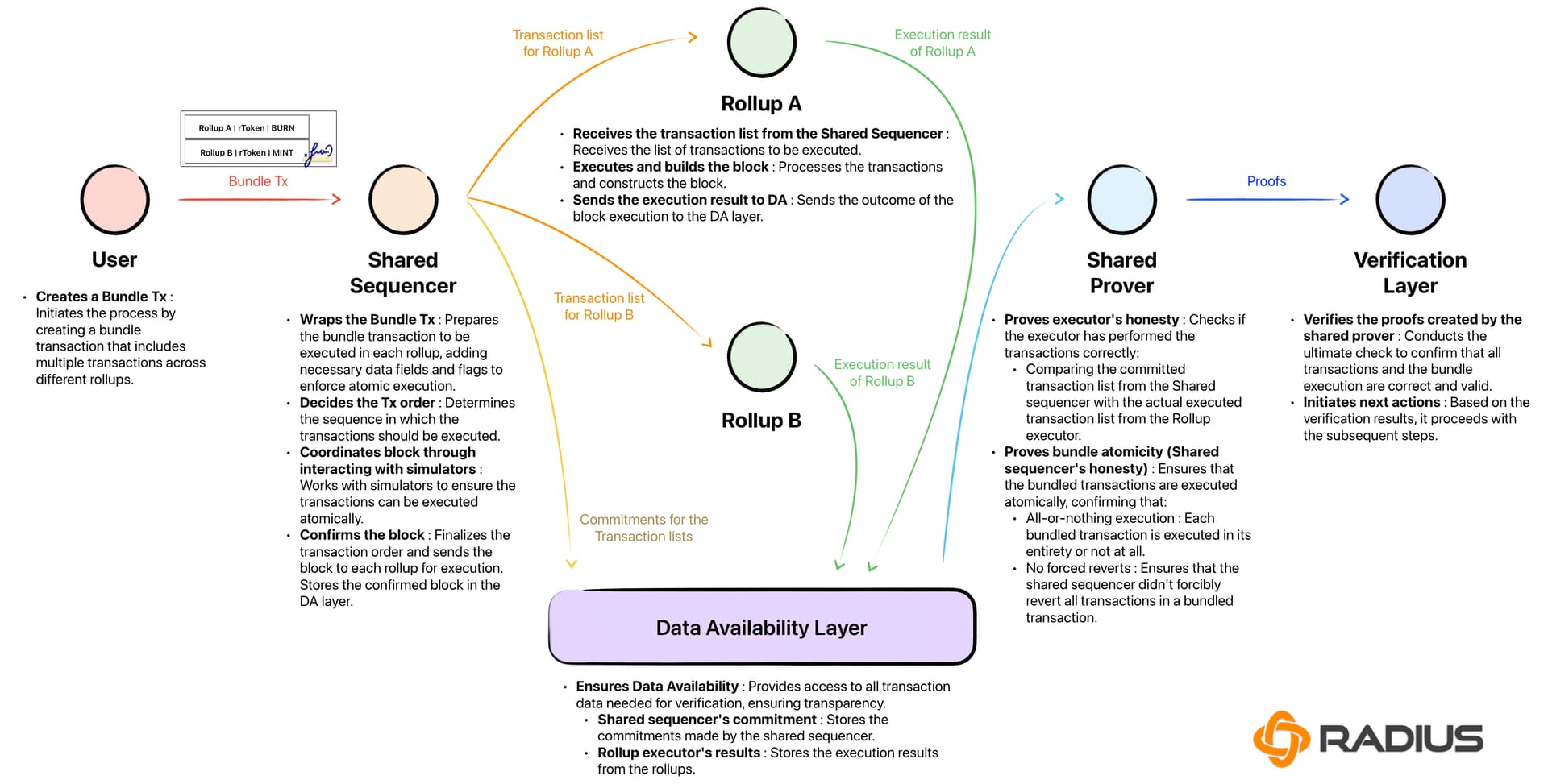
Cross-rollup sequencing promises to unify fragmented liquidity, but the path to that unified UX involves distinct architectural choices. Each approach balances atomicity, cost, and centralization differently. Understanding these tradeoffs helps you evaluate which model fits your specific use case.
| Model | Atomicity | Cost | Centralization |
|---|---|---|---|
| Shared Sequencer | High | Lower | Medium |
| Independent Sequencers | Low | Higher | Low |
| Hybrid Bridge | Medium | Medium | High |
| Rollup-as-a-Service | Variable | Higher | Medium |
The table above summarizes the core structural differences. A shared sequencer typically offers the best atomicity for cross-rollup trades, reducing the risk of failed state transitions. However, this often comes at the expense of some degree of centralization, as a single entity manages the ordering. Independent sequencers preserve decentralization but struggle with non-atomic arbitrage and higher latency.
RichList items for further evaluation
Key evaluation factors
-
Atomicity Guarantees
Check if the protocol ensures all legs of a cross-rollup transaction succeed or fail together. Partial failures can lead to stranded assets. -
Latency Tolerance
Evaluate how long the sequencing process takes. High latency can expose traders to MEV (Maximal Extractable Value) risks. -
Cost Efficiency
Compare the gas fees and bridge costs. Shared sequencers often reduce overhead by batching operations across rollups. -
Decentralization Level
Assess who controls the sequencer. Centralized actors can censor transactions, while fully decentralized models may be slower.
These factors are not mutually exclusive. Many emerging protocols in 2026 are experimenting with hybrid models that attempt to balance these competing priorities. The goal is to find a middle ground where users get the speed of centralized sequencers with the security guarantees of decentralized networks.
Choose the next step
Cross-rollup sequencing is shifting from theoretical research to production reality, but the path forward requires clear trade-offs. Shared sequencing offers speed and lower costs, yet it introduces centralization risks and latency challenges that teams must navigate carefully. To build a robust interoperable experience in 2026, you need a structured approach to selecting your sequencing strategy.
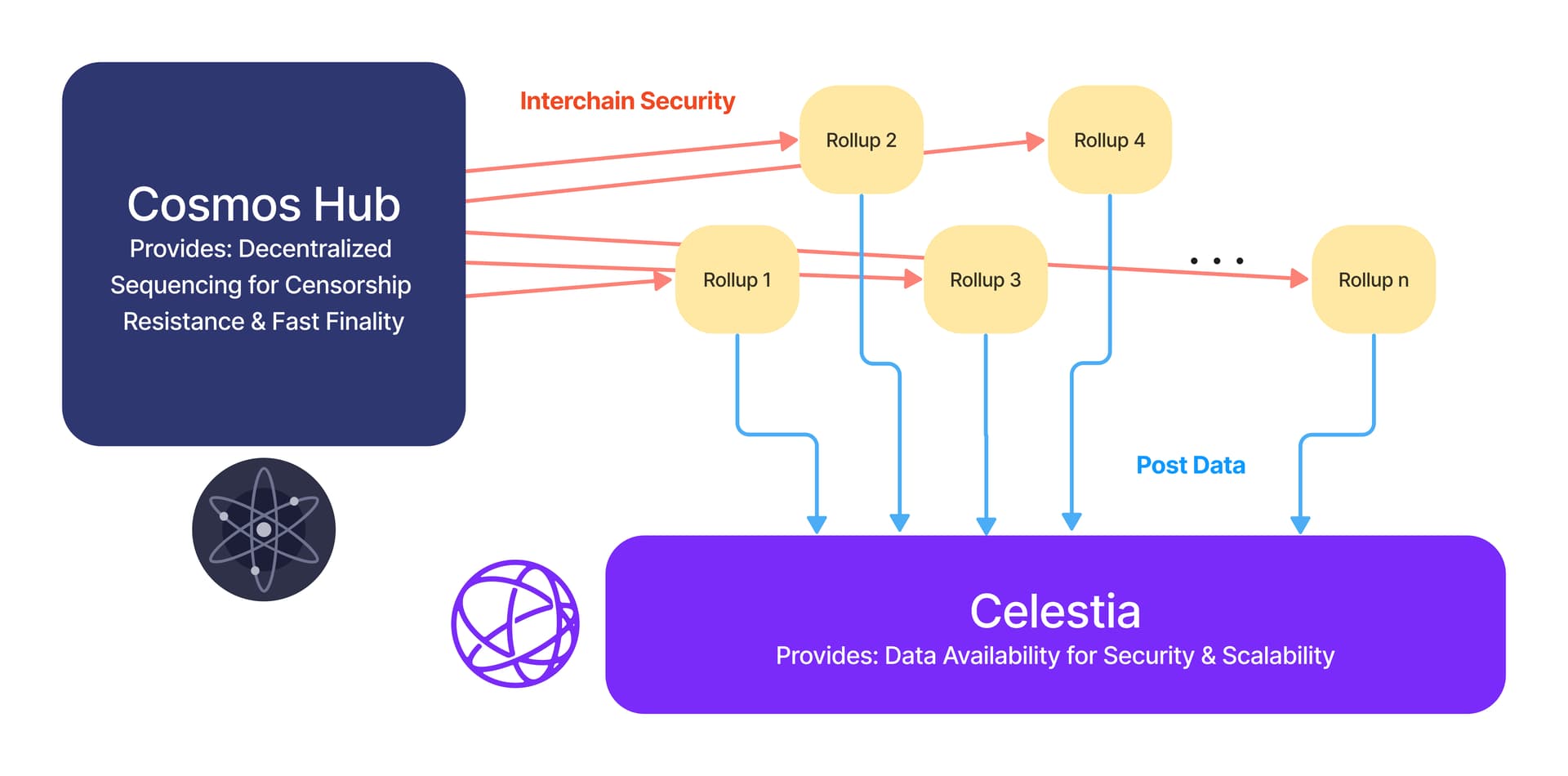
Map every transaction that touches multiple rollups. Identify which pairs require atomicity and which can tolerate finality delays. This audit reveals your true interoperability needs and prevents over-engineering solutions for non-critical paths.
Assess available shared sequencer networks like Celestia or specialized interop layers. Compare their latency guarantees, censorship resistance models, and current production adoption. Shared sequencing reduces friction but requires trust assumptions you must explicitly define.
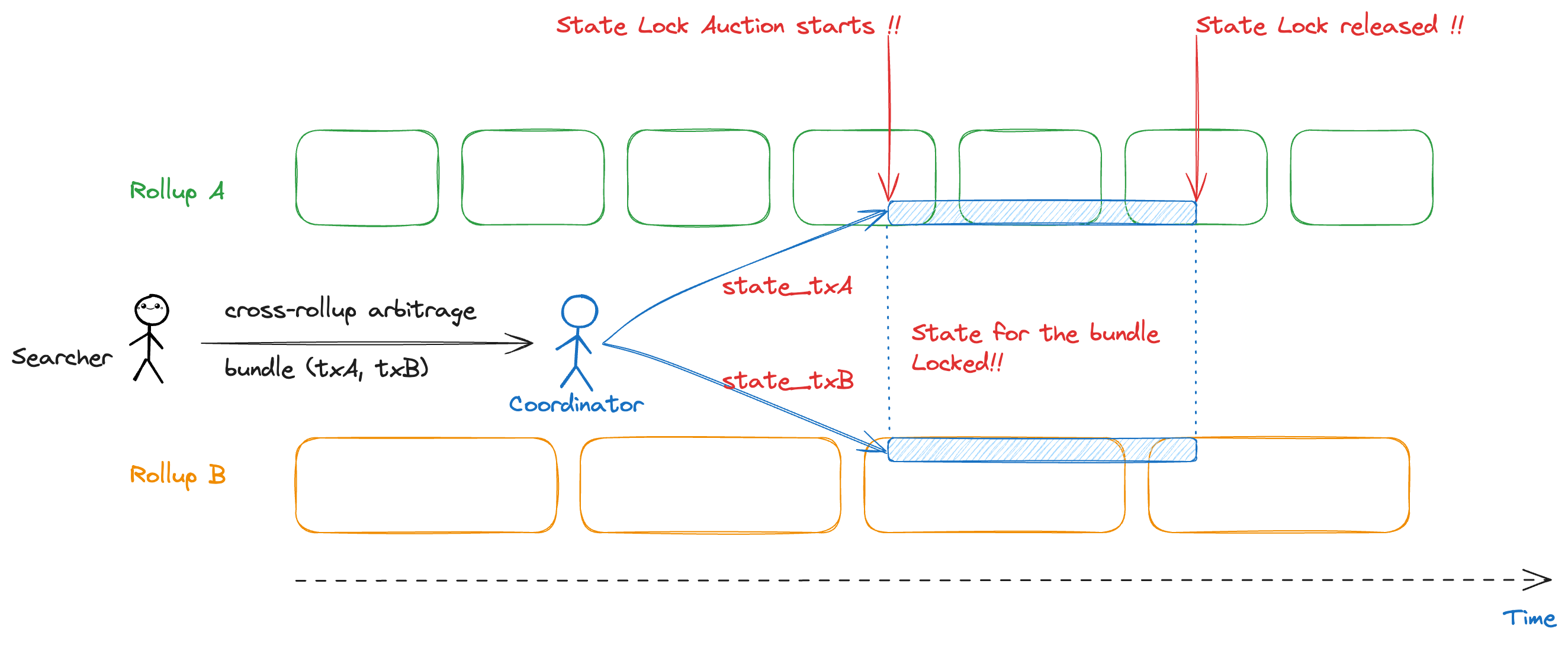
Implement cross-chain atomic swaps or optimistic verification mechanisms. Decide whether to rely on light client proofs, fraud proofs, or trustless bridges for each transaction pair. Atomicity design directly impacts user experience and security posture.
Run simulations under high-load conditions to identify front-running and sandwich attack vectors. Cross-rollup environments are particularly vulnerable to MEV extraction due to latency gaps. Implement fee auctions or private transaction pools to mitigate these risks.
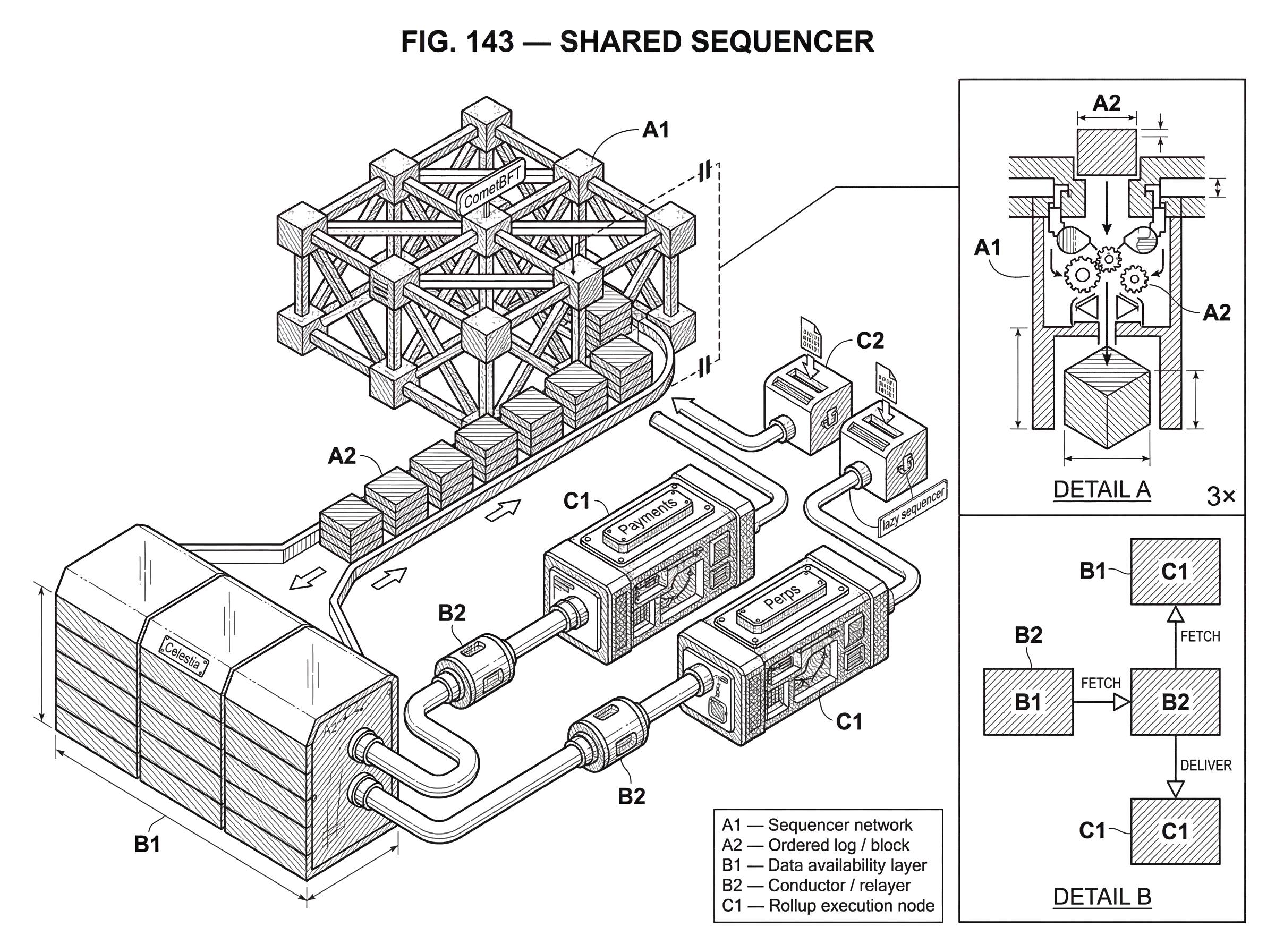
Launch cross-rollup features incrementally, starting with low-value, high-frequency transactions. Monitor latency, failure rates, and user drop-off before expanding to complex atomic operations. Phased deployment allows you to refine sequencing logic without exposing users to systemic risk.
This framework prioritizes practical decision-making over abstract theory. By following these steps, you can build cross-rollup infrastructure that balances performance, security, and user experience in the evolving L2 landscape.
Avoiding the Weak Options in Cross-Rollup Design
Shared sequencing promises unified UX, but several approaches collapse under the weight of 2026’s complexity. Identifying these weak options early saves significant development time.
Ignoring Atomicity Guarantees
Cross-rollup transactions require atomicity to prevent partial state updates. Without it, users face failed intermediate steps with no recovery path. Solutions that treat rollups as independent chains ignore the need for a shared settlement layer or robust interop protocols. Always verify that the sequencing engine can roll back the entire transaction if any single rollup fails.
Overlooking Interop Latency
Latency between rollups is not just a network delay; it is a state synchronization challenge. Weak architectures assume instant visibility of cross-rollup state, leading to race conditions. This is particularly dangerous for MEV extraction. Designers must account for the time it takes for state proofs to propagate across the shared sequencer. If the latency exceeds user patience thresholds, the UX advantage of unified interfaces vanishes.
Underestimating Spam Vectors
Shared sequencers introduce new spam vectors that isolated rollups do not face. Attackers can flood the shared path with low-value transactions to congest the entire ecosystem. Robust systems implement strict filtering and reputation-based queuing. Without these controls, the cost of maintaining the shared infrastructure outweighs the benefits of interoperability.
Cross-rollup sequencing 2026: what to check next
Cross-rollup sequencing aims to unify Layer 2 ecosystems under a single ordering layer, but the technology is still maturing. Here are the practical concerns developers and users face as shared sequencing moves from research to production.
No comments yet. Be the first to share your thoughts!