Spotting Sequencing Bottlenecks
When rollups operate in isolation, the network behaves like a series of disconnected islands. Transactions that span multiple chains must jump between these silos without a shared coordinate system. This fragmentation creates specific bottlenecks that degrade performance and drain user value. Identifying these symptoms is the first step toward adopting shared sequencing strategies.
Failed Cross-Rollup Transactions
The most visible symptom is transaction failure. Without atomic execution, a trade that requires moving assets from Arbitrum to Optimism might succeed on the source chain but fail on the destination. The user loses gas fees on the initial step, and the intended outcome is never realized. This lack of atomicity turns complex multi-chain operations into fragile, error-prone workflows.
MEV Leakage
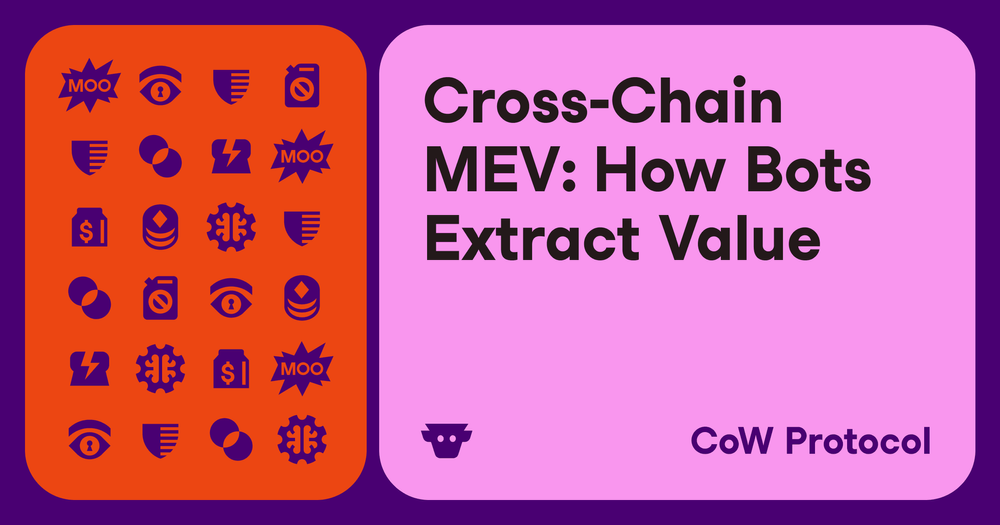
Isolated sequencers also enable significant value extraction by miners and validators. When rollups cannot see each other's mempool, arbitrageurs can exploit price discrepancies between chains before the market corrects itself. This cross-rollup MEV drains liquidity and reduces the effective yield for traders. Research indicates that non-atomic arbitrage opportunities persist precisely because sequencers lack a unified view of cross-chain demand.
Non-atomic execution in cross-rollup trades allows arbitrageurs to extract value that would otherwise be shared among participants, effectively taxing every failed or delayed cross-chain attempt.
Latency and Uncertainty
Finally, isolated sequencing introduces unpredictable latency. Users must wait for multiple confirmation rounds across different networks, each with its own block time and finality guarantees. This uncertainty makes real-time trading difficult and discourages the development of seamless multi-chain applications. The resulting friction is a clear signal that the current isolated model is unsustainable for complex DeFi interactions.
Shared sequencer models compared
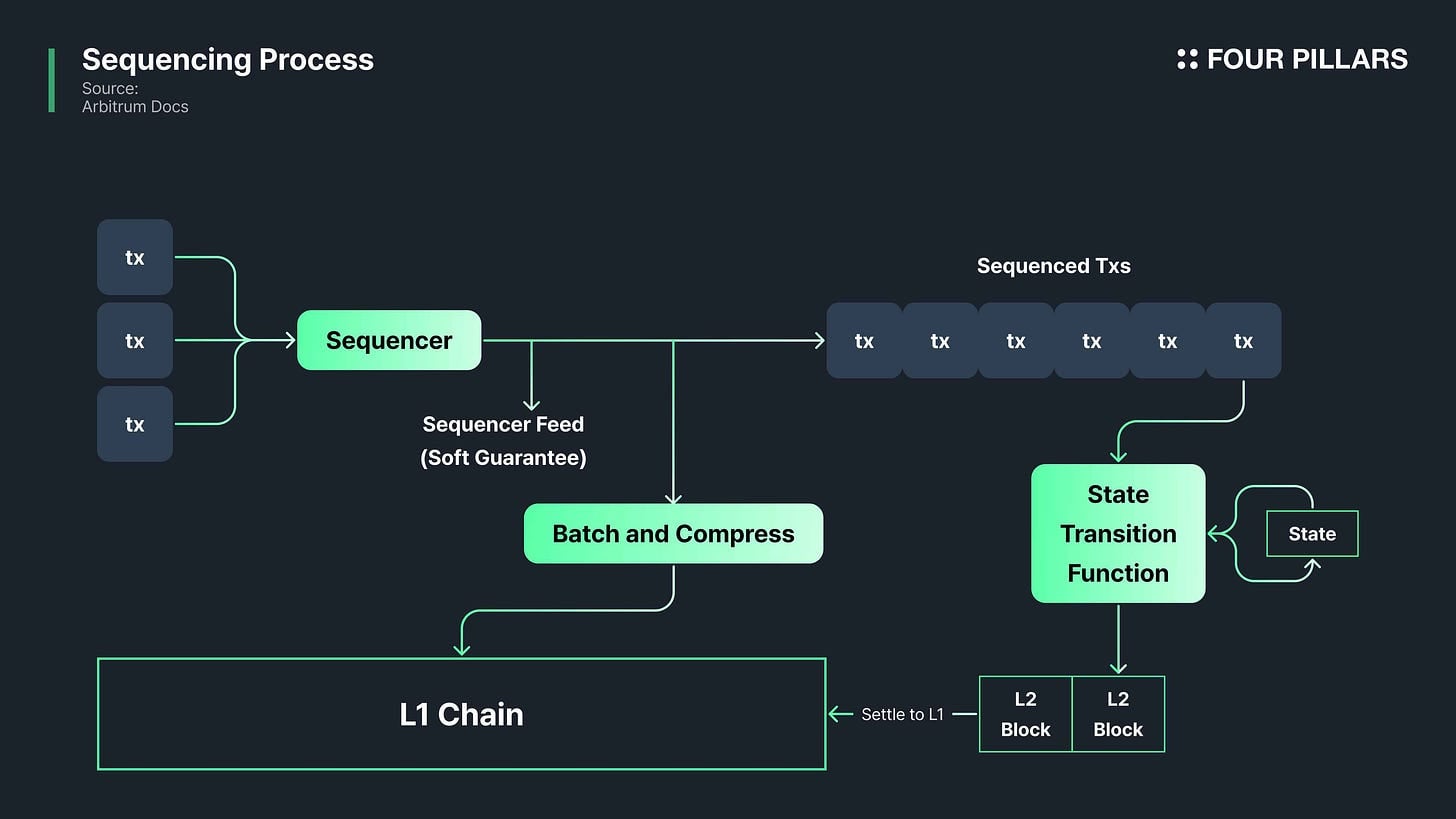
Cross-rollup sequencing solves the isolation problem by giving multiple rollups a common ordering layer. Without this shared layer, each rollup operates in its own silo, making atomic swaps and unified liquidity nearly impossible. The architecture of this shared layer defines the trade-offs between speed, cost, and trust.
The two dominant approaches are centralized shared sequencers and decentralized networks. Centralized models rely on a single operator or a small consortium to order transactions. This structure mimics traditional database performance, offering high throughput and low latency. However, it introduces a single point of failure and requires users to trust the operator not to censor transactions or reorder them for MEV extraction.
Decentralized shared sequencers distribute the ordering responsibility across a network of independent nodes. This approach eliminates the single point of failure and reduces trust assumptions, aligning with the permissionless nature of blockchain. The trade-off is complexity; coordinating multiple nodes often increases latency and operational costs compared to a centralized instance.
The table below compares the key architectural differences between these two models for cross-rollup sequencing.
| Feature | Centralized | Decentralized |
|---|---|---|
| Latency | Low (single path) | Higher (consensus overhead) |
| Throughput | High | Variable |
| Trust Assumption | High (trust operator) | Low (trust protocol) |
| Censorship Resistance | Low | High |
| Cost | Lower | Higher |
Atomic execution across rollups
Use this section to make the Cross-Rollup Sequencing Strategies for decision easier to compare in real life, not just on paper. Start with the reader's actual constraint, then separate must-have requirements from details that are merely nice to have. A practical choice should survive normal use, maintenance, timing, and budget. If a recommendation only works in an ideal situation, call that out plainly and give the reader a fallback path.
-
Verify the basicsConfirm the core specs, condition, and fit before comparing extras.
-
Price the downsideLook for the repair, maintenance, or replacement cost that would change the decision.
-
Compare alternativesCheck at least two comparable options before treating one listing as the benchmark.
Multi-chain arbitrage opportunities
Use this section to make the Cross-Rollup Sequencing Strategies for decision easier to compare in real life, not just on paper. Start with the reader's actual constraint, then separate must-have requirements from details that are merely nice to have. A practical choice should survive normal use, maintenance, timing, and budget. If a recommendation only works in an ideal situation, call that out plainly and give the reader a fallback path.
The simplest way to use this section is to write down the must-have criteria first, then compare each option against those criteria before weighing nice-to-have features.
Verify sequencer reliability and data availability
Cross-rollup sequencing relies on synchronized execution. If the ordering layer is fragmented or data is inaccessible, transactions stall or settle incorrectly. Before deploying capital across rollups, run this checklist to ensure the infrastructure can handle the load.
- Shared Sequencer Status: Confirm the rollups use a shared sequencer (like Cube or Avnu) to order transactions. Isolated sequencers create timing gaps that MEV bots exploit.
- Data Availability Layer: Verify that transaction data is published to a low-latency DA layer (like Celestia or Ethereum L1). Without immediate availability, finality is delayed.
- Sequencer Uptime: Check the historical uptime of the sequencer provider. Look for frequent drops or reorganizations, which indicate instability in the ordering process.
- Liquidity Depth: Ensure sufficient liquidity exists on both the source and destination rollups. Thin order books increase slippage during the cross-rollup transfer.
- Finality Time: Measure the time from transaction submission to final confirmation. If the delay exceeds your strategy’s threshold, the cross-rollup window may close before execution.
-
Shared sequencer active and synced
-
DA layer data published and verifiable
-
Sequencer uptime >99.9% over last 30 days
-
Liquidity depth >$100k on both sides
-
Finality time <5 seconds
Common sequencing: what to check next
When cross-rollup sequencing introduces bottlenecks, users typically encounter delayed transaction finality or unexpected MEV extraction. Understanding the mechanics helps isolate whether the issue stems from network congestion or protocol design.
For protocols considering implementation, the trade-off between speed and decentralization remains the primary technical hurdle. Evaluating the sequencer’s decentralization model is essential before committing to a specific architecture.
No comments yet. Be the first to share your thoughts!