Narrow down the sequencing problem
Cross-rollup MEV often masquerades as simple latency or failed transactions. Before optimizing your infrastructure, identify which specific sequencing bottleneck is degrading your user journey. The symptoms vary significantly depending on whether the issue lies in transaction ordering, state finality, or cross-chain message delivery.
Front-running and Sandwich Attacks
When transactions from different rollups are sequenced without atomic guarantees, arbitrageurs can detect your pending trades and insert competing transactions. This results in slippage that exceeds expected market variance. If your users report consistent, predictable loss of value on large swaps, the issue is likely shared sequencing exposure rather than network congestion.
Inconsistent State Finality
Users may see a transaction succeed on Rollup A but fail to reflect on Rollup B due to asynchronous bridge confirmations. This creates a "stuck" state where funds appear locked or unavailable. If your dashboard shows successful on-chain events but the frontend UI remains stale, the problem is likely a mismatch in finality assumptions between the two rollups.
Message Delivery Latency
Cross-rollup communication often suffers from delays in proving state transitions. If your application relies on real-time data synchronization between rollups, delays in proof submission can cause race conditions. Check your bridge contracts for high latency in proof verification; if the delay exceeds typical block times, the sequencing layer is likely the bottleneck, not the underlying rollup throughput.
Run these checks
Before deploying cross-rollup sequencing, verify your infrastructure against these diagnostic steps. This sequence targets the primary failure points in multi-device user journeys where AI-driven attribution typically breaks down.
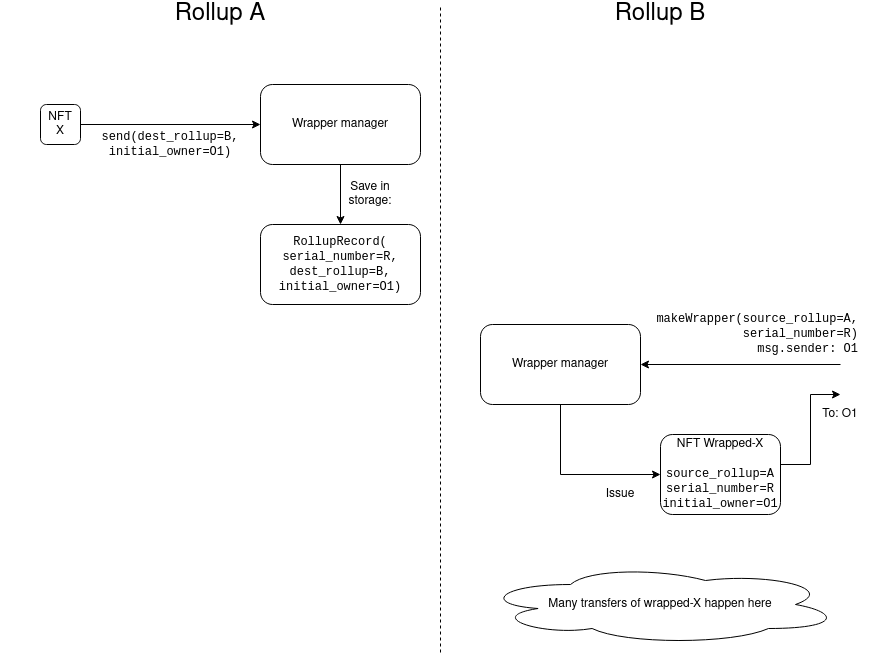
Confirm that your rollups are connected to a shared sequencing layer, such as those discussed in cross-rollup synchronous atomic execution. Without this layer, transactions from different rollups cannot be sequenced atomically, leading to fragmented user states.
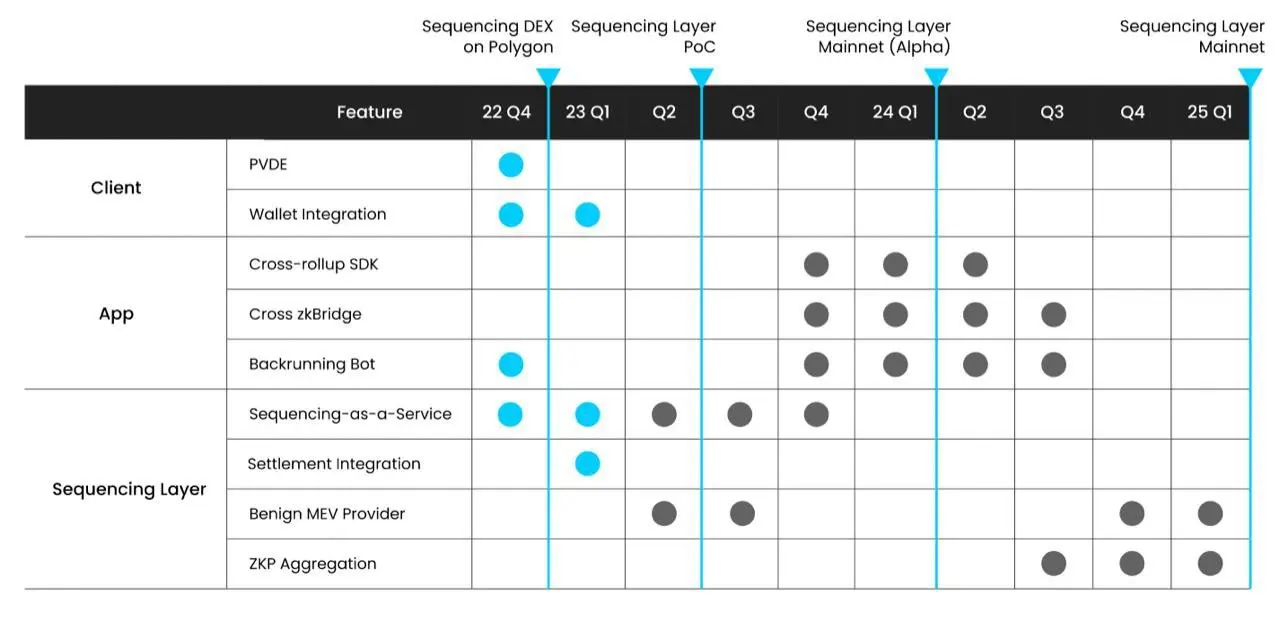
Check if your sequencing logic is vulnerable to MEV extraction. Cross-rollup MEV arises when transactions across different rollups can be profitably reordered. If your attribution model doesn't account for this, your user journey data will be skewed by front-running or sandwich attacks.
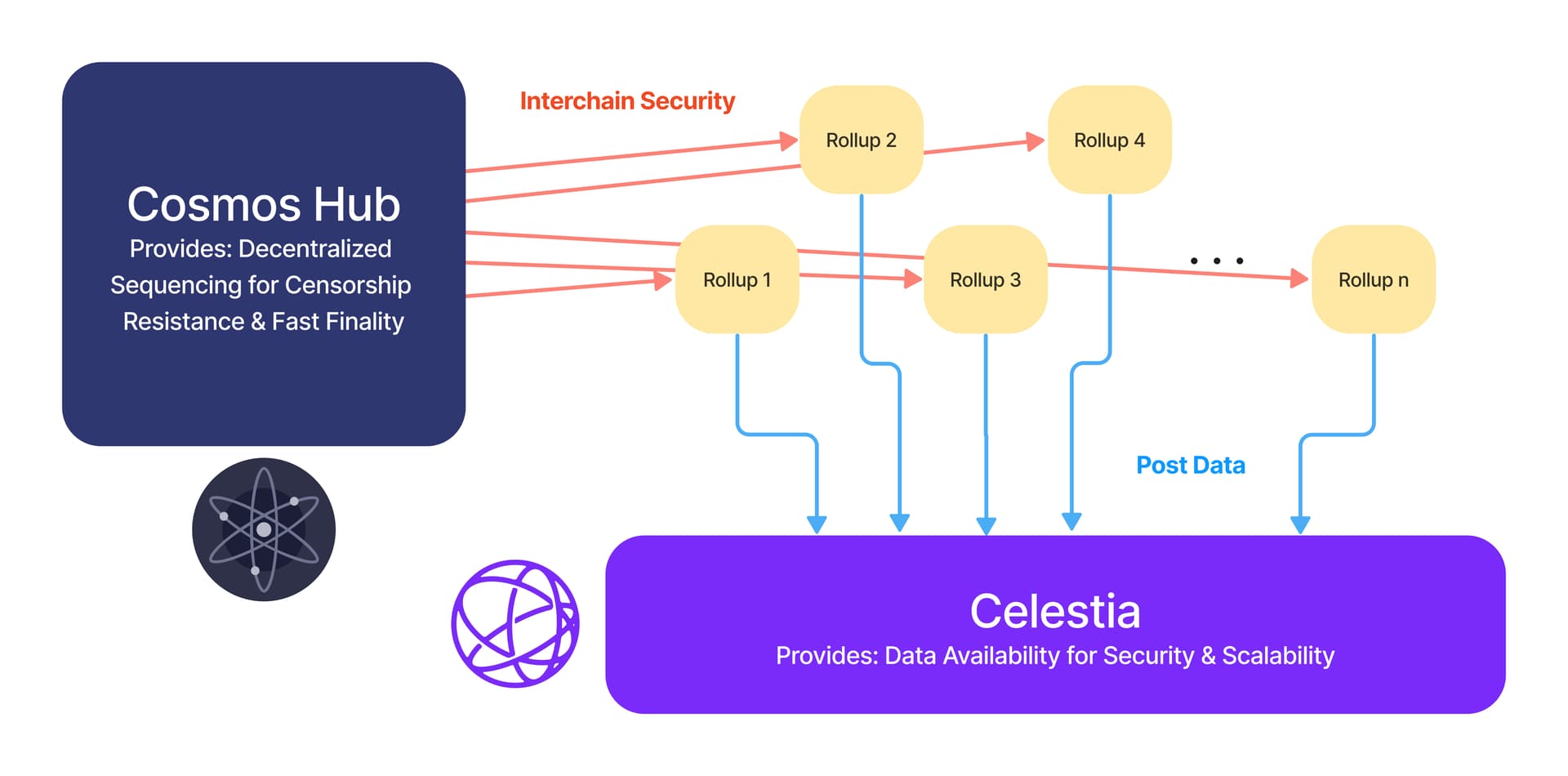
Measure the time between transaction submission and final inclusion across rollups. High latency in atomic execution breaks the illusion of a single-device journey. If the delay exceeds your AI attribution window, the user will be misidentified as two separate entities.
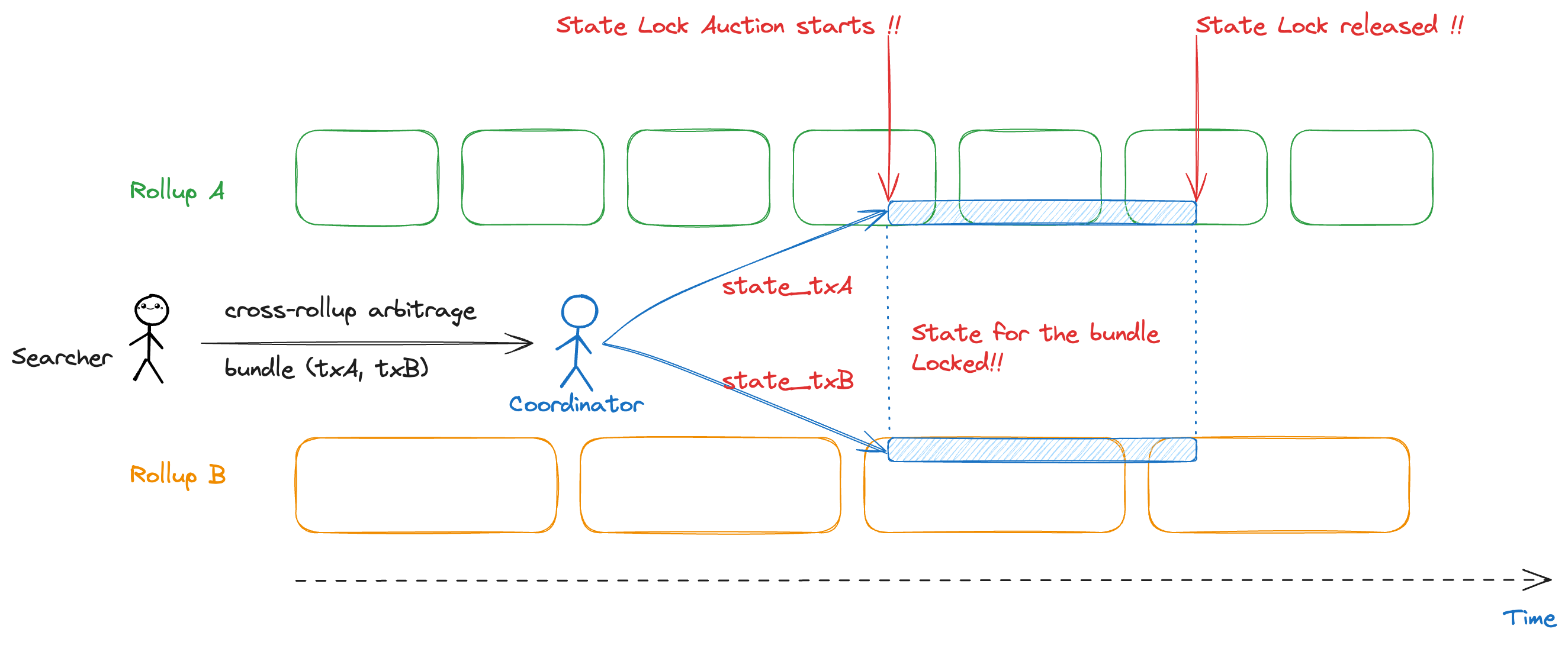
Ensure that state changes in one rollup are instantly reflected in the other. Inconsistent state leads to double-spending or lost transactions. Verify that your AI attribution engine can track these synchronized states without gaps in the user journey.
-
Shared sequencing layer is active
-
MEV extraction risks are mitigated
-
Atomic execution latency is under 2 seconds
-
State synchronization is verified across all rollups
What usually fixes it
Cross-rollup sequencing issues typically stem from fragmented liquidity and asynchronous finality across different Layer 2 networks. To resolve these bottlenecks, developers and users can adopt specific structural and technical interventions. The following approaches address the core friction points in multi-device user journeys.
Shared Sequencing Layers
Implementing a shared sequencing layer allows multiple rollups to order transactions atomically. This approach, often discussed in Ethereum research circles, enables cross-rollup atomic execution by treating distinct chains as part of a unified ordering pipeline. For users, this means trades or transfers spanning different rollups settle in a single, coherent step, eliminating the lag and uncertainty of asynchronous bridges. This is particularly effective for high-frequency trading or arbitrage strategies where timing is critical.
Atomic Cross-Rollup Bridges
Replacing standard bridging mechanisms with atomic cross-rollup bridges ensures that assets move between chains only if the entire transaction succeeds. If one leg of the transfer fails, the other reverses automatically, preventing stuck funds or partial executions. This "all-or-nothing" guarantee is essential for complex multi-step workflows, such as swapping tokens across three different rollups in one action. It removes the need for manual reconciliation and reduces the risk of MEV (Maximal Extractable Value) exploitation during the transition.
Unified Liquidity Aggregators
Deploying unified liquidity aggregators that route orders across all available rollups in real-time can significantly improve execution quality. Instead of relying on isolated pools, these aggregators split large orders to minimize slippage and find the best prices across the entire multi-chain landscape. For end-users, this translates to faster transaction confirmation and better rates, regardless of which rollup they initially interacted with. This solution is ideal for general DeFi interactions where price efficiency matters more than chain-specific features.
Cross-rollup sequencing: what to check next
Cross-rollup sequencing aims to solve the fragmentation that currently breaks multi-device user journeys. By allowing transactions across different rollups to be ordered together, it prevents the value extraction and execution failures that plague isolated systems.
Can shared sequencers prevent cross-rollup MEV?
Shared sequencers replace isolated ordering domains with a common one, which significantly reduces the window for malicious actors to extract value. However, as noted in research on cross-rollup MEV, the problem is not fully solved. Sequencers can still prioritize their own transactions, so users must verify that the sequencing layer is decentralized and transparent to ensure fair ordering.
How does synchronous atomic execution work?
Synchronous atomic execution allows multiple transactions from different rollups to be processed as a single unit. If any part of the sequence fails, the entire operation reverts. This ensures that a user’s multi-step journey—such as bridging assets and swapping on a different chain—completes entirely or not at all, eliminating the risk of partial execution and stuck funds.
What is the difference between shared sequencing and shared settlement?
Shared sequencing handles the ordering of transactions across rollups, ensuring they happen in the correct sequence. Shared settlement, by contrast, manages the finality and asset wrapping on the base layer. While sequencing ensures the journey flows smoothly, settlement ensures the assets are securely recorded. Both are needed for trustless interoperability, but they solve different parts of the coordination problem.
Is cross-rollup sequencing ready for production?
The technology is maturing but remains experimental. Protocols like CRATE are demonstrating the feasibility of atomic execution, but widespread adoption depends on standardizing messaging pathways. Users should expect higher latency during this transition phase and avoid routing high-value transactions through unproven sequencing layers until the infrastructure stabilizes.
No comments yet. Be the first to share your thoughts!