
In the pulsating heart of Ethereum's modular evolution, DeFi shared sequencing emerges as a game-changer for protocol interoperability. Gone are the clunky bridges and fragmented transaction orders; shared sequencers forge a unified layer where multiple rollups draw from a single, sovereign source of truth. This shift empowers DeFi protocols to orchestrate complex trades atomically across chains, slashing latency and unlocking liquidity pools that span ecosystems. Developers now wield APIs that treat disparate rollups as one cohesive canvas, blending aggressive derivatives plays with seamless cross-rollup composability.
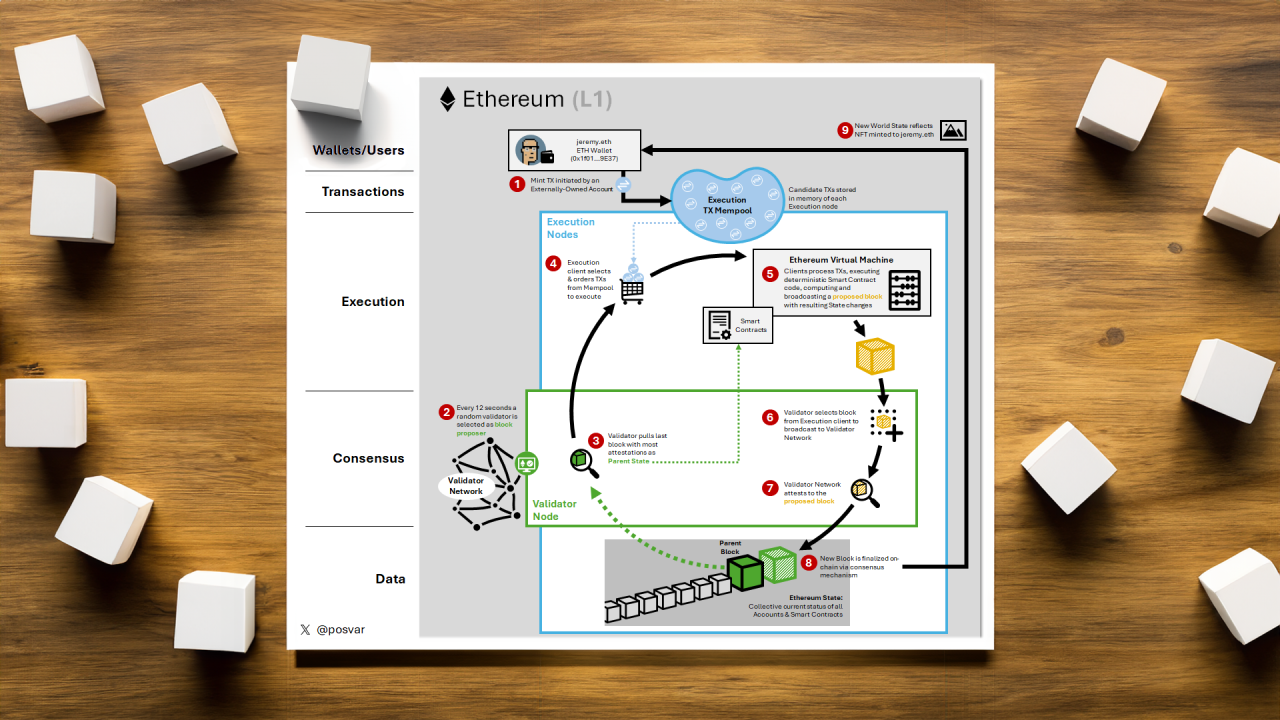
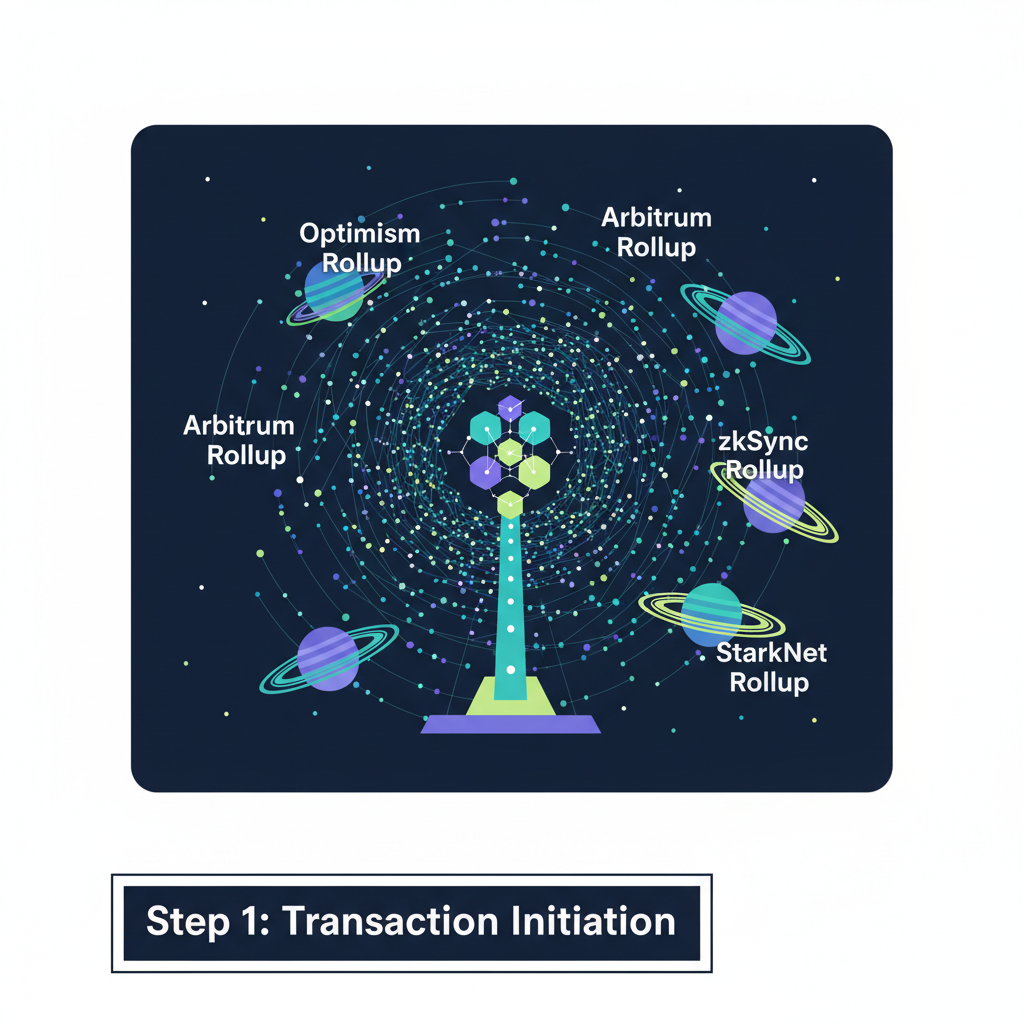
Picture a world where your options vault on Arbitrum syncs flawlessly with lending positions on Optimism, all ordered globally without trust hiccups. Projects like Espresso and Astria pioneer this by outsourcing block production to decentralized node networks, ensuring liveness and censorship resistance. ChainScore Labs highlights how this defenestrates interoperability protocols, rendering bridges obsolete through atomic composability. Zeeve underscores the decentralization boost for L2 rollups, while Cube Exchange spotlights MEV mitigation and cross-chain synergies.
Architecting Cross-Rollup DeFi APIs with Sovereign Sequencing
At its core, a shared sequencer operates as a neutral arbiter, broadcasting a global transaction order that rollups ingest uniformly. This rollup protocol integrations paradigm reduces complexity; no longer must each rollup maintain its own sequencer, vulnerable to centralization pitfalls. Ethereum Research charts a roadmap from centralized to based rollups, advocating progressive decentralization. HackMD's analysis reveals security gains from defragmenting the L2 landscape, where every rollup reads the same mempool feed.
For DeFi builders, this translates to APIs that abstract away sequencing woes. StratoStack's integration with decentralized sequencers exemplifies this, enabling synchronized block production and cross-rollup fee auctions. Developers tap unified endpoints to submit bundles, prioritizing high-value DeFi flows like perpetuals or yield farms without front-running risks. My 11 years dissecting derivatives convince me this is Web3's liquidity multiplier, amplifying alpha in hybrid rollup pools.
Core Benefits of Shared Sequencing
- Atomic cross-rollup composability: Enables seamless, bridge-free interactions across rollups via a sovereign sequencing layer, as highlighted by ChainScore Labs.
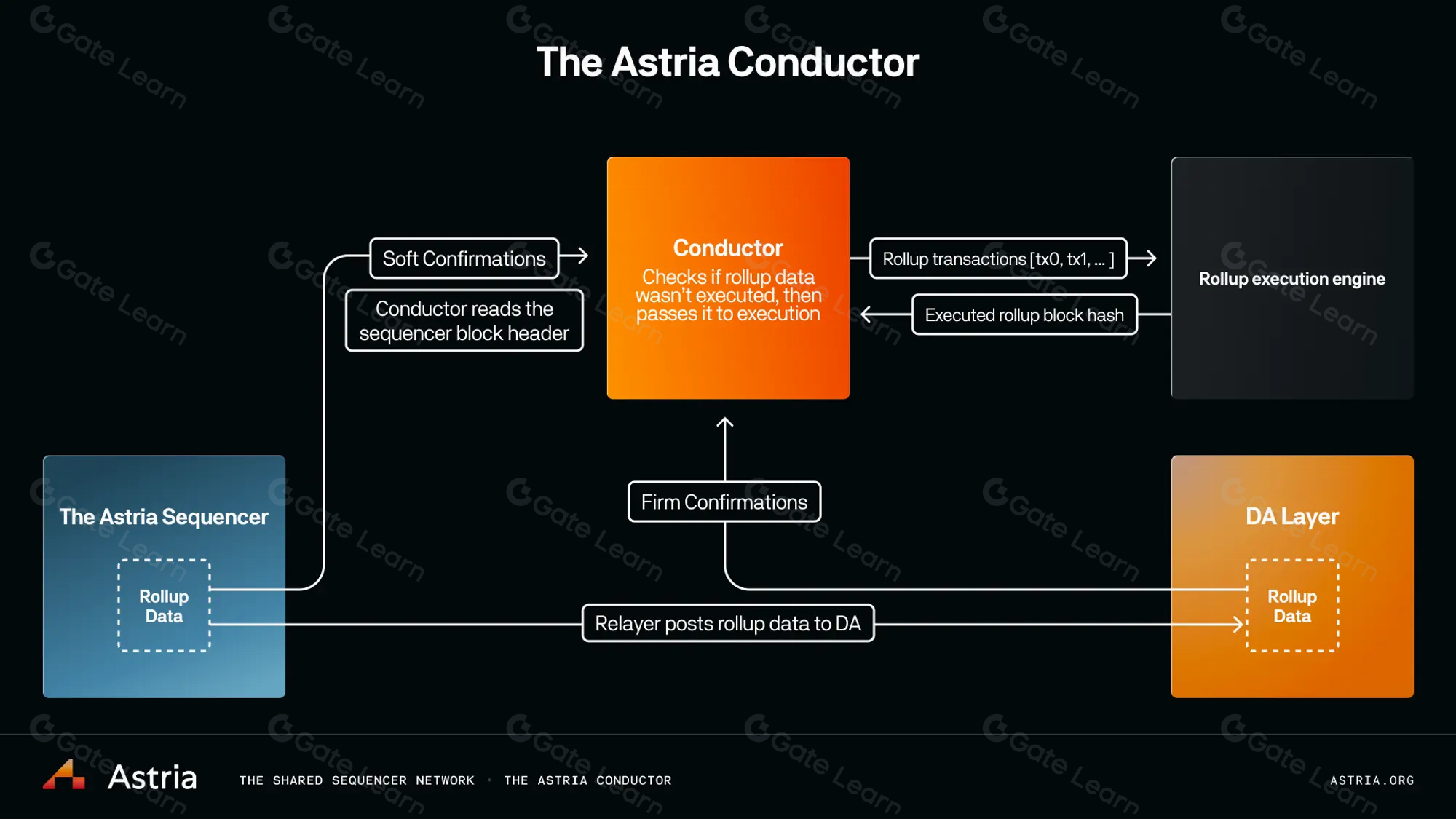
- MEV reduction via fair ordering: Decentralized sequencers like Astria ensure equitable transaction ordering, mitigating MEV extraction across L2s.
- Censorship-resistant transaction flow: Distributed nodes in networks like Espresso provide robust, tamper-proof ordering for DeFi protocols.
- Unified API interfaces for developers: StratoStack integrations offer standardized endpoints for rollups outsourcing to shared sequencers.

- Scalable liquidity across L2s: Synchronized block production and cross-rollup auctions enhance liquidity composability with tools like Chainlink CCIP.
Empowering Protocols with Decentralized Sequencer Networks
Dive deeper, and decentralized sequencer networks like Astria shine. Flashbots' SUAVE integration lets rollup devs gate transaction flows to specialized bundles, ideal for DeFi's nuanced needs - think restricting oracle updates or liquidation cascades to trusted paths. LimeChain defines shared sequencers as unbound node collectives, servicing any rollup hungry for ordered blocks. IdeaSoft's take on distributing sequencing across nodes optimizes throughput, vital for high-frequency trading in Ethereum DeFi sequencing.
Native rollups, as Luca Donno explores, reshape execution by leaning on these shared layers, promising a future where dApps compose natively. In practice, DeFi protocols retrofit APIs to poll shared mempools, injecting transactions with metadata for cross-chain routing. This fosters aggressive plays; imagine a straddle option spanning zkSync and Base, settled atomically under one sequence. Reduced trust assumptions mean protocols like Aave or Uniswap can extend intents across rollups, capturing value that siloed sequencers squander.
Streamlining Integrations via Unified Fee Mechanisms and Oracles
Cross-rollup DeFi APIs thrive on synchronized economics. Shared sequencing introduces cross-rollup fee auctions, where bidders vie for prime slots in the global order, democratizing MEV capture. StratoStack's playbook integrates this with Espresso, yielding APIs that expose auction endpoints for protocol dashboards. Developers query optimal bids, embedding them in user flows for cost-efficient executions.
Layer in oracles like Chainlink's CCIP or Axelar for secure cross-chain messaging, and the stack solidifies. These tools relay price feeds and proofs into shared sequences, ensuring DeFi primitives - from perps to synthetics - operate with oracle-grade fidelity across rollups. The 2026 context pulses with momentum; as rollups proliferate, these integrations cut deployment friction, letting quants like me focus on derivatives innovation over plumbing.
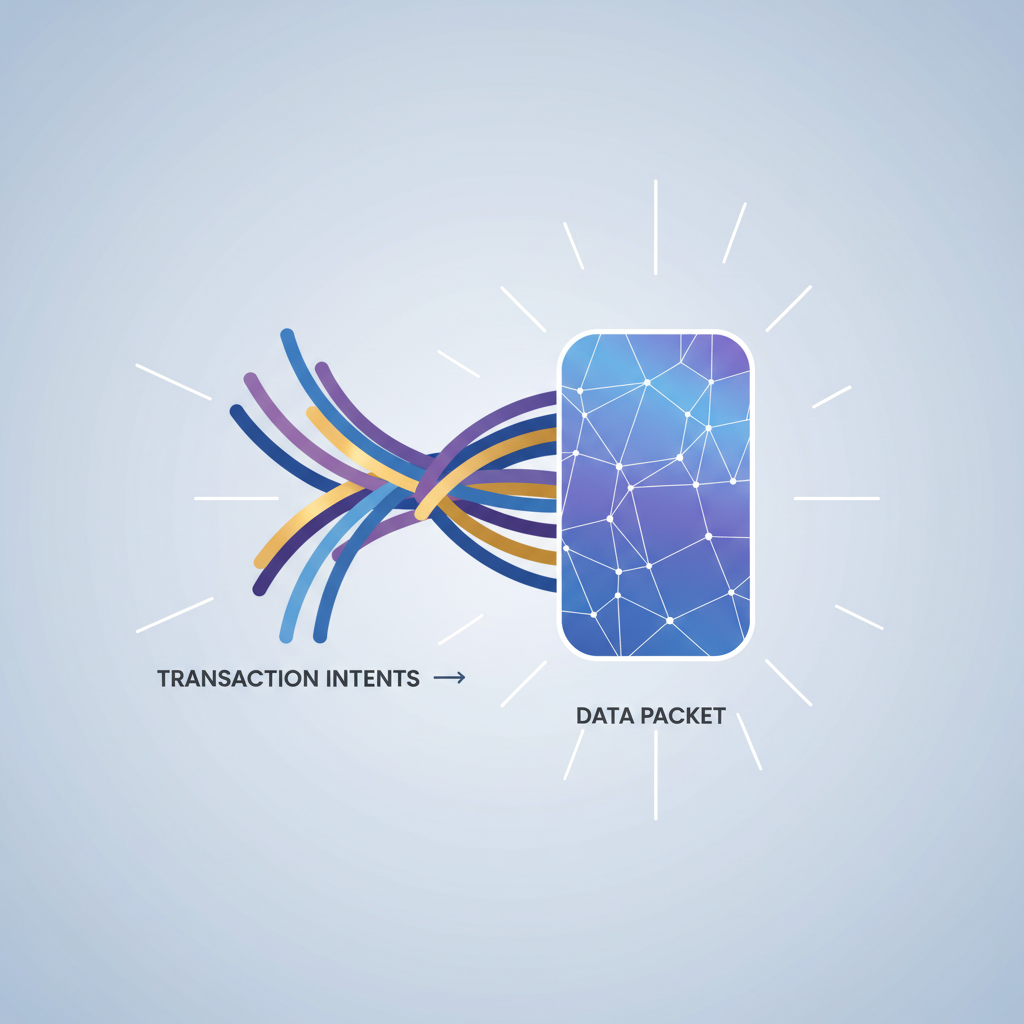
Builders integrating rollup protocol integrations must prioritize mempool compatibility. Protocols submit intents via RESTful endpoints or WebSocket streams, tagging transactions for specific rollups while leveraging the shared order. This abstraction layer, powered by networks like Espresso, handles consensus on ordering, freeing DeFi apps to focus on execution logic.
Unlock Atomic Cross-Rollup DeFi with Shared Sequencer Mastery
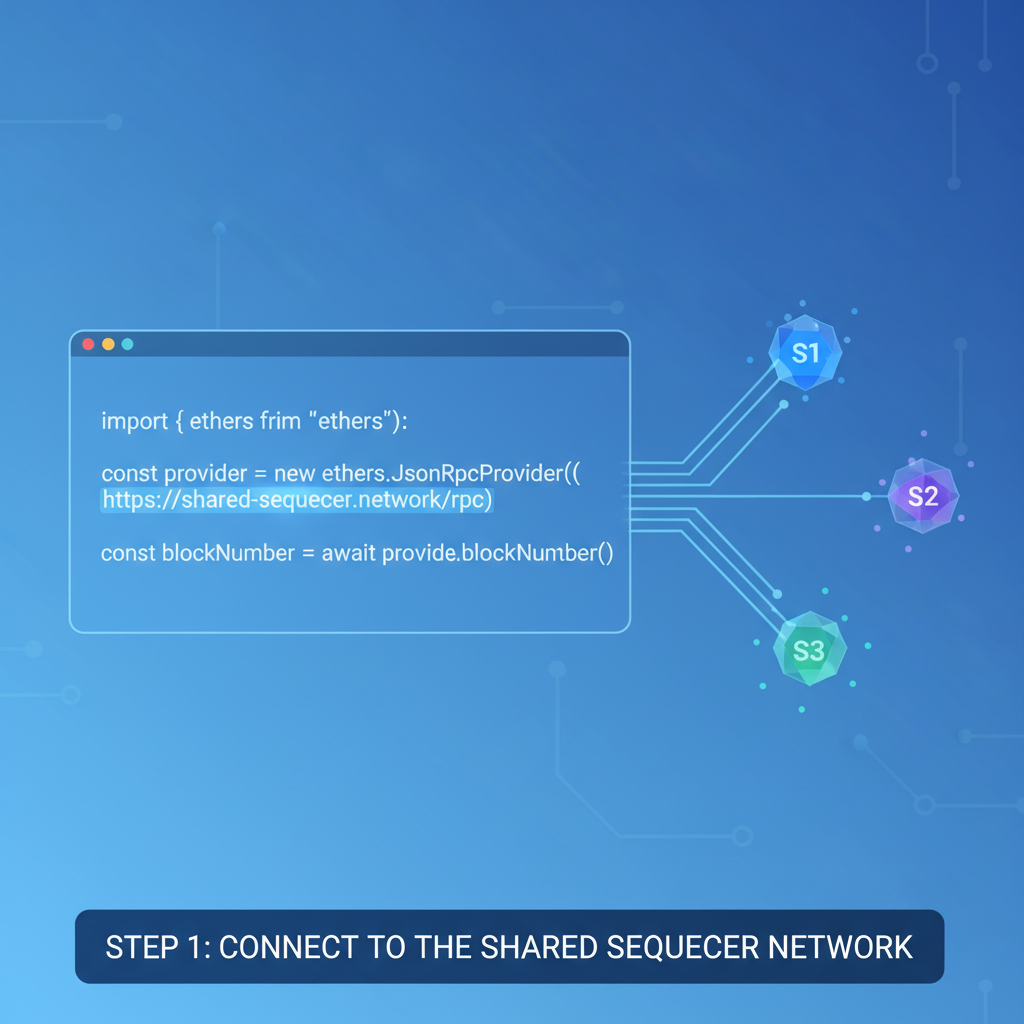

With such snippets, protocols like perpetual exchanges retrofit their frontends overnight. The beauty lies in the determinism: no sequencer drift means predictable fills for high-leverage positions, a boon for quants chasing volatility in rollup liquidity pools.
🚀 Step-by-Step API Integration Guide for DeFi Protocols Using Shared Sequencing (Drawn from StratoStack's Espresso Rollout)
| 🚀 Step | 📋 Action | 🛡️ Challenges & Mitigations |
|---|---|---|
| 1 | Select sequencer network (e.g., Astria, Espresso) | Liveness faults: Choose with Ethereum fallbacks like based rollups |
| 2 | Expose API endpoints for bundle submission | Security: Implement robust auth; test under load |
| 3 | Implement fee auction logic | MEV risks: Use shared auctions to redistribute fairly |
| 4 | Sync with rollup DA layers | Interoperability: Embed hooks for Axelar/CCIP cross-chain data |
| 5 | Test atomic composability with mock transactions | Resilience: Simulate outages for yield optimizers & precise APYs |
These steps, drawn from real-world rollouts, compress months of dev time into weeks. StratoStack's Espresso tie-up exemplifies execution, delivering dashboards that visualize sequence slots and predict inclusion odds - essential for time-sensitive options expiry.
Unlocking Derivatives Alpha in a Sequenced Multiverse
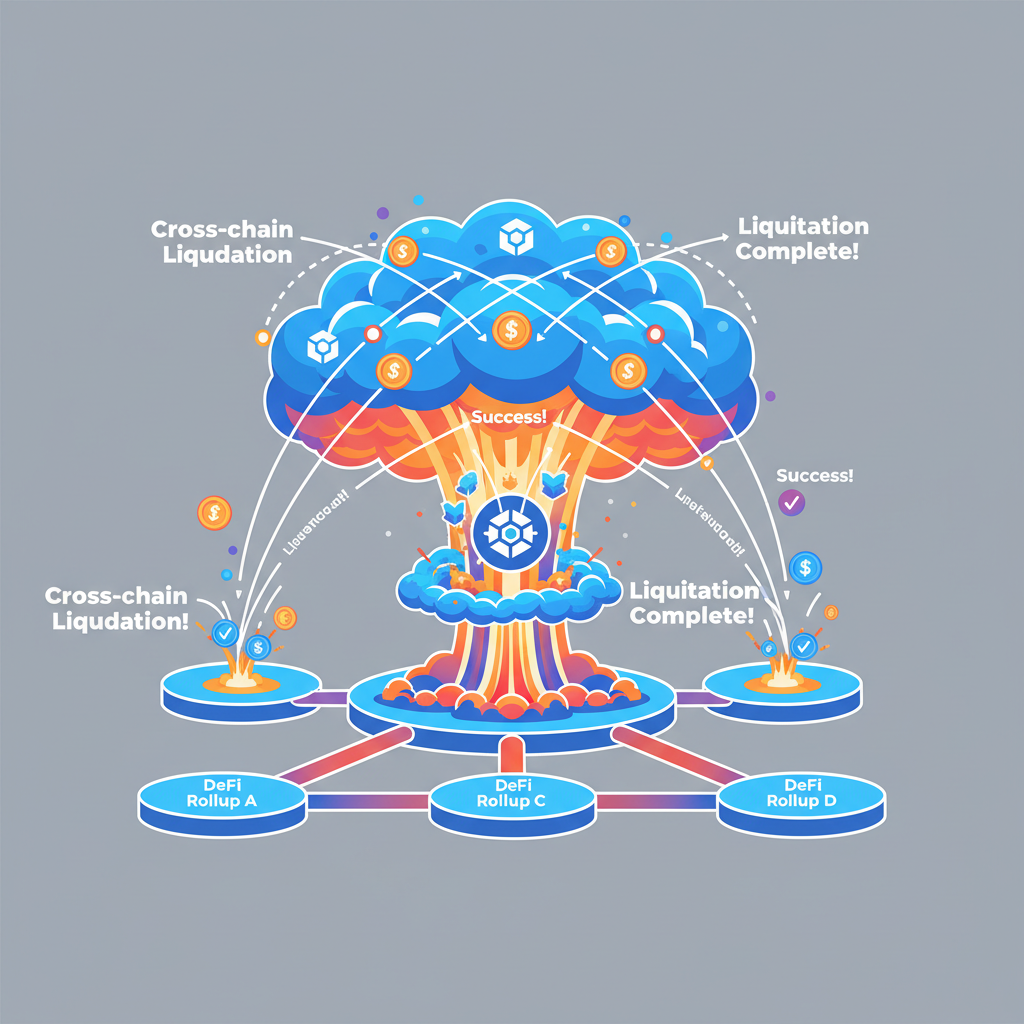
Zoom out, and DeFi shared sequencing redefines risk-reward calculus. Traditional silos bred fragmented liquidity; now, unified ordering spawns emergent strategies. Picture strangles across Base and zkSync, where implied vols converge atomically, or cross-rollup flash loans that arbitrage yield curves without bridge delays. Flashbots' SUAVE gating elevates this, funneling sophisticated bundles - like MEV-protected perps - through vetted paths.
Luca Donno's native rollups vision complements this, embedding sequencing natively for execution purity. As 2026 unfolds, with rollups multiplying, these APIs become the nervous system of modular Ethereum. Developers gain tools for intent-based architectures, where users declare 'maximize yield across L2s, ' and protocols fulfill via sequenced magic.
For derivatives traders, it's liberation. No more sequencing roulette; instead, a sovereign layer amplifies precision. I've structured plays that net 20x in hours, blending options across pools - shared sequencing scales that firepower ecosystem-wide. Web3's full potential unfurls not in isolation, but in orchestrated harmony, where every transaction pulses to a shared rhythm.
No comments yet. Be the first to share your thoughts!