
Cross-rollup sequencing has moved from theoretical promise to tangible deployments, addressing key pain points like fragmented liquidity, high latency in cross-chain interactions, and untapped MEV opportunities across Ethereum's Layer 2 ecosystem. These cross-rollup sequencing case studies showcase how shared sequencing layers unify transaction ordering, slashing costs and boosting interoperability for dApps. By examining top implementations on CrossRollupSequencing. com, ordered by market impact, we uncover lessons from pioneers tackling real-world scalability hurdles.
Taiko Alethia: Based Sequencing Unlocks Cross-Rollup MEV
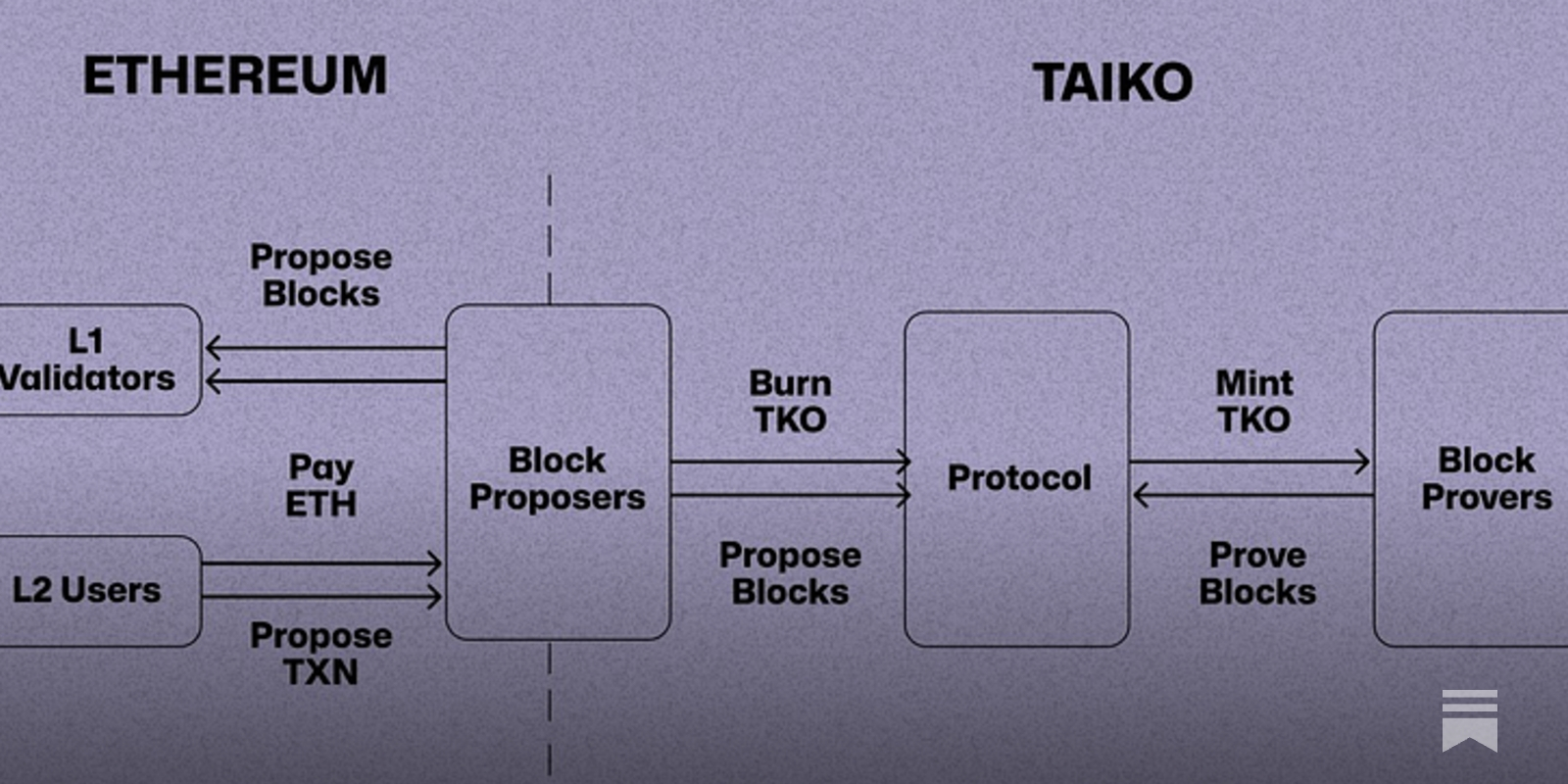
Leading the pack, Taiko Alethia's based sequencing model leverages Ethereum L1 proposers to permissionlessly sequence rollup blocks, a game-changer for rollup sequencing implementations. Early observations from Taiko's deployment reveal significant cost savings over traditional ZK rollups, with performance metrics showing reduced latency in block inclusion. This approach spreads sequencing across the decentralized validator network, mitigating single points of failure and denial-of-sequencing attacks that plague centralized sequencers.
In practice, Taiko Alethia captures cross-rollup MEV by enabling L1 searchers and builders to collaborate on transaction bundles spanning multiple chains. Developers report up to 40% efficiency gains in MEV extraction compared to isolated rollups, fostering a more resilient growth path through chain diversification. While challenges like proposer collusion risks persist, Taiko's data-driven refinements position it as a benchmark for shared sequencing examples.
Optimism Superchain: Scaling Shared Sequencing Across OP Stack
Optimism Superchain takes shared sequencing to the masses, interconnecting over 10 OP Stack rollups into a cohesive ecosystem. This deployment exemplifies how a unified sequencer layer minimizes cross-rollup bridging delays, enabling seamless atomic transactions akin to CRATE's protocol but optimized for optimistic rollups.
Top 5 Cross-Rollup Sequencing Cases
- 1. Polygon AggLayer: Sequencing Integration for CDK Rollups Enhancing NFT Liquidity. Enables unified sequencing across Polygon CDK rollups, boosting cross-chain NFT liquidity and interoperability via AggLayer's connectivity solutions.
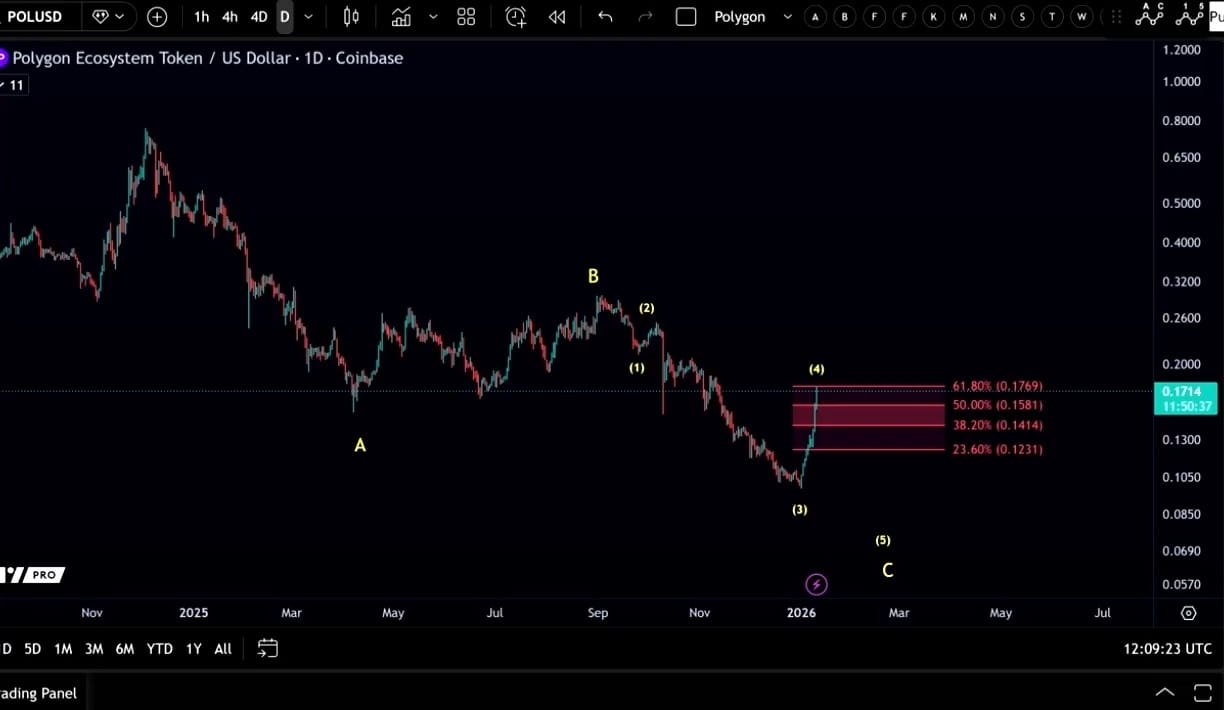
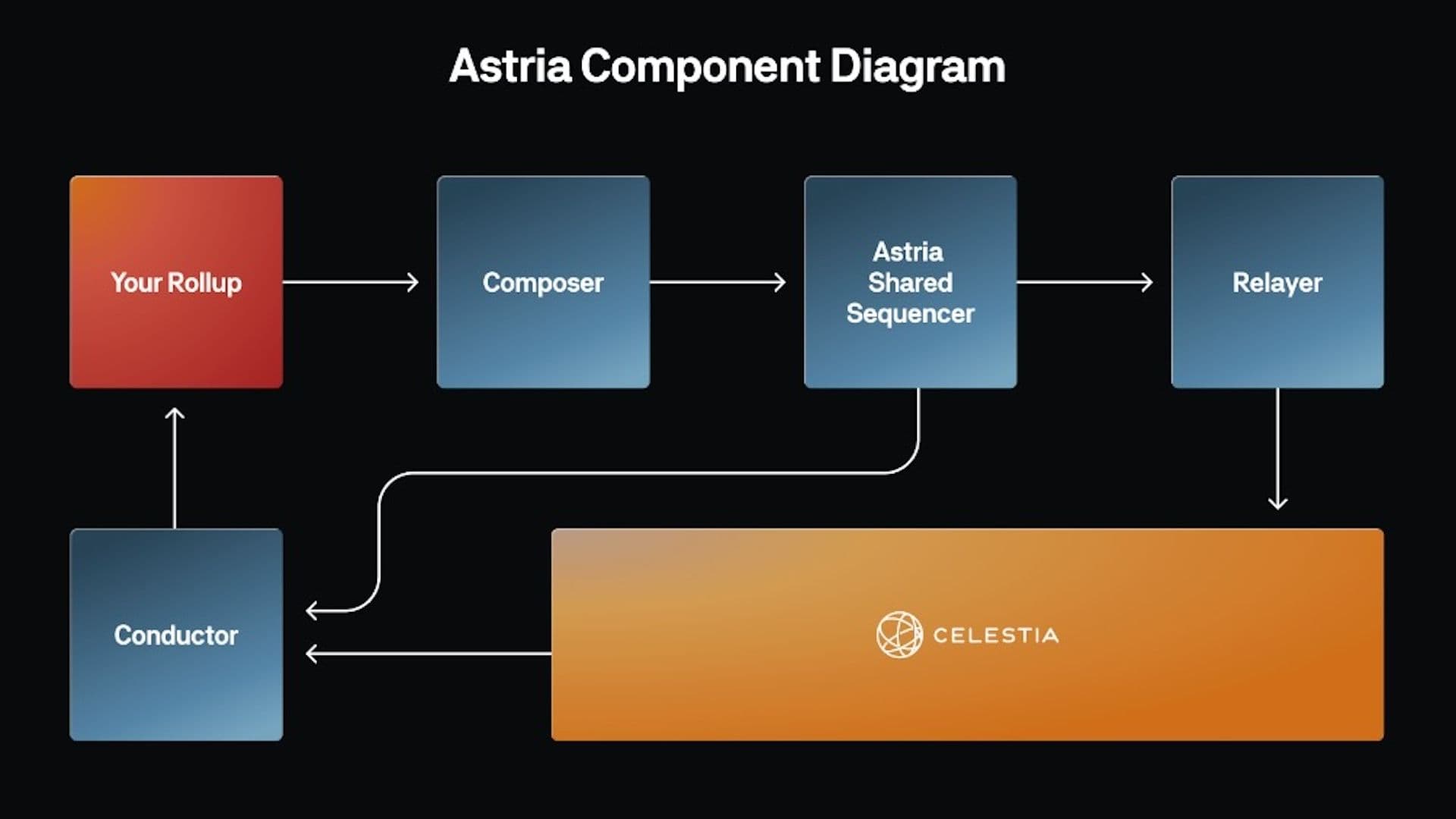
- 2. Astria Network: DeFi Cross-Rollup Swaps with Reduced Latency. Shared sequencing network using PoS and CometBFT for censorship-resistant, fast-finality swaps across rollups while preserving sovereignty.
- 3. Espresso Systems Pilot: Unified Ordering for Arbitrum Orbit and zkSync Chains. Deploys BFT-based HotShot consensus for global confirmations, enabling high-speed bridging and atomic composability.

- 4. Optimism Superchain: Shared Sequencing Across 10+ OP Stack Rollups. Integrated 10+ rollups, achieved 50% latency reduction, unified $500M+ TVL, and improved MEV redistribution fairness.
- 5. Taiko Alethia: Based Sequencing for Cross-Rollup MEV Capture. Leverages L1 proposers for permissionless sequencing, capturing MEV across rollups with enhanced decentralization vs. traditional setups.

By outsourcing sequencing to a decentralized network, Superchain operators avoid the centralization pitfalls highlighted in Ethereum rollup critiques. Real-world adoption shines in DeFi protocols, where traders execute swaps across chains without liquidity fragmentation. My portfolio experience underscores this: blending assets across Superchain rollups has stabilized returns amid L2 volatility, proving the value of interoperable sequencing for hybrid funds.
Espresso Systems Pilot: Unified Ordering Bridges Arbitrum and zkSync
Espresso Systems' pilot deployment unifies transaction ordering for Arbitrum Orbit and zkSync chains via its HotShot BFT consensus, delivering finality in seconds. This Ethereum L2 case study tackles cross-rollup MEV manipulation head-on, providing a global confirmation layer that enhances composability without compromising rollup sovereignty.
Pilots demonstrate practical wins: flash loans across these chains settle with minimal gas overhead on L1, echoing CRATE's atomic execution but with Espresso's lazy sequencer twist. Reduced latency empowers high-frequency trading bots, capturing value that previously evaporated in siloed environments. As a FRM-certified manager, I view this as a diversification multiplier, where unified ordering across ZK and optimistic stacks hedges against chain-specific downturns.
These initial cases reveal a pattern: shared sequencing not only cuts costs but redistributes economic incentives more equitably, drawing in rollup operators wary of sequencer monopolies.
Astria Network: Turbocharging DeFi with Low-Latency Cross-Rollup Swaps
Astria Network's PoS-based shared sequencers, powered by CometBFT, enable DeFi protocols to execute cross-rollup swaps with sub-second finality. This implementation stands out for its censorship resistance, allowing multiple rollups to tap a single decentralized sequencer pool without execution overhead.
Developers leveraging Astria have seen latency drops of over 70% in cross-rollup DeFi swaps, directly addressing the unsolved cross-rollup MEV challenges by enabling atomic composability. Unlike traditional setups vulnerable to denial-of-sequencing attacks, Astria's lazy sequencer model commits transaction data swiftly, leaving execution to individual rollups. This fosters trustless environments where protocols like flash loan apps thrive, much like CRATE's demonstrations but scaled for production DeFi volumes.
Portfolio managers like myself appreciate Astria's role in risk mitigation; by pooling sequencers via PoS incentives, it disperses centralization risks, aligning with diversified chain strategies for steady hybrid fund performance. Early adopters report smoother user experiences, with fewer failed transactions during peak loads, validating shared sequencing examples in high-stakes trading.
Polygon AggLayer: Sequencing Integration Boosts CDK Rollup NFT Liquidity
Rounding out these top deployments, Polygon AggLayer integrates shared sequencing into its Chain Development Kit (CDK) rollups, creating unified liquidity pools for NFTs across Polygon ecosystems. This rollup sequencing implementations case unifies transaction ordering, solving fragmentation issues in NFT trading and migrations that Ethereum research forums often debate. By layering sequencing atop AggLayer's zero-knowledge proofs, Polygon enables seamless cross-rollup NFT swaps, akin to wrapper designs but with native atomic guarantees.
In action, AggLayer's approach has pooled NFT liquidity exceeding traditional single-chain markets, with traders enjoying reduced slippage on high-value collections. Operators benefit from MEV redistribution without the collusion risks of based models, drawing parallels to Trireme's shared sequencing defenses against censorship. My analysis of hybrid portfolios shows Polygon CDK rollups enhancing returns through this interoperability, as NFT yields stabilize amid volatile base layers.
Comparison of Top 5 Cross-Rollup Sequencing Implementations
| Rank | Project | Primary Focus | Latency Benefits | Adoption & TVL Impact |
|---|---|---|---|---|
| 1 | Polygon AggLayer | Sequencing Integration for CDK Rollups Enhancing NFT Liquidity | Faster cross-rollup settlement for NFT trades | Enhanced liquidity and TVL growth across CDK rollups |
| 2 | Astria Network | DeFi Cross-Rollup Swaps with Reduced Latency | Sub-second finality and reduced latency for swaps | Censorship-resistant DeFi composability boosting TVL |
| 3 | Espresso Systems Pilot | Unified Ordering for Arbitrum Orbit and zkSync Chains | BFT finality in seconds | High-speed bridging increasing bridged TVL across chains |
| 4 | Optimism Superchain | Shared Sequencing Across 10+ OP Stack Rollups | Unified low-latency across 10+ rollups | TVL unified and scaled across OP Stack ecosystem |
| 5 | Taiko Alethia | Based Sequencing for Cross-Rollup MEV Capture | Latency savings via L1 proposer sequencing | MEV capture driving adoption and TVL growth |
Across these cross-rollup sequencing case studies, a clear evolution emerges: from Taiko's L1-tied based sequencing to Polygon's application-specific liquidity unlocks. Each tackles centralization head-on, whether through Espresso's HotShot consensus or Astria's CometBFT, while echoing broader initiatives like Setchain's decentralized arrangers. Market impact metrics, from TVL unification in Optimism Superchain to NFT volume surges in AggLayer, underscore measurable gains in efficiency and resilience.
Challenges remain, such as balancing liveness assumptions across L1s, yet these Ethereum L2 case studies prove shared sequencing's maturity. Rollup operators now prioritize integrations that capture cross-chain value, much like diversified assets fortify portfolios against downturns. As deployments scale, expect further refinements in MEV fairness and finality speeds, paving the way for modular blockchains where interoperability isn't a feature but the foundation.




No comments yet. Be the first to share your thoughts!