

Ethereum's Layer 2 ecosystem has matured significantly, yet persistent challenges in scaling Ethereum L2 rollups demand careful scrutiny. Rollups, both optimistic and zero-knowledge variants, process transactions off-chain while anchoring data to the Ethereum mainnet, boosting throughput without compromising security. However, their reliance on centralized sequencers introduces vulnerabilities: censorship risks, single points of failure, and fragmented liquidity across chains. As Ethereum trades at $2,278.53 today, down -$65.43 (-2.79%) over the past 24 hours with a high of $2,351.34 and low of $2,115.33, investors must weigh these structural issues against the network's enduring promise.
Centralized sequencers order and batch transactions for individual rollups, but this model stifles multi-rollup sequencing. Developers face elevated costs from redundant infrastructure, while users endure asynchronous composability delays, hindering seamless dApp interactions. In my view, honed from 15 years analyzing blockchain infrastructure, this fragmentation undermines long-term value accrual in L2 ecosystems. Patience reveals that true scalability hinges on unifying these silos.
Shared Sequencing Layers as a Unifying Force
Shared sequencing scale emerges as a pragmatic evolution, deploying decentralized networks to coordinate transaction ordering across multiple rollups. Projects such as Astria, Espresso, Nodekit, and Radius pioneer this approach, employing consensus protocols to elect sequencers and deliver fast L2 finality. By pooling resources, these layers slash latency, curb MEV extraction abuses, and foster native interoperability. Consider how a shared sequencer network batches transactions from disparate rollups into cohesive blocks, posted efficiently to Ethereum; this not only minimizes costs but also fortifies resilience against outages.
From a conservative standpoint, shared sequencers align incentives without overpromising revolutionary overhauls. They preserve rollup sovereignty while introducing network effects that could compound Ethereum's dominance. Gate. io's analysis underscores their role in making Ethereum "whole again" through enhanced cross-chain unity (source).
Decentralized Sequencers and Network Ownership
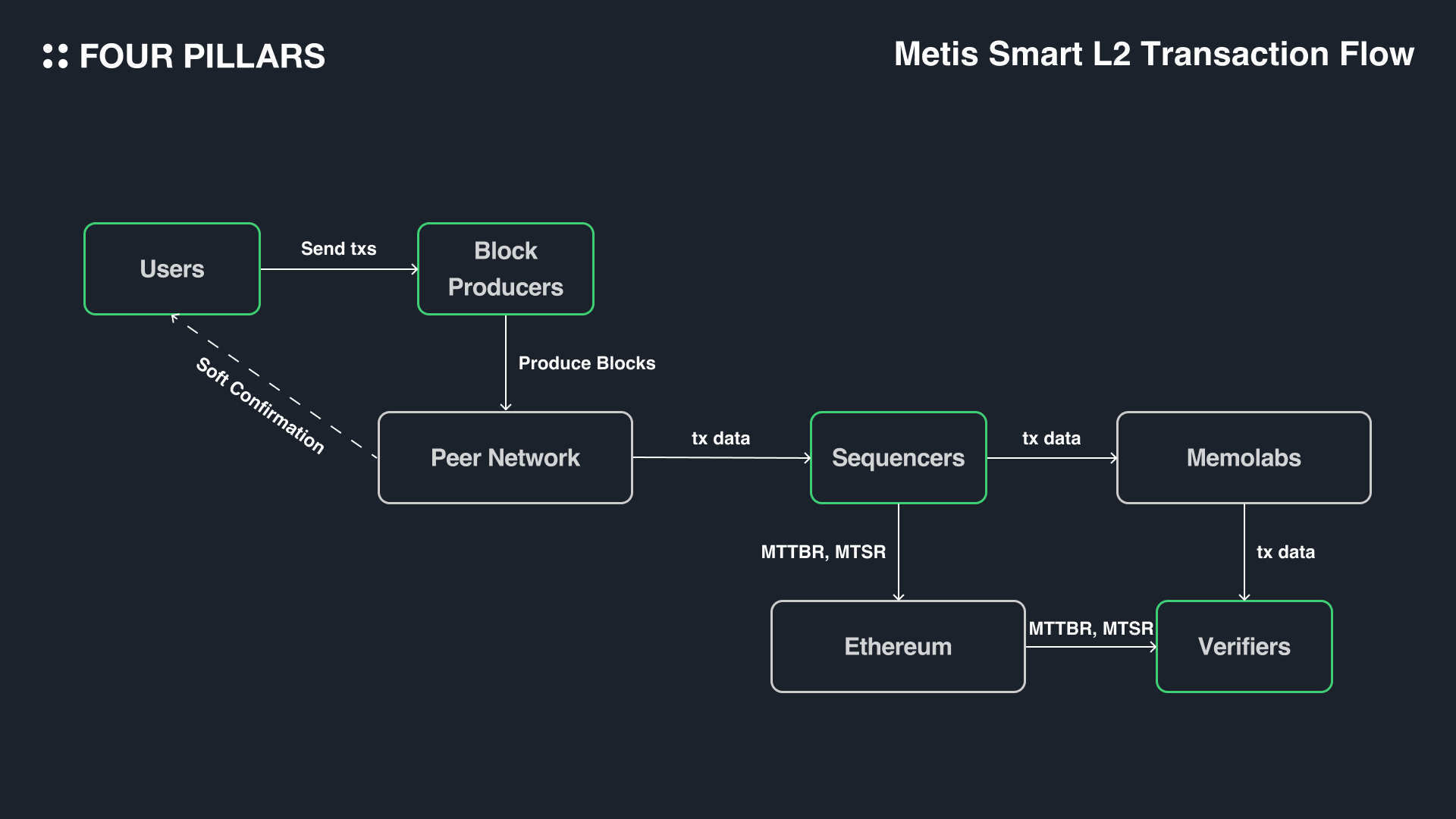
Parallel efforts decentralize sequencers within single rollups, exemplified by Metis's milestone in March 2024. By onboarding external node operators, Metis distributes control, mitigating manipulation risks and bolstering censorship resistance. This model extends to multi-rollup contexts, where a pool of nodes serves broader ecosystems, echoing principles of L2 scaling solutions that prioritize durability over speed alone.
Yet, implementation demands rigorous due diligence. Sequencer decentralization introduces coordination overhead; consensus delays could erode the very efficiency gains sought. Investors should monitor operator selection processes and slashing mechanisms, ensuring economic security matches Ethereum's L1 rigor.
Ethereum (ETH) Price Prediction 2027-2032
Conservative forecasts based on L2 scaling adoption via multi-rollup shared sequencing
| Year | Minimum Price | Average Price | Maximum Price | YoY % Change (Avg) |
|---|---|---|---|---|
| 2027 | $2,800 | $4,000 | $6,500 | +43% |
| 2028 | $3,800 | $5,800 | $9,500 | +45% |
| 2029 | $5,200 | $8,000 | $13,000 | +38% |
| 2030 | $7,000 | $11,000 | $18,000 | +38% |
| 2031 | $10,000 | $15,000 | $25,000 | +36% |
| 2032 | $13,000 | $20,000 | $33,000 | +33% |
Price Prediction Summary
Conservative Ethereum price outlook projects steady growth from $4,000 average in 2027 to $20,000 by 2032, fueled by shared sequencing enhancing L2 scalability, interoperability, and decentralization. Min/max ranges account for bearish market cycles and bullish adoption surges.
Key Factors Affecting Ethereum Price
- Adoption of multi-rollup shared sequencers (e.g., Astria, Espresso) reducing centralization risks
- Based rollups leveraging Ethereum L1 for sequencing and synchronous composability
- Decentralized sequencer initiatives (e.g., Metis) improving censorship resistance
- Synchronous composability protocols like SCOPE enabling cross-L2 interactions
- Market cycles, regulatory clarity, and ETH deflation from increased L2 activity
- Competition from other L1s and macroeconomic factors influencing volatility
Disclaimer: Cryptocurrency price predictions are speculative and based on current market analysis. Actual prices may vary significantly due to market volatility, regulatory changes, and other factors. Always do your own research before making investment decisions.
Based Rollups: Aligning with Ethereum's Core Security
Challenging independent sequencers, based rollups source ordering directly from Ethereum's mainnet proposers. This trust-minimized design leverages L1 neutrality, enabling atomic interactions across rollups within the same block. Hazeflow Research posits based rollups as the inevitable path, promoting synchronous composability without bespoke infrastructure. For protocols like those at crossrollupsequencing. com, this resonates: a shared L1 sequencing layer unifies without centralizing power elsewhere.
While based rollups minimize trust assumptions elegantly, their reliance on Ethereum L1 proposers introduces sequencer availability dependencies tied to mainnet congestion. At current levels, with ETH at $2,278.53, such designs warrant scrutiny for real-world throughput under peak loads. Crossrollupsequencing. com's shared sequencing layer offers a balanced alternative, optimizing multi-rollup sequencing without fully outsourcing to L1, preserving rollup-specific customizations.
Comparison of Ethereum Rollup Sequencing Strategies
| Strategy | Description | Decentralization Level | Cross-Rollup Composability | Key Advantages | Key Challenges | Examples | |
|---|---|---|---|---|---|---|---|
| Centralized Sequencers (Solo-Sequenced) | Single entity orders and batches transactions for one rollup before posting to L1. | Low (Single point of failure) | Asynchronous | Simple implementation, low latency for single rollup | Censorship risk, MEV extraction by sequencer, poor interoperability | Arbitrum (initially), Optimism (initially) | |
| Decentralized Sequencers (Per-Rollup) | Decentralized network of nodes handles sequencing for a single rollup. | Medium-High | Asynchronous | Improved censorship resistance within rollup, distributed ownership | Still siloed per rollup, limited cross-rollup benefits | Metis | |
| Multi-Rollup Shared Sequencing **(Highlighted Alternative)*** | Decentralized shared network coordinates ordering across multiple rollups using consensus. | High | Synchronous (fast L2 finality) | Enhanced interoperability, unified MEV, reduced duplication, optimized vs. L1 outsourcing | Ensuring shared security, multi-rollup consensus | Astria, Espresso, Nodekit, Radius | |
| Based Rollups (L1-Sequenced) | Leverages Ethereum L1 for transaction ordering and sequencing. | High (inherits L1 security) | Synchronous (atomic interactions) | Trust-minimized, censorship-resistant, no separate sequencer needed | Dependent on L1 congestion/latency, potential higher costs | Emerging (e.g., proposals aligning L2s with L1 sequencing) |
Synchronous Composability Through Coordinated Protocols
Synchronous composability protocols like SCOPE push boundaries further, enabling cross-rollup contract calls within the same block without a mandatory shared sequencer. By aligning transaction ordering via shared commitments and parallel proving, SCOPE amortizes costs and sidesteps single-network bottlenecks. This protocol suits ecosystems where rollups retain execution sovereignty yet demand atomic interactions, a necessity for sophisticated dApps in DeFi and gaming. In practice, developers could bridge liquidity pools across optimistic and ZK rollups seamlessly, unlocking fragmented capital estimated in tens of billions.
From an investment lens, these protocols signal maturation in L2 scaling solutions, but adoption hinges on standardization. Rollup operators must converge on compatible interfaces, a process prone to delays amid competing incentives. My experience underscores that fragmented standards historically erode network effects; thus, protocols demonstrating early interoperability pilots merit closer attention.
Key Advantages of Shared Sequencing
- Reduced Latency: Provides fast Layer 2 finality by coordinating transaction ordering across rollups, minimizing delays in confirmation times.
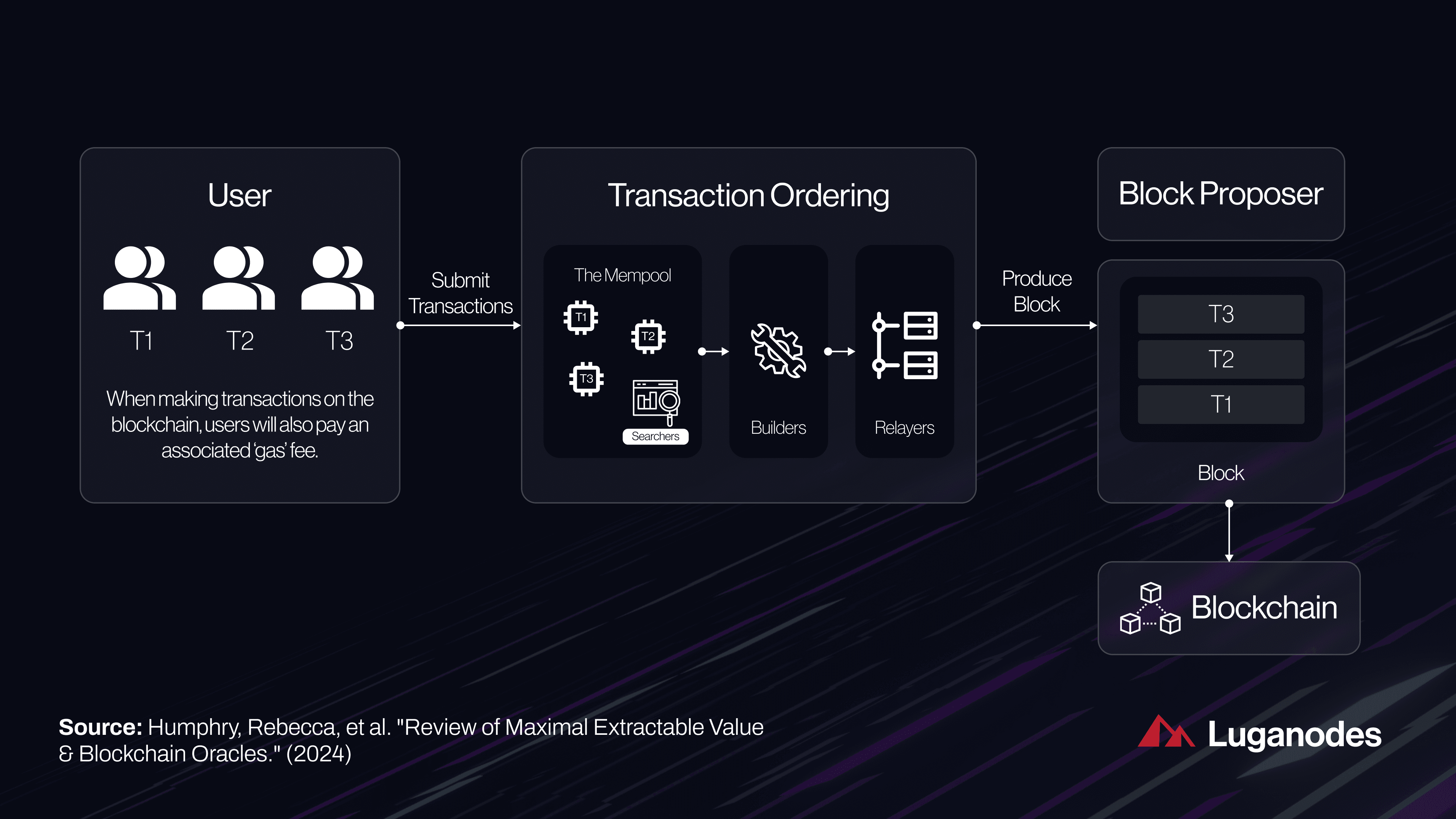
- MEV Capture: Enables efficient extraction and fairer distribution of Maximal Extractable Value across multiple rollups via unified sequencing.
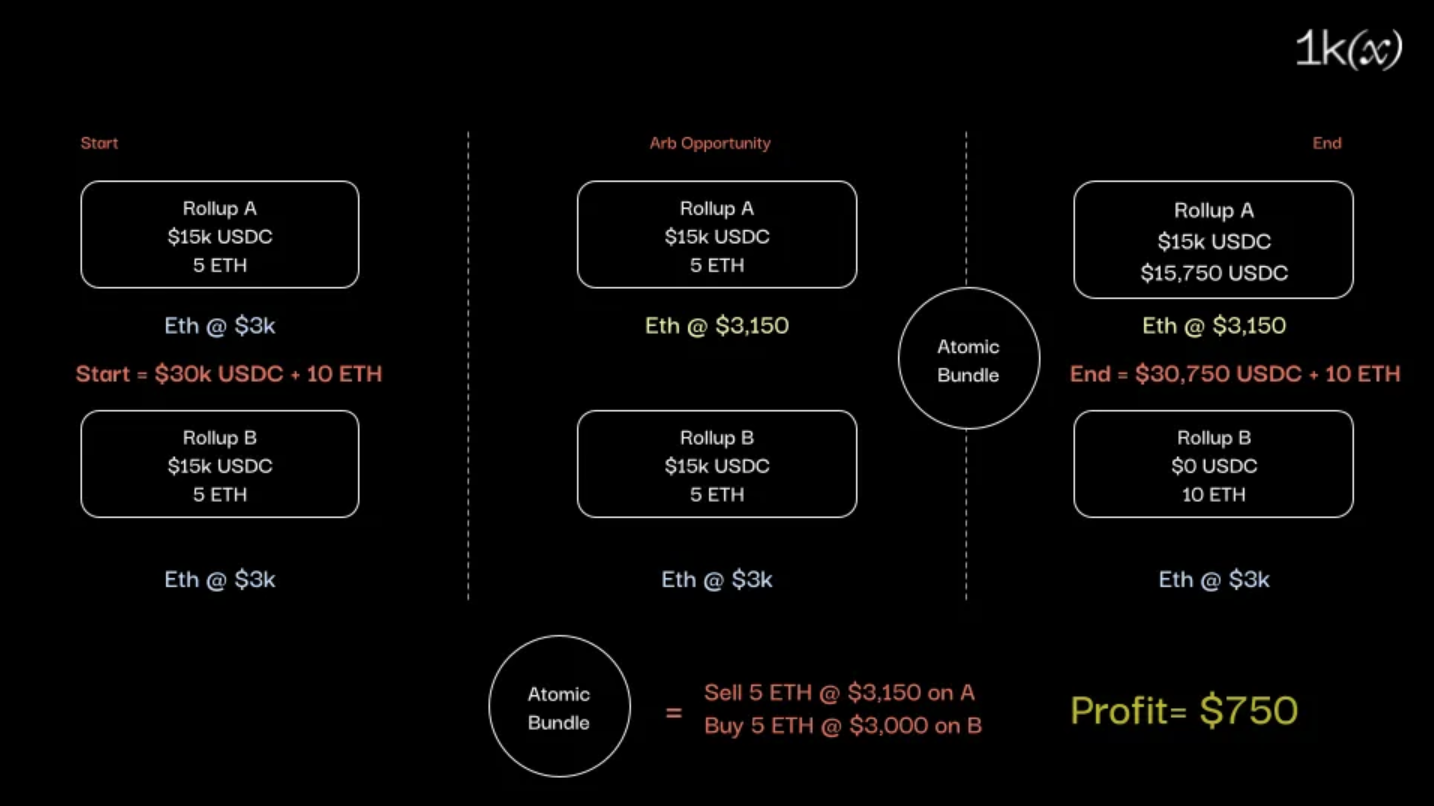
- Cross-Rollup Composability: Facilitates atomic interactions between applications on different rollups within the same block.
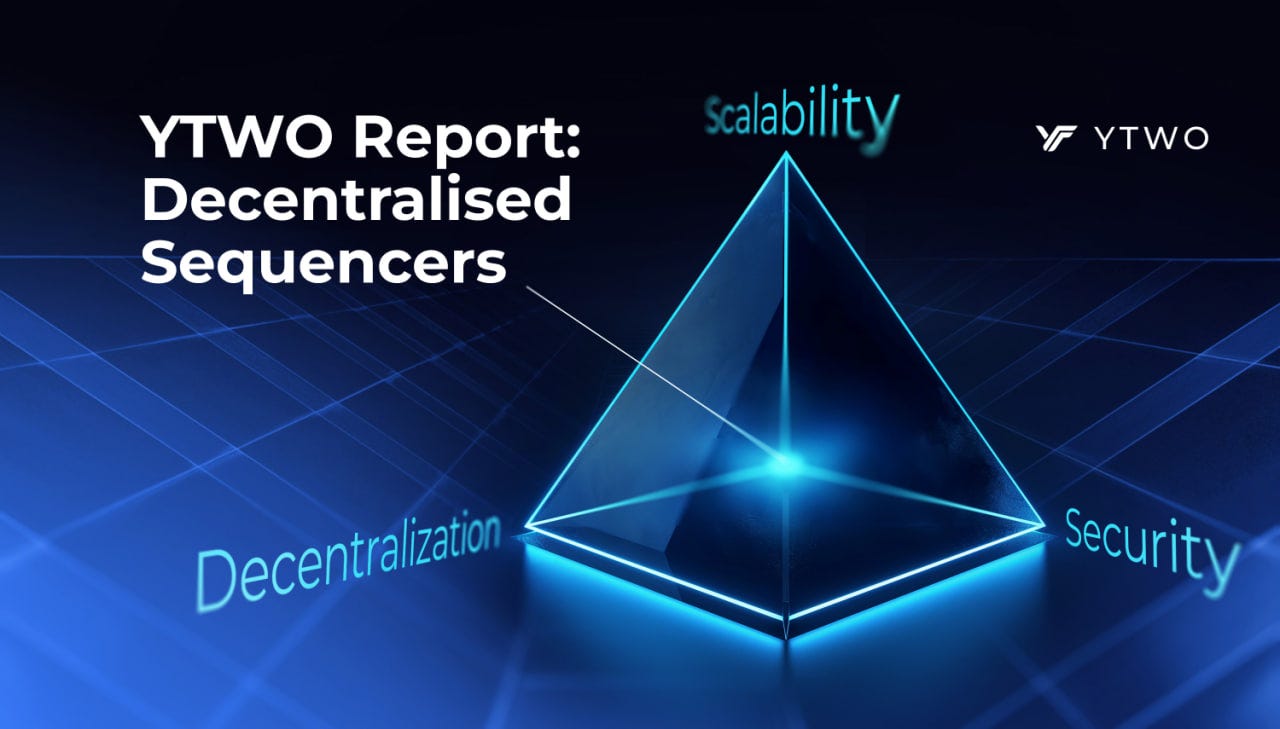
- Decentralization: Mitigates censorship risks and single points of failure by distributing sequencing across a network of nodes.
- Enhanced Interoperability: Unifies transaction ordering for projects like Astria and Espresso, improving L2 ecosystem cohesion.
Navigating Persistent Challenges
Despite advancements, hurdles persist in deploying robust shared sequencing scale. Shared sequencers risk their own centralization if validator sets remain small, while consensus mechanisms must withstand sophisticated attacks without inflating latency. Based rollups, though secure, amplify L1 fees during volatility, potentially pricing out smaller transactions. Metis's decentralized sequencer rollout highlights execution risks: operator collusion or poor slashing enforcement could undermine trust.
Future directions emphasize hybrid models, blending shared layers with L1 basing for optimal resilience. Research into permissionless sequencer entry and economic game theory will define viability. Investors eyeing Ethereum's L2 stack should prioritize projects with audited consensus code and diversified node geography, favoring gradual decentralization over rushed launches.
Crossrollupsequencing. com exemplifies measured progress, delivering unified ordering that enhances developer tooling and operator economics. Its focus on minimized costs and interoperability positions it squarely within Ethereum's modular trajectory, where unified sequencing amplifies collective throughput to rival centralized chains.
With ETH holding at $2,278.53 amid a -2.79% dip, market dynamics reflect broader caution on scaling narratives. Yet, as shared sequencing proliferates, expect accretive pressure on value capture. Due diligence favors patient accumulation in proven infrastructure over speculative bets, ensuring portfolios weather volatility while capturing L2 compounding.




No comments yet. Be the first to share your thoughts!