

In the evolving Ethereum landscape, where ETH holds steady at $2,009.98 amid a 24-hour dip of $22.35, Layer 2 rollups promise scalability but grapple with fragmented transaction ordering. Each rollup's dedicated sequencer creates silos, hindering seamless interactions and exposing users to cross-rollup MEV exploitation. Cross-rollup sequencing emerges as the unifying force, leveraging a shared sequencer to synchronize ordering across chains, fostering true rollup interoperability.
This shift matters because today's dApps demand atomic cross-rollup transactions, where swaps or loans spanning multiple rollups settle reliably without front-running risks. Independent sequencers, while efficient for single chains, amplify issues like inconsistent finality and liquidity fragmentation. Developers building on Arbitrum, Optimism, or zkSync face hurdles in composability, as transactions ordered differently across rollups lead to race conditions and lost opportunities.
Fragmentation's Hidden Costs in Rollup Ecosystems
Picture a trader eyeing an arbitrage between two rollups: a profitable window opens, but by the time transactions propagate, the sequencer's independent ordering has closed it. Cross-rollup MEV, dubbed the unsolved problem of shared sequencing, thrives here. Searchers extract value by manipulating order across chains, yet rollups capture none of it internally. Sources highlight how this leads to censorship vulnerabilities and liveness failures, with centralized sequencers drawing valid critiques.
Moreover, without unified ordering, cross-rollup transaction ordering remains probabilistic, not atomic. Users suffer delays, while rollup operators miss MEV revenue streams. Ethereum's rollups, despite their growth, remain operationally siloed, limiting the modular blockchain vision. As ETH navigates $1,998.55 lows to $2,141.22 highs in the past day, investors eye L2 innovations for resilient growth.
Shared Sequencer Ethereum: The Neutral Ordering Layer
Enter shared sequencer Ethereum architectures from pioneers like Astria and Espresso Systems. These networks aggregate transactions from multiple rollups into a single, decentralized ordering layer, executing no computation themselves to stay lightweight. Astria's modular design orders without execution, ensuring credible neutrality. Espresso's sequencer reduces complexity for atomicity and composability, aligning deeply with Ethereum's security.
By outsourcing sequencing to a permissionless network, rollups shed centralization risks. Operators join, staking to propose blocks and attest orders, distributing MEV capture fairly. This rollup MEV capture model incentivizes participation, unlike solo sequencers hoarding profits. Base rollups exemplify this with Ethereum's proposer network, cutting redundancy.
Unlocking Rollup Interoperability Through Unified Sequencing
Cross-rollup sequencing delivers synchronous state visibility, vital for dApps like DeFi protocols spanning chains. Atomic cross-rollup transactions become feasible, as seen in concepts enabling secure swaps via unified ordering. For instance, Hyperbridge protocols bridge assets reliably under shared sequencing.
Benefits extend to reduced latency and costs; no more waiting for cross-chain proofs. Decentralization strengthens, with liveness guarantees from diverse sequencers. Yet, rollups must relinquish MEV to the network, a trade-off for interoperability gains. Check this analysis on atomic trades for deeper insight.
Ethereum (ETH) Price Prediction 2027-2032
Forecasts incorporating the impact of cross-rollup sequencing adoption on Ethereum's Layer 2 interoperability and ecosystem growth (baseline: $2,010 in 2026)
| Year | Minimum Price | Average Price | Maximum Price | YoY % Change (Avg from Prior Year) |
|---|---|---|---|---|
| 2027 | $2,200 | $3,500 | $5,500 | +74% |
| 2028 | $3,000 | $4,800 | $7,500 | +37% |
| 2029 | $4,000 | $6,500 | $10,000 | +35% |
| 2030 | $5,000 | $8,500 | $13,000 | +31% |
| 2031 | $6,500 | $11,000 | $17,000 | +29% |
| 2022 | $8,000 | $14,000 | $20,000 | +27% |
Price Prediction Summary
Ethereum's price is expected to experience robust growth from 2027-2032, fueled by cross-rollup sequencing advancements that unify transaction ordering, enhance L2 composability, reduce MEV risks, and drive mass adoption. Average prices could surge over 6x from 2026 levels by 2032 in a baseline scenario, with bullish maxima reflecting full ecosystem integration and bearish minima accounting for market volatility.
Key Factors Affecting Ethereum Price
- Widespread adoption of shared sequencers (e.g., Astria, Espresso) enabling atomic cross-rollup transactions
- Reduction in cross-rollup MEV and improved decentralization/liveness
- Ethereum L2 scaling boom increasing TVL and transaction throughput
- Favorable regulatory developments and institutional inflows
- Crypto market cycles with potential bull runs post-2026
- Competition from Solana/other L1s and macroeconomic factors influencing volatility
Disclaimer: Cryptocurrency price predictions are speculative and based on current market analysis. Actual prices may vary significantly due to market volatility, regulatory changes, and other factors. Always do your own research before making investment decisions.
From a portfolio lens, these dynamics bolster L2 tokens and ETH alike, diversifying across chains for growth. As 2026 looms with predicted MEV headaches, shared solutions position Ethereum for modular dominance.
Prominent projects are already turning this vision into reality. Astria's Shared Sequencer Network stands out as a modular blockchain that collects and sequences transactions from various rollups, deliberately avoiding execution to maintain speed and neutrality. By design, it tackles censorship and liveness issues head-on, while redistributing MEV opportunities across participants. Espresso Systems complements this with its sequencer, emphasizing low-latency ordering that simplifies achieving atomic cross-rollup interactions. These aren't just theoretical; they're battle-tested in testnets, proving shared sequencing can scale without compromising Ethereum's ethos.
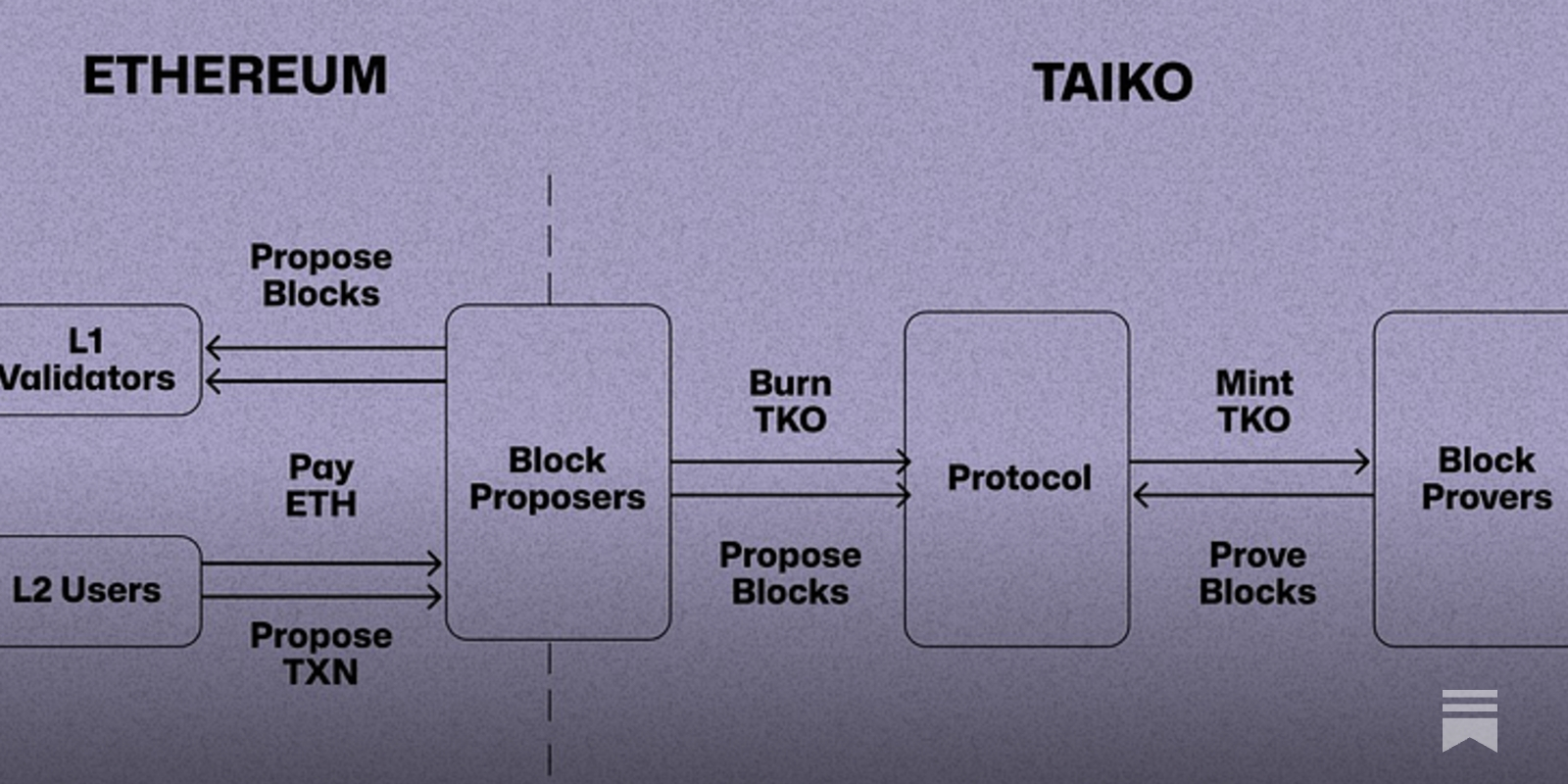
Consider the economics: in a solo sequencer setup, a single operator pockets all rollup MEV capture, breeding centralization. Shared models flip the script, with staked operators competing to propose fair orders, slashing extractable value abuses. Revert-based MEV on fast-finality rollups, as recent studies note, emerges from these imbalances, but unified cross-rollup transaction ordering minimizes reverts by ensuring consistent visibility. Rollups like those in the OP Stack gain atomic trades, as detailed in specialized analyses.
Navigating Trade-Offs in Ethereum Shared Sequencing
Adoption isn't seamless. Established rollups must integrate, often ceding MEV streams to the sequencer network, a tough pill for profit-focused operators. Liveness hinges on robust decentralization; a colluding minority could disrupt, though slashing mechanisms deter this. Still, the upside outweighs: enhanced rollup interoperability unlocks composability, letting dApps orchestrate multi-chain strategies effortlessly. Traders execute cross-rollup arbitrages with confidence, no longer at the mercy of probabilistic timing.

From my vantage as a portfolio manager blending stocks and crypto, these shifts diversify risk across L2s. With ETH at $2,009.98, down 1.10% over 24 hours from a high of $2,141.22, shared sequencers fortify the ecosystem's base. They capture value that fragmented ordering leaks, channeling it back to stakers and ETH holders via fees. Hybrid funds I oversee tilt toward L2 scalers, as shared sequencer Ethereum networks promise resilient yields amid volatility.
2026 Outlook: MEV Headaches Meet Solutions
Looking ahead, 10 cross-rollup MEV headaches loom large by 2026, from sandwich attacks spanning chains to orphaned intents. Yet shared sequencers neutralize many, fostering a unified membrane around rollups. Protocols like Hyperbridge evolve into full interoperability hubs, securing asset flows under neutral ordering. Base rollups, leveraging Ethereum proposers, preview this redundancy-free future, boosting systemic liveness.
| Solo Sequencer | Shared Sequencer |
|---|---|
| Centralized control | Permissionless network |
| Fragmented liquidity | Atomic composability |
| High MEV leakage | Distributed capture |
| Probabilistic ordering | Synchronous finality |
This table underscores the pivot. Investors should watch integration milestones; Astria's mainnet or Espresso partnerships could spark rallies in related tokens, buoying ETH above its recent $1,998.55 low. Diversification across chains isn't hype, it's strategy, shielding portfolios from single-rollup failures.
Ultimately, cross-rollup sequencing weaves Ethereum's rollups into a cohesive fabric, where transactions flow as one. Developers gain tools for ambitious dApps, users enjoy fluid experiences, and the network reaps scalability without silos. As modular blockchains mature, this shared layer cements Ethereum's lead, turning scalability promises into everyday reality.




No comments yet. Be the first to share your thoughts!