
In the evolving Ethereum Layer 2 landscape, cross-rollup shared sequencing emerges as a foundational mechanism to bridge isolated rollup environments. With Ethereum trading at $1,982.31, up $7.78 or 0.3940% over the past 24 hours, investors eye scalability solutions that promise genuine interoperability without compromising security. Traditional rollups, each wielding independent sequencers, fragment liquidity and expose users to asynchronous state updates, complicating dApp development and user experience. Shared sequencers offer a neutral layer for unified transaction ordering, potentially unlocking atomic cross-rollup interactions essential for modular blockchain sequencing.
Rollup proliferation has slashed fees and boosted throughput, yet the silos persist. Developers building across chains like Optimism or Arbitrum face hurdles in synchronous composability, where a swap on one rollup demands immediate visibility on another. This friction amplifies as rollups multiply, turning cross-rollup MEV capture into a looming concern projected to intensify by 2026.
Fragmentation's Toll on Rollup Interoperability
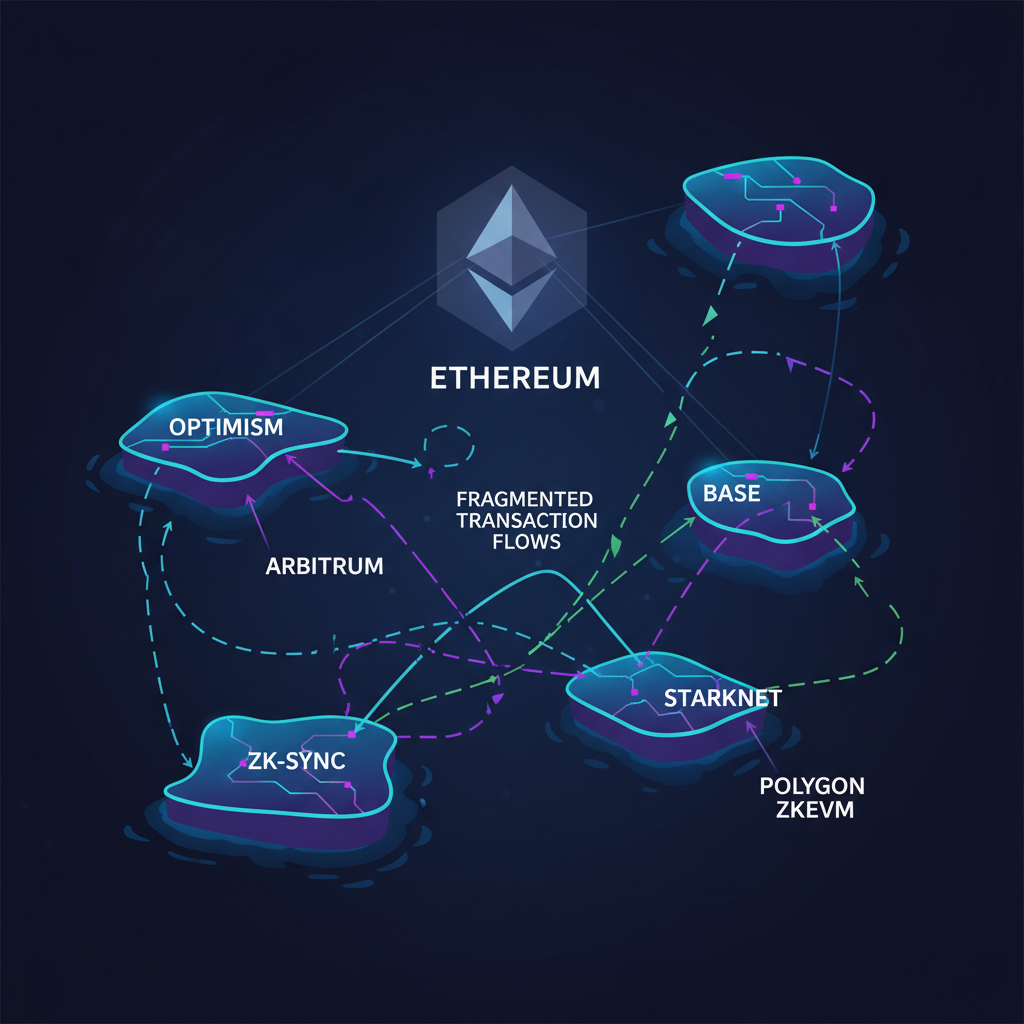
Independent sequencers, while enabling tailored execution, breed inefficiencies. Transactions ordered in isolation lead to front-running across chains, arbitrage delays, and liquidity splintering. Sources highlight cross-rollup MEV as the "unsolved problem of shared sequencing, " with headaches like inconsistent ordering fueling harmful extraction. Rollups operating solo invite censorship risks and liveness faults, as a single sequencer outage cascades to its ecosystem.
Consider the mechanics: a user bridging assets from Arbitrum to Base awaits confirmation, only for MEV bots to exploit timing discrepancies elsewhere. This not only erodes trust but hampers rollup interoperability, stifling dApp adoption. Ethereum's scaling success via rollups is undeniable, yet without coordination, the network risks balkanization, diluting the promise of a unified L2 superchain.

Shared Sequencers as the Unifying Force
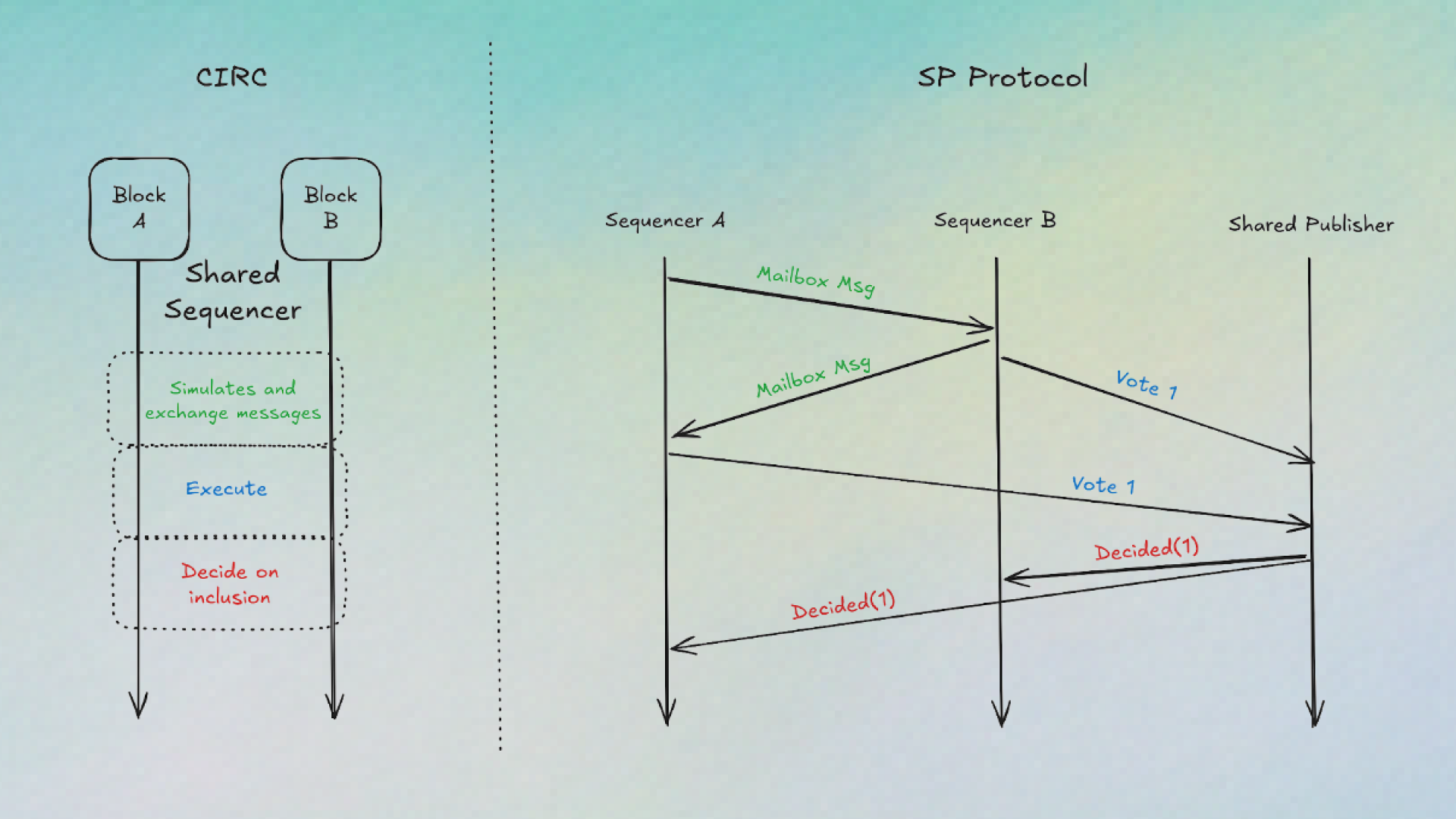
A shared sequencer Ethereum network aggregates transactions from multiple rollups into a single, decentralized ordering layer. Sequencers, now shared, broadcast a unified sequence to all participants, enabling atomic settlements and real-time state sync. This architecture curbs MEV excesses by enforcing fair ordering, bolsters censorship resistance through distributed validation, and trims redundancy versus per-rollup setups.
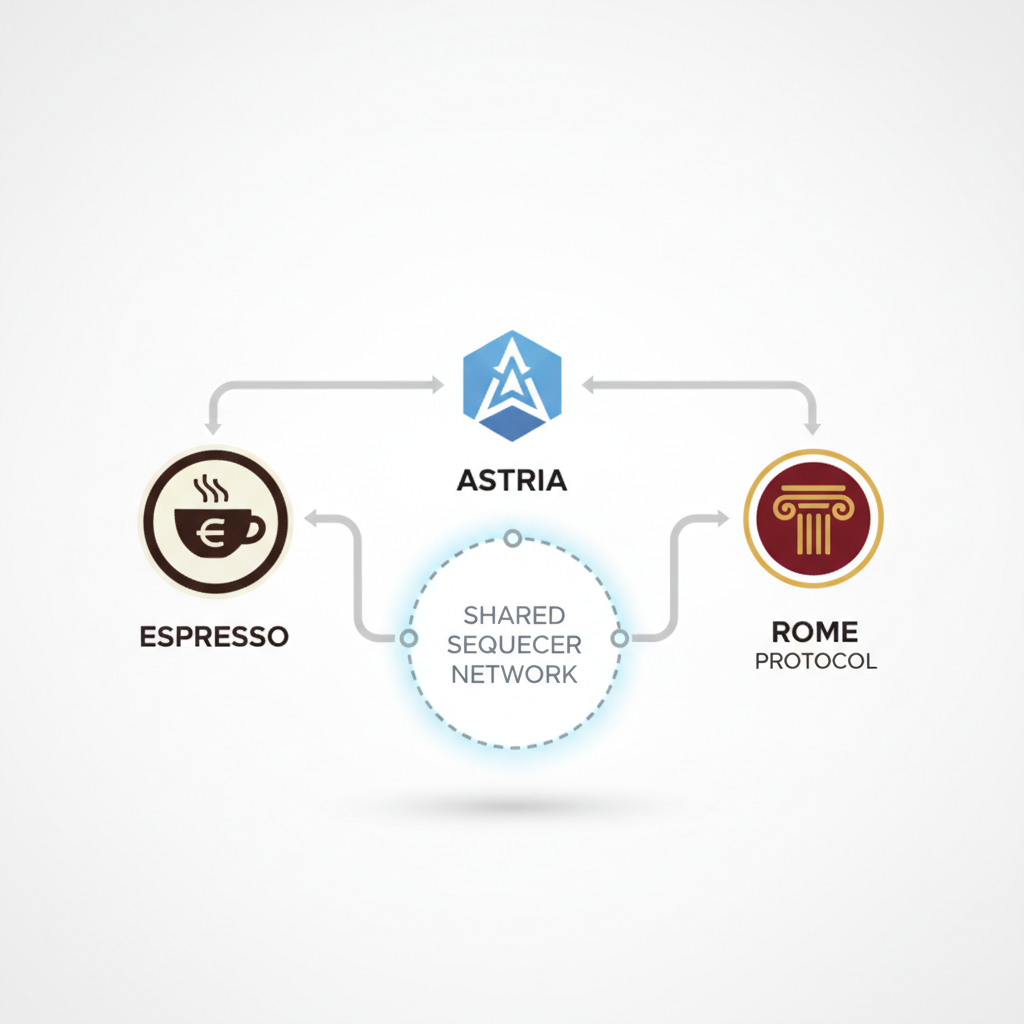
Projects like Espresso Systems pioneer decentralized sequencers, while Astria and Rome Protocol advance neutral marketplaces. By pooling resources, these networks minimize costs and latency, fostering ethereum shared sequencing that aligns with conservative scalability bets. Investors should note, however, that centralization critiques linger; rollups today rely on operator-controlled sequencers, vulnerable to downtime or collusion.
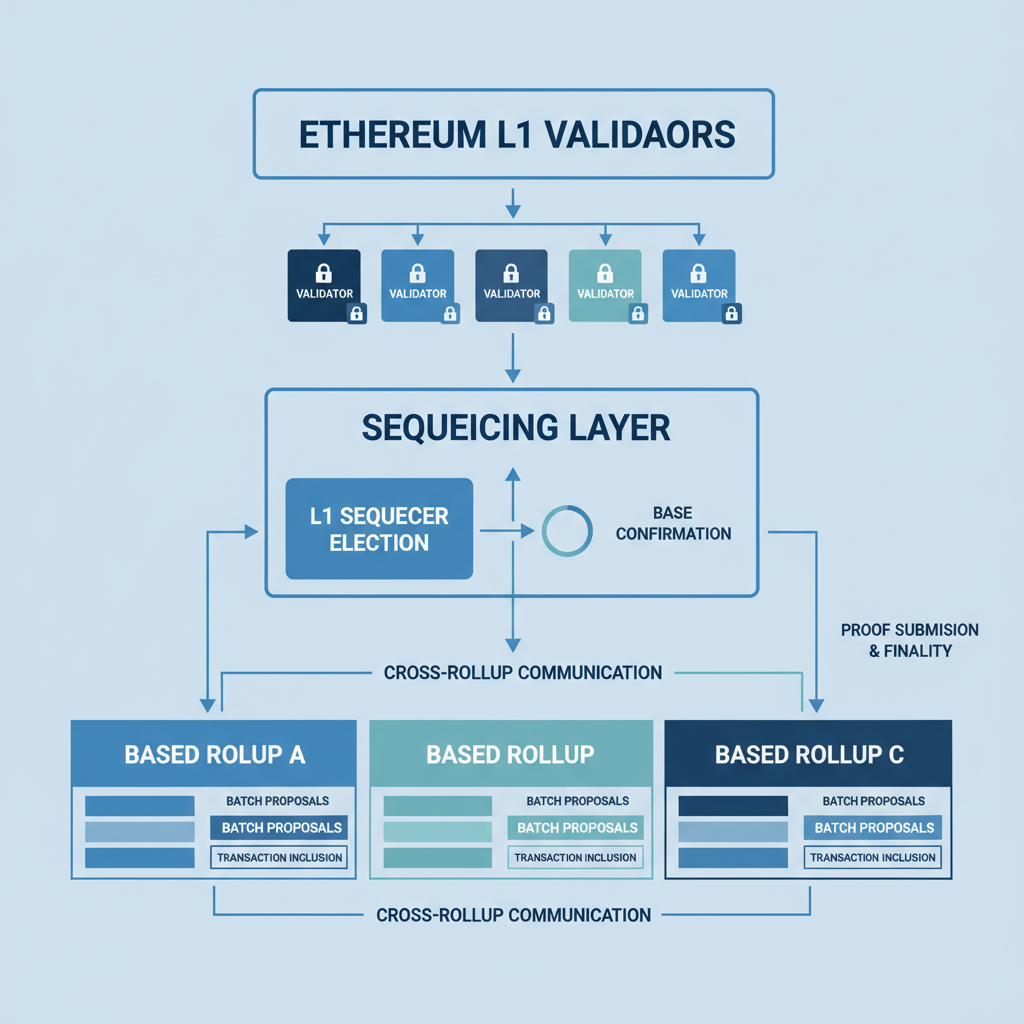
One pathway lies in based rollups, leveraging Ethereum's proposer-builder separation for sequencing. This taps L1 validators, inheriting their security without bespoke infrastructure. Native rollups further evolve this, proposing L1 execution synergies to eliminate security councils altogether.
Navigating Risks in Cross-Rollup Sequencing Adoption
While promising, cross-rollup sequencing introduces trade-offs. Proponents tout immediate interoperability among participants, yet dependency on a shared set risks systemic faults if consensus falters. MEV mitigation via fair ordering sounds appealing, but implementation details matter; incomplete decentralization could invite new extractors.
From an institutional lens, I advocate scrutiny of sequencer sets' governance and validator economics. Patience rewards those diligencing tokenomics and liveness proofs over hype. For instance, atomic cross-rollup trades hinge on reliable sequencing, as explored in analyses of OP Stack integrations. Ethereum at $1,982.31 underscores L2 momentum, but true value accrues to proven infrastructures.
Ethereum (ETH) Price Prediction 2027-2032
Factoring in Cross-Rollup Shared Sequencing Adoption and Rollup Interoperability Growth
| Year | Minimum Price (USD) | Average Price (USD) | Maximum Price (USD) | YoY Growth (Avg %) |
|---|---|---|---|---|
| 2027 | $2,800 | $4,200 | $6,500 | +112% |
| 2028 | $3,500 | $5,800 | $9,200 | +38% |
| 2029 | $4,500 | $7,500 | $12,000 | +29% |
| 2030 | $6,000 | $10,000 | $16,000 | +33% |
| 2031 | $8,000 | $13,000 | $21,000 | +30% |
| 2032 | $10,000 | $17,000 | $28,000 | +31% |
Price Prediction Summary
Ethereum's price is forecasted to experience substantial growth from 2027 to 2032, propelled by cross-rollup shared sequencing advancements that unify transaction ordering, enhance L2 interoperability, reduce MEV extraction risks, and enable atomic cross-rollup transactions. Average prices could climb from $4,200 in 2027 to $17,000 by 2032, with bullish maxima reaching $28,000 amid favorable market cycles and adoption.
Key Factors Affecting Ethereum Price
- Widespread deployment of shared sequencers (e.g., Espresso Systems, Astria, Rome Protocol) improving censorship resistance and fairness
- Enhanced rollup composability enabling seamless cross-L2 interactions and liquidity aggregation
- Mitigation of cross-rollup MEV headaches boosting user trust and dApp development
- Increased L2 throughput, lower fees, and higher TVL driving mass adoption
- Bullish market cycles, ETH ETF inflows, and regulatory clarity supporting upside
- Bearish risks including implementation delays, competition from Solana/other L1s, and macroeconomic downturns capping minimums
Disclaimer: Cryptocurrency price predictions are speculative and based on current market analysis. Actual prices may vary significantly due to market volatility, regulatory changes, and other factors. Always do your own research before making investment decisions.
Market dynamics amplify these stakes. With rollups capturing surging TVL, unified sequencing could catalyze composability, yet 2026 forecasts warn of MEV pitfalls absent coordination. Conservative strategies favor diversified exposure to sequencer-native protocols, balancing upside with prudent risk assessment.
Espresso Systems stands out with its decentralized sequencer network, designed to support rollups in shedding centralized points of failure. Their approach confirms a shared sequence via a lightweight consensus mechanism, ensuring liveness without heavy computation. Astria complements this by offering a permissionless sequencer marketplace, where operators compete on performance and fairness. Rome Protocol pushes boundaries further, integrating proof systems for verifiable ordering that resists manipulation.
Unlocking Rollup Harmony: Shared Sequencing Explained
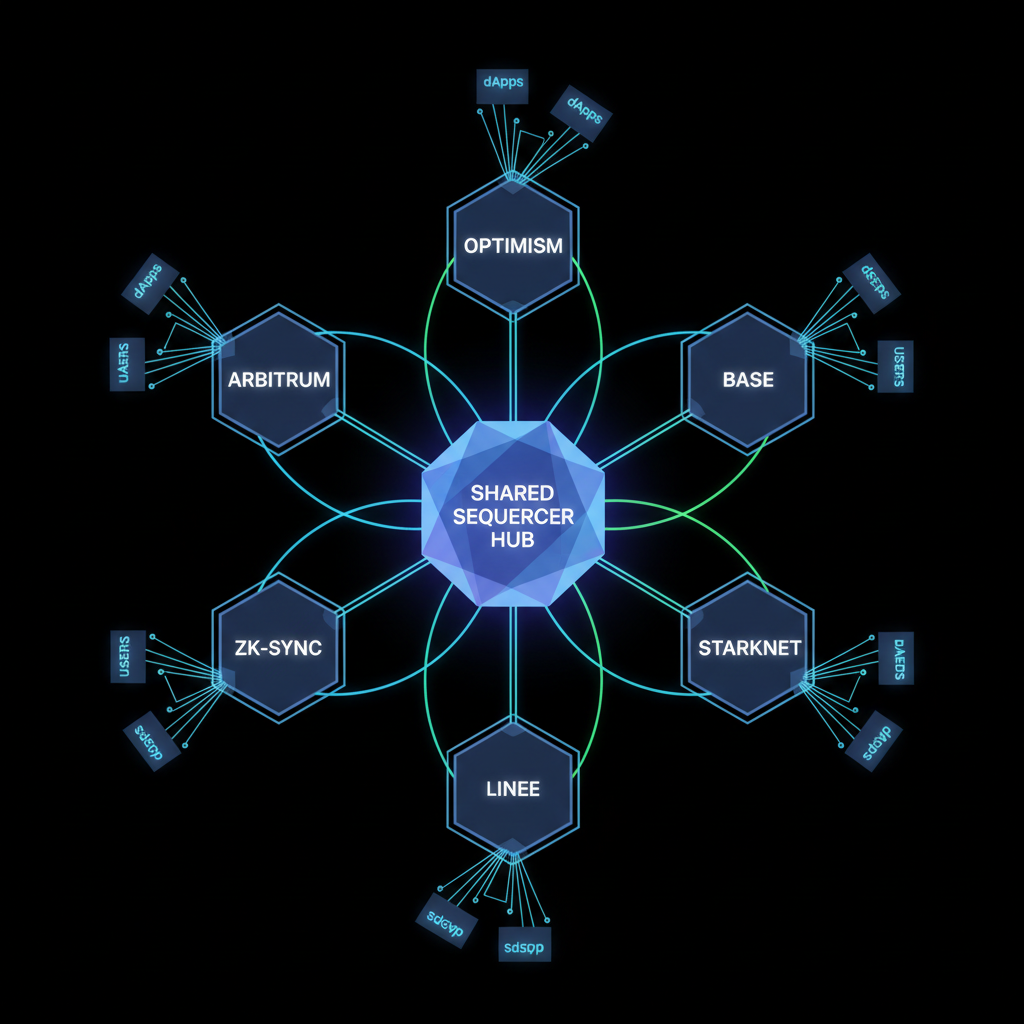
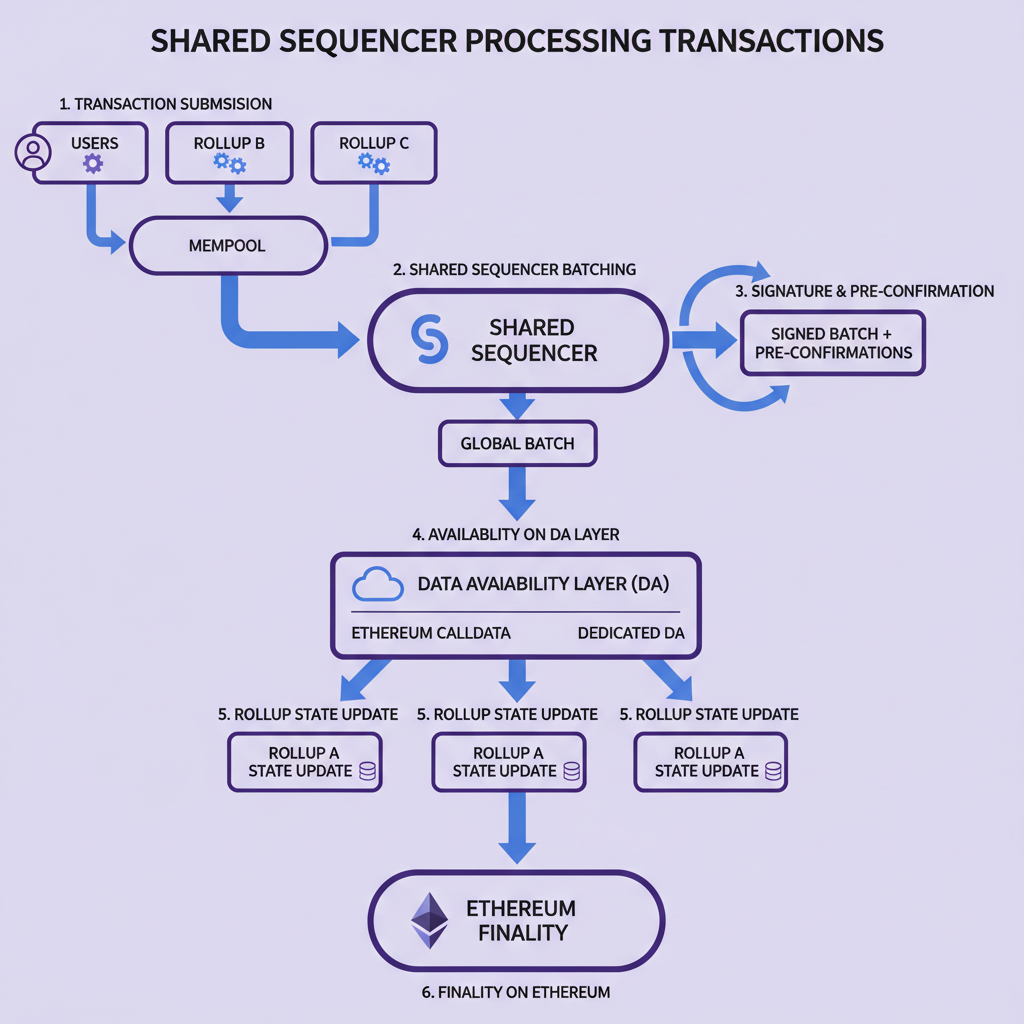
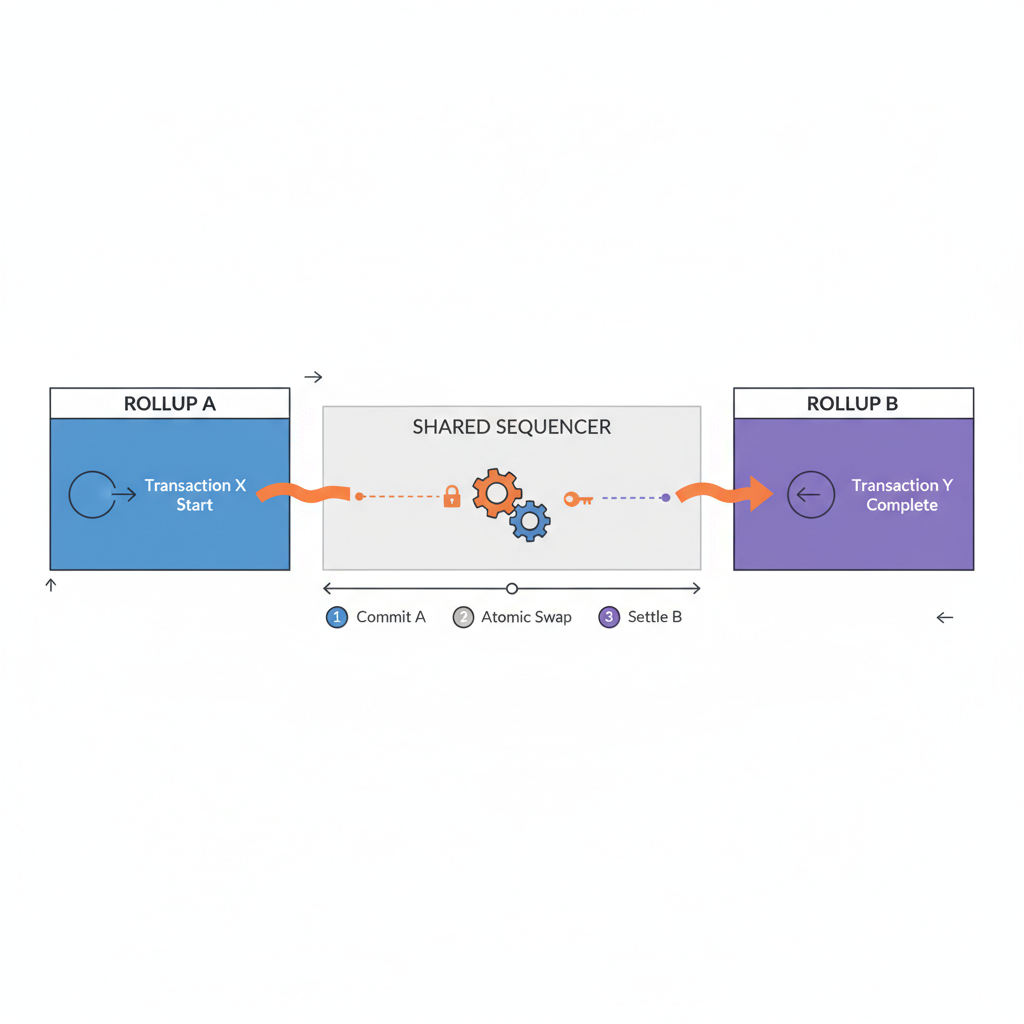
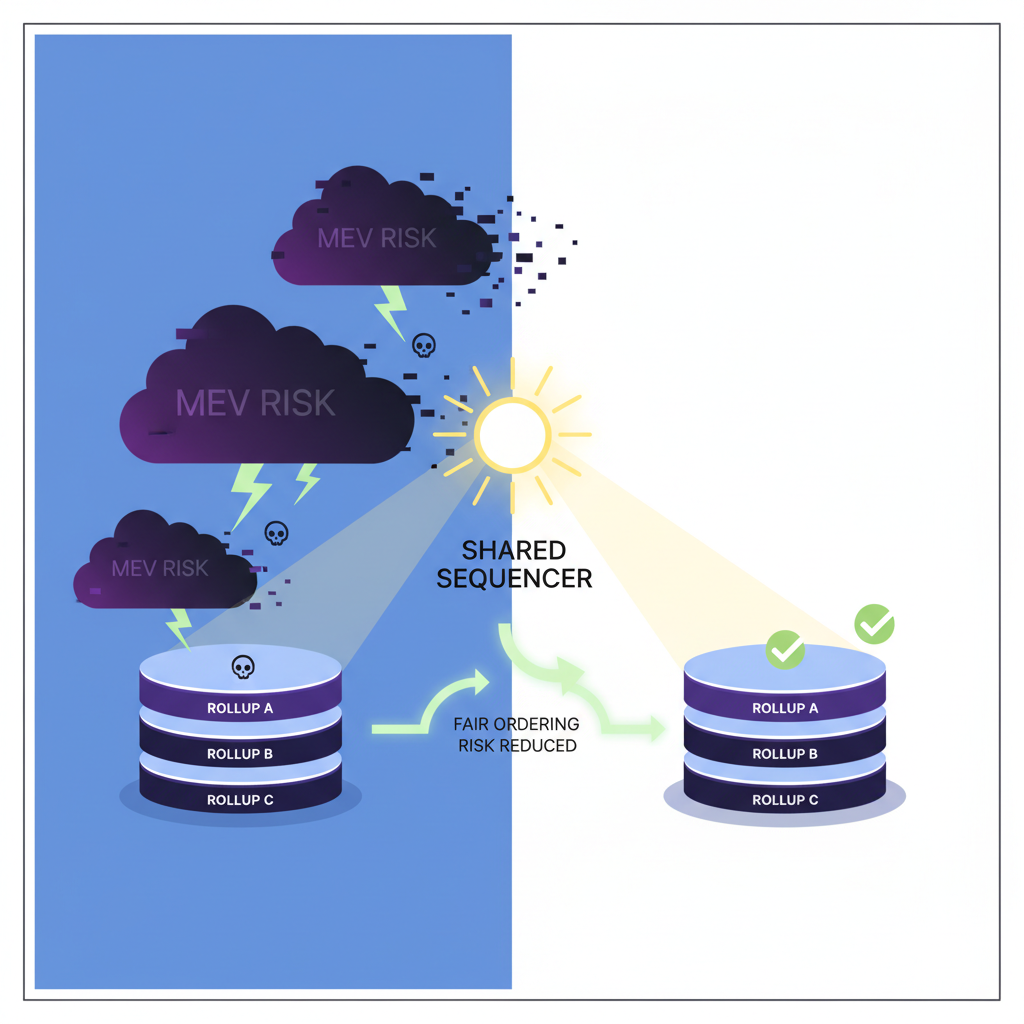
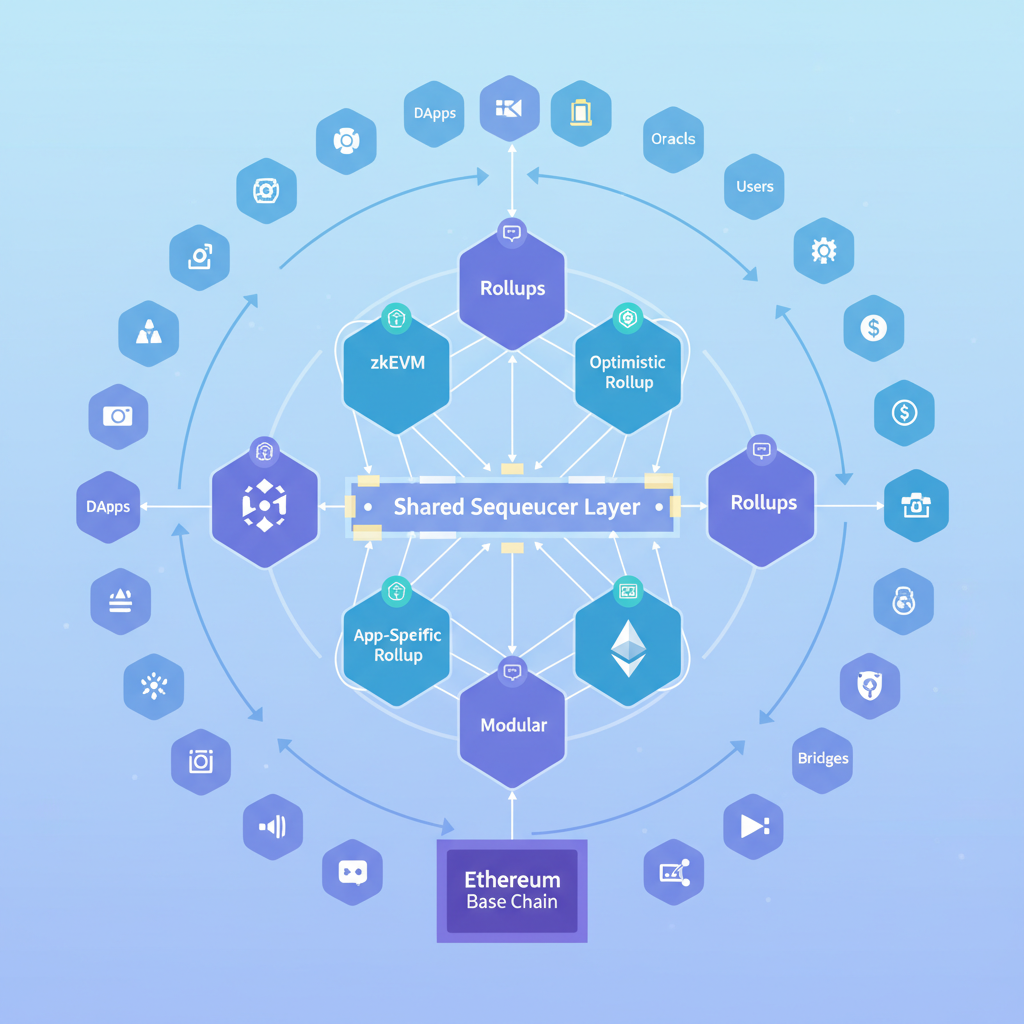
These initiatives address core pain points head-on. Independent sequencers splinter liquidity, but shared setups enable synchronous composability, where a DeFi position opened on Optimism instantly reflects on Base. This unlocks modular blockchain sequencing, allowing developers to mix execution environments without bridges' delays or risks. Censorship resistance improves as no single entity dictates order; distributed nodes enforce fairness, curbing the cross-rollup MEV bots that prey on discrepancies.
Quantifying the Shared Sequencing Edge
| Metric | Independent Sequencers | Shared Sequencers |
|---|---|---|
| Latency (ms) | 200-500 | 50-150 |
| MEV Exposure | High (per-rollup extraction) | Low (fair ordering) |
| Interoperability | Asynchronous | Atomic |
| Censorship Risk | Medium-High | Low |
The table above distills advantages conservatively estimated from project whitepapers and early tests. Latency drops stem from batched processing, while MEV reduction hinges on encrypted mempools and randomized inclusion. Yet, these gains demand robust economics; sequencer operators must earn via fees or staking without inflating costs back to users.
Based rollups merit special attention, outsourcing sequencing to Ethereum L1 proposers. This inherits proven security, sidesteps sequencer centralization, and aligns incentives with ETH's $1,982.31 valuation. Pre-confirmations via this model quicken user experience, vital as rollup TVL climbs. Native rollups extend the logic, blending L1 execution for EVM chains to bypass governance vulnerabilities altogether.
Implementation hurdles persist. Shared networks risk "sequencer sets" becoming new chokepoints if participation lags. Liveness faults could halt multiple rollups, amplifying downtime versus isolated failures. Governance models vary; some lean on tokens prone to speculation, others on neutral DAOs. Investors must parse these, favoring protocols with audited consensus and diversified node operators.
Cross-rollup composability shines brightest in DeFi. Imagine atomic trades spanning Arbitrum and zkSync, settled in one sequence. Detailed explorations, such as this analysis of OP Stack integrations, reveal how such mechanics slash settlement risks and boost capital efficiency. For dApps, this means fluid UX, drawing retail deeper into L2s.
Looking to 2026, cross-rollup MEV headaches loom unless shared sequencing scales. Proliferation forecasts predict dozens of rollups, demanding unified layers to avert fragmentation. Ethereum's resilience at $1,982.31, with a 24-hour range from $1,933.17 to $2,019.78, signals market faith in L2 evolution. Yet, hype cycles tempt overreach; true winners will prove economic viability amid volatility.
From my vantage as a CFA charterholder steeped in blockchain fundamentals, the prudent path favors measured allocation to shared sequencer primitives. Track metrics like active rollups per network, sequencer uptime, and MEV redistribution fairness. Diversify across Espresso, Astria, and based variants, hedging centralization vectors. Patience and due diligence, as always, trump fleeting narratives in Web3. Ethereum's modular ascent hinges on these foundations, rewarding those who invest with eyes wide open.




No comments yet. Be the first to share your thoughts!