
In the evolving landscape of Ethereum's Layer 2 ecosystem, cross-rollup sequencing emerges as a critical innovation poised to reshape how transactions flow across fragmented rollups. By 2026, as dApps demand sub-second responsiveness, the disjointed transaction ordering that plagues current setups risks stifling growth. Developers and users alike grapple with delays and exploitable gaps, yet a unified sequencing layer promises to knit these silos into a cohesive fabric, slashing latency while fortifying against systemic vulnerabilities.
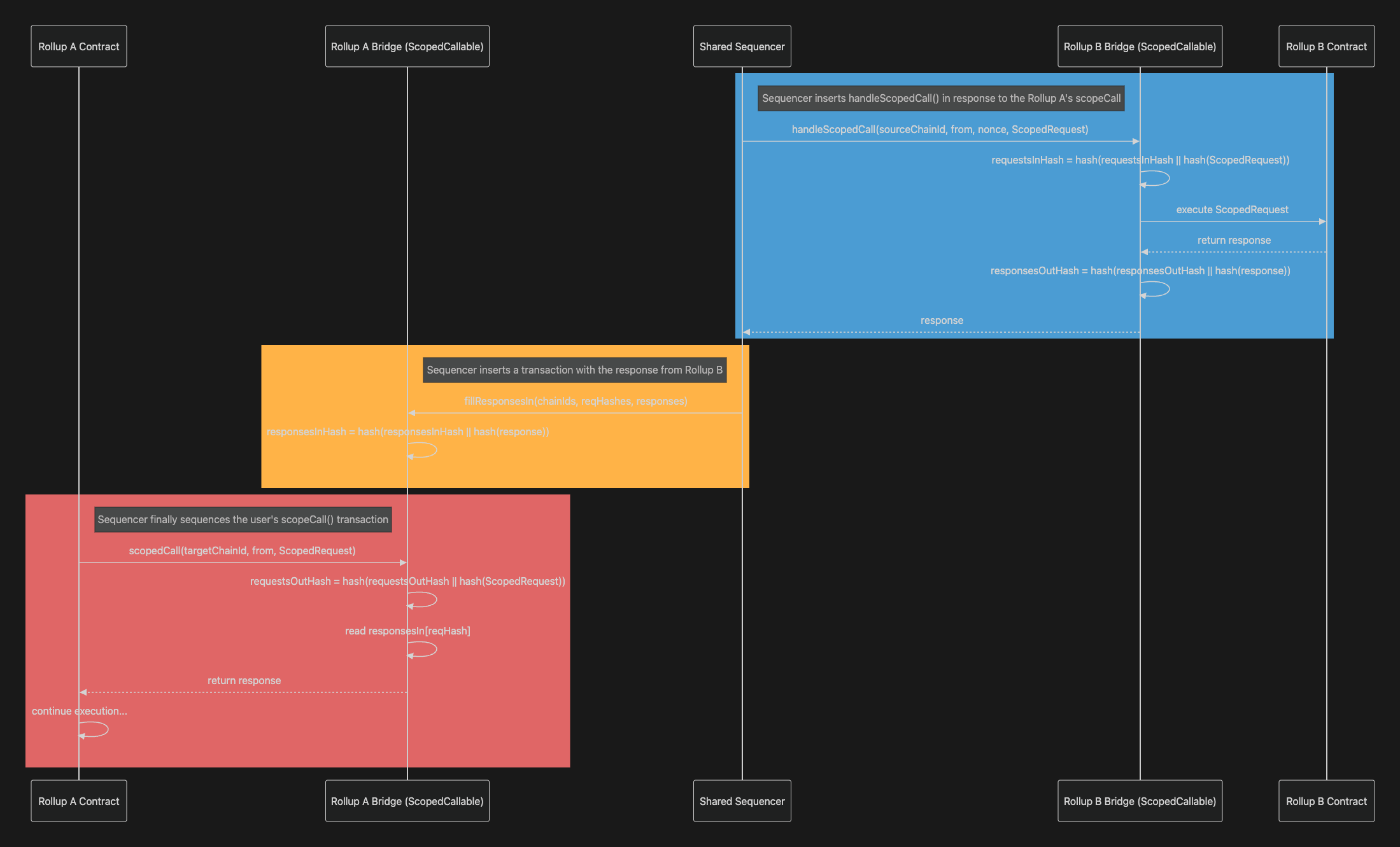
Rollups like Optimism, Arbitrum, and Base have scaled Ethereum admirably, but their independent sequencers create islands of activity. Transactions intended for cross-chain interactions often settle non-atomically, opening doors to cross-rollup MEV exploits such as arbitrage sandwiches that span rollups. Research highlights this as the 'unsolved problem of shared sequencing, ' where profitable manipulations evade single-rollup safeguards. From my vantage in risk management, this fragmentation mirrors unhedged exposures in volatile markets; without coordination, tail risks amplify.
Navigating Cross-Rollup MEV Headaches in 2026
Projections for 2026 paint a stark picture: with dozens of rollups live, rollup transaction ordering inconsistencies could spawn tenfold MEV headaches. Non-atomic arbitrage, quantified in recent arXiv studies, already siphons value across L2s, and independent sequencing exacerbates front-running of cross-rollup bundles. Centralized sequencers compound the issue, inviting censorship and liveness failures that undermine trust. In a high-throughput world, these frictions not only inflate costs but erode the decentralized ethos Ethereum champions.
Yet, dismissing rollups overlooks their triumphs in throughput. The real pivot lies in evolving beyond silos. Shared sequencers, by aggregating and ordering transactions neutrally, curb these MEV vectors while preserving rollup sovereignty. This isn't mere optimism; it's a pragmatic hedge against interoperability pitfalls that could otherwise deter institutional adoption.
Key Benefits of Shared Sequencing
- Reduced MEV Extraction Across Rollups: Shared sequencers unify ordering to mitigate cross-rollup MEV opportunities, as noted in analyses from Medium and arXiv.
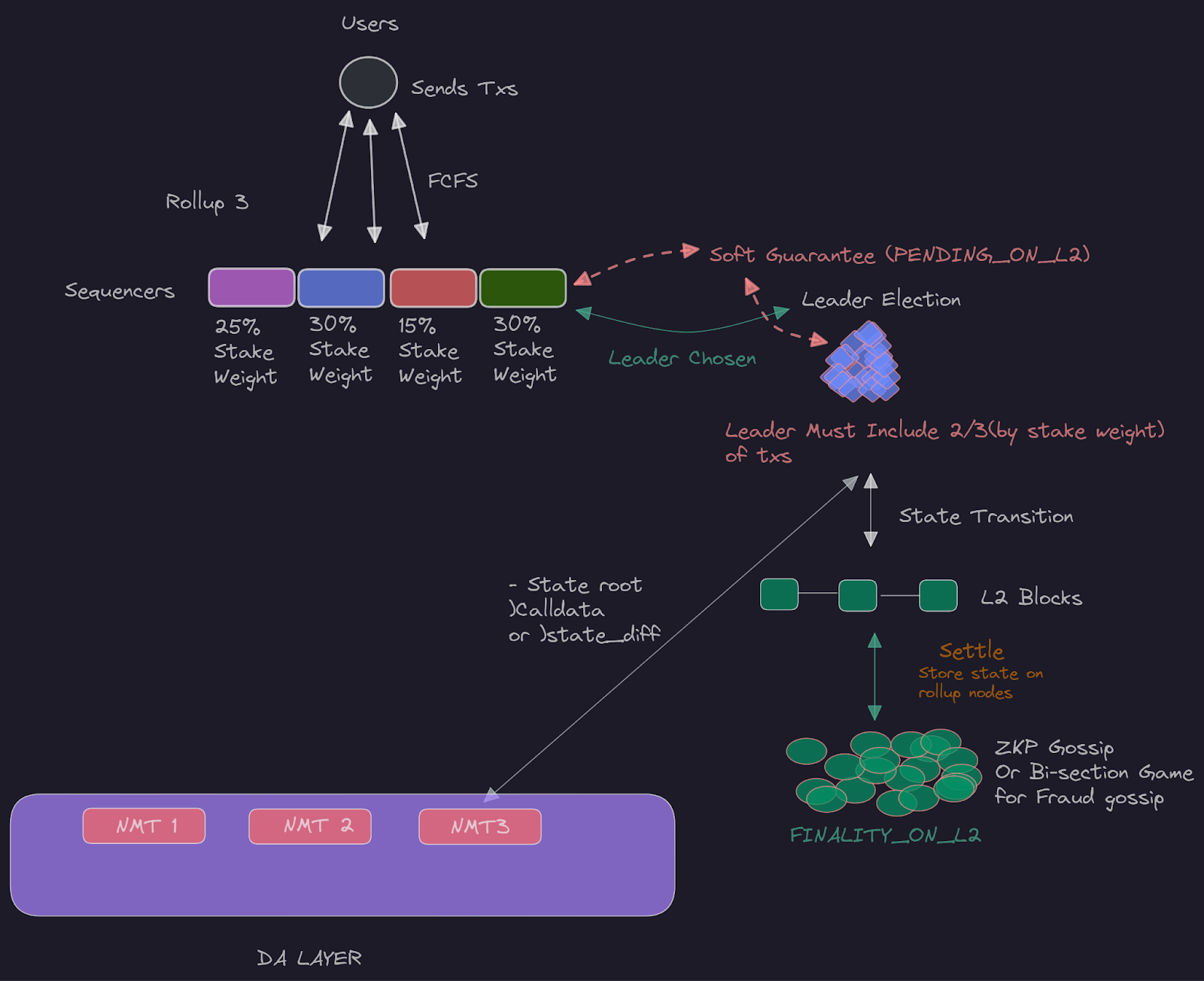
- Atomic Cross-Rollup Transactions: Enables bundled transactions with all-or-nothing execution across rollups, improving composability per Radius proposals.
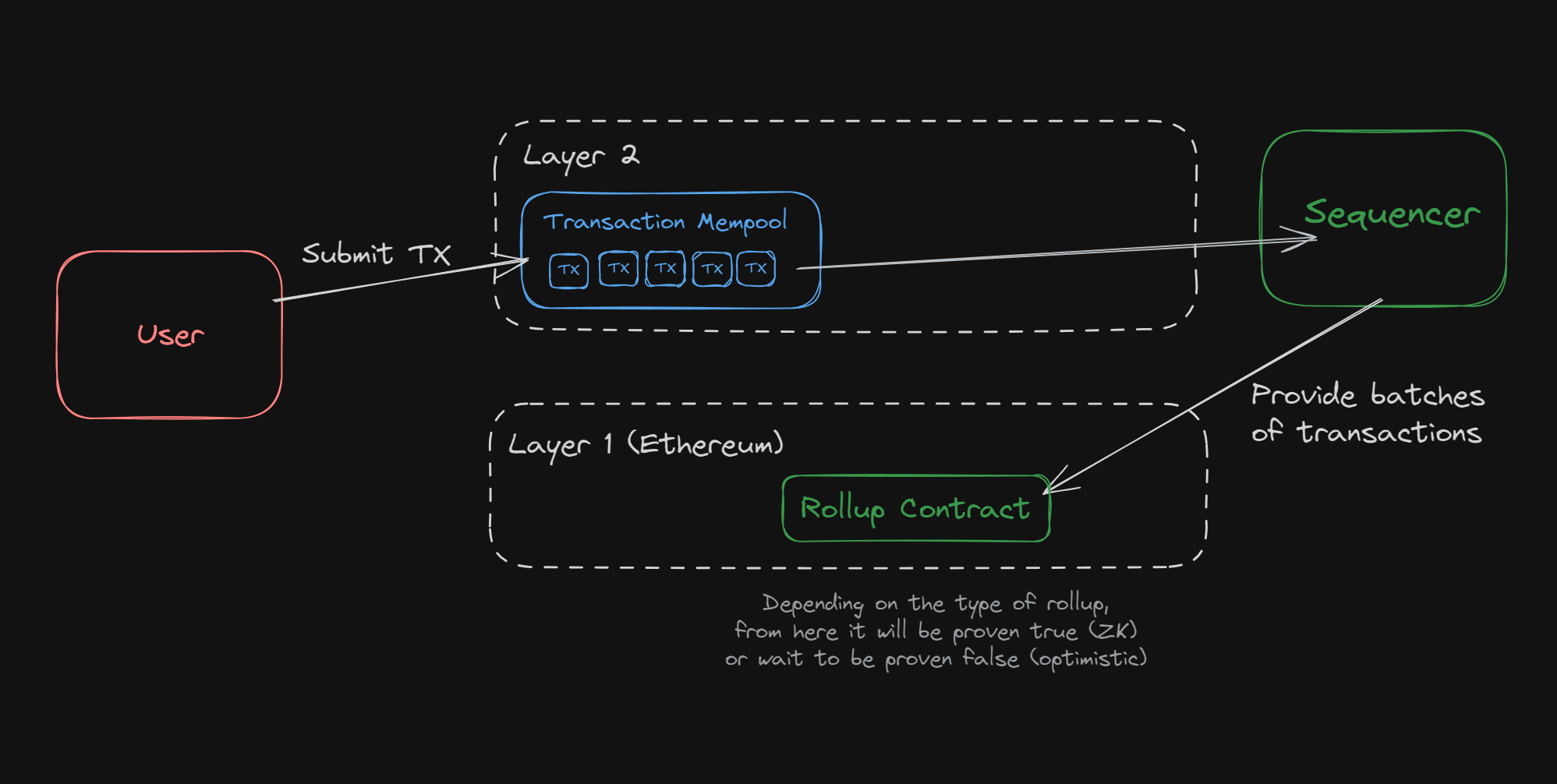
- Decentralized Liveness Guarantees: Distributed sequencer networks like Astria and Espresso provide robust liveness without single points of failure.
- Lower Latency for dApps: Coordinated ordering reduces fragmentation, supporting low-latency dApps via unified Ethereum rollup sequencing.
- Enhanced Security Through Consensus: Leverages protocols like HotShot for secure, decentralized transaction ordering across rollups.
Decentralized Shared Sequencers Take Center Stage
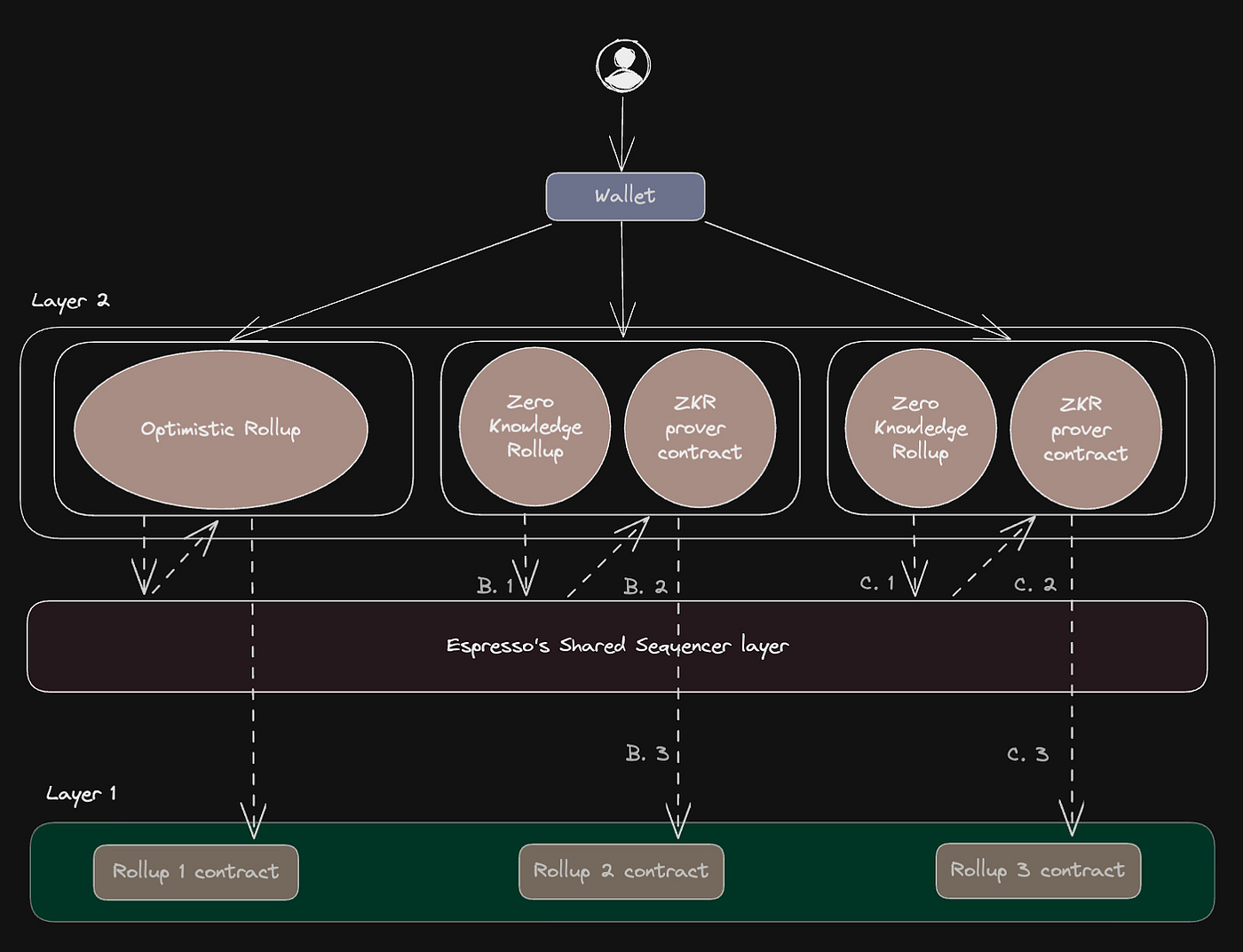
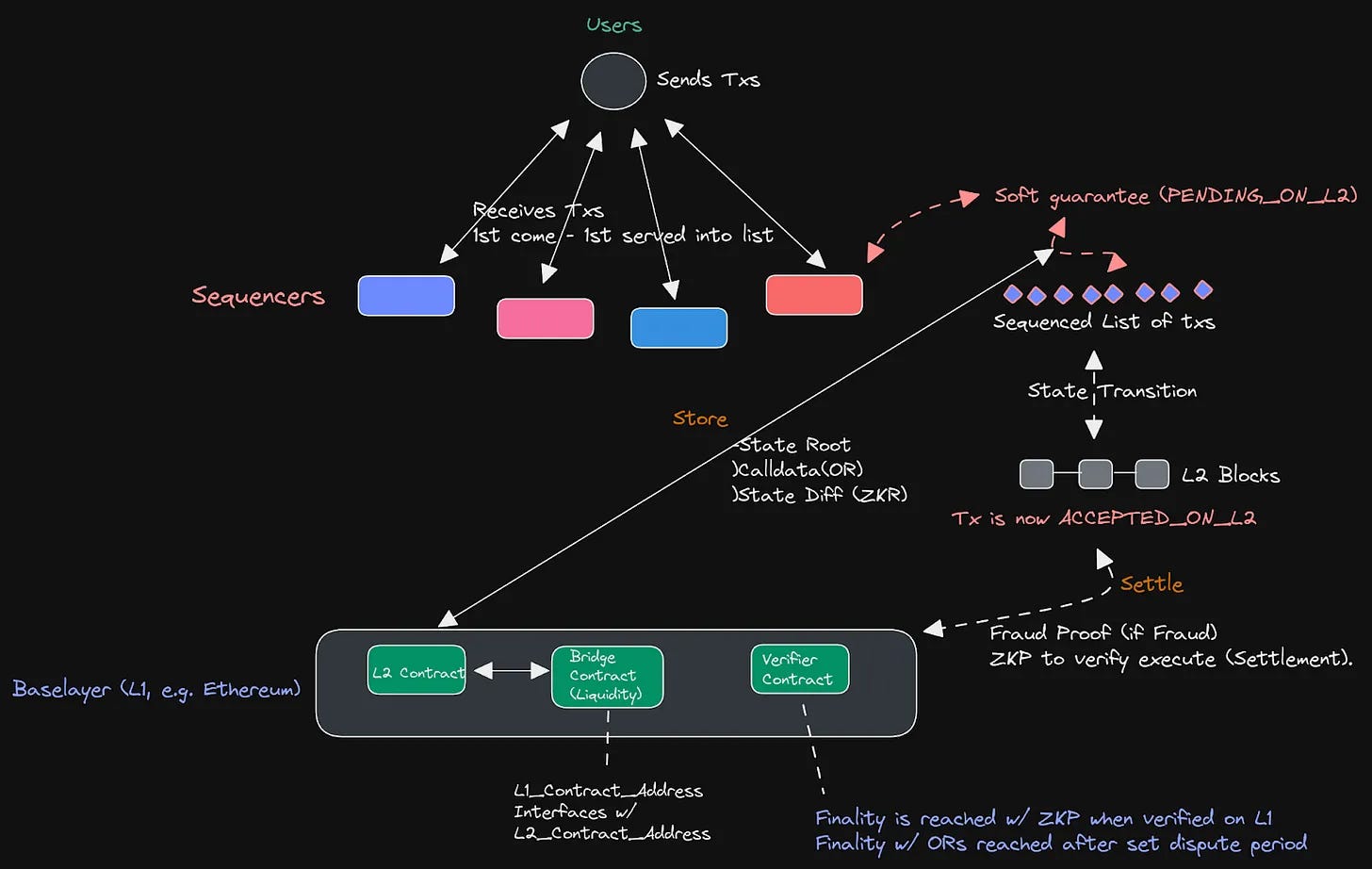
Projects like Astria and Espresso Systems lead this charge. Astria's Shared Sequencer Network acts as a modular backbone, ordering transactions sans execution to boost decentralization and liveness. Espresso's sequencer, powered by HotShot consensus, targets atomicity and composability, simplifying the path to seamless ethereum rollup interoperability 2026. Base rollups leverage Ethereum's proposers directly, trimming redundancy and bolstering systemic resilience. These aren't theoretical; they're battle-tested protocols mitigating single points of failure.
Consider the mechanics: a shared sequencer pools mempools from multiple rollups, sequences fairly via decentralized consensus, and broadcasts to execution layers. This unifies MEV capture shared sequencer dynamics, channeling extraction back to the network rather than lone actors. Risks persist, though; sequencer downtime could cascade, demanding robust slashing and redundancy. As an FRM holder advising blockchain ventures, I stress hybrid monitoring: blend on-chain signals with sequencer health metrics for proactive hedging.
Explore atomic cross-rollup trades via shared sequencersLatency and Data Availability: Pillars of Low-Latency dApps
Low-latency dApps hinge on more than sequencing; data availability layers must align. Ethereum's EIP-4844 proto-danksharding slashes DA costs, empowering rollups to post blobs efficiently. Alternatives like Celestia and EigenDA diversify options, but cross-rollup efficacy demands synchronized DA sampling. Radius's synchronous atomic execution proposal addresses this, bundling transactions for all-or-nothing settlement across rollups. Such mechanisms ensure composability without the vertigo of partial failures.
By 2026, envision dApps trading assets fluidly across rollups, latencies dipping below 100ms. Yet caution tempers enthusiasm: over-reliance on shared infrastructure invites correlated risks. Operators should diversify sequencer pools, much like portfolio rebalancing, to weather outages. This balanced ascent toward unified ordering positions Ethereum for modular supremacy, rewarding patient builders who prioritize resilience.
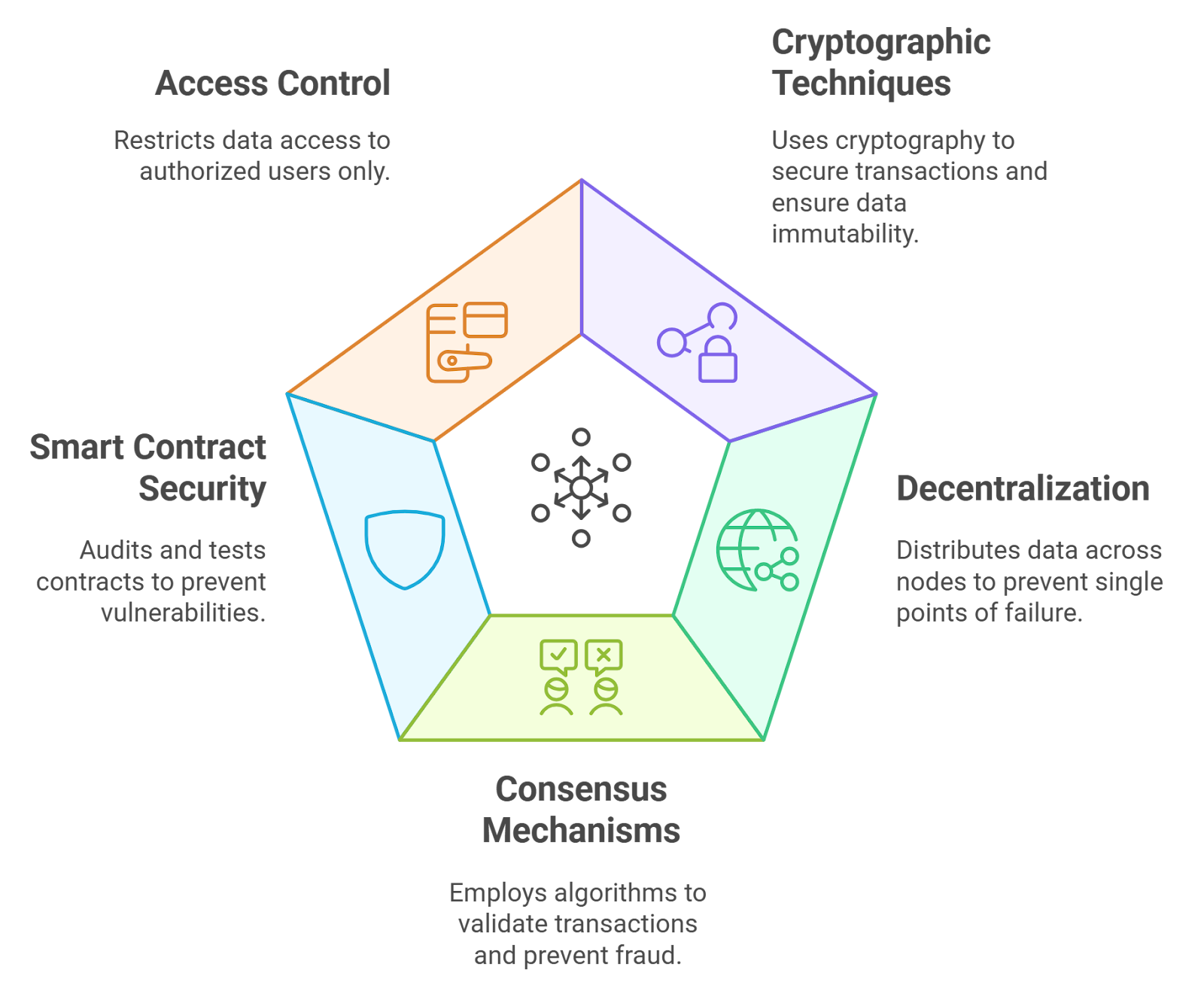
Shared sequencers solving rollup fragmentationSecurity remains paramount in this shared paradigm. Independent rollups sidestep correlated failures, but unified sequencing demands ironclad consensus mechanisms to prevent cascading outages. HotShot's leaderless optimism, as in Espresso, minimizes downtime risks through rapid finality, yet liveness assumptions warrant scrutiny under adversarial conditions. From a risk lens, equate sequencer consensus to a portfolio's beta exposure; excessive centralization inflates volatility. Diversified node operators and economic incentives, like staking penalties, fortify these networks against collusion.
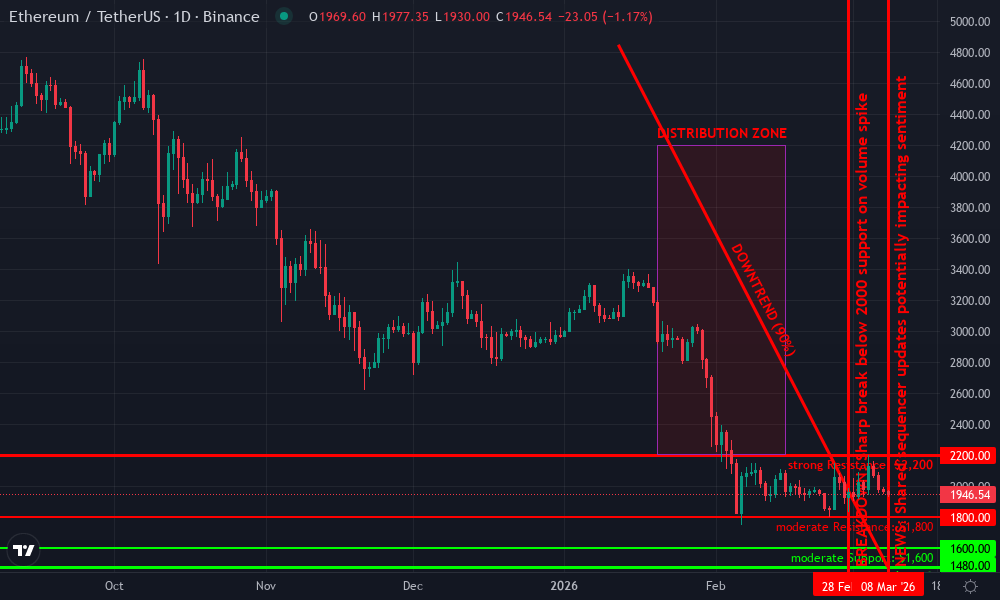
Ethereum Technical Analysis Chart
Analysis by Market Analyst | Symbol: BINANCE:ETHUSDT | Interval: 1D | Drawings: 8
Technical Analysis Summary
As a seasoned technical analyst with 5 years focusing on pure price action and key indicators, here's how to annotate this ETHUSDT chart in my balanced style: Start with a bold red downtrend line connecting the January 2026 peak at ~4850 (around 2026-01-12) to the recent low near 1480 on 2026-03-08, using 'trend_line' tool for the dominant bearish channel. Add horizontal lines at major support 1400 (strong, recent lows) and 1600 (moderate), resistance at 1800 (weak, prior consolidation break) and 2200 (strong, Feb highs). Mark the ongoing consolidation range from late Feb to early Mar as a rectangle between 1600-1850. Use arrow_mark_down at MACD bearish crossover mid-Feb and callout on volume spikes during breakdowns. Vertical line for the key breakdown below 2000 on 2026-02-28. Entry zone callout long above 1520 with stop below 1400, target 2000+. This setup highlights the bearish momentum but potential reversal if support holds, aligning with my medium-risk approach waiting for confirmation.
Risk Assessment: medium
Analysis: Strong downtrend intact but signs of exhaustion and positive Ethereum L2 developments provide counterbalance; medium tolerance suits waiting for confirmation.
Market Analyst's Recommendation: Hold off new longs until bullish MACD divergence or support hold; consider shorts if 1400 breaks.
Key Support & Resistance Levels
📈 Support Levels:
- $1,480 - Recent swing low with volume support strong
-
$1,400 - Psychological and prior range low
[tweet]
Implementation hurdles loom large. Rollup operators must retrofit existing stacks for shared sequencing compatibility, navigating governance trade-offs. Astria's network, for instance, decouples ordering from execution, easing adoption while upholding modularity. Cube Exchange underscores enhanced decentralization and cross-chain composability, but transition costs could deter smaller teams. A phased rollout, starting with opt-in pools, hedges these risks effectively.
Risk Mitigation Strategies
- Diversify sequencer node operators geographically: Spread nodes globally, as in Espresso Systems' network, to counter regional outages and censorship.
- Implement slashing for malicious reordering: Penalize sequencers for MEV exploitation or harmful ordering to deter attacks.
- Monitor mempool congestion with on-chain alerts: Deploy real-time alerts to maintain liveness amid cross-rollup traffic spikes.
- Hybrid DA layers for redundancy: Combine Ethereum DA, Celestia, and EigenDA to prevent single-point data availability failures.

- Regular audits of consensus protocols: Perform ongoing reviews of protocols like HotShot to identify vulnerabilities early.
Looking ahead, ethereum rollup interoperability 2026 hinges on these advancements coalescing. Projects like Radius pioneer synchronous execution, ensuring bundled txs settle atomically and slashing partial failure perils. Coupled with Ethereum's DA roadmap, this ecosystem matures into a low-latency powerhouse, where dApps span rollups indistinguishably. Builders prioritizing shared sequencing ethereum today position for outsized gains tomorrow, tempered by disciplined risk frameworks.
The path forward demands vigilance. While unified rollup transaction ordering unlocks unprecedented scalability, it recalibrates systemic exposures. Operators blending technical prudence with economic safeguards will thrive, transforming Ethereum's modular vision into reality. Cross-rollup sequencing isn't a panacea, but a calculated evolution; manage its risks astutely, and it maximizes the decentralized reward.
Decentralized sequencers enhancing rollup securityTags
Related Articles

Cross-Rollup Sequencing Guide for Rollup Operators Minimizing MEV Losses in 2026
In the high-stakes arena of Ethereum layer-2 scaling, rollup operators face a relentless foe: Maximal Extractable Value, or MEV, which siphons profits and undermines trust. By 2026, cross-rollup sequencing emerges as the linchpin for...
Apr 28, 2026
Maximizing MEV Extraction for Rollup Operators Using Cross-Rollup Sequencing
With Ethereum's native token holding steady at $2,358.97 , rollup ecosystems are buzzing as operators chase every edge in a fiercely competitive scaling landscape. Cross-rollup sequencing emerges as a game-changer, empowering operators to...
Apr 16, 2026
Cross-Rollup Sequencing for Ethereum L2 Interoperability: Reducing Latency and Costs in 2026
As Ethereum's Layer 2 ecosystem explodes in 2026, with over 55 rollups competing for liquidity, the pain of fragmented transaction ordering is hitting dApp builders and traders like me hard. I've been swing trading momentum plays across...
Mar 29, 2026
Cross-Rollup Sequencing for Ethereum Rollup Operators: Cut Latency by 50% with Shared Layers
In the high-stakes arena of Ethereum scaling, rollup operators face a relentless pressure to deliver sub-second finality while juggling fragmented liquidity and soaring MEV risks. With Ethereum's native token trading at $2,081.85 , down...
Mar 26, 2026
No comments yet. Be the first to share your thoughts!