Why rollups fragment liquidity
Layer 2 rollups were built to scale Ethereum, but they created a side effect that hurts traders and developers: isolated liquidity. Each rollup operates as its own ecosystem, processing transactions independently. When you want to move assets or data between these networks, the current infrastructure forces you through traditional bridges.
This process introduces significant friction. Traditional bridging often requires wrapping assets, waiting for confirmation windows, and navigating multiple protocols to complete a single action. It is functionally similar to cross-chain bridging, except the two rollups may or may not share the same consensus protocol. This fragmentation means capital is trapped in silos, reducing efficiency and increasing costs for everyone involved.
The core problem lies in how transactions are ordered. A sequencer is responsible for ordering transactions to provide low-latency inclusion for users. It exists because users want immediate inclusion, while the protocol still needs slower mechanisms for publication, verification, proof, or dispute resolution. When each rollup has its own sequencer, there is no shared view of the order book. This makes it nearly impossible to execute atomic swaps across networks without relying on trusted, slow, or expensive intermediaries.
Cross-rollup sequencing aims to fix this by introducing a shared ordering layer. Instead of treating rollups as separate islands, a shared sequencer can order transactions from multiple chains simultaneously. This creates a unified view of liquidity, allowing for trustless interoperability without the need for external wrapping.
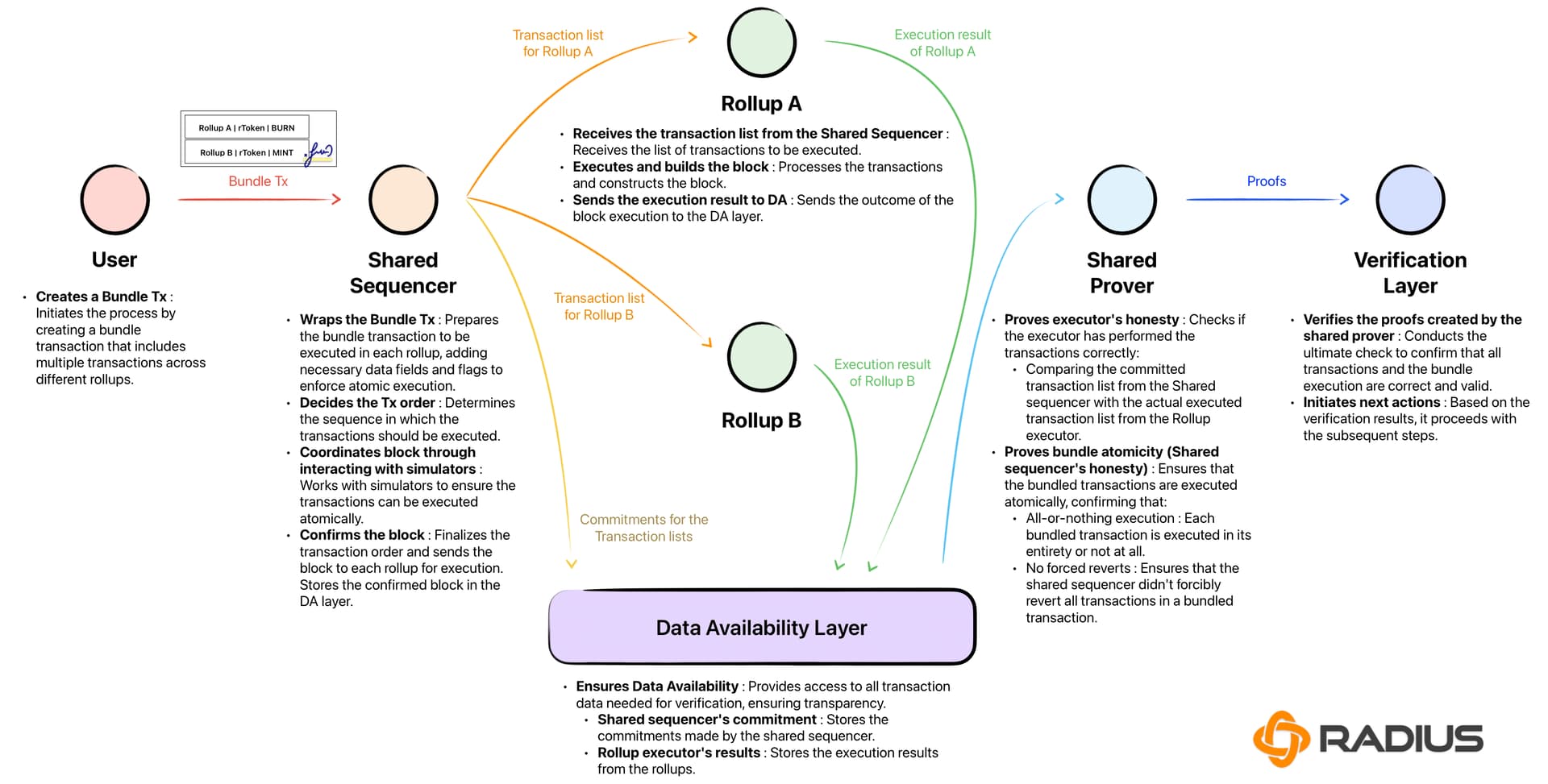
The difference in user experience is stark. Without atomic cross-rollup swaps, users face high costs and failure risks. With shared sequencing, the protocol can handle messaging pathways internally, creating a seamless flow of value that mirrors the simplicity of single-chain transactions.
This shift is not just about speed; it is about fundamental architecture. As noted in Ethereum Research discussions on cross-rollup synchronous atomic execution, the goal is to make the underlying complexity invisible to the user. By defragmenting the L2 ecosystem, we can finally achieve the liquidity depth that made Ethereum attractive in the first place.
What cross-rollup MEV actually is
Cross-rollup MEV refers to value extraction opportunities that emerge when transactions across different rollups can be profitably sequenced separately. Unlike traditional MEV, which often involves atomic arbitrage within a single chain, this form of MEV exploits the fragmentation between Layer 2 networks. When transactions are processed in isolation, gaps in price and liquidity create arbitrage windows that sophisticated actors can exploit before the state updates settle on the main chain.
The core issue lies in the sequencing process. Sequencers are responsible for ordering transactions to provide low-latency inclusion for users. However, when multiple rollups operate independently, their sequencers do not share a global view of pending transactions. This lack of coordination means that a trade on one rollup might be front-run by another actor who sees the same opportunity on a neighboring rollup, leading to slippage and reduced efficiency for the original trader.
Research from academic sources highlights this as a non-atomic arbitrage problem. Because the settlement happens asynchronously across different L2 blockchains, there is no single point of consensus that guarantees atomic execution across all chains simultaneously. This structural gap allows for "cross-rollup arbitrage," where value is extracted not from malicious smart contract interactions, but from the inherent latency and lack of shared ordering in the current multi-chain landscape.
"Cross-rollup MEV is the unsolved problem of shared sequencing."
As the multi-chain ecosystem grows, this fragmentation becomes more pronounced. Without shared sequencing infrastructure, the efficiency gains of Layer 2 scaling are partially offset by the increased complexity and risk of cross-chain MEV. The industry is currently exploring solutions like shared sequencers and atomic cross-rollup bridges to mitigate these issues, but as of 2026, the problem remains a significant challenge for decentralized exchange design.
Shared sequencers fix fragmented liquidity
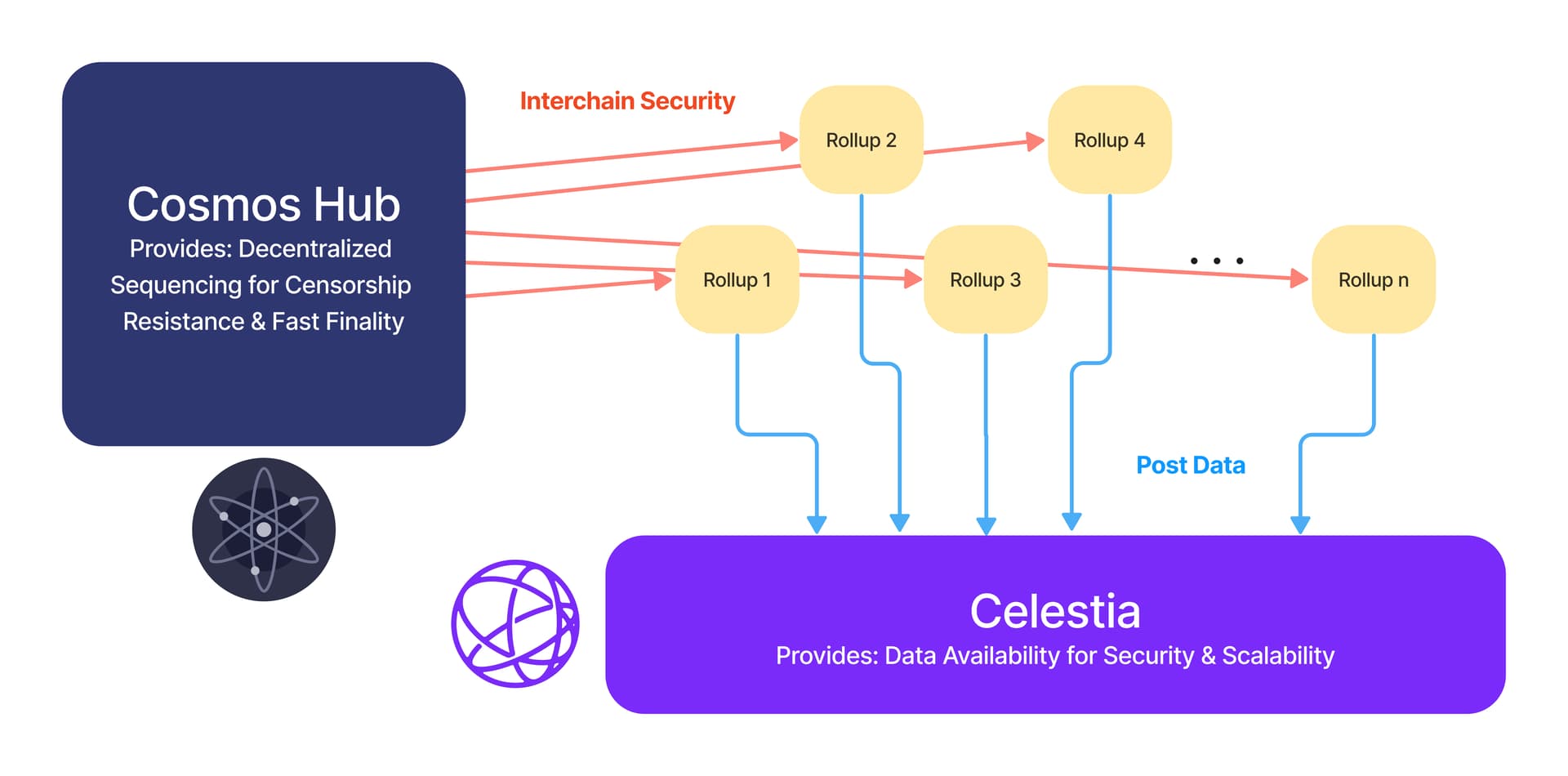
Cross-rollup sequencing solves the fragmentation that currently breaks multi-chain liquidity. Traditional rollups operate in silos, forcing assets to move through slow, expensive bridges. Shared sequencers change this by handling transaction ordering for multiple rollups simultaneously. This allows atomic cross-rollup execution, meaning users can swap assets or settle trades across different chains in a single step.
The mechanism works by treating transaction ordering as a shared utility. Instead of each rollup running its own centralized sequencer, a decentralized network processes batches from various rollups in parallel. This eliminates the need for trust assumptions between chains. Liquidity remains unified because the sequencer ensures that all involved rollups see the same state transition at the same time.
This approach mirrors the efficiency of cross-chain bridges but removes the friction. Cross-rollup bridging functions similarly to cross-chain bridging, except the two rollups may or may not share the same consensus protocol. The shared sequencer acts as the neutral arbiter, ensuring that if a transaction on Rollup A succeeds, the corresponding update on Rollup B is guaranteed. This prevents the "split-brain" scenarios where assets disappear during bridge transfers.
The result is a unified environment for complex workflows. As noted in discussions around Fusion Rollup concepts, this removes the operational complexity that has made multi-chain activity difficult at scale. Cross-network asset movements and multi-party settlement can now happen in a single, secure environment, rather than requiring a patchwork of separate transactions.
Coordinate Sequencing to Capture Arbitrage
Liquidity fragmentation across rollups creates price discrepancies that sophisticated traders can exploit, but only if they can execute trades atomically. Cross-rollup sequencing solves this by allowing a single sequencer to order transactions across multiple chains in a single block. This coordination eliminates the latency and uncertainty that typically cause slippage during cross-chain swaps.
The mechanism works by treating the sequencer as a shared ordering engine. Instead of each rollup operating in isolation, the sequencer batches transactions from different L2s and settles them against a common L1 state. This creates a trustless interoperability layer where assets can be swapped without the traditional wrapping and unwrapping steps that drain liquidity.
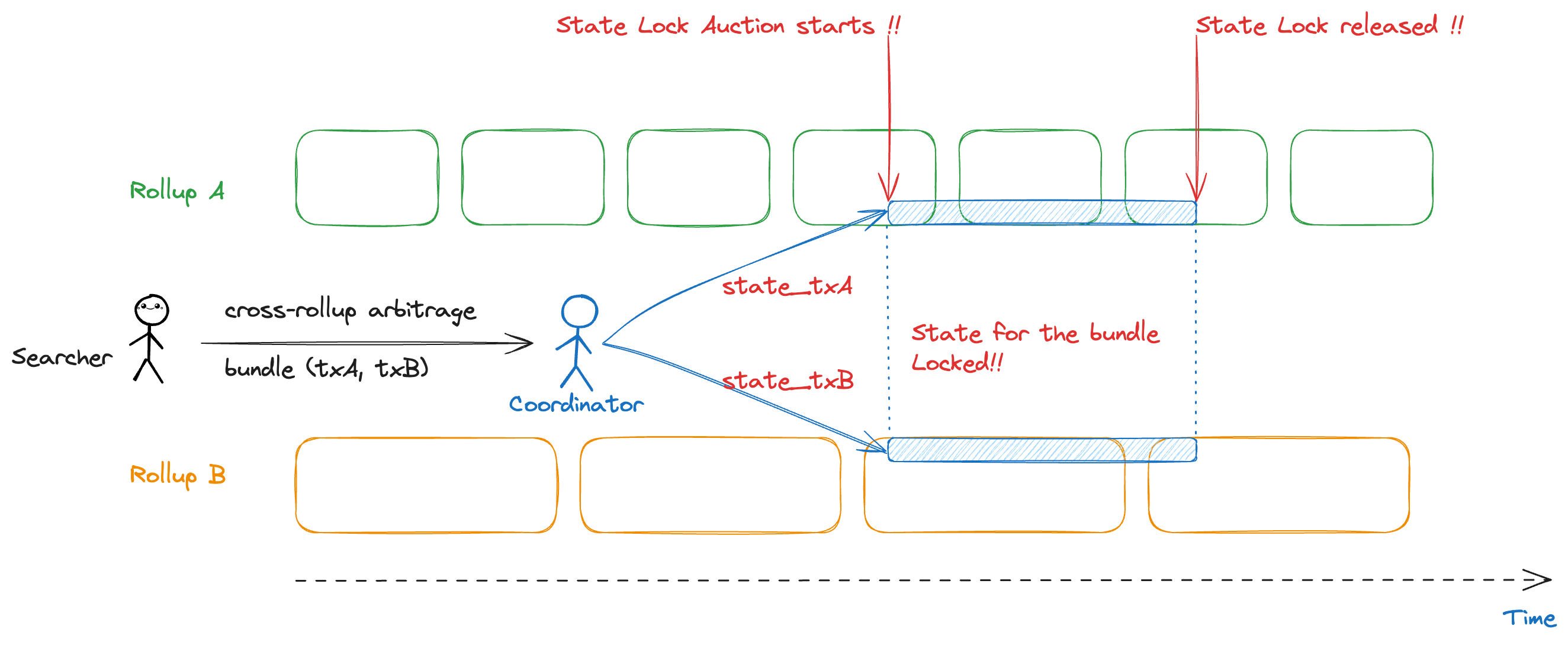
For traders, this means tighter spreads and better execution prices. Protocols benefit from deeper liquidity pools because capital no longer needs to be pre-positioned on every chain. As noted in research on based rollups, this approach inherits L1 liveness while maximizing sequencing efficiency, effectively turning fragmented liquidity into a unified market. 1kx highlights that shared settlement creates in-protocol messaging pathways that bypass external bridges entirely.
Community views on sequencing
The debate around cross-rollup sequencing has shifted from theoretical risk to practical necessity. While centralized sequencers offer speed, the community increasingly views shared sequencing networks as the only viable path to prevent liquidity fragmentation across Layer 2s.
"Based sequencing is maximally simple and inherits L1 liveness and decentralisation." — Ethereum Research Forum
This sentiment is reflected in ongoing discussions on platforms like Reddit, where developers and users alike are scrutinizing the trade-offs between centralized performance and decentralized resilience.
The technical consensus is leaning toward solutions that anchor sequencing to Layer 1 for security. As one recent thread highlighted, the complexity of managing cross-rollup state is already being solved by protocols that prioritize L1-based finality.
Sequencer Roles and Definitions
A sequencer acts as the ordering engine for a rollup. It exists because users demand immediate, low-latency transaction inclusion, while the underlying protocol still relies on slower mechanisms for publication, verification, and proof resolution [1].
When a single entity handles this ordering, it is a private sequencer. This setup often creates fragmented liquidity across different chains. To solve this, cross-rollup sequencing uses shared sequencers. These are decentralized networks that handle transaction ordering for multiple rollups simultaneously, enabling better liquidity integration [2].
No comments yet. Be the first to share your thoughts!