The shared sequencer model
Cross-rollup sequencing represents a structural shift in how Layer 2 networks handle transaction ordering. Instead of each rollup operating as an isolated silo, a shared sequencer coordinates multiple chains to process a combined batch of transactions simultaneously. This unified transaction pool replaces the traditional model where sequencers only view their own chain's mempool, fundamentally altering how liquidity flows between different rollup environments.
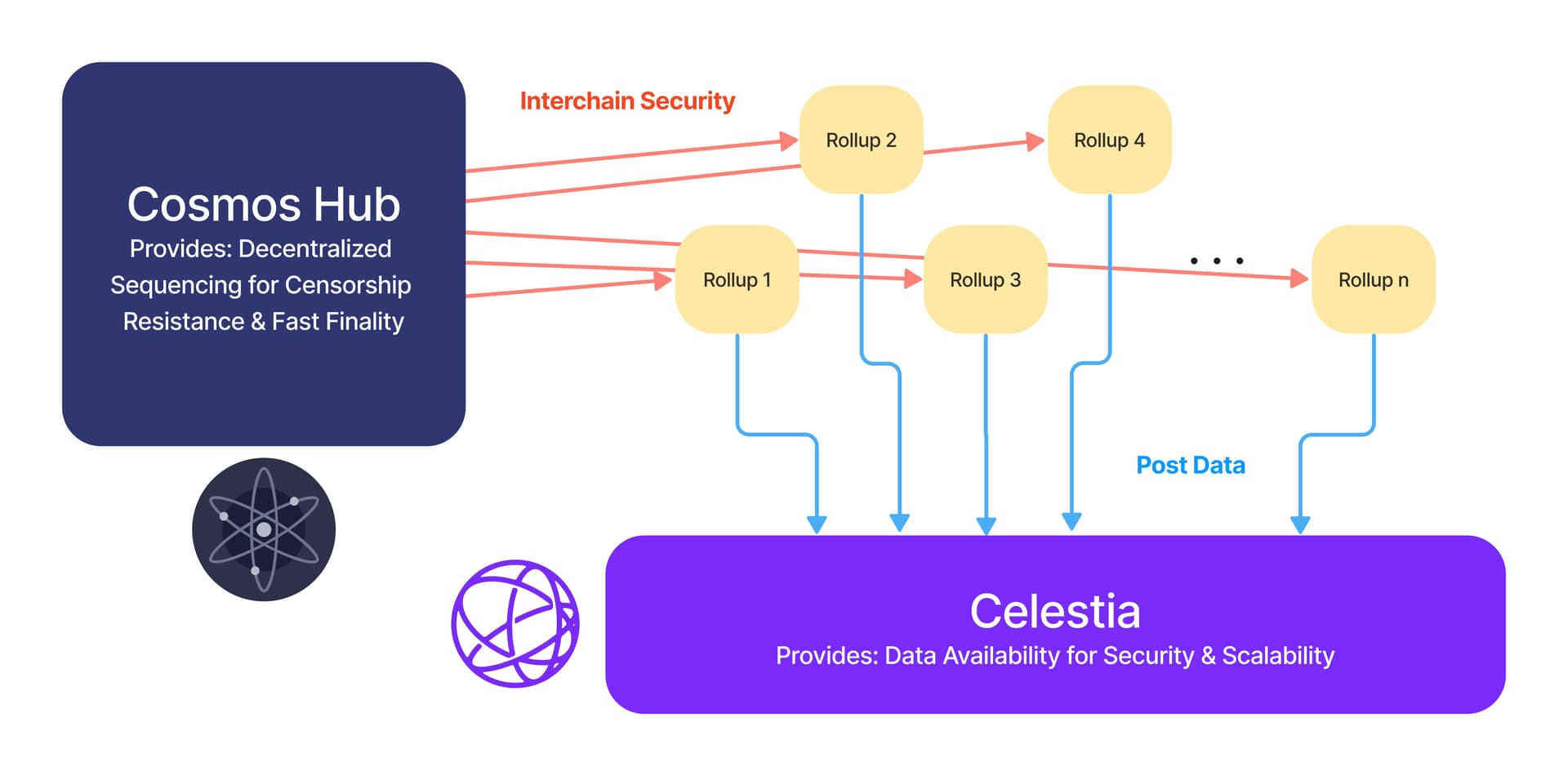
In the standard architecture, a single sequencer orders transactions for one specific rollup. This creates fragmentation, as users must bridge assets or rely on complex messaging layers to interact across chains. A shared sequencer acts as a decentralized network of nodes that orders transactions across multiple rollups at once, effectively treating them as part of a single logical execution environment. This coordination allows for atomic execution, where transactions on different chains can be confirmed or reverted together, eliminating the risk of partial failures.
The implications for liquidity are significant. By removing the need for sequential bridging steps, shared sequencing reduces friction and latency for cross-rollup interactions. It enables a more integrated market structure where capital can move fluidly between ecosystems without leaving the settlement layer. This model supports a more efficient allocation of resources, as users can access liquidity from any connected rollup in a single transaction.
This approach aligns with ongoing research into synchronous atomic execution, aiming to create a seamless experience for users who interact with multiple Layer 2 solutions. As the ecosystem matures, shared sequencing is likely to become a standard component of the infrastructure, enabling more complex and interconnected decentralized applications.
Solving cross-chain bridge latency
Cross-rollup bridges have historically been the bottleneck for Ethereum Layer 2 expansion. Traditional bridges rely on slow finality proofs, forcing users to wait hours or days for assets to move between rollups. This latency kills liquidity and makes atomic swaps impossible.
Shared sequencing eliminates this friction by providing a global ordering of transactions across multiple rollups. Instead of waiting for separate finality proofs, each rollup reads directly from the shared sequencer. This creates a unified timeline where transactions on different rollups are processed in near-real-time.
The result is synchronous composability. Users can execute complex DeFi strategies across rollups with the speed of a single-chain transaction. This shift from asynchronous bridges to shared sequencing is the key to unlocking the 2026 liquidity playbook.
Mitigating Cross-Rollup MEV
Cross-rollup MEV arises when a sequencer can profit from ordering transactions across different Layer 2 networks. In isolated rollups, orderers exploit information asymmetry by front-running or sandwiching trades within a single chain’s block. Shared sequencing changes this dynamic by allowing multiple rollups to coordinate their transaction batches. This coordination removes the ability of any single sequencer to extract value from cross-chain arbitrage opportunities that rely on fragmented liquidity.
When rollups are sequenced independently, a trader might execute a swap on Rollup A, knowing the price impact will eventually reflect on Rollup B. A malicious sequencer on Rollup B can detect this pending state change and front-run the corresponding transaction, capturing the spread. Shared sequencing eliminates this window by treating cross-rollup transactions as part of a unified order book. The sequencer sees the full picture, preventing the exploitation of temporal gaps between isolated chains.
This approach reduces extractable value by aligning incentives and transparency. Instead of competing for fragmented order flow, sequencers compete on efficiency and cost. The result is a more equitable distribution of MEV, where profits are derived from genuine market making rather than information asymmetry. For investors, this means lower slippage and more predictable execution costs across the L2 ecosystem.
| Feature | Isolated Rollups | Shared Sequencing |
|---|---|---|
| Information Visibility | Fragmented | Unified |
| MEV Extraction | High (Arbitrage) | Low (Efficiency) |
| Execution Cost | Higher Slippage | Lower Slippage |
| Sequencer Incentive | Front-running | Transaction Throughput |
EIP-1559 volatility and coordination
Shared sequencing changes how fee markets behave across rollups. When multiple chains coordinate to batch transactions together, the resulting fee pressure no longer stays within a single chain’s boundaries. Instead, it flows through the shared sequencer, creating a unified liquidity pool that can stabilize or destabilize cross-chain markets depending on how that pool is managed.
The macroeconomic impact is immediate. EIP-1559 already introduced base fee volatility by adjusting supply and demand dynamically. Shared sequencing amplifies this effect by pooling demand from multiple rollups. If the sequencer does not account for this aggregated load, fees can spike unexpectedly, disrupting liquidity provision for users who rely on predictable costs.
This coordination problem is not theoretical. Research into shared sequencing solutions highlights that processing transactions for multiple rollups together requires careful calibration of fee markets to prevent one chain’s activity from crowding out another. Without proper coordination, the shared sequencer becomes a bottleneck rather than a bridge, leading to inefficiencies that hurt cross-chain liquidity.
The stability of cross-chain liquidity provision depends on how well these fee markets are aligned. When sequencing is shared, the fee market becomes a shared resource. If one rollup experiences a surge in activity, it can drive up fees for all others using the same sequencer. This dynamic requires careful management to ensure that no single chain’s volatility disrupts the broader ecosystem.
For liquidity providers, this means that cross-chain strategies must account for shared sequencing risks. The stability of their positions depends on the ability of the shared sequencer to manage fee volatility across all connected rollups. If the coordination fails, the resulting fee spikes can erode profits and deter participation, undermining the very liquidity that shared sequencing aims to enhance.
How Rollup Sequencing Actually Works
A layer 2 sequencer is a specialized node or network of nodes responsible for managing transaction order on a rollup [src-serp-8]. It batches user transactions, executes them off-chain, and then posts the compressed data to Ethereum mainnet. This ordering mechanism is critical because it determines which transactions are included first and prevents double-spending before the data is settled on L1.
Shared sequencers are changing this dynamic. Unlike single-operator sequencers, a shared sequencer is a decentralized network of nodes that orders transactions across multiple rollups simultaneously [src-serp-5]. This allows for better cross-rollup atomicity and reduces reliance on a single trusted entity, which is a significant shift for the 2026 liquidity landscape.
No comments yet. Be the first to share your thoughts!