The shared sequencer shift
Cross-rollup sequencing represents a structural break from the era of isolated rollup ordering. Historically, each Layer 2 operated as a walled garden, managing its own transaction ordering independently. This fragmentation created redundant complexity and left users vulnerable to extractive MEV strategies that thrived on inefficiency between chains. The move toward a unified, decentralized layer addresses this by providing a global ordering service that treats all rollups as part of a single, coherent network.
By defragmenting the L2 ecosystem, shared sequencers like those proposed by Espresso Systems and Rome Protocol aim to reduce the friction of cross-chain interactions. Instead of relying on slow, trust-based bridges or complex atomic swaps, transactions can be ordered globally before being settled. This approach not only simplifies the user experience but also enhances security by reducing the attack surface associated with isolated sequencing.
The traditional argument for shared sequencing centers on decentralization. As noted in investment theses from firms like Portal VC, the shift is not merely about speed but about enabling true cross-rollup composability. When ordering is unified, the need for complex interoperability protocols diminishes, allowing developers to build applications that span multiple chains without managing separate sequencing infrastructure.
Shared sequencing defragments the L2 ecosystem by providing a global ordering over all transactions, reducing complexity and enhancing security.— Espresso Systems
This shift marks a maturation in blockchain infrastructure. Just as early internet protocols moved from isolated networks to a unified TCP/IP stack, cross-rollup sequencing is consolidating the Layer 2 landscape. The result is a more efficient, secure, and user-friendly environment where the boundaries between chains become less relevant to the end user.
Cross-rollup MEV and value extraction
Cross-rollup MEV represents a distinct class of value extraction that emerges from the fragmentation of liquidity across different Layer 2 networks. Unlike isolated rollups, where a single sequencer determines transaction order, a fragmented environment allows actors to exploit the temporal and pricing gaps between chains. When transactions on one rollup are sequenced independently of those on another, arbitrageurs can front-run or back-run trades, capturing value that should belong to legitimate users or the protocol itself.
The core issue is the lack of a shared ordering mechanism. Without cross-rollup sequencing, a trade executed on Arbitrum may be finalized at a price that has already shifted on Optimism due to a concurrent transaction on a third chain. This latency creates a vacuum for sophisticated bots to extract profit by manipulating the perceived state of assets across the ecosystem. The result is a zero-sum game where efficiency is lost to extraction rather than innovation.
Shared sequencing addresses this by providing a unified view of transaction intent. By allowing sequencers to agree on a global order for cross-chain transactions, the system neutralizes the arbitrage opportunities that arise from fragmented liquidity. This alignment ensures that prices remain consistent across networks, reducing the incentive for predatory extraction and preserving capital for productive use within the DeFi ecosystem.
The transition to shared sequencing models, such as those proposed by initiatives like Swapspace, aims to internalize these cross-chain externalities. By treating cross-rollup transactions as a single, coherent stream of data, the system can optimize order placement to minimize slippage and maximize user value. This approach shifts the focus from isolated chain efficiency to ecosystem-wide fairness.
Based rollups and L1 ordering
Shared sequencers represent one path toward unified cross-rollup ordering, but they are not the only architectural option. The alternative is the based rollup, also known as L1-sequenced. In this model, the base Layer 1 Ethereum chain itself acts as the sequencer. Transactions are ordered directly on L1 before being executed on the rollup, effectively removing the need for a separate sequencing layer.
This approach fundamentally changes the trust assumptions. Instead of relying on a dedicated sequencer operator, based rollups inherit the security and ordering guarantees of Ethereum directly. This creates a simpler trust model but introduces different trade-offs regarding latency and throughput. The rollup becomes a passive consumer of L1 order, which can simplify cross-rollup atomicity but may limit independent throughput optimization.
| Feature | Shared Sequencer | Based Rollup (L1-sequenced) |
|---|---|---|
| Decentralization | Depends on sequencer operator | Inherits L1 decentralization |
| Latency | Low (dedicated path) | Higher (L1 block times) |
| Cross-Rollup Atomicity | Native (shared state) | Complex (requires L1 coordination) |
The choice between these models defines the 2026 landscape. Shared sequencers offer speed and native cross-rollup capabilities, while based rollups offer maximal security and simplicity at the cost of L1 dependency.
Atomic execution across rollups
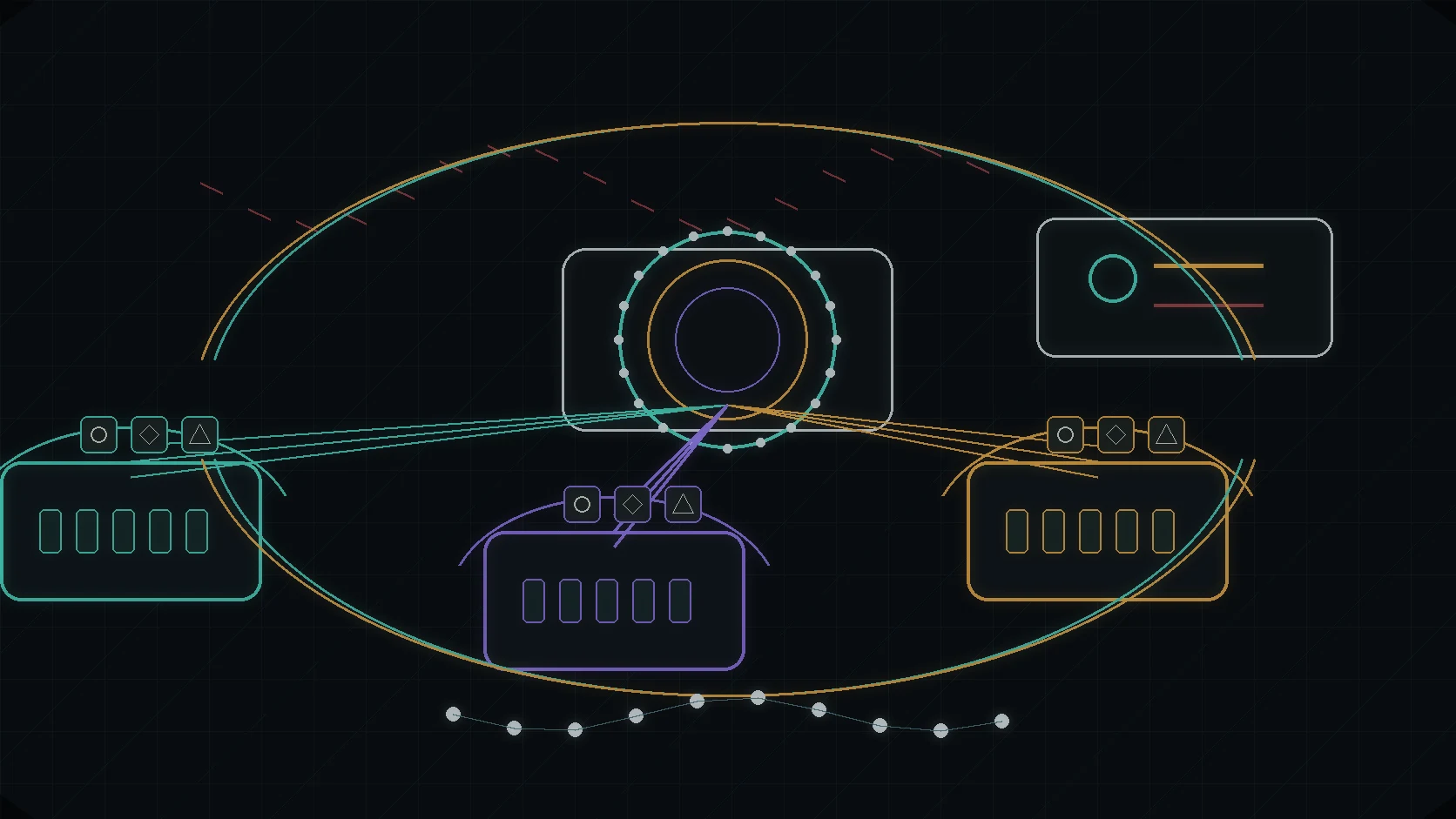
Cross-rollup sequencing enables transactions on different rollups to settle as a single unit. This synchronous atomic execution removes the friction of manual bridging and fragmented liquidity. Instead of relying on asynchronous message passing, the shared sequencer orders cross-rollup transactions in a single batch, ensuring they either all succeed or all fail together.
This approach relies on a two-phase commit (2PC) protocol to guarantee state consistency. The sequencer coordinates the state locks across each rollup's execution environment. If any single rollup rejects the transaction due to insufficient funds or invalid state, the entire batch is reverted. This eliminates the risk of partial executions that can leave assets stranded or in an inconsistent state across chains.
The technical architecture requires rollups to expose their state roots and accept temporary locks from the shared sequencer. This creates a unified ordering layer that sits above individual rollups, treating them as components of a larger, cohesive system. By centralizing the ordering logic, the shared sequencer ensures that cross-rollup swaps and transfers are processed with the same atomicity as intra-rollup transactions.
The implications for finance are significant. Traders can execute complex strategies involving assets across multiple rollups without managing separate transactions or worrying about intermediate states. This reduces gas costs, as the overhead of multiple state updates is consolidated into a single atomic operation. It also enhances security by removing the need for third-party bridge contracts that often become attack vectors.
As the ecosystem matures, this capability becomes the foundation for true interoperability. Rollups no longer need to build bespoke cross-chain messaging layers for every pair of chains they wish to interact with. Instead, they plug into the shared sequencer, gaining access to a unified liquidity pool and a consistent execution environment. This standardization accelerates the development of cross-rollup applications, making them as reliable as their single-chain counterparts.
Community views on sequencing
The technical architecture of shared sequencing has ignited intense debate within the developer and investor communities. While the promise of unified cross-rollup MEV extraction draws capital, the operational complexities of global transaction ordering remain a point of friction.
Reddit discussions mirror this technical skepticism. Users on r/ethereum and r/ethfinance frequently question whether a single shared sequencer becomes a single point of failure for the entire L2 ecosystem. The consensus leans toward cautious optimism, provided the ordering layer remains decentralized and transparent.
Sequencer roles and L2 basics
A rollup is a Layer 2 scaling solution that processes transactions off-chain and posts state commitments to Ethereum. These commitments are verified using either Validity Proofs or challenged via Fraud Proofs within a specific window. This structure ensures that while execution is fast and cheap, settlement security remains anchored to the primary blockchain.
The sequencer acts as the arranger for these systems. It combines ordering and batching functions, grouping transactions into blocks before they are posted to the data availability layer. A critical component here is the data availability committee, which ensures that the raw transaction data corresponding to posted hashes can be retrieved by anyone, preventing data loss and enabling verification.
Cross-chain protocols facilitate the movement of assets between these distinct environments. For example, the Cross-Chain Transfer Protocol (CCTP) enables the permissionless flow of USDC across chains through native burning and minting. This allows USDC to be effectively "teleported" from one blockchain to another without relying on wrapped versions or centralized bridges.
No comments yet. Be the first to share your thoughts!