Why rollups need shared sequencing
Isolated rollups have created a fragmented liquidity landscape. Each rollup operates as a silo, requiring users to bridge assets across chains just to interact with different protocols. This friction kills user experience and splits capital, making atomic cross-chain interactions nearly impossible without complex, error-prone workarounds.
The root issue lies in how sequencers currently function. A sequencer is the fast-ordering engine of a rollup, providing immediate low-latency inclusion for users. However, because each rollup has its own sequencer, there is no global view of transaction order. One rollup cannot know what another is doing in real-time, preventing synchronous atomic execution.
Shared sequencing decouples transaction ordering from execution. By introducing a shared sequencing layer, multiple rollups can agree on a single global state timeline. This infrastructure layer allows rollups to create their own shared sequencer services, offering this capability as a widely accessible utility. The result is a unified ordering mechanism that enables cross-rollup atomicity without sacrificing the speed and cost benefits of layer 2 scaling.
This approach shifts the paradigm from isolated execution to coordinated ordering. Instead of relying on slow bridge transactions or optimistic assumptions, protocols can rely on a shared sequencer to guarantee that transactions across different rollups are processed in a consistent, atomic order. This foundation is critical for building the next generation of cross-chain applications that feel as seamless as single-chain experiences.
Atomic execution across rollups
Traditional cross-chain transactions rely on asynchronous bridges: a user locks assets on Chain A, waits for a message to propagate, and then claims them on Chain B. This introduces latency and fragmentation. Atomic cross-rollup sequencing changes the model by treating multiple rollups as a single execution environment. Instead of relying on message passing between isolated states, a shared sequencer or coordinated block producer includes transactions from different rollups in the same atomic batch.
The core mechanism is two-phase commit (2PC). When a user initiates a cross-rollup transaction, the sequencer collects the execution requests for each involved rollup. It then executes them in a specific order, ensuring that if any step fails, the entire batch is reverted. This guarantees that either all state changes happen simultaneously, or none do, preserving composability without intermediate states.
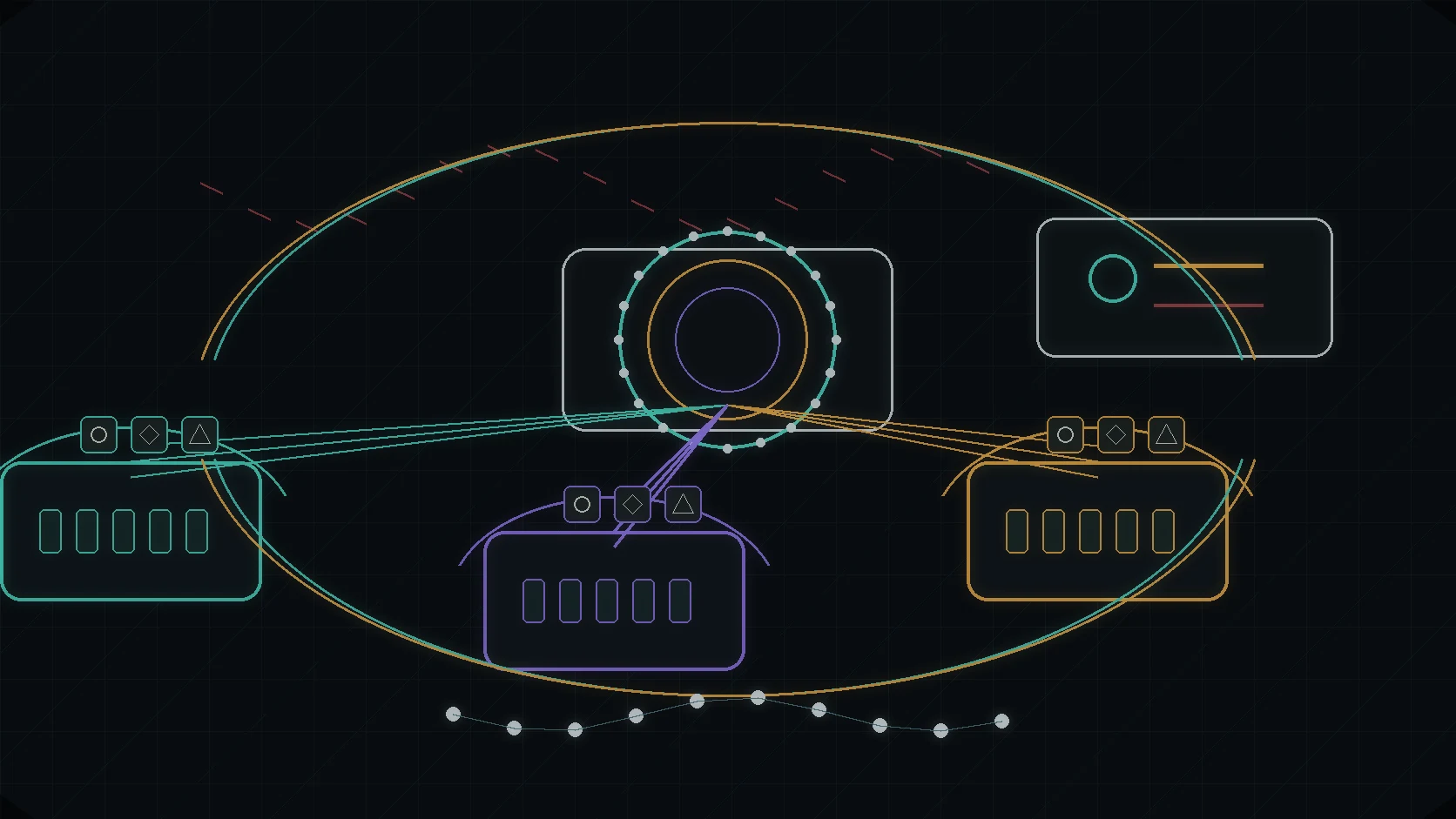
A user submits a transaction that targets contracts on multiple rollups. The shared sequencer receives this request and identifies the necessary state updates across each chain. Rather than broadcasting separate transactions, the sequencer aggregates these intents into a single execution plan.
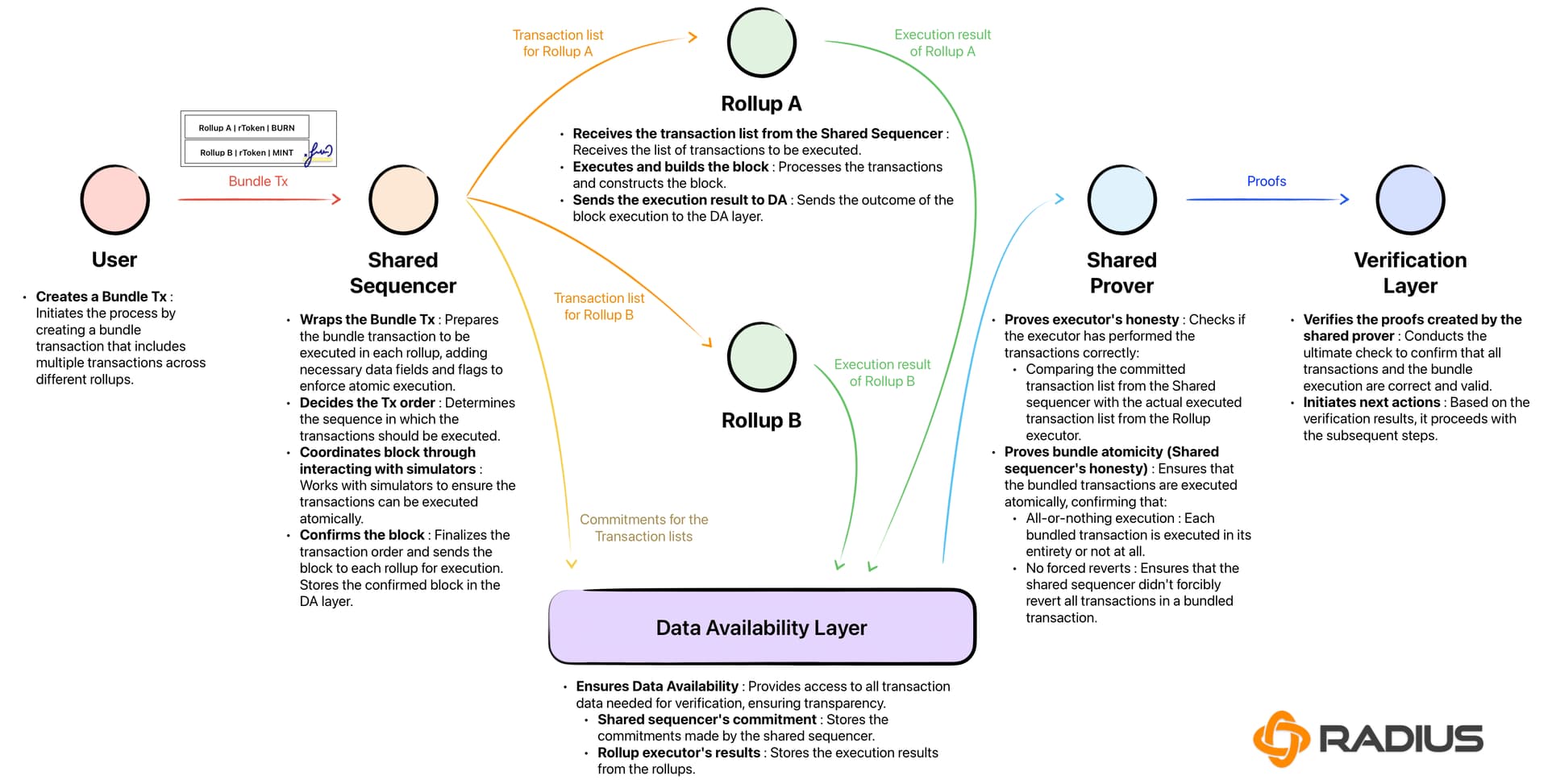
The sequencer executes the first phase by applying state changes to the initial rollup. It then proceeds to the second rollup, applying the corresponding changes. If any execution fails, the sequencer triggers a rollback across all involved rollups, ensuring atomicity. This mirrors database transaction logic but operates across distinct consensus layers.
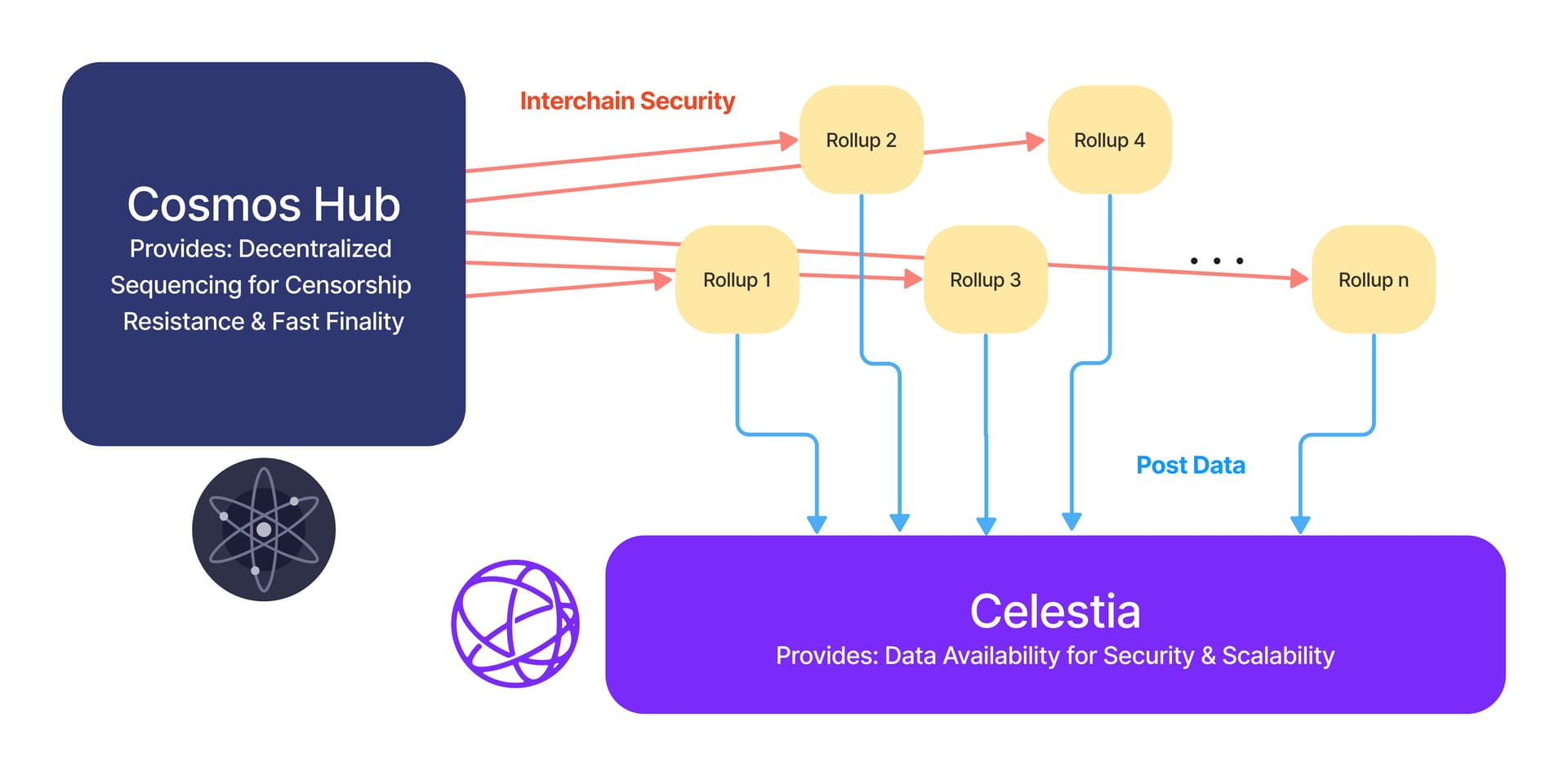
Once all state changes are applied, the sequencer posts the new state roots to each respective rollup’s L1 settlement layer. Because the execution was atomic, the finality of the entire cross-rollup operation is synchronized. Users see a single confirmation event rather than a series of delayed bridge updates.
This approach eliminates the need for trusted relayers or complex bridge contracts. The security model shifts from trusting an external bridge operator to trusting the sequencer’s commitment to the 2PC protocol. As noted in Ethereum research discussions, synchronous composability allows smart contracts on one chain to directly call contracts on another within the same transaction context.
The technical challenge lies in sequencing consistency. If the sequencer is centralized, it becomes a single point of failure or censorship. Decentralized shared sequencer networks, such as those explored in the CRATE protocol, distribute this responsibility. They use consensus mechanisms to agree on the order of cross-rollup transactions, ensuring that no single entity can manipulate the atomic order.
For developers, this means designing cross-chain interactions as single transactions rather than multi-step workflows. Smart contracts must be written to handle potential reverts from the sequencer’s atomic logic. This simplifies the user experience significantly: instead of monitoring multiple bridge statuses, users interact with a single interface that guarantees all-or-nothing execution.
The hidden cost of shared visibility
Cross-rollup MEV (Maximum Extractable Value) emerges when a sequencer can observe transactions across multiple rollups simultaneously. In isolated rollup environments, a sequencer only sees the local mempool. With shared sequencing, the view expands to include pending orders on sibling chains, creating arbitrage opportunities that were previously invisible.
This visibility creates a new extraction vector. A centralized sequencer can reorder transactions across different rollups to front-run or sandwich trades that span bridge interactions. For example, if User A deposits ETH on Arbitrum and User B withdraws ETH on Optimism, a sequencer with full visibility can insert their own trades between these events to capture the price difference.
"Cross-rollup MEV refers to opportunities for value extraction that arise when transactions across different rollups can be profitably sequenced together, creating arbitrage opportunities that isolated sequencers cannot see."
The core tension lies in the trade-off between efficiency and fairness. Shared sequencing reduces latency and improves capital efficiency by allowing atomic cross-chain swaps. However, it concentrates power in the hands of the sequencer, who can now optimize across domains rather than just within a single chain.
Mitigation through decentralized sequencing
Decentralized sequencing protocols aim to mitigate this by removing the single point of ordering control. Instead of one entity deciding transaction order, a network of nodes agrees on a global order using cryptographic verifiable delay functions (VDFs) or similar mechanisms. This makes it difficult for any single actor to predict or manipulate cross-rollup arbitrage opportunities in real-time.
However, decentralization introduces complexity. The latency overhead of reaching consensus across a distributed network can slow down transaction finality. Additionally, the economic model must incentivize honest participation without allowing large stakeholders to dominate the ordering process.
Comparing sequencing approaches
The choice of sequencing model directly impacts the security and fairness of cross-chain transactions. Below is a comparison of the primary approaches currently being evaluated by protocol designers.
| Model | Latency | MEV Resistance | Implementation Complexity |
|---|---|---|---|
| Centralized Sequencer | Low | Low | Low |
| Decentralized Sequencer (VDF) | Medium | High | High |
| Hybrid (Commit-Reveal) | Medium | Medium | Medium |
| Fully Decentralized (BFT) | High | Very High | Very High |
Community perspectives on sequencing
The developer community is actively debating the best path forward. Some argue that centralized sequencers are necessary for the user experience, while others insist that MEV resistance is non-negotiable for trustless systems.
Choosing between based and decentralized sequencers
The architecture you pick for sequencing dictates how easily your rollup can talk to others. Based rollups, or L1-sequenced rollups, hand ordering to Ethereum itself. This gives you immediate finality and strong security guarantees, but it ties your throughput and latency to the Layer 1 network. Decentralized sequencers, often provided as a service via interchain security, offer more flexibility and lower costs, but they introduce significant operational overhead and new trust assumptions.
When building atomic cross-chain UX, the trade-off is between security and complexity. Based sequencing simplifies the trust model: if Ethereum is safe, your ordering is safe. Decentralized sequencers require you to manage a set of validators and potentially issue new tokens, which can be a heavy lift for protocol designers focused on interoperability.
The community debate often centers on whether the added flexibility of decentralized sequencing is worth the security trade-off. Some developers argue that for cross-rollup applications, the shared security of based sequencing is non-negotiable for atomicity. Others point out that for high-throughput, low-value transactions, decentralized options provide the necessary speed.
Checklist for cross-rollup integration
Before committing to a shared sequencer or cross-rollup architecture, audit the underlying mechanics. The difference between a smooth atomic swap and a broken state depends on how these components interact.
Confirm the protocol uses a two-phase commit or similar consensus. Transactions must either complete on all involved rollups or revert entirely. Without this, partial executions create permanent state drift and user fund loss.
Shared sequencing introduces cross-rollup MEV. Ensure the design prevents frontrunning or sandwich attacks between chains. Look for encrypted mempools or fair ordering protocols that neutralize extractor incentives.
Centralized sequencers are single points of failure. Check if the sequencing layer is permissionless or if operators can censor transactions. A decentralized set of sequencers reduces censorship risk significantly.
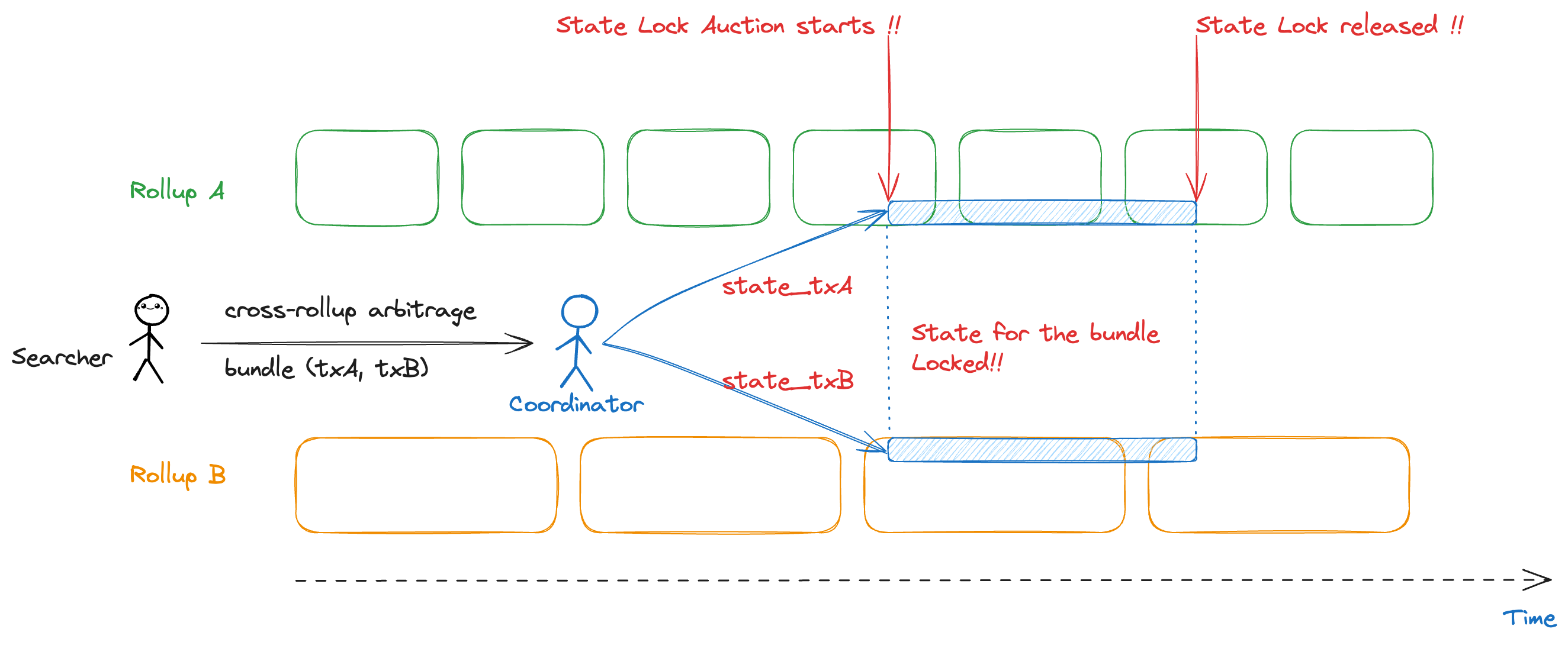
Atomicity requires synchronized finality. If one rollup finalizes in seconds while another takes hours, the atomic window breaks. Ensure all participating rollups have comparable confirmation latencies.
Common questions about rollup sequencing
Understanding the mechanics of cross-rollup sequencing requires clarity on foundational Layer 2 concepts. These questions address the distinctions that often confuse developers and protocol designers.
No comments yet. Be the first to share your thoughts!