Why shared sequencing matters now
Isolated rollups create friction. When transactions live in separate silos, cross-chain swaps require bridges that add latency and risk. More importantly, isolated ordering leaves value on the table. Traders and bots can extract MEV by front-running or sandwiching trades across different chains, exploiting the gaps between separate sequencers.
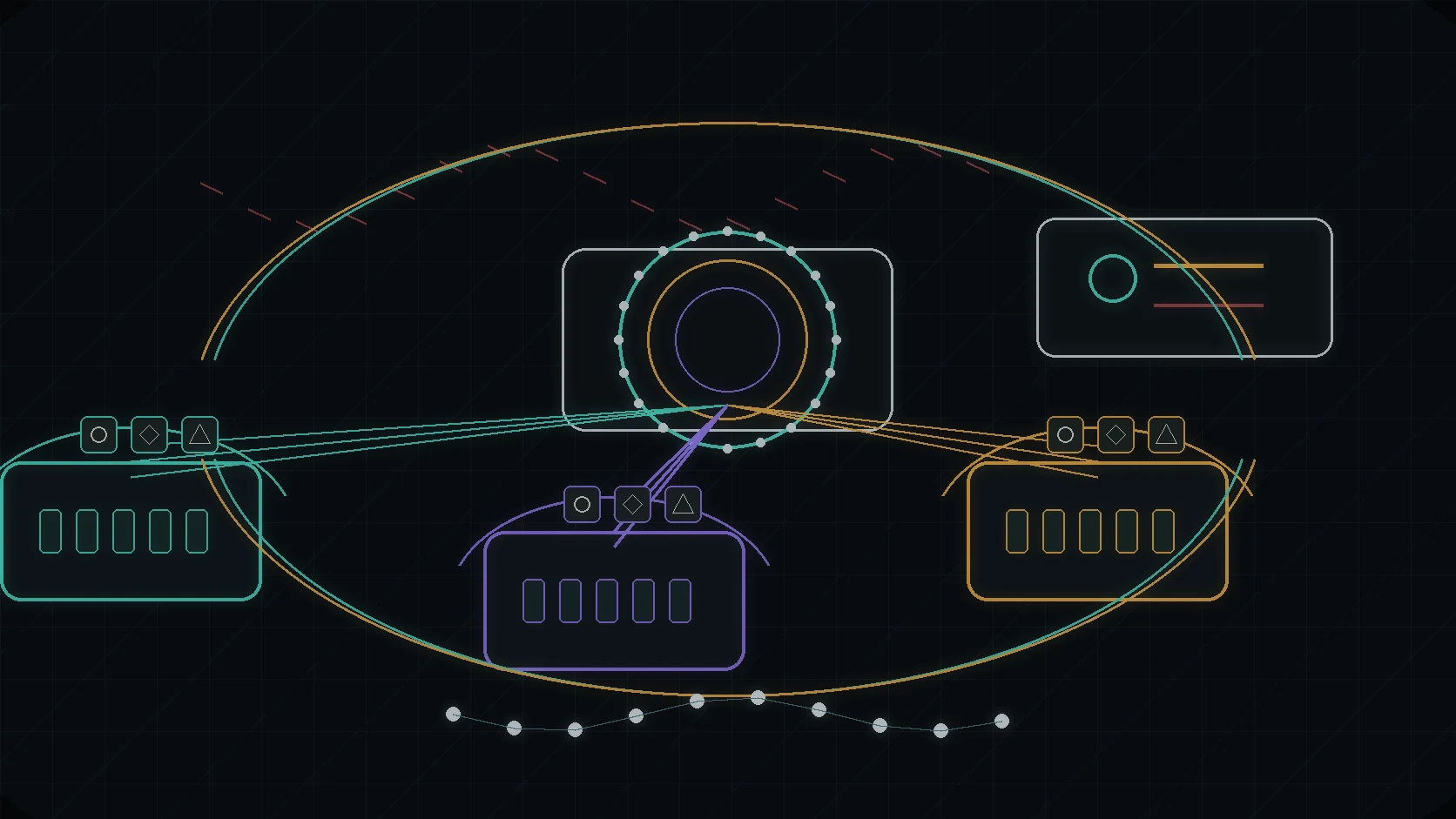
Cross-rollup sequencing solves this by treating multiple L2s as a single liquidity layer. A shared sequencer orders transactions across rollups atomically, ensuring that a swap on Arbitrum and a corresponding settlement on Optimism happen in the same block window. This eliminates the need for risky bridging and reduces MEV opportunities that arise from fragmented ordering.
The shift is already visible in developer conversations. Core builders are moving away from standalone sequencers toward shared infrastructure that prioritizes atomicity over isolation.
Next steps
-
Review current rollup isolation limits
-
Evaluate shared sequencer prototypes
-
Test atomic cross-rollup swaps
How synchronous atomic execution works
Synchronous atomic execution lets a shared sequencer order transactions across multiple rollups as a single, indivisible unit. Instead of each rollup processing its own queue independently, the sequencer acts as a central conductor, ensuring that related transactions on different chains either all complete or all fail together.
This approach solves the fragmentation problem where a user might send tokens to a bridge on one rollup, but the receiving rollup never records the deposit because its sequencer processed the transaction in a different order or time window. By bundling these operations, the system guarantees consistency without requiring trust in a single operator.
The mechanism relies on a two-phase commit protocol. First, the sequencer collects transactions from various rollups and proposes a state transition. Then, each rollup's validators verify the proposed state changes. Only when every participant agrees does the sequencer finalize the block, updating the state across all involved chains simultaneously.
This model shifts the burden of coordination from the user or application layer to the network infrastructure. It allows developers to write cross-chain logic that behaves like a single-chain transaction, reducing the complexity of handling partial failures and race conditions.
The technical foundation for this approach is detailed in research on cross-rollup atomic execution, which outlines how state commitments can be validated across distinct consensus layers without compromising security.
- Cross-rollup Synchronous Atomic Execution - ethresear.ch
- CRATE: Cross-Rollup Atomic Transaction Execution - arXiv
Shared sequencers vs based rollups
Cross-rollup sequencing has split into two dominant architectures: decentralized shared sequencers and L1-driven based rollups. The choice between them defines how transactions flow, who controls the order, and how much MEV (Maximal Extractable Value) leaks to intermediaries.
Shared sequencers, like the Rome protocol, act as a neutral highway for multiple rollups. A decentralized network of nodes orders transactions across chains simultaneously, reducing the latency of cross-rollup messaging. This model prioritizes composability, allowing assets and data to move fluidly between L2s without waiting for L1 block times. However, it introduces a new layer of trust; if the sequencer operator acts maliciously, they can reorder or censor transactions before they reach the base layer.
Based rollups, often called "L1-sequenced" rollups, push the sequencing responsibility directly to Ethereum. By including transaction ordering data in L1 blocks, these rollups eliminate the need for a separate sequencer network. This approach offers maximum security and censorship resistance, as the ordering is secured by Ethereum’s consensus. The trade-off is higher latency and complexity, as rollups must wait for L1 block production to finalize transaction order, which can slow down user-facing interactions.
The decision often comes down to whether you value speed or sovereignty. Shared sequencers are better for applications that require fast, cross-chain interactions, while based rollups are ideal for users who prioritize security and want to avoid trusting a sequencer operator. As the ecosystem matures, we may see hybrid models that combine the best of both worlds, but for now, the trade-offs are clear.
Avoiding cross-rollup MEV traps
When cross-rollup sequencing lacks synchronization, the gap between transaction execution on different chains becomes a hunting ground for extractors. Without atomic ordering, a single user intent can be split into fragments that arrive at different times, creating predictable windows for manipulation. This fragmentation allows bad actors to identify profitable opportunities that wouldn't exist in a unified, synchronized environment.
Front-running and sandwich attacks thrive in these disjointed timelines. A sequencer on Rollup A might process a large swap, but if the corresponding liquidity movement on Rollup B is delayed or unordered, intermediaries can insert their own transactions to capture the spread. This value extraction doesn't just hurt the end user; it degrades the economic integrity of the entire cross-rollup ecosystem, turning potential utility into a zero-sum game for MEV bots.
Proper sequencing mitigates this by treating cross-chain transactions as a single logical unit rather than separate events. By aligning the order of operations, systems can ensure that a swap on one chain is validated and executed in tandem with its counterpart on another. This reduces the attack surface, ensuring that users get the price they expect without predatory intermediaries intercepting the flow.
Non-atomic cross-rollup transactions leave value exposed to extraction. Always verify that your sequencing protocol enforces order integrity across chains.
To protect your transactions, ensure your cross-rollup infrastructure enforces strict sequencing rules:
- Verify atomic settlement guarantees between rollups.
- Monitor sequencer latency for timing anomalies.
- Use DEX aggregators that bundle cross-chain legs.
- Check for MEV protection features in your wallet.
Implementing atomic transfers in 2026
Cross-rollup sequencing moves from theoretical models to production-ready infrastructure. Developers no longer need to build custom sequencing layers from scratch. Shared sequencer services now handle the ordering of transactions across multiple L2s, reducing the overhead of launching independent sequencer sets.
The process relies on a two-phase commit pattern to ensure atomicity. When a transaction spans two rollups, the shared sequencer coordinates the execution so that either both states update or neither does. This prevents the common failure mode where one rollup succeeds while the other reverts, leaving assets in limbo.
Choose a shared sequencer service
Building a decentralized sequencing network requires gathering a set of operators and issuing new tokens, which creates significant overhead. Instead, integrate with existing shared sequencer services that support cross-rollup communication. These services provide the necessary ordering guarantees and data availability without the operational burden of managing your own sequencer fleet.
Handle pre-confirmations
Pre-confirmations allow users to see immediate results before the transaction is finalized on L1. The shared sequencer signs a pre-confirmation message that the destination rollup can verify instantly. This improves user experience by removing the wait time for block finality. Ensure your smart contracts are designed to accept these pre-confirmation signatures as valid execution proofs.
Manage state proofs
Synchronous composability requires real-time proving to validate state transitions between rollups. The destination rollup must verify the state root of the source rollup to ensure the transferred assets actually exist. Implementing this involves integrating with a proving service that can generate validity proofs on demand. This step ensures that cross-rollup transactions are secure and resistant to fraud.
Final implementation checklist
-
Select a shared sequencer service with cross-rollup support
-
Integrate pre-confirmation signature verification in smart contracts
-
Set up real-time proving for state root validation
-
Test two-phase commit scenarios with failure cases
-
Verify data availability guarantees with the sequencer provider
Community views on sequencing infrastructure
The debate over who should order transactions across rollups has split the ecosystem into two distinct camps. On one side, researchers and builders at ethresear.ch advocate for a shared sequencing layer. This model treats sequencing as a public good, allowing multiple rollups to outsource transaction ordering to a decentralized network of nodes. Proponents argue this approach is the only way to enable true cross-rollup atomic execution without forcing every project to build its own fragile ordering infrastructure.
The alternative, often associated with "based rollups," prioritizes decentralization by tying block production directly to the Ethereum beacon chain. However, critics point out that this model introduces significant complexity. Managing independent sequencing slots for dozens of rollups can lead to fragmentation and higher costs, potentially undermining the very efficiency rollups were built to provide. The tension lies between the simplicity of a shared service and the ideological purity of distributed block production.
Common questions about rollup sequencing
Understanding cross-rollup sequencing starts with clarifying the underlying mechanics. Here are the most frequent questions from builders and researchers.
How does atomic execution prevent failed cross-rollup swaps?
Atomic execution uses a two-phase commit protocol. The shared sequencer bundles transactions from multiple rollups into a single logical block. If any part of the transaction fails validation or execution on any rollup, the entire batch is reverted. This ensures that assets are never left stranded in a bridge or intermediate state.
What is the difference between shared sequencers and based rollups?
Shared sequencers are external networks that order transactions for multiple rollups, offering lower latency but requiring trust in the sequencer operators. Based rollups include ordering data directly in Ethereum L1 blocks, providing maximum censorship resistance and security at the cost of higher latency and complexity.
How do pre-confirmations improve user experience?
Pre-confirmations allow the shared sequencer to sign a message indicating that a transaction has been accepted and ordered. The destination rollup can verify this signature instantly, showing the user a success state before the transaction is finalized on L1. This removes the waiting period typically associated with cross-chain transactions.
What are the main risks of cross-rollup MEV?
Without synchronized ordering, MEV bots can exploit the time gap between transactions on different rollups. They can front-run or sandwich trades by inserting their own transactions into the sequence, capturing value that should belong to the original user. Atomic sequencing mitigates this by ensuring all legs of a cross-rollup trade are processed simultaneously.
No comments yet. Be the first to share your thoughts!