
Cross-rollup sequencing 2026 limits to account for
Cross-rollup sequencing in 2026 faces a structural bottleneck: while shared sequencing protocols are advancing, production usage remains fragmented across Layer 2 networks. This gap traps liquidity within individual rollup silos, forcing users to navigate complex bridging routes that increase both time and cost. The primary constraint is the lack of atomicity between chains. When a transaction spans multiple rollups, the system cannot guarantee that all steps succeed or fail together, enabling cross-rollup MEV where arbitrageurs exploit timing gaps between state updates.
Consequently, developers and liquidity providers are treating shared sequencing infrastructure as a strategic asset. The transition is slow because it requires rethinking how order flow is routed and settled. Until cross-rollup atomicity becomes standard, the landscape will remain defined by these sequencing constraints, limiting the seamless movement of capital that multi-chain liquidity promises.
Cross-rollup sequencing 2026 choices that change the plan
Cross-rollup sequencing is shifting from experimental research to production infrastructure, involving distinct tradeoffs between atomicity, cost, and decentralization. As shared sequencing becomes strategic, teams must evaluate how different architectures handle cross-chain liquidity and MEV extraction.
The primary tension lies in atomicity versus latency. Synchronous atomic execution ensures that trades across multiple rollups settle in a single step, eliminating the risk of failed intermediate states. However, this requires tight coordination between sequencers and often introduces higher latency compared to asynchronous models. Asymmetric or independent sequencing offers lower latency and greater flexibility but leaves room for cross-rollup arbitrage and MEV extraction.
Cost is the second critical factor. Shared sequencing infrastructure can reduce per-rollup costs by consolidating data availability and ordering services. Yet, the complexity of maintaining cross-rollup state proofs and synchronization layers can offset these savings. Teams must weigh the operational overhead of building custom sequencing bridges against the potential efficiency gains of adopting standardized shared sequencing protocols.
Decentralization remains a third pillar. Current production cross-rollup usage is limited, and many shared sequencing solutions still rely on centralized or semi-centralized operators. The endgame for many projects is Ethereum-wide sequencing that unifies liquidity under a single, decentralized ordering layer. This approach promises to solve rollup fragmentation but requires significant upgrades to the base layer and sequencer networks.
| Factor | Synchronous Atomic | Asynchronous | Shared Infrastructure |
|---|---|---|---|
| Atomicity | Full cross-rollup atomicity | Non-atomic; risk of failed states | Depends on implementation |
| Latency | Higher due to coordination | Lower, independent ordering | Variable, often optimized |
| MEV Risk | Minimized | High; cross-rollup arbitrage | Reduced but not eliminated |
| Cost | High coordination overhead | Lower per-rollup cost | Economies of scale possible |
| Decentralization | Challenging to scale | Easier to decentralize per-rollup | Often centralized currently |
These tradeoffs are not static. As the ecosystem matures, hybrid models are emerging that attempt to balance atomicity with performance. For example, some projects are experimenting with partial atomicity, where only high-value cross-rollup trades are synchronized, while others proceed asynchronously. This nuanced approach allows for greater flexibility but requires sophisticated smart contract design to manage state consistency.
The choice of sequencing model should align with your specific use case. Applications requiring strict financial integrity, such as cross-chain DEXs or lending protocols, may prioritize atomicity. Consumer-facing applications, like gaming or social tokens, might favor lower latency and higher throughput, accepting the tradeoff of non-atomic execution. As shared sequencing infrastructure becomes more robust, the gap between these models is likely to narrow, but for now, the decision remains a fundamental architectural choice.
Key considerations for 2026
-
Atomicity Requirements
Evaluate if your application requires strict cross-rollup atomicity or if eventual consistency is acceptable. -
MEV Exposure
Assess the potential for cross-rollup arbitrage and whether your users are sensitive to MEV extraction. -
Infrastructure Maturity
Consider the maturity of shared sequencing providers and the level of decentralization they offer. -
Cost Structure
Compare the total cost of ownership, including development, operational, and transaction fees, for each model.
How to choose a cross-rollup sequencing strategy
Deciding on a cross-rollup sequencing approach requires weighing speed against decentralization. The current landscape offers distinct paths, each with specific trade-offs for liquidity and security. Use this framework to select the model that aligns with your chain’s priorities.
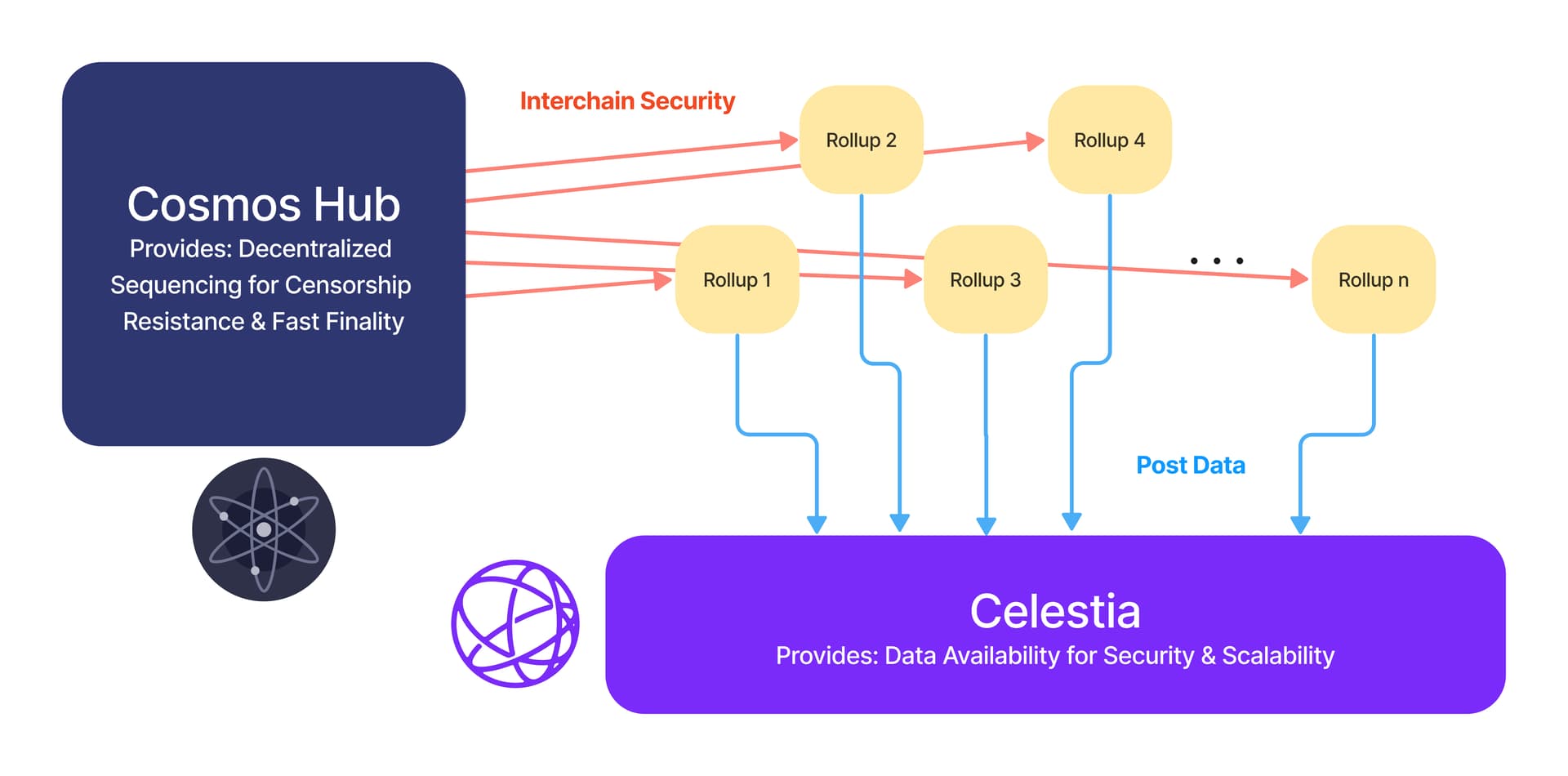
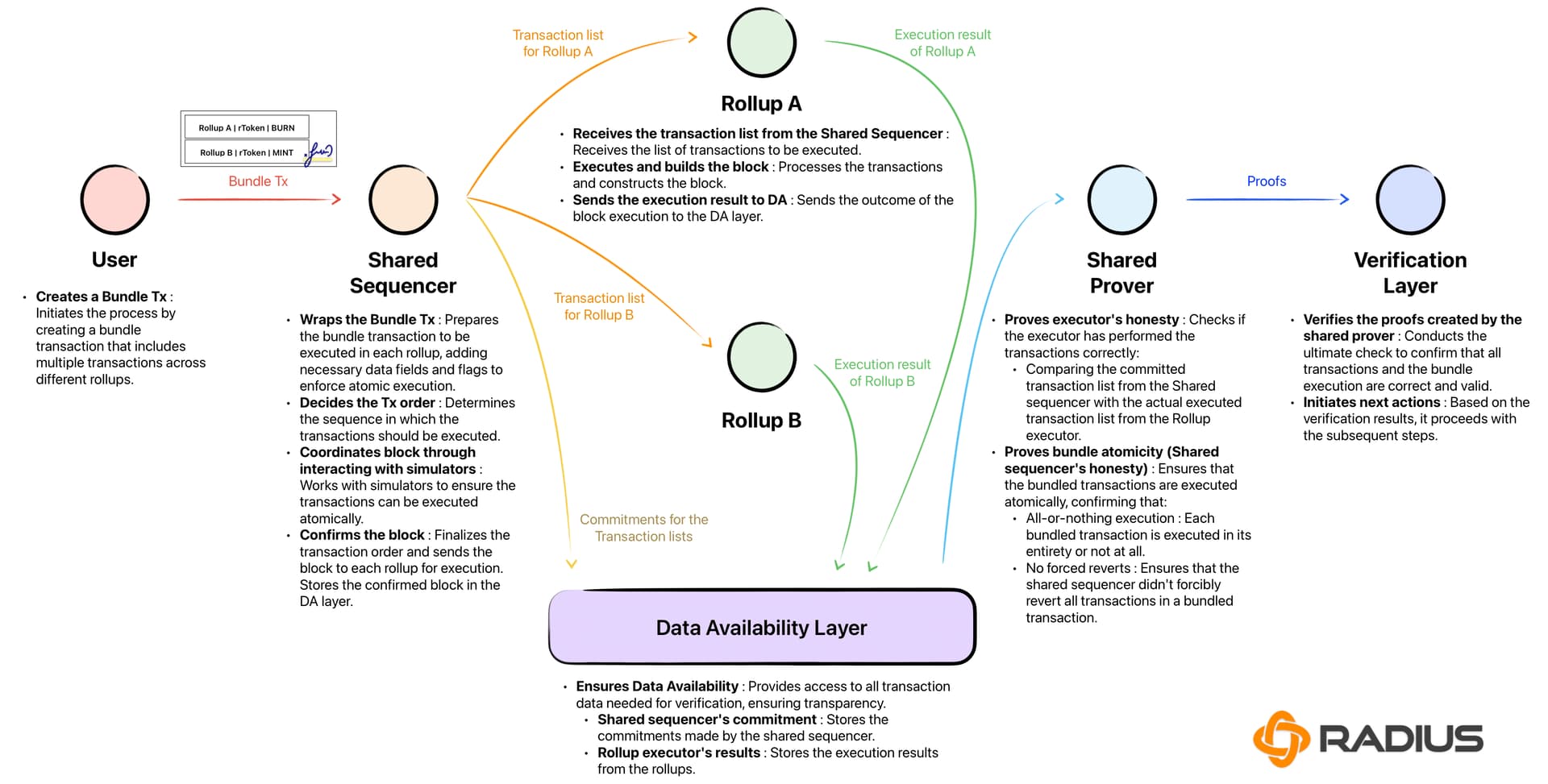
Shared sequencers aggregate transactions from multiple rollups, enabling atomic cross-chain swaps. This model maximizes liquidity efficiency but introduces centralization risks. Use this if your primary goal is user experience and MEV reduction.
Independent sequencers maintain full control over transaction ordering, preserving decentralization. Cross-rollup interactions rely on optimistic bridges, which are slower but more secure. This is the safer choice for institutions prioritizing censorship resistance over speed.
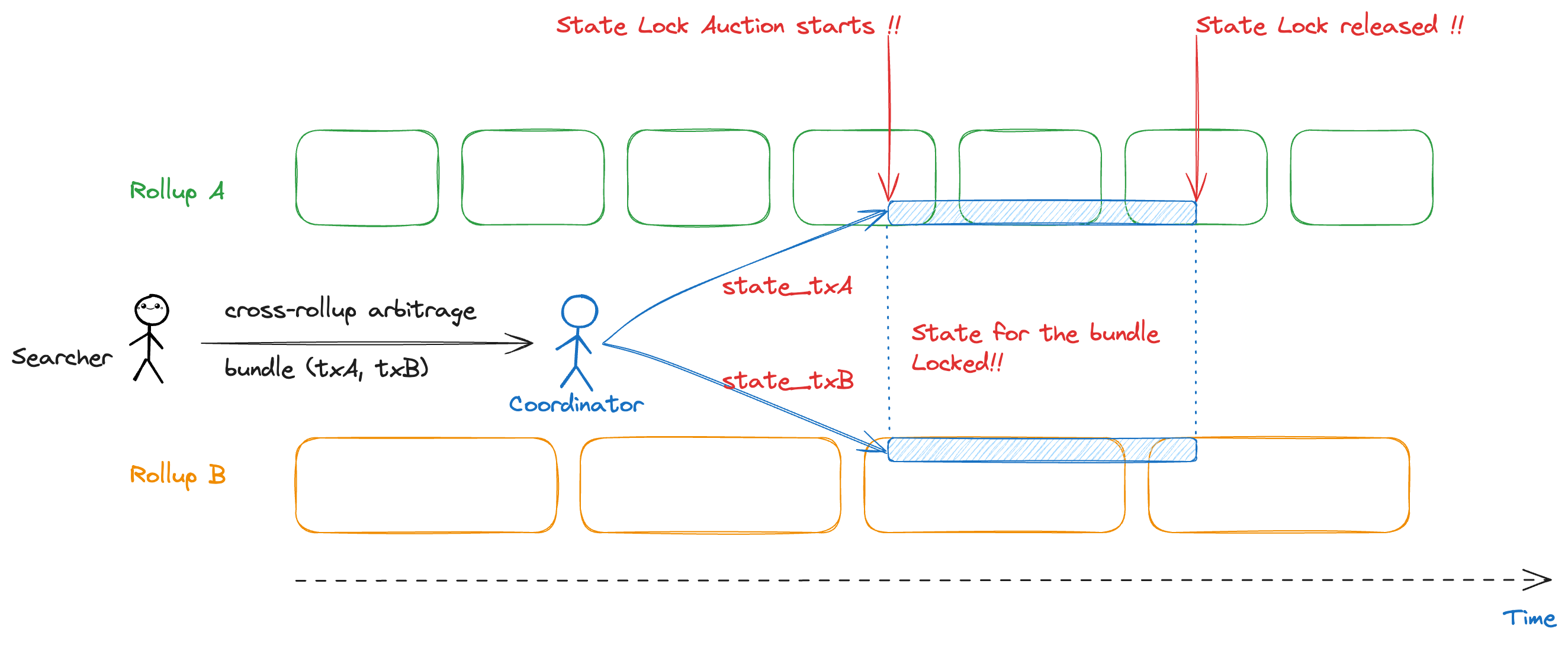
Hybrid architectures allow specific high-value transactions to be shared while keeping routine operations independent. This balances efficiency with security, though it increases technical complexity. Consider this for chains with mixed user bases and varying security needs.
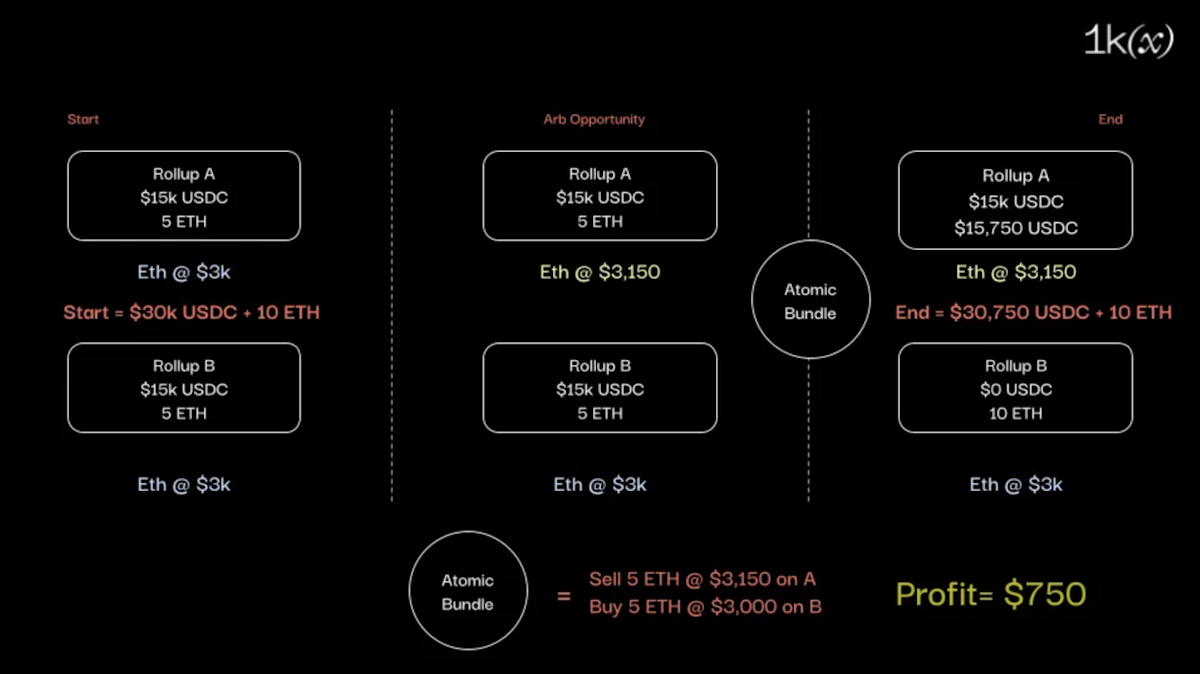
Cross-rollup arbitrage opportunities are increasing, making MEV a critical factor. Analyze how your chosen sequencing model handles order flow. If MEV leakage is a concern, prioritize models that offer transparent or suppressed ordering mechanisms.
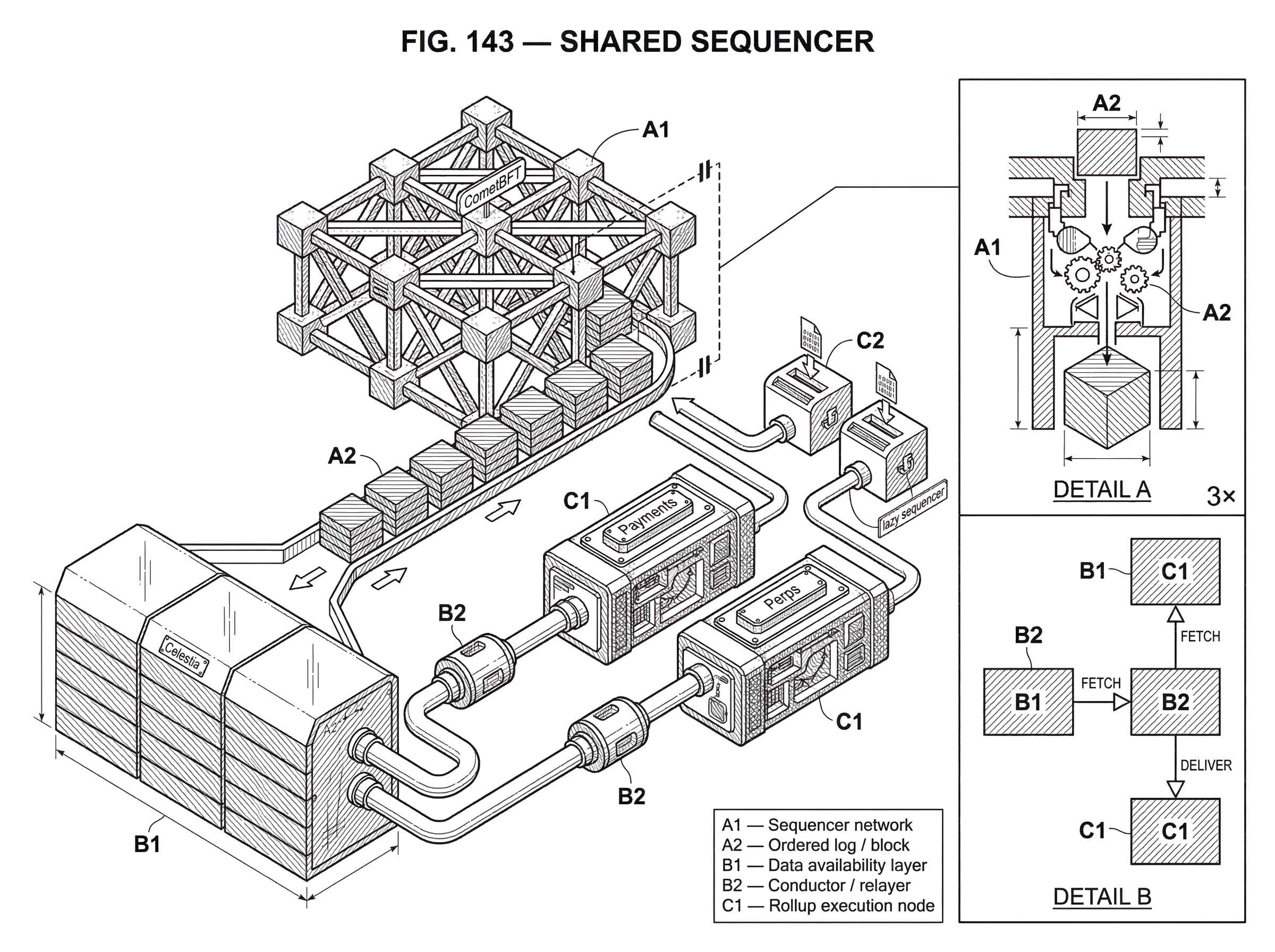
While shared sequencing is advancing, production usage remains limited. Avoid relying on unproven infrastructure for critical paths. Wait for broader adoption and robust tooling before fully committing to experimental sequencing layers.
Spotting Weak Options in Cross-Rollup Sequencing
Cross-rollup sequencing promises unified liquidity, but the current landscape is riddled with half-baked implementations. As shared sequencing advances, many projects still rely on centralized sequencers that create single points of failure. You need to distinguish between true atomic settlement and fragmented liquidity pools that look unified but aren't.
The Centralization Trap
Many "decentralized" solutions still route transactions through a single operator. This defeats the purpose of multi-chain scalability. If one sequencer goes down or censors transactions, the entire cross-chain bridge halts. Look for proof of distributed validator networks, not just marketing claims.
Fragmented Liquidity Illusions
Some platforms claim cross-rollup support but actually rely on wrapped tokens that don't settle atomically. This creates MEV opportunities for bad actors. True cross-rollup arbitrage requires non-atomic detection and immediate rebalancing. Without this, you're just moving risk, not solving it.
Missing Atomic Guarantees
Atomicity across rollups is the hardest technical challenge. If a transaction succeeds on one chain but fails on another, funds can be lost. Weak options lack robust rollback mechanisms. Always verify if the protocol uses a shared sequencer or a complex bridge wrapper. The latter is often slower and more expensive.
High Latency and Fees
Shared sequencing reduces costs, but only if the infrastructure is efficient. Many solutions introduce new layers of abstraction that increase latency. For time-sensitive trades, this is unacceptable. Test the actual transaction finality times, not just the theoretical limits.
The Verdict
Prioritize protocols with transparent, open-source sequencing logic. Avoid those hiding their infrastructure behind proprietary wrappers. The future is shared, but only if it's truly decentralized and atomic.
Cross-rollup sequencing 2026: what to check next
Cross-rollup sequencing is shifting from experimental infrastructure to the standard for multi-chain liquidity in 2026. As shared sequencers replace isolated rollup silos, users and developers face new tradeoffs regarding centralization, arbitrage, and interoperability. The following questions address the practical realities of this transition.
The shift toward shared sequencing is not just a technical upgrade; it is a fundamental rethinking of how liquidity flows across the Ethereum ecosystem. By treating multiple rollups as a single execution layer, the network can finally deliver the seamless multi-chain experience users expect.
No comments yet. Be the first to share your thoughts!