Why shared sequencing matters now
The Ethereum L2 landscape is fracturing. As dozens of rollups operate in isolation, transaction ordering becomes a fragmented, inefficient process. This fragmentation creates silos where value and liquidity cannot move freely, forcing users to navigate complex bridge workarounds for simple interactions. The result is a system prone to high fees, delayed settlements, and significant MEV extraction risks.
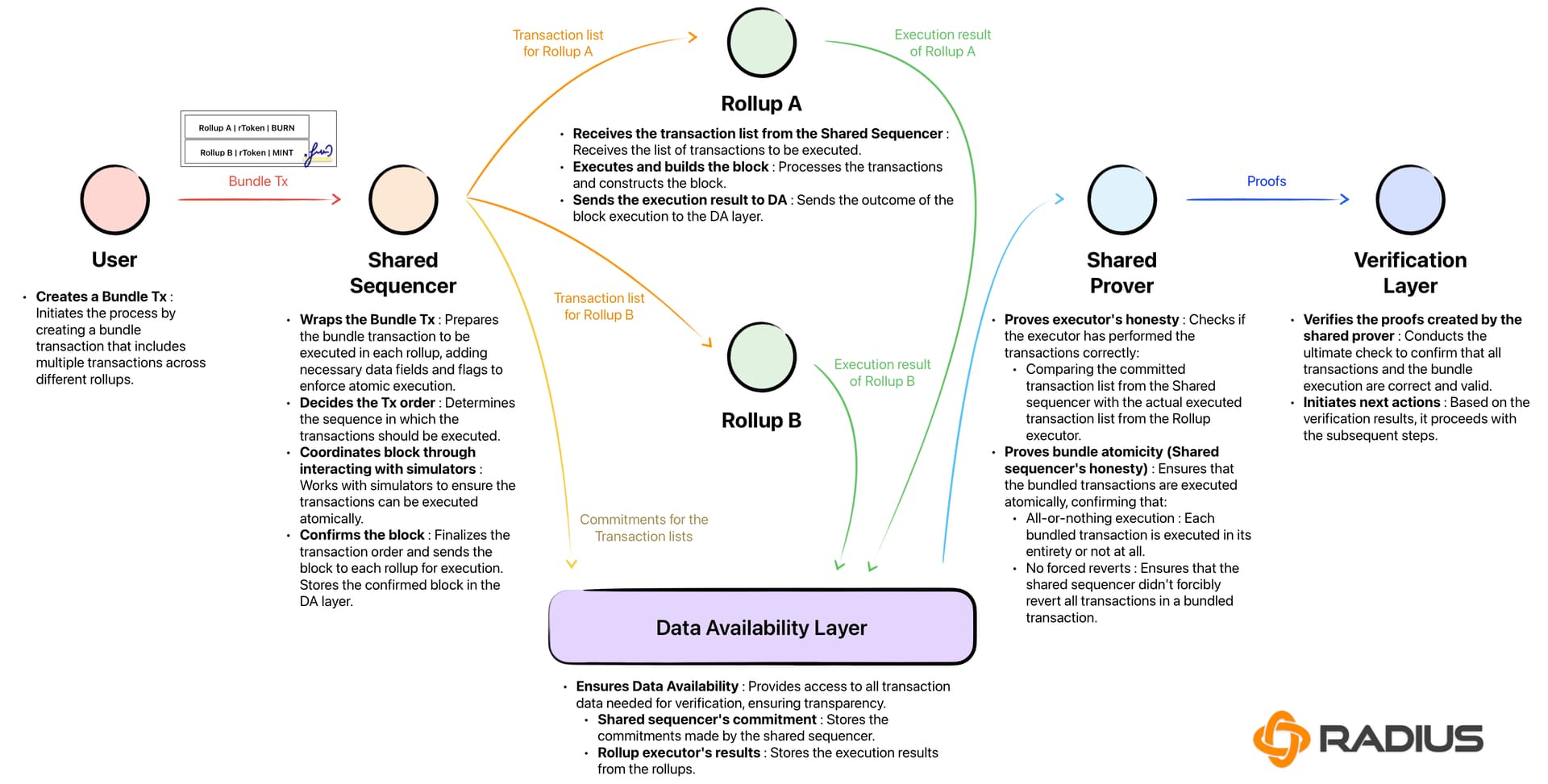
Shared sequencing addresses this by replacing isolated ordering layers with a decentralized network that processes transactions across multiple rollups simultaneously. Instead of each rollup maintaining its own private sequencer, a shared infrastructure provides a unified ordering layer. This allows for atomic cross-chain actions—transactions that execute on multiple chains as a single, indivisible unit. If one part of the transaction fails, the entire operation reverts, eliminating the risk of partial execution and the associated financial losses.
This shift is not merely an incremental upgrade; it is a fundamental restructuring of L2 infrastructure for 2026. By decoupling sequencing from execution, rollups can focus on their specific execution environments while relying on a shared, secure ordering layer. This model defragments the ecosystem, enabling true composability where assets and data flow seamlessly between chains without the need for trusted intermediaries or complex bridge contracts.
Shared sequencing moves transaction ordering from individual rollup sequencers to a decentralized network, enabling atomic execution across chains.
The community is already reacting to this infrastructure shift. Developers and users are recognizing that the current model of isolated rollups is unsustainable for mass adoption. The promise of cross-rollup composability is driving significant interest, as seen in ongoing discussions about the trade-offs between decentralization and efficiency.
As we move into 2026, the transition to shared sequencing will define the next era of L2 development. Projects that adopt this infrastructure will benefit from lower costs, faster settlement times, and a more robust security model. Those that remain isolated will struggle to compete in an increasingly interconnected ecosystem.
Atomic cross-rollup transactions explained
The shift toward atomic cross-rollup transactions represents a fundamental rethinking of how value moves across Layer 2 ecosystems. Instead of relying on slow, trustful bridges that lock assets for days, atomic execution bundles transactions across multiple rollups into a single, synchronous unit. This mechanism ensures that either all parts of the transaction succeed or all fail, eliminating the risk of partial execution and the MEV opportunities that arise from fragmented settlement.
At the core of this architecture is Shared Validity Sequencing (SVS). As outlined in foundational research on cross-rollup atomic transaction execution, SVS allows a trigger on one rollup to remotely invoke a contract on another within the same sequencing window. A shared sequencer collects these cross-chain intents, orders them, and submits them to the underlying L1 for validation. This creates a unified liquidity layer where assets are no longer siloed by their native chain.
The security model relies on shared fraud proofs. If a sequencer attempts to include an invalid cross-rollup transaction, any validator can challenge the entire batch. This shared security assumption means that users do not need to trust the sequencer operator; they only need to trust the underlying L1 consensus and the validity proofs. This approach effectively removes the 7-day bridge wait, enabling instant, trust-minimized interoperability.
With shared validity sequencing, a trigger on one rollup can remotely invoke a contract on another, effectively removing the 7-day bridge wait.
Community developers have long recognized the implications of this shift. As noted in early discussions on atomic cross-rollup designs, the combination of a simple block-building algorithm and shared fraud proofs allows for atomic transactions between rollups without the overhead of traditional bridging. This infrastructure shift is critical for the 2026 landscape, where liquidity fragmentation is the primary bottleneck for scalable DeFi.
The MEV problem in shared sequencing
Shared sequencing promises efficiency, but it introduces a high-stakes vulnerability: cross-rollup MEV. When a single sequencer processes transactions from multiple rollups, it gains a panoramic view of the entire ecosystem’s state. This visibility transforms isolated events into a unified battlefield, where extractors can identify arbitrage and sandwich opportunities that span chain boundaries.
In this environment, cross-rollup bundles are effectively treated as single transactions. This aggregation creates new front-running vectors. An extractor can monitor the pending mempool across rollups, identifying a large swap on one chain and a correlated price movement on another. By front-running the initial transaction, they can profit from the subsequent ripple effects before the rest of the network reacts.
The risk is not merely theoretical. As interoperability protocols mature, the surface area for these attacks expands. The sequencer’s central role in ordering these cross-chain events makes it a prime target for sophisticated MEV bots. Without atomic execution guarantees, the integrity of cross-rollup transactions remains fragile, exposing users to significant financial risk.
The industry is grappling with this tension. While shared sequencers offer lower latency and reduced costs, they centralize power in ways that benefit extractors. The solution lies in cryptographic guarantees that ensure atomicity—where cross-rollup transactions either all execute or none do—preventing partial fills that MEV bots exploit. Until then, the visibility provided by shared sequencing remains a double-edged sword.
Leading cross-rollup sequencing projects
The race to solve cross-rollup sequencing has shifted from theoretical consensus models to deployed infrastructure. In 2026, the focus is on trustless sequencing-as-a-service platforms that decouple ordering from execution, ensuring that cross-chain transactions remain atomic and resistant to MEV extraction.
Radius has emerged as a primary contender in this space, raising $8.7 million to build a trustless sequencing layer. Its architecture allows specialized rollups to outsource sequencing to a decentralized network, ensuring that transaction ordering is not controlled by a single entity. This model is critical for maintaining fairness across interoperable chains.
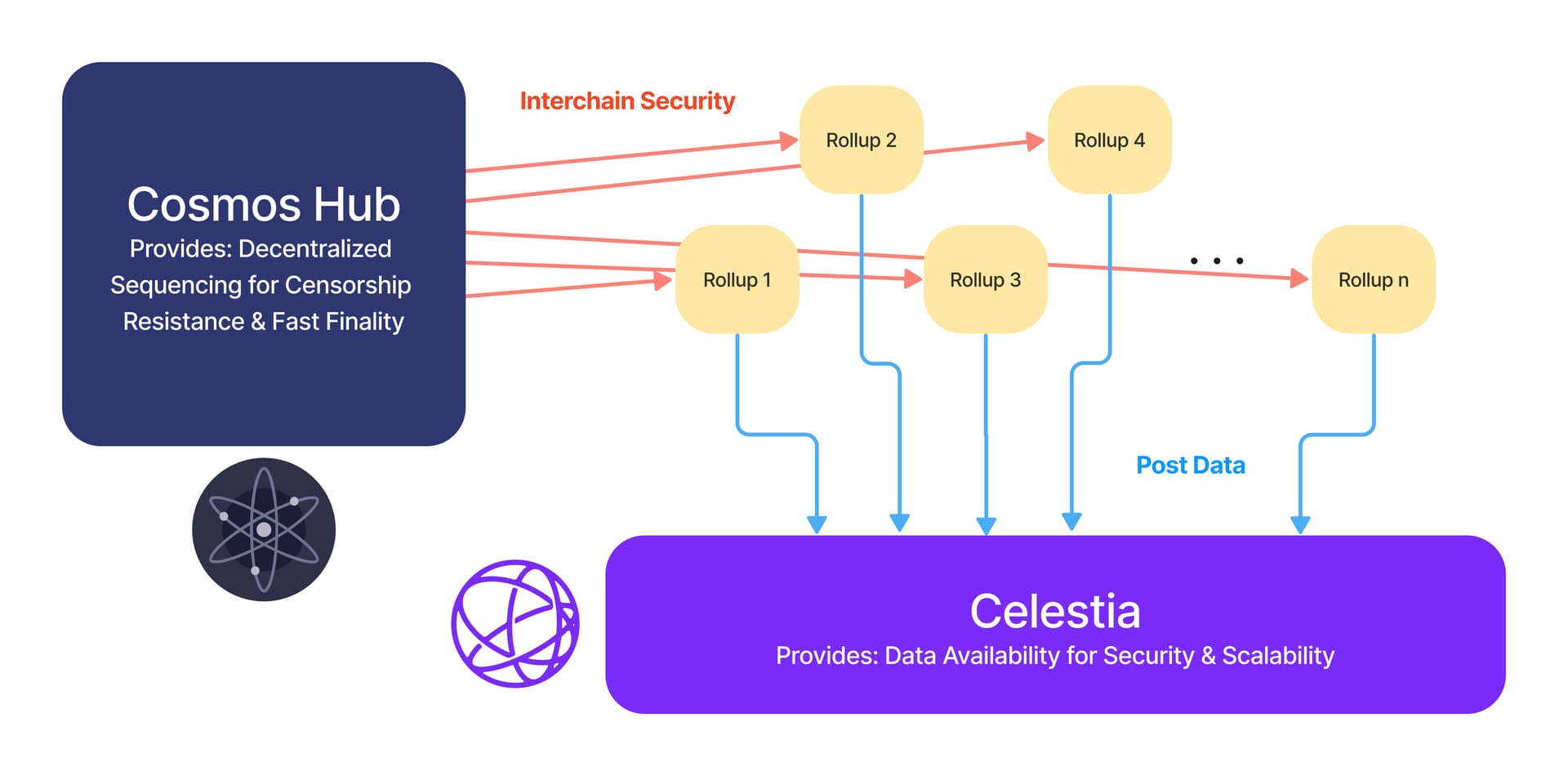
Espresso Systems continues to refine its decentralized sequencer network, offering a robust alternative to centralized ordering. By leveraging interchain security, projects can spin up new rollups with built-in decentralized sequencing, using existing sets of sequencers and stake to guarantee security. This approach minimizes the trust assumptions required for cross-rollup interoperability.
The Decentralization Trade-Off
Moving from centralized rollup sequencers to shared, decentralized networks is the defining infrastructure challenge of 2026. The promise is clear: atomic execution across rollups enables composability that isolated chains cannot match. But this shared infrastructure introduces a critical tension between performance and trust minimization.
Centralized sequencers offer low latency and high throughput, but they create single points of failure and MEV extraction risks. Decentralized alternatives distribute this power, reducing censorship resistance concerns, but often at the cost of finality speed and transaction ordering efficiency. The trade-off is not merely technical; it is a fundamental shift in who controls the narrative of the chain.
"Shared sequencers represent one of the most significant infrastructure developments for Ethereum's L2 ecosystem in 2026, promising cross-rollup composability at what cost to decentralization?"
The community remains divided on the optimal path. While some argue that shared security models are the only way to scale sustainably, others warn that over-reliance on shared sequencers could recreate the very centralization risks we sought to eliminate.
As the ecosystem matures, the question is no longer if we will decentralize sequencing, but how we balance the trade-offs without sacrificing the security guarantees that make Ethereum valuable.
Common questions about cross-rollup sequencing
Cross-rollup sequencing is shifting from theoretical research to live infrastructure in 2026. The move toward shared sequencers and synchronous atomic execution fundamentally changes how value moves across the Layer 2 ecosystem. These changes introduce new mechanical realities for security and MEV.
No comments yet. Be the first to share your thoughts!