
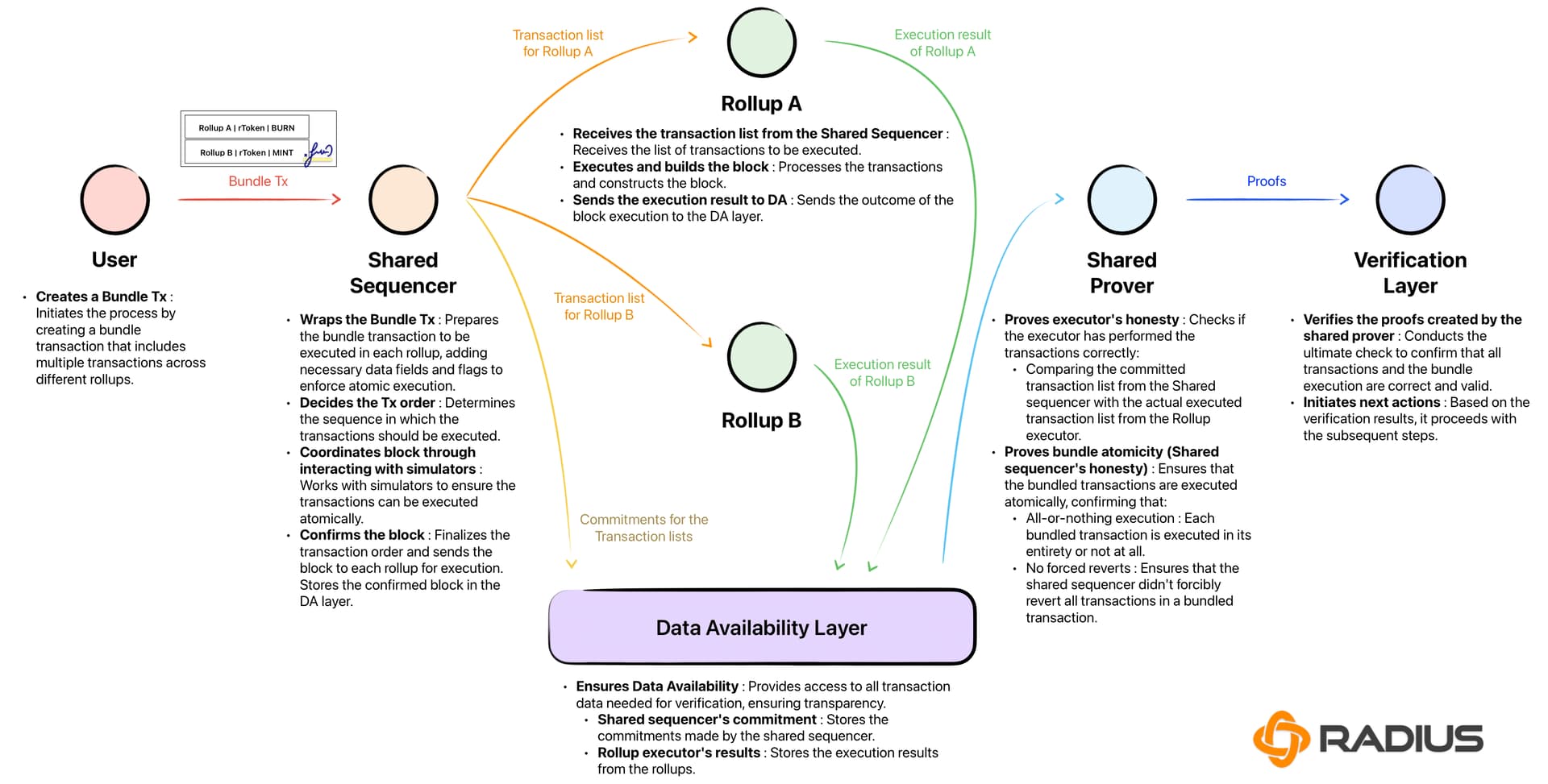
Why rollups need shared sequencing
The current Layer 2 landscape is defined by fragmentation. Each rollup—whether it is an Optimistic rollup or a ZK rollup—operates with its own isolated sequencer. This sequencer accepts transactions, decides their order, and provides fast confirmations before posting data to Ethereum. While this model works for individual chains, it creates significant inefficiencies when users try to interact across different networks.
In this siloed environment, capital and liquidity are trapped within specific rollup boundaries. A user moving assets from one rollup to another faces high latency and complex bridging processes. This fragmentation stifles composability, making it difficult for applications to build fluid experiences that span multiple chains. The result is a fragmented user experience where speed and convenience are sacrificed for isolation.
Shared sequencing addresses this by decoupling the transaction ordering layer from individual rollup execution. Platforms like Espresso and Radius provide a shared infrastructure where multiple rollups can access the same sequencer. This approach defragments the ecosystem, allowing transactions to be ordered globally rather than locally. By sharing this critical infrastructure, rollups can reduce latency and improve capital efficiency, bringing cross-rollup interactions closer to the simplicity of a single-chain experience.
How shared sequencers work
A shared sequencer acts as a common ordering layer for multiple rollups. Instead of each rollup running its own sequencer, transactions from different networks flow into a single service. This service orders the transactions globally before they are posted to the Layer-1 blockchain.
This architecture solves the fragmentation problem. In a standard setup, a sequencer is a single operator or a tightly controlled service that decides transaction order. With shared sequencing, the ordering authority is decoupled from the execution environment. This allows rollups to focus on execution while relying on a neutral party for consensus on order.
Espresso and Radius are prominent examples of this infrastructure. They provide the shared sequencing layer that enables cross-rollup atomicity. By using these services, rollups can ensure that transactions across different networks are processed in a consistent, deterministic order.
The process follows a clear pipeline. First, users submit transactions to their respective rollups. These transactions are then forwarded to the shared sequencer. The sequencer batches and orders them, creating a global sequence. Finally, the ordered data is posted to Layer-1, where it can be verified by all involved rollups.
This mechanism enables cross-rollup atomic execution. Transactions from different rollups can be included in the same block or sequence. This ensures that complex operations spanning multiple networks happen simultaneously, reducing the risk of state inconsistencies.
The shared sequencer also improves efficiency. By consolidating ordering, it reduces the overhead of maintaining multiple sequencer networks. This leads to lower costs and faster finality for users across the ecosystem.
Key protocols building shared sequencing
The race to decouple sequencing from execution has produced several distinct infrastructure layers. These protocols aim to replace single-operator sequencers with decentralized networks that order transactions for multiple rollups simultaneously. Below are the leading projects actively building this shared infrastructure.
Espresso System
Espresso System is building a shared sequencer network designed to order transactions for any EVM-compatible rollup. The project focuses on reducing transaction finality times and preventing front-running by ensuring that all rollups see the same transaction order before it is posted to Ethereum. Espresso has raised over $60 million in funding, backing its efforts to become the default ordering layer for modular rollups. Its architecture allows rollups to outsource the sequencing workload while maintaining control over execution logic.
Radius
Radius operates as a trustless sequencing layer that provides sequencing-as-a-service for specialized blockchains. Unlike traditional sequencers that rely on a single entity, Radius uses a decentralized network to order transactions across different rollups. The project recently launched its Early Community Program and has raised $8.7 million to support its development. Radius aims to solve the interoperability bottleneck by ensuring that cross-rollup transactions are processed in a consistent and verifiable order.
Celestia-Based Solutions
Celestia offers a different approach by leveraging its modular data availability layer to support decentralized sequencing. Through initiatives like Interchain Security, Celestia allows new rollups to spin up with decentralized sequencing by borrowing security and validator sets from existing networks. This model reduces the barrier to entry for new rollups that want to avoid centralized sequencer risks. The platform enables rollups to post data to Celestia while relying on a shared set of sequencers for ordering.
Comparison of Leading Sequencing Protocols
The table below compares the core attributes of these three major infrastructure providers.
| Protocol | Sequencing Model | Funding Status | Primary Focus |
|---|---|---|---|
| Espresso System | Shared EVM Sequencer | $60M+ | EVM rollup ordering |
| Radius | Trustless Service | $8.7M | Cross-rollup interoperability |
| Celestia | Interchain Security | Modular DA Layer | Decentralized sequencing via shared security |
Managing cross-rollup MEV risks
Shared sequencing introduces a specific security vector: cross-rollup MEV. When a single sequencer processes transactions from multiple rollups, it effectively treats cross-rollup bundles as a single unit. This concentration of power allows malicious actors to front-run or sandwich these bundles, extracting value that wouldn't be possible if each rollup were sequenced in isolation.
The risk is not merely theoretical. As noted in industry analysis, the ability to view and order transactions across different chains creates arbitrage opportunities that can harm users on both sides of the trade. Without proper safeguards, the efficiency gains of shared infrastructure come at the cost of transaction fairness and user protection.
To mitigate this, protocols are implementing cryptographic safeguards. Espresso Systems, for example, uses a decentralized ordering network to ensure that transaction order remains unpredictable and resistant to manipulation. Similarly, Radius employs a trustless interoperability layer that verifies cross-rollup actions without exposing sensitive ordering data to the sequencer.
These solutions aim to decouple execution from ordering. By ensuring that the sequencer cannot predict or manipulate the final state of cross-chain transactions, users can engage with multi-rollup applications without fearing predatory extraction. The focus remains on preserving the integrity of the transaction flow while maintaining the speed benefits of shared infrastructure.
Frequently asked questions about sequencing
Helpful gear
Use these product recommendations as a starting point, then choose the size, material, and price point that fit how you actually use the gear.


As an Amazon Associate, we may earn from qualifying purchases.
No comments yet. Be the first to share your thoughts!