What cross-rollup sequencing enables
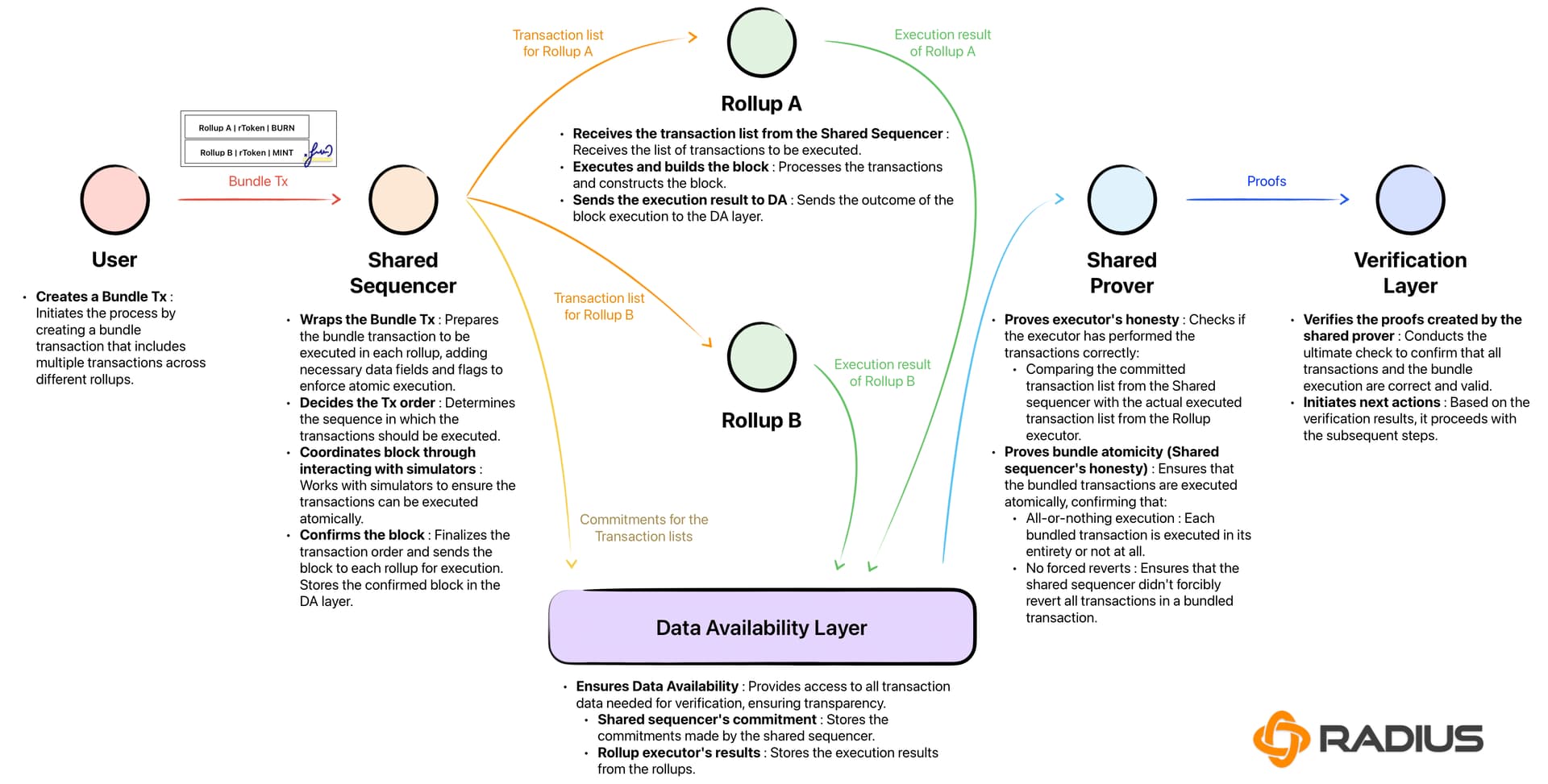
Cross-rollup sequencing allows a single shared sequencer to order transactions across multiple Layer 2 networks simultaneously. Instead of each rollup processing its own isolated batch, the shared sequencer merges transactions from different chains into a single, unified ordering stream. This coordination creates a deterministic sequence where the exact timing of a transaction on one chain is known relative to transactions on another.
This atomic ordering is the foundation for new arbitrage surfaces. In traditional setups, cross-chain transfers suffer from latency gaps that arbitrageurs exploit. With shared sequencing, those gaps shrink significantly. A trader can execute a trade on Chain A and immediately settle or hedge on Chain B within the same global block window, removing the uncertainty of which chain will process first.
The mechanism works by having the sequencer assign a global sequence number to every transaction, regardless of its origin chain. This allows smart contracts to read state from multiple rollups as if they were part of a single ledger. The result is a synchronized environment where price discrepancies across chains can be corrected in near real-time, provided the user has the necessary capital and gas on all involved networks.

Step 1: Identify price divergence across rollups
The foundation of cross-rollup sequencing is finding the same asset trading at different prices on two separate Layer 2 networks. Unlike single-chain arbitrage, where you move funds between pools on one Ethereum mainnet, cross-rollup arbitrage requires monitoring liquidity pools across distinct ecosystems like Arbitrum, Optimism, or Base simultaneously.
You are looking for a price divergence that exceeds the combined cost of bridge transfers and gas fees. If the price gap is smaller than these costs, the trade will lose money even if executed perfectly. Start by tracking the same token pair, such as USDC/ETH, on two different rollups. Most professional traders use custom scripts or advanced DEX aggregators that pull real-time price data from multiple chains to highlight these inefficiencies instantly.
A significant divergence often appears when a large trade occurs on one rollup, creating a temporary imbalance that has not yet propagated to the other. This window is where sequencing becomes valuable. By identifying the gap early, you can prepare the necessary transactions to execute the buy on the cheaper rollup and the sell on the more expensive one before the market corrects itself.
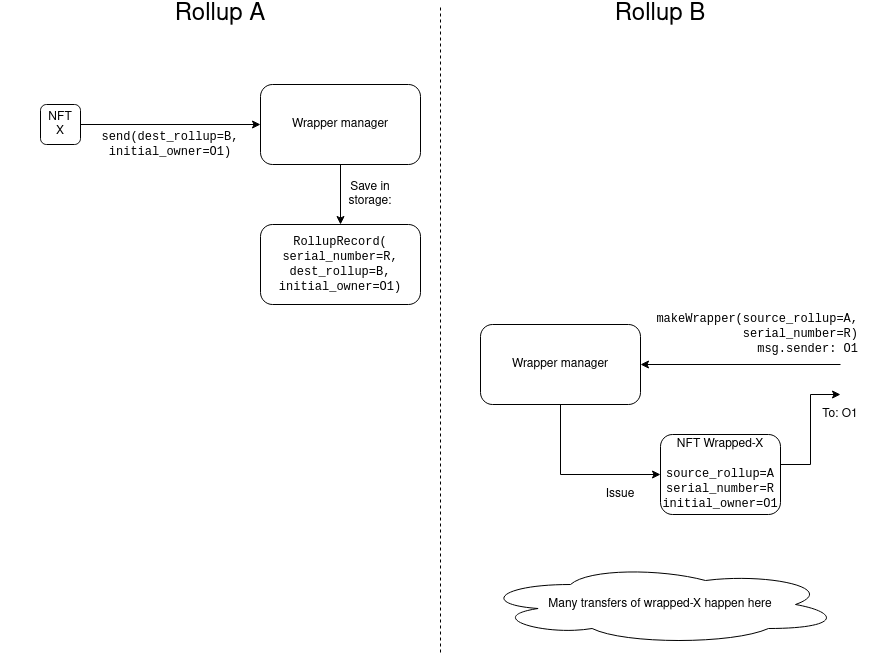
Research into cross-rollup MEV (Maximal Extractable Value) highlights that non-atomic arbitrage opportunities are frequent but fleeting. The study "Cross-Rollup MEV: Non-Atomic Arbitrage Across L2" notes that these opportunities exist because rollups do not share a single ordering layer. This lack of atomicity means one transaction can settle on Rollup A while the corresponding counter-transaction on Rollup B is still pending, creating the arbitrage window you need to exploit.
Route transactions through a shared sequencer
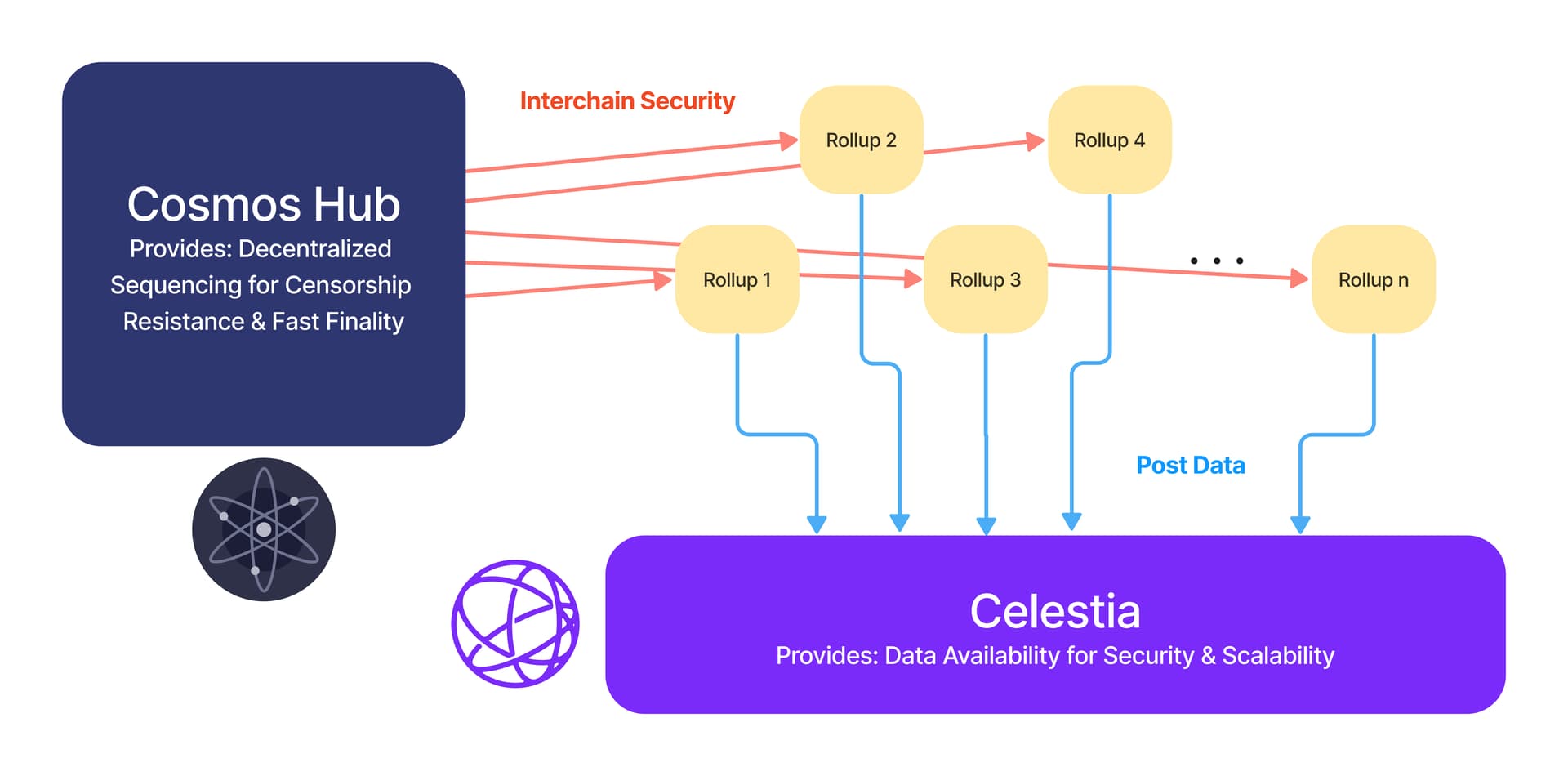
Cross-rollup sequencing relies on a shared sequencer—a decentralized network of nodes that orders transactions across multiple rollups simultaneously. By routing your trade legs through this shared layer, you ensure atomic ordering. This means the sequencer can guarantee that both the deposit and withdrawal legs of your arbitrage are processed in the exact sequence required, preventing partial execution.
Without a shared sequencer, your transactions sit in separate, independent mempools. In a volatile market, this separation creates a dangerous window where price slippage can erase your profit margin or leave you with an unbalanced position. Routing through a shared network eliminates this fragmentation by treating the multi-leg trade as a single, cohesive event from the moment it enters the ordering layer.
To execute this step, you must connect your transaction builder to the shared sequencer’s API or RPC endpoint. Most cross-rollup infrastructure providers offer specific endpoints designed for multi-chain ordering. Ensure your transaction payload includes the necessary cross-rollup routing flags so the sequencer recognizes the interdependent nature of your legs. This explicit tagging is what allows the node to hold one leg until the other is confirmed, maintaining the atomic integrity of the arbitrage loop.
Step 3: Verify atomic execution and settle
Use Cross-Rollup Sequencing for Cross-Chain Arbitrage works best as a clear sequence: define the constraint, compare the realistic options, test the tradeoff, and choose the path with the fewest hidden costs. That order keeps the advice usable instead of decorative. After each step, pause long enough to check whether the recommendation still fits the reader's actual situation. If it depends on perfect timing, unusual access, or a best-case budget, include a simpler fallback.
Avoiding shared sequencer MEV traps
The easiest mistake with Use Cross-Rollup Sequencing for Cross-Chain Arbitrage is comparing options on the most visible detail while ignoring the day-to-day constraint. A choice can look strong on paper and still fail because it is too hard to maintain, too expensive to repeat, or awkward in the actual setting. Use the same checklist for every option: fit, cost, durability, timing, upkeep, and fallback plan. That keeps the comparison practical instead of drifting into preference alone.
The simplest way to use this section is to write down the real constraint first, compare each option against it, and choose the path that still works outside ideal conditions.
Shared sequencer vs. independent sequencing
Use Cross-Rollup Sequencing for Cross-Chain Arbitrage works best as a clear sequence: define the constraint, compare the realistic options, test the tradeoff, and choose the path with the fewest hidden costs. That order keeps the advice usable instead of decorative. After each step, pause long enough to check whether the recommendation still fits the reader's actual situation. If it depends on perfect timing, unusual access, or a best-case budget, include a simpler fallback.
| Factor | What to check | Why it matters |
|---|---|---|
| Fit | Match the option to the primary use case. | A good deal still fails if it does not fit the job. |
| Condition | Verify age, wear, and service history. | Hidden condition issues erase upfront savings. |
| Cost | Compare purchase price with likely upkeep. | The cheapest option is not always the lowest-cost option. |
Cross-rollup sequencing checklist
Use Cross-Rollup Sequencing for Cross-Chain Arbitrage works best as a clear sequence: define the constraint, compare the realistic options, test the tradeoff, and choose the path with the fewest hidden costs. That order keeps the advice usable instead of decorative. After each step, pause long enough to check whether the recommendation still fits the reader's actual situation. If it depends on perfect timing, unusual access, or a best-case budget, include a simpler fallback.
The simplest way to use this section is to write down the real constraint first, compare each option against it, and choose the path that still works outside ideal conditions.
No comments yet. Be the first to share your thoughts!