Why rollups need shared sequencing
The current Layer 2 landscape is fractured. Each rollup operates as an isolated silo, managing its own sequencer and transaction ordering independently. This fragmentation creates a significant friction point for cross-rollup interoperability. When a user wants to bridge assets or execute a transaction that touches multiple chains, the lack of a common ordering mechanism forces complex, error-prone workarounds.
Without a shared perspective on time and order, rollups cannot reliably coordinate state changes. A transaction on Arbitrum might appear to happen before one on Optimism, even if they were submitted simultaneously, simply because their internal sequencers have different views of the network. This ambiguity breaks the atomicity required for seamless cross-chain interactions, forcing developers to rely on trusted relayers or delayed finality.
Shared sequencing solves this by providing a global ordering over all transactions across multiple rollups. Instead of each chain guessing the order of events, a decentralized network of nodes orders transactions simultaneously. This reduces complexity and security overhead, allowing rollups to outsource ordering while maintaining their own execution environments. It turns a fragmented ecosystem into a unified, coherent state machine.
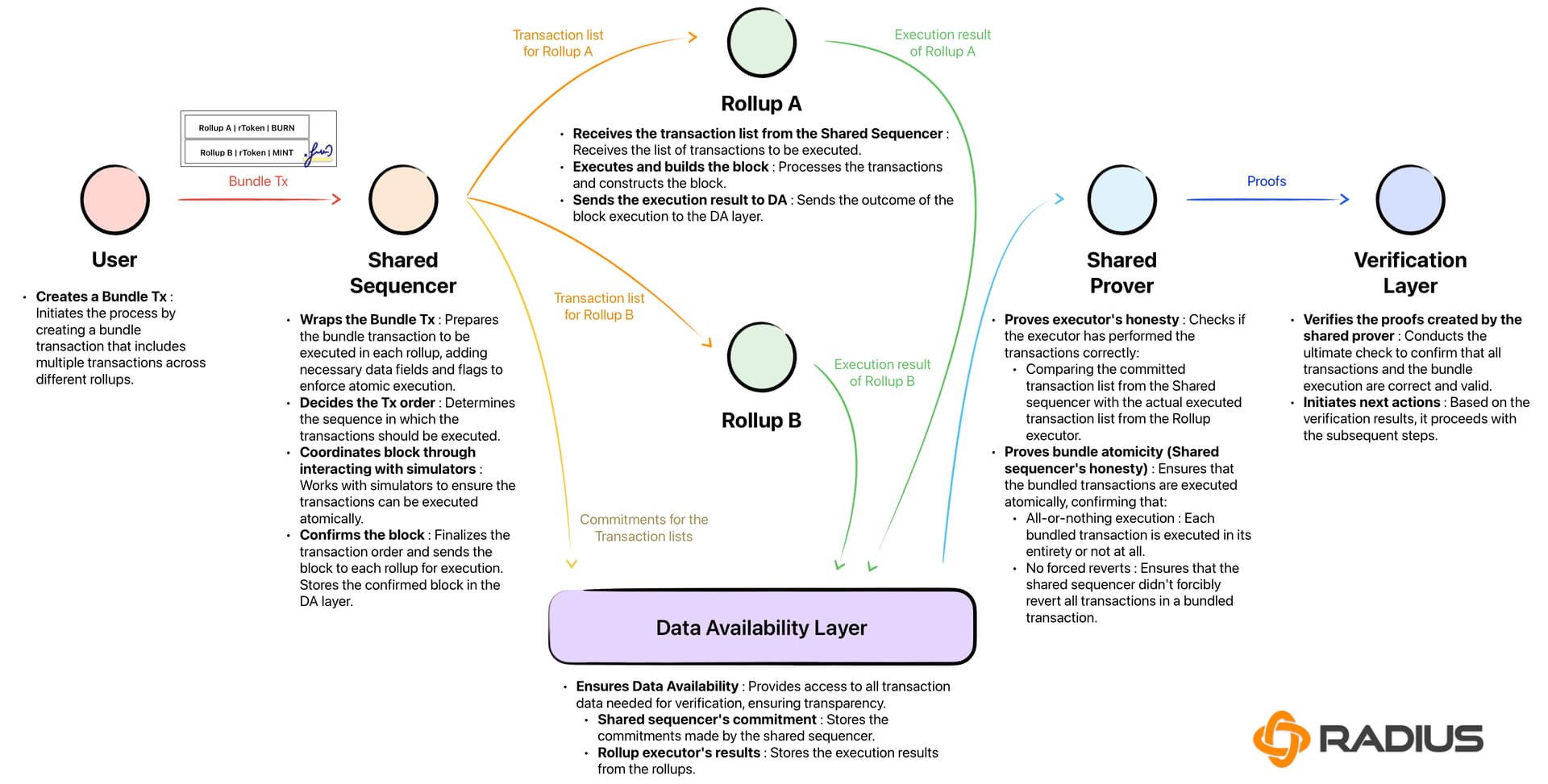
This approach doesn't replace the rollups; it merely coordinates their inputs. By decoupling ordering from execution, developers can build applications that feel like they are running on a single, high-performance blockchain, even when the underlying assets and logic are distributed across different Layer 2 networks.
How shared sequencers order transactions
A shared sequencer acts as a neutral traffic controller, receiving transactions from multiple rollups and ordering them into a single, unified stream. Instead of each Layer 2 network processing its own isolated queue, rollups outsource this ordering function to a decentralized network of nodes. This architecture allows transactions from different chains to be interleaved based on their arrival time, creating a single source of truth for execution order.
Users submit transactions to the shared sequencer just as they would to a standard rollup. However, the sequencer does not treat these as isolated events. It ingests transactions from various rollups simultaneously, placing them into a global pending pool. This pool serves as the holding area before any ordering logic is applied.
Once in the pending pool, the sequencer applies a strict chronological order. If a transaction from Rollup A arrives at the same millisecond as one from Rollup B, the sequencer assigns a definitive sequence number to each. This step is critical because it eliminates the ambiguity of cross-chain timing, ensuring that all nodes agree on which transaction happened first.
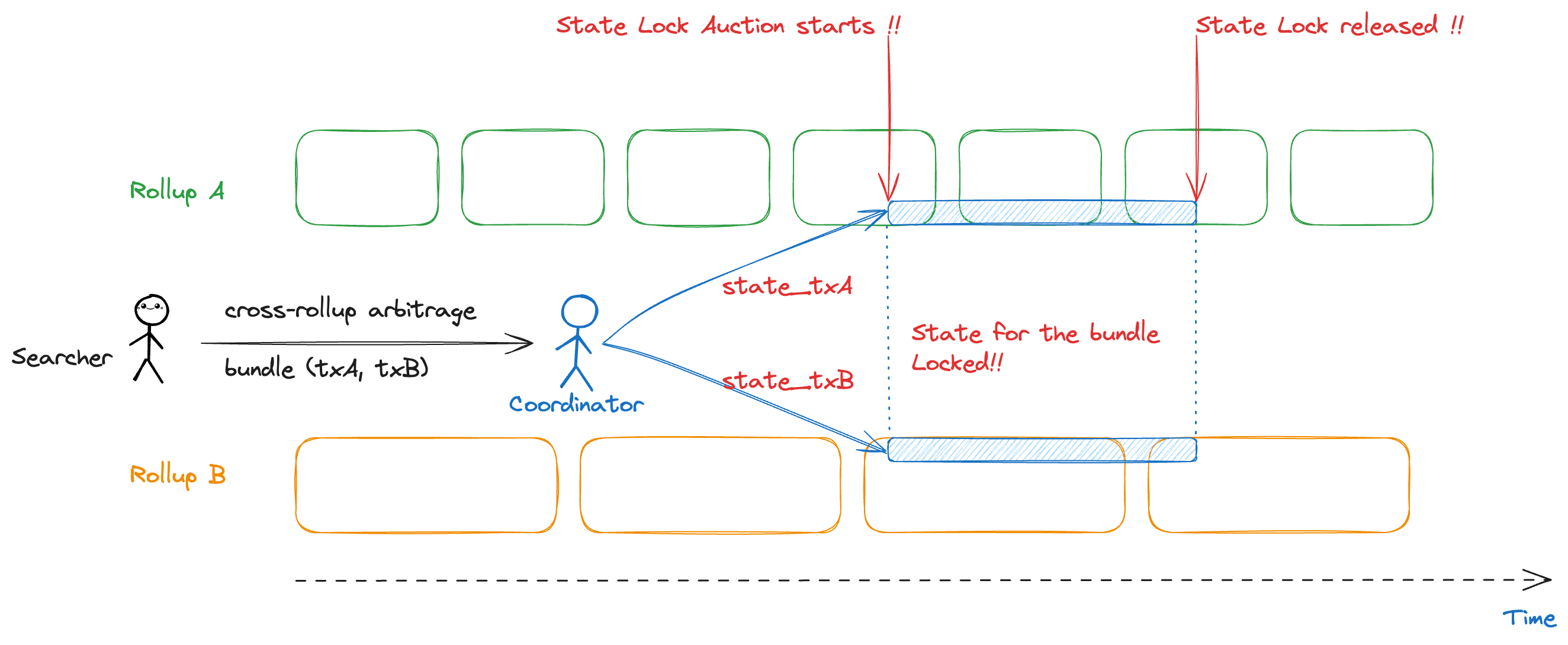
The sequencer bundles these ordered transactions into batches and posts them to the underlying Layer 1 settlement chain, such as Ethereum. By including data from multiple rollups in a single batch or in closely related batches, the sequencer enables atomic execution. This means that a swap on one rollup can be validated against a balance change on another rollup within the same block.
This mechanism transforms cross-rollup interactions from complex, multi-step bridging operations into simple, single-step transactions. The shared sequencer handles the heavy lifting of ordering and batching, allowing rollup developers to focus on their specific execution environments rather than building custom cross-chain messaging protocols.
By centralizing the ordering process, shared sequencers effectively create a unified execution layer across the L2 ecosystem. This approach not only improves user experience by enabling atomic swaps but also enhances capital efficiency by allowing assets to move seamlessly between rollups without leaving the L1 security umbrella.
Stop cross-rollup MEV extraction
Cross-rollup MEV arises from fragmentation. When transactions live in isolated silos, the ordering power is split across different sequencers. This fragmentation creates blind spots that arbitrageurs and bots exploit to extract value from users moving assets between chains.
Shared sequencing neutralizes these opportunities by providing a single, global view of transaction flow. Instead of guessing how an action on one rollup affects another, a shared sequencer orders all transactions simultaneously. This eliminates the arbitrage windows that exist when data is delayed or out of sync.
The table below compares the extraction risks in isolated environments versus shared sequencing models.
| Feature | Isolated Rollups | Shared Sequencing |
|---|---|---|
| Transaction Visibility | Fragmented per chain | Global, unified view |
| Arbitrage Windows | High (cross-chain latency) | Minimized (atomic ordering) |
| Front-Running Risk | High (local dominance) | Lower (global competition) |
| MEV Distribution | Centralized in silos | Distributed across network |
Cross-rollup MEV refers to opportunities for value extraction that arise when transactions across different rollups can be profitably sequenced or manipulated.— SwapSpace
By aligning the ordering layer, shared sequencing ensures that no single actor can profit from the delay or disconnect between chains. This creates a fairer environment where users are protected from predatory extraction tactics.
Based rollups and L1 sequencing
Shared sequencing delegates ordering to an external entity, but based rollups (also called L1-sequenced rollups) take a different path. In this model, the sequencer is not an independent party but is instead driven by the base Layer 1 itself. This approach, often discussed in the context of "based rollups" on Ethereum, aims to align the rollup's ordering directly with the security and finality of the main chain.
The primary difference lies in who holds the keys to the ordering. In traditional setups, a centralized or federated sequencer decides the transaction order, creating potential points of failure or censorship. In a based rollup, the sequencing rights are tied to the L1 block production. This means the rollup inherits the L1's decentralization and security properties more directly, reducing the reliance on a single trusted actor.
This architecture offers a compelling alternative for projects prioritizing censorship resistance and alignment with L1 security. While it introduces complexity in how transactions are batched and submitted, it promises a more robust ordering mechanism that is less susceptible to the pitfalls of centralized sequencing. The trade-off is often a more complex implementation, but the result is a system where the rollup's state is more tightly coupled with the underlying L1's consensus.
By anchoring sequencing to the L1, based rollups offer a spectrum of solutions that range from fully centralized to fully decentralized. This allows developers to choose an ordering mechanism that best fits their security and decentralization requirements, moving beyond the binary choice of centralized vs. decentralized sequencers.
Picking the Right Sequencer
Building cross-rollup applications requires more than just bridging assets; it demands a reliable ordering layer. A shared sequencer solves this by providing a single source of truth for transaction order across different rollups. This reduces the complexity of maintaining independent sequencer networks for each chain.
When evaluating protocols, prioritize those with active community validation. The Rome Protocol, for instance, has attracted investment specifically for its shared sequencer thesis, aiming to decentralize transaction ordering while enabling seamless cross-rollup communication. Look for tools that offer transparent, verifiable sequencing rather than relying on centralized operators.
Real-World Usage and Verification
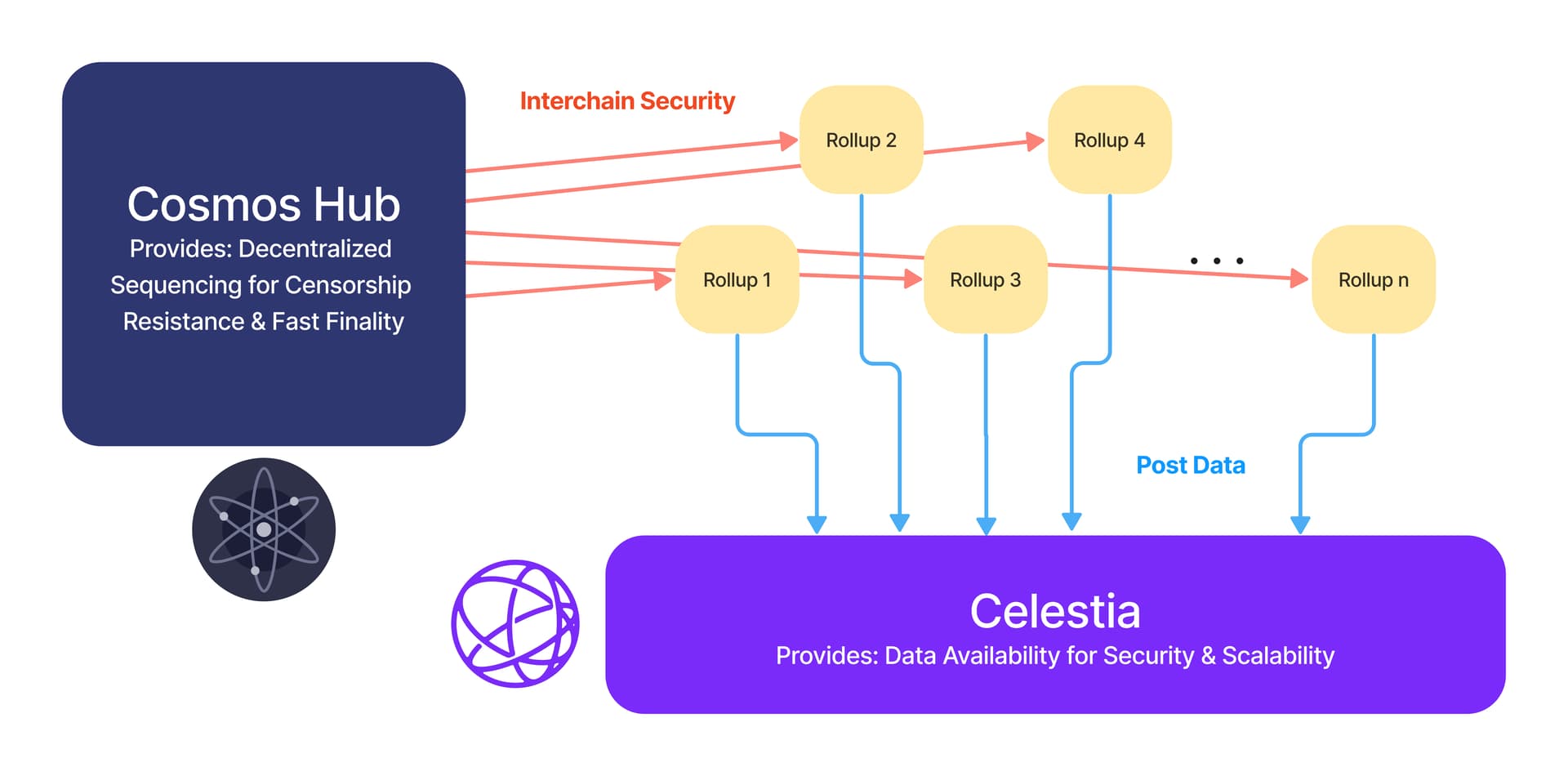
Don't just trust the whitepaper; check the deployment. Look for protocols that have integrated with established infrastructure like Interchain Security, which allows rollups to leverage shared security models. This approach lowers the overhead of launching a rollup with decentralized sequencing, as you don't need to gather a separate set of validators for every new chain.
Verify the tool's compatibility with your target rollups. A good interoperability protocol should support the specific finality guarantees of the chains you are building on. If a tool claims cross-rollup support but lacks documentation on how it handles sequencing conflicts or reorgs, treat it with caution.
Common questions about L2 sequencing
Users frequently ask how L2 rollups differ from sidechains. Rollups inherit security from Layer 1 by posting state commitments, whereas sidechains operate independently with their own consensus mechanisms.
The sequencer’s role is to order transactions and batch them before posting to the base layer. This arrangement ensures a predictable execution environment for users.
Cross-chain protocols like CCTP enable native token movement between chains. By burning tokens on the source chain and minting them on the destination, they provide a trust-minimized bridge for assets like USDC.
No comments yet. Be the first to share your thoughts!