What cross-rollup sequencing solves
Right now, liquidity in the Layer 2 ecosystem is fragmented. Each rollup operates in its own silo, meaning users must bridge assets between chains to trade or interact with different applications. This fragmentation creates friction, increases costs, and limits the efficiency of the broader network.
Cross-rollup sequencing addresses this by creating a shared execution layer. Instead of each rollup processing transactions in isolation, a shared sequencer orders transactions across multiple rollups simultaneously. This approach defragments the ecosystem, allowing for atomic transactions that can span different chains in a single step.
The result is a unified execution environment. Users can swap tokens on one rollup and transfer them to another without manual bridging or waiting for multiple confirmations. This seamless interaction is critical for building a cohesive multi-chain experience.
This shift from isolated processing to shared sequencing is foundational for the next generation of L2 infrastructure. It enables complex, multi-chain applications to run as smoothly as single-chain ones, removing the technical barriers that currently hinder mass adoption.
How shared sequencers work
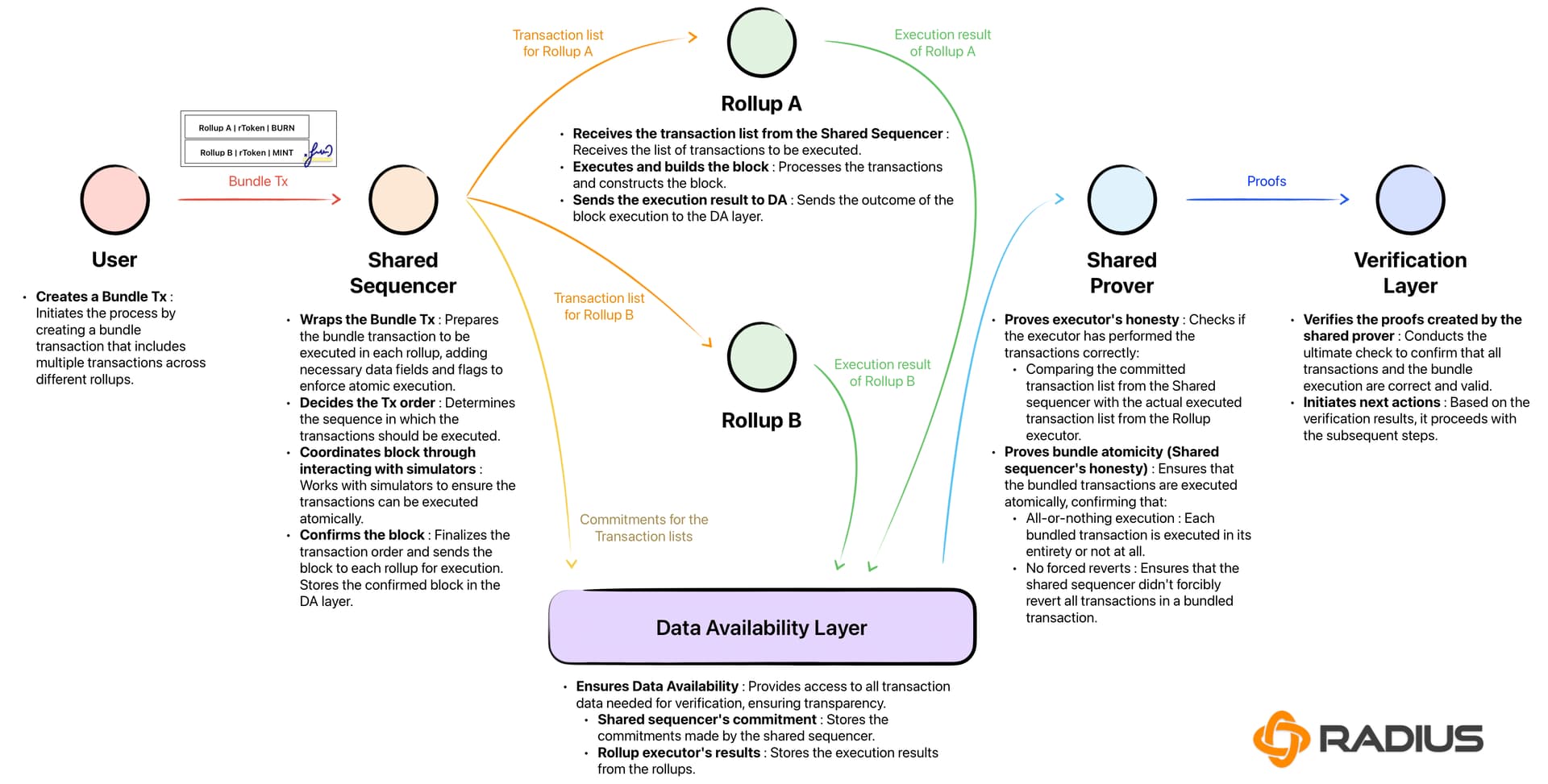
Cross-rollup sequencing changes how transactions reach Layer 1. Instead of each rollup submitting its own batch independently, a shared sequencer collects transactions from multiple rollups and orders them together. This creates a single, unified timeline of events across different networks.
The process begins when users submit transactions to their respective rollups. The rollup operators then forward these transactions to the shared sequencer. Unlike traditional sequencers that only order transactions within a single chain, this component aggregates inputs from diverse sources. It assigns a global sequence number to each transaction, ensuring that operations from different rollups can be compared and executed in a deterministic order.
Once ordered, the shared sequencer packages these transactions into a single batch. This batch is submitted to Layer 1 as one atomic unit. Because the transactions are ordered together, smart contracts on different rollups can reference each other's state changes within the same block. This enables synchronous atomic execution, where a swap on one rollup and a deposit on another can be confirmed simultaneously.
This architecture reduces latency and improves capital efficiency. Users no longer need to wait for separate finality periods for each rollup. Instead, cross-chain interactions happen in a single step, making the experience feel like a single unified chain rather than fragmented silos.
The MEV problem in shared sequencing
Cross-rollup MEV represents one of the most persistent vulnerabilities in shared sequencing environments. When a single sequencer handles transactions for multiple rollups, it gains a panoramic view of activity that isolated rollups simply do not possess. This visibility transforms what might be a minor inefficiency in a single chain into a sophisticated arbitrage opportunity across boundaries.
The core risk lies in how these cross-rollup bundles are processed. To the sequencer, a bundle of transactions spanning different rollups often appears as a single, atomic unit. This perception allows malicious actors to front-run or sandwich these bundles with ease. By inserting their own transactions at the precise moment before or after the cross-rollup activity, extractors can capture value that would otherwise remain within the intended trade or swap.
This is not a theoretical edge case. As noted in industry analyses, the ability to treat cross-rollup activity as a monolithic transaction simplifies the attacker's job significantly. They do not need to predict complex state changes across disparate chains; they only need to react to the bundle's arrival. The sequencer’s role as the gatekeeper means that if the sequencing logic does not explicitly protect against this, the MEV extraction is virtually guaranteed.
The problem remains largely unsolved because the incentives of the sequencer and the security needs of the users are often misaligned. Without robust cryptographic proofs or decentralized sequencing networks that obscure transaction order until inclusion, shared sequencers will continue to be the primary attack surface for cross-rollup value extraction.
Implementing atomic execution
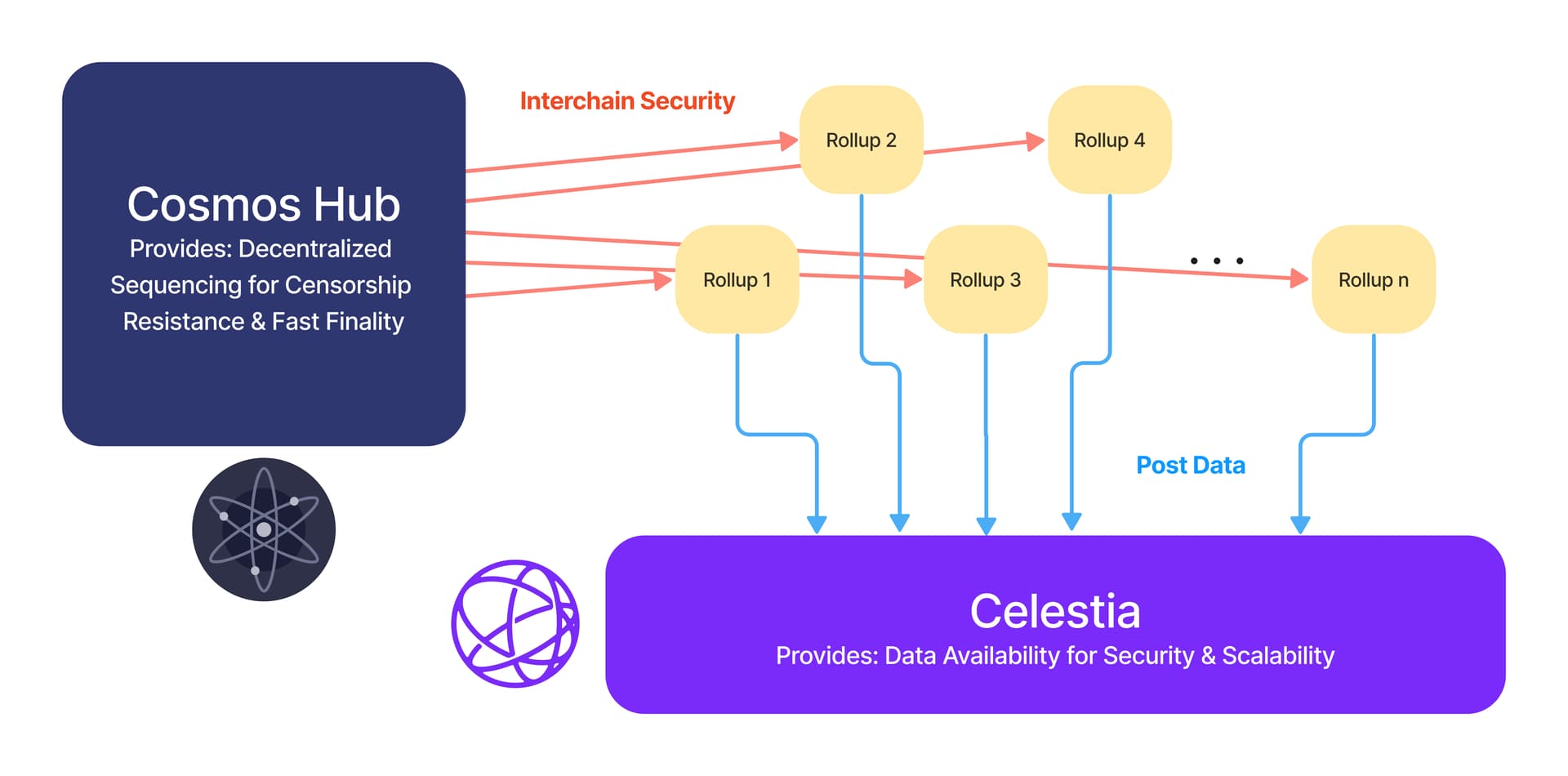
Cross-rollup sequencing requires a structural shift in how developers design transaction flows. Instead of treating each Layer 2 as an isolated silo, atomic execution treats the entire ecosystem as a single computational environment. This approach ensures that a multi-step operation either completes fully across all chains or fails entirely, preventing partial states that could lead to lost funds or inconsistent data.
Shared Validity Sequencing
The foundation of this architecture is Shared Validity Sequencing (SVS). As described in the CRATE framework, SVS uses a trigger-action paradigm. A smart contract on Rollup A acts as a trigger, invoking a method on Rollup B. The sequencer validates the state change on Rollup B based on the proof or signature from Rollup A before finalizing the block. This creates a deterministic link between the two events, ensuring that the action on the second rollup is only valid if the source transaction is confirmed.
Structuring Transactions for Atomicity
Developers must structure transactions to handle this inter-dependency. The primary transaction on the source rollup must emit a clear, verifiable event or proof. The secondary transaction on the target rollup must include a validity check that references this proof. If the check fails, the entire batch reverts. This requires careful gas estimation and error handling, as a failure on one end should not leave the other in a locked or inconsistent state.
Verification Checklist
Before deploying cross-rollup contracts, verify the following constraints:
- Proof Format: Ensure the source rollup’s proof is readable and verifiable by the target rollup’s contract.
- Sequencer Trust: Understand the trust model of the sequencer. Is it a single entity or a decentralized network?
- Revert Handling: Test edge cases where the target transaction fails to ensure the source state is not left in an ambiguous position.
- Gas Limits: Account for the additional gas required for cross-chain verification and state updates.
This structure minimizes risk and ensures that cross-rollup interactions remain robust and predictable.
Community views on decentralization
The push for cross-rollup sequencing has ignited a debate within the developer community about the trade-off between efficiency and centralization. While shared sequencers promise seamless composability across Layer 2s, many argue that concentrating sequencing power in a single entity introduces significant single points of failure.
"Shared sequencers represent one of the most significant infrastructure developments for Ethereum's L2 ecosystem in 2026... but at what cost to decentralization?"
This tension is evident in discussions on developer forums, where users weigh the benefits of reduced latency against the risks of centralized control. The concern is that if a shared sequencer goes offline or acts maliciously, it could disrupt multiple rollups simultaneously, undermining the resilience that decentralized networks aim to provide.
Current implementations often rely on trusted third parties, which contradicts the ethos of permissionless innovation. As cross-rollup atomic composability remains a planned feature rather than a live production reality, the community continues to scrutinize these architectural choices. The consensus suggests that while shared sequencing is technically promising, its deployment must prioritize decentralized governance to maintain trust.
No comments yet. Be the first to share your thoughts!