Fragmented orderings create cross-rollup MEV
You might notice transactions failing or landing at worse prices when interacting with protocols that span multiple networks. This isn't always a bug in the smart contract; it is often a symptom of fragmented liquidity. When transactions are processed in isolation, the natural order of operations breaks down, creating gaps that sophisticated actors can exploit.
Cross-rollup MEV is often described as "the unsolved problem of shared sequencing" because rollups typically order transactions independently. A normal sequencer already plays an outsized role in a rollup. It accepts transactions, decides their order, gives users fast confirmations, and later ensures the ordered data is posted somewhere the rollup can rely on. In many deployed systems, this sequencer is still a single operator or a tightly controlled service. When two rollups operate without a shared clock or ordering mechanism, a user's intent to swap on one chain can be front-run or sandwiched by an arbitrageur watching the other.
This fragmentation turns cross-rollup activity into a high-risk environment. Without a shared sequencing layer, value extraction opportunities arise when transactions across different rollups can be profitably sequenced or manipulated. The result is a user experience defined by uncertainty, where the "fair price" of an asset differs depending on which rollup you are watching at any given second.
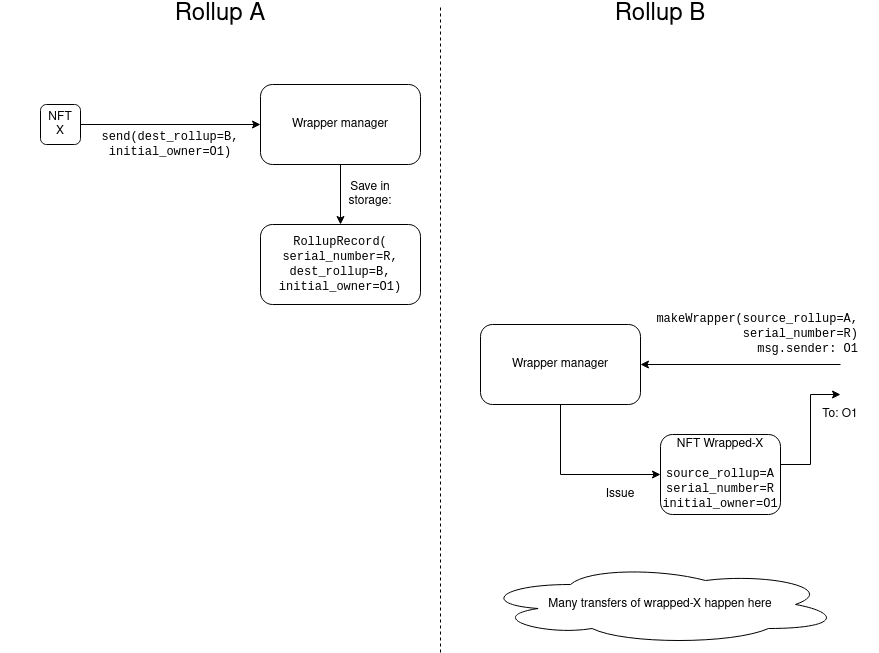
The goal of shared sequencing is to replace these isolated orderings with a unified view of transaction intent. By aligning the sequencers, protocols can restore the natural flow of liquidity, ensuring that a swap on one rollup reflects the true market price across all connected chains. Until this coordination is standard, users must assume that cross-chain interactions carry inherent ordering risks.
How shared sequencers replace single-operator ordering
You have likely encountered the symptoms: transactions stuck in pending states, unexpected MEV extraction, or failed cross-rollup swaps. These issues stem from the traditional model where each rollup relies on a single operator to order transactions. This centralization creates bottlenecks and fragility. Shared sequencers solve this by distributing the ordering task across a network rather than a single point of failure.
The distributed validator set
Instead of one entity controlling the order, shared sequencers use a distributed validator set. This network of nodes collaborates to sequence transactions for multiple rollups simultaneously. By removing the single-operator bottleneck, the system improves liveness and censorship resistance. Transactions are no longer held hostage by a single provider's uptime or policy.
Cross-rollup transaction pools
Shared sequencers maintain a unified transaction pool that accepts orders from different rollups. This allows for simultaneous processing of transactions across chains. For example, a swap on Rollup A and a deposit on Rollup B can be ordered together. This unified view enables atomic cross-rollup operations that were previously impossible or highly risky.
L1 data availability commitment
The sequenced data must eventually be anchored to Ethereum for security. Shared sequencers commit to posting this data on L1, ensuring that the ordered state remains available and verifiable. This commitment bridges the gap between the high-speed ordering layer and the secure settlement layer, providing the finality users expect.
-
Distributed validator set replacing single operators
-
Unified transaction pool for multiple rollups
-
L1 data availability commitment for finality
Users submit transactions to the shared sequencer network. The network accepts these orders from various rollups, placing them into a unified queue. This step removes the friction of choosing which rollup's sequencer to use directly.
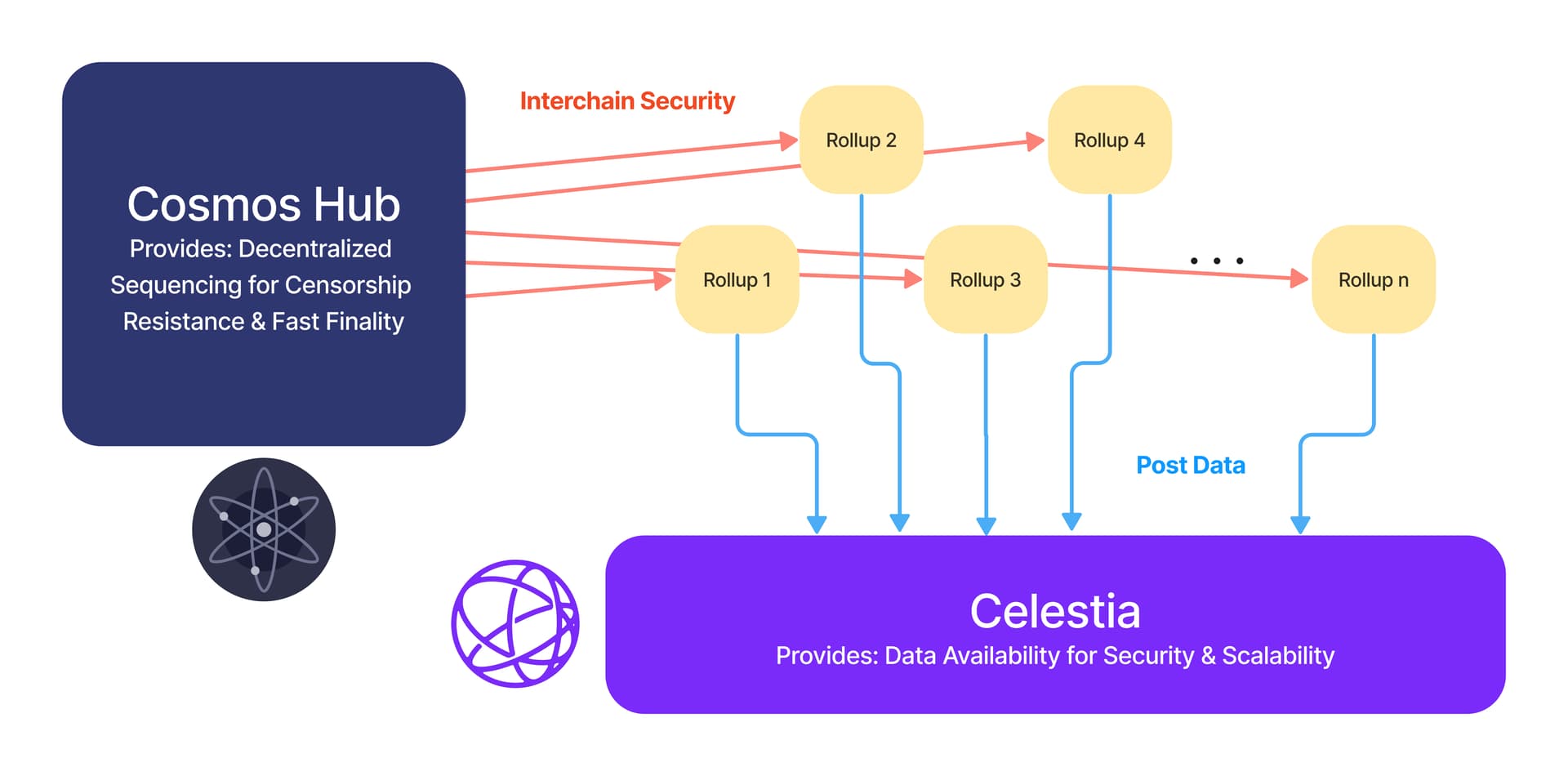
The distributed validator set collaborates to order the transactions. Nodes reach consensus on the sequence, ensuring fairness and preventing MEV extraction by a single actor. This ordering happens across rollups, enabling atomic cross-chain logic.
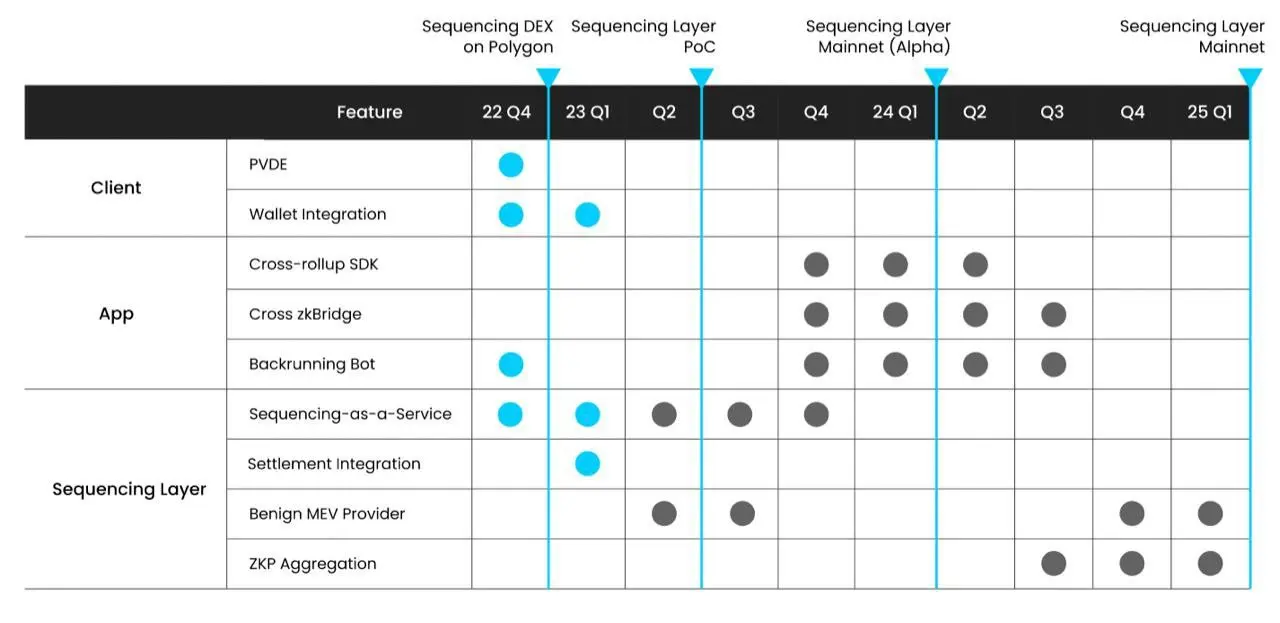
The sequenced data is committed to L1 data availability. This ensures that the ordered state is permanently recorded and verifiable. Rollups can then execute the ordered transactions, providing users with fast, secure confirmations.
This approach transforms cross-rollup interactions from fragile workarounds into native features. By decentralizing the ordering layer, the ecosystem becomes more resilient and composable. Users benefit from faster transactions and reduced risk of censorship or failure.
MEV extraction risks in 2026
When transactions across different rollups are not sequenced atomically, the resulting fragmentation creates immediate, tangible losses. Users frequently encounter stuck transactions or receive worse-than-expected execution prices because their cross-chain intent was split across isolated ordering queues. This is the primary symptom of non-atomic arbitrage: the inability to guarantee that a trade on Rollup A executes simultaneously with a corresponding liquidity event on Rollup B.
The core issue stems from how individual sequencers operate. As noted in recent research, sequencers consolidate transactions to achieve gas fee reductions, but they do so within their own isolated domains. Without a shared ordering layer, a sophisticated MEV bot can observe a pending transaction on one rollup and front-run or sandwich it on another, extracting value before the original user’s intent is fully realized. This is often described as "the unsolved problem of shared sequencing" because rollups typically order transactions independently, leaving cross-chain composability vulnerable to extraction.
To understand the scale of this risk, consider that a single cross-chain swap might involve three separate rollups. If each sequencer orders its block independently, the swap’s legs can be reordered, delayed, or dropped entirely. This leads to partial fills, failed transactions, and significant slippage. The solution lies in moving toward shared sequencer networks that handle transaction ordering for multiple chains simultaneously, replacing single-operator sequencers with distributed validator sets. This shift improves liveness and censorship resistance while enabling the atomic execution necessary to prevent MEV extraction.
Security and ordering guarantees
If your cross-rollup swaps are failing, your transactions are stuck, or you’re seeing unexpected slippage, the root cause is often a mismatch in ordering guarantees. When a user sends a transaction that interacts with two different rollups, the system must agree on the sequence of events. Without a shared agreement, the second leg of the transaction can execute out of order or not at all, leading to failed states or MEV extraction.
Local ordering guarantees only protect within a single rollup. If Rollup A and Rollup B each use their own independent sequencer, there is no inherent way to ensure that the output from Rollup A is processed before the input for Rollup B. This fragmentation creates a window where the state is inconsistent. As noted in EthResearch discussions on modeling security, relying solely on local guarantees leaves cross-rollup interoperability vulnerable to reordering attacks src-serp-4.
Global ordering via shared sequencers solves this by providing a single, unified view of transaction history across multiple chains. A shared sequencer acts as a centralized point of truth, batching transactions from different rollups into a single ordered stream. This ensures atomicity: either both sides of the cross-rollup action complete, or neither does. Without this global layer, cross-chain composability remains fragile and susceptible to the same risks as fragmented liquidity pools.
The shift toward decentralized shared sequencing aims to remove the single-operator bottleneck while maintaining this global order. By distributing the sequencing role across a validator set, these networks improve liveness and censorship resistance src-serp-5. For users, this means that the "stuck transaction" symptom becomes less common, as the underlying infrastructure can agree on state transitions without relying on a single trusted party.
Cross-rollup sequencing failures
When transactions drop or MEV strategies fail across rollups, the root cause is often a mismatch in how different chains interpret order. Users see stuck transactions or unexpected reverts, while developers face complex debugging sessions involving multiple L1 block confirmations. This section outlines the most common points of failure in shared sequencing environments.
If a transaction appears confirmed on one rollup but not another, check the sequencer's block production rate. Shared sequencers may delay finality if the underlying L1 gas prices spike, causing a backlog in the ordering pipeline.
1. L1 Finality Delays
Shared sequencers rely on Ethereum L1 for data availability and finality. If L1 block times increase or gas fees surge, the sequencer's ability to post ordered batches slows down. This creates a "finality gap" where users on one rollup see their state update while others wait for the L1 confirmation. Always monitor L1 gas trends when diagnosing cross-rollup latency.
2. Execution Path Divergence
Different rollups may use different VMs (EVM, ZK-EVM, etc.) or state roots. A transaction ordered correctly by the sequencer might fail during execution if the target rollup's state is inconsistent with the expected order. This often happens when cross-rollup calls depend on real-time state that hasn't been fully committed yet.
3. Censorship and Reordering
While shared sequencers aim for fairness, they can still be manipulated. If a sequencer operator is compromised or biased, they might reorder transactions to favor specific MEV bots. Users should verify transaction orderings against independent block explorers or use decentralized ordering protocols that publish their ordering logic openly.
Cross-rollup sequencing: common questions about sequencers
If your transactions are stuck, failing, or suffering from front-running, the issue usually lies with the sequencer. This component handles the critical job of ordering transactions before they settle on the base layer.
What role does a sequencer play in a rollup?
A sequencer accepts user transactions, decides their exact order, and provides fast confirmations. It then posts the ordered data to the base layer for final settlement. In many current systems, this is a single operator, which creates a centralization risk and a single point of failure for liveness and censorship resistance.
What is a shared sequencer?
A shared sequencer is a decentralized network that handles transaction ordering for multiple rollups simultaneously. Instead of each rollup running its own single-operator sequencer, a shared network distributes this role across a validator set. This approach improves censorship resistance and enables cross-rollup composability by ensuring a shared, consistent transaction order.
What is a sequencer in the context of rollups?
In the context of rollups, a sequencer is a specialized entity responsible for receiving, ordering, and executing user transactions to update the network state. Its primary goal is to ensure transaction processing is fast and efficient, significantly reducing the load and cost on base layers like Ethereum by batching data.
No comments yet. Be the first to share your thoughts!