Get cross-rollup sequencing right
Before configuring your infrastructure, verify that your setup supports the specific sequencing model you intend to use. Shared sequencing coordinates multiple rollups into a combined batch, which reduces fragmentation but introduces dependencies on the shared sequencer's availability. If your rollups operate on different consensus protocols, treat the bridge logic like a standard cross-chain connection: the security assumptions of the source and destination chains must align.
Verify sequencer capabilities
The sequencer orders transactions and batches them before submitting data to the Layer 1 settlement layer. Ensure your chosen sequencer can handle the specific transaction types your application requires. For optimistic rollups, the sequencer publishes state commitments without immediate validity proofs, relying instead on a challenge window. If your application needs instant finality, standard optimistic sequencing may introduce unacceptable latency for user-facing actions.
Align data availability assumptions
Cross-rollup bridging functions similarly to cross-chain bridging, except the chains may share the same consensus protocol. Check whether your sequencer also acts as a data availability committee or if it relies on independent storage. If the sequencer orders transactions but does not guarantee data retrieval, you risk losing access to historical state if the sequencer goes offline. Confirm that the data corresponding to posted hashes can be reliably retrieved from the availability layer.
Test cross-chain tracing
Effective cross-chain tracing requires more than just a bridge explorer. You need to verify that your monitoring tools can reconstruct multi-chain activity across the specific rollups involved. If your analytics stack cannot distinguish between a sequencer delay and a failed bridge transaction, you will struggle to debug user issues. Ensure your internal monitoring can track the full lifecycle of a transaction from the source rollup through the bridge to the destination rollup.
Work through the steps
Cross-rollup sequencing bundles transactions from multiple Layer 2 networks into a single batch, reducing gas costs and improving interoperability. Instead of processing each chain's activity in isolation, a shared sequencer orders these transactions together. This coordination creates a unified execution environment that simplifies bridging and lowers fees. Follow this sequence to implement an effective cross-rollup strategy.
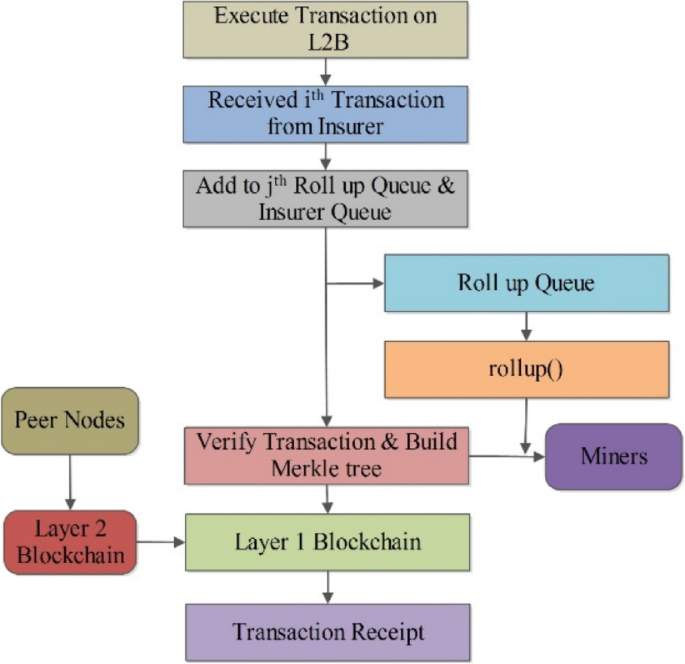
Start by selecting two rollups that support shared sequencing protocols. Most modern Optimistic and ZK rollups require specific bridging contracts to communicate. Verify that both chains are connected to the same sequencer network or data availability layer. This compatibility check prevents failed transactions and ensures that state commitments are valid across both endpoints.
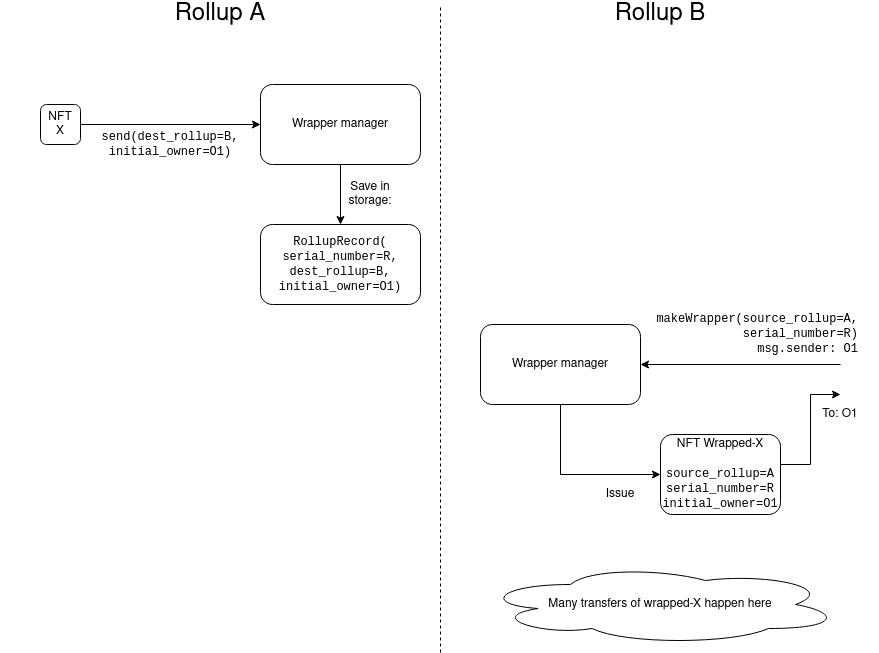
Set up the sequencer to accept transaction payloads from both rollup inputs. The sequencer acts as the arranger, ordering transactions from different chains into a single batch. Configure the node to prioritize latency-sensitive trades while maintaining fairness for all users. Ensure the data availability committee can retrieve the posted hashes to guarantee that no transaction data is lost during the sequencing process.
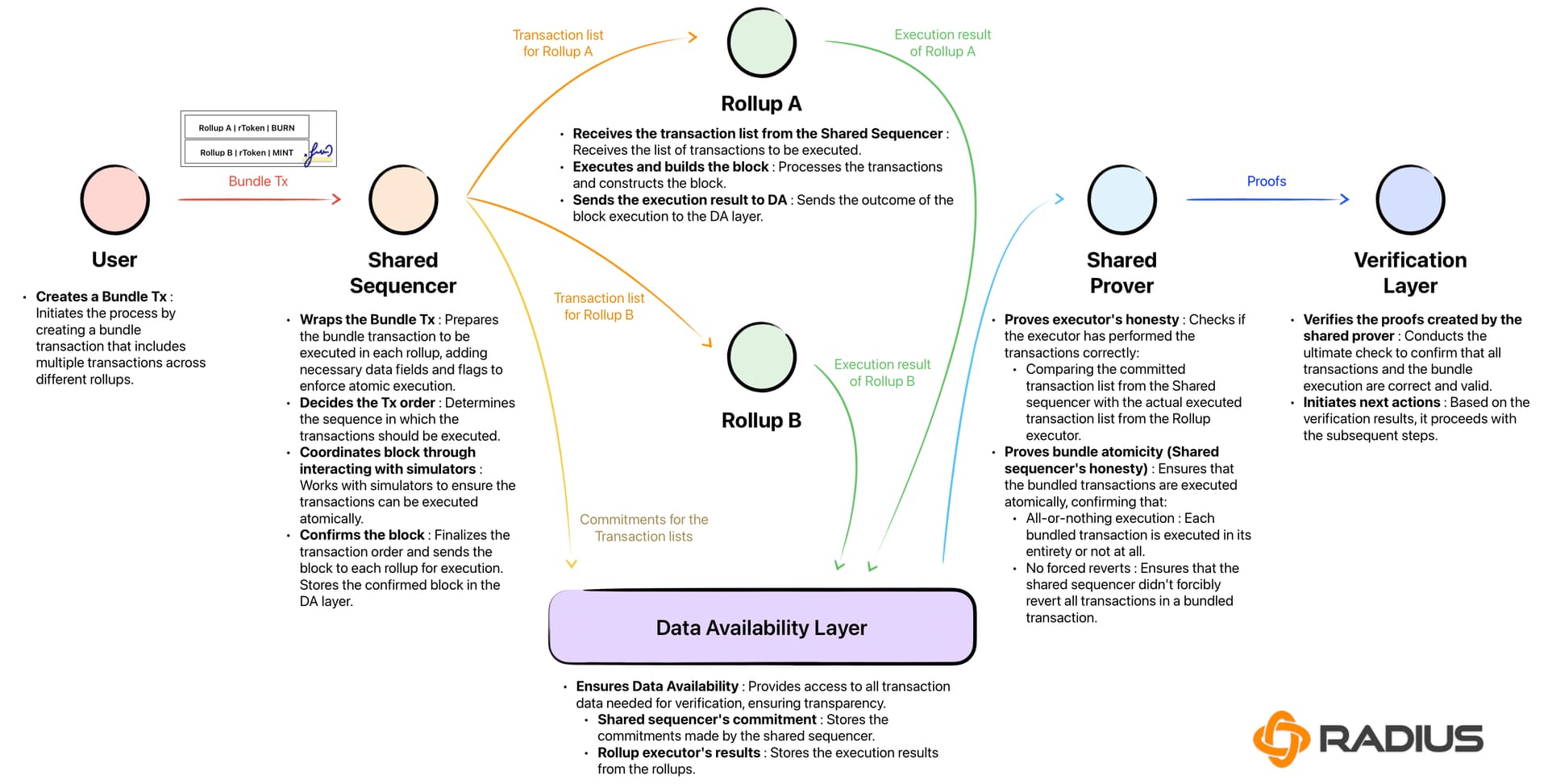
Before finalizing the batch, verify that state commitments from both rollups are synchronized. In Optimistic rollups, these commitments are pending for a challenge window, so allow sufficient time for fraud proofs if necessary. Use blockchain intelligence tools to trace the flow of assets between the chains. This validation step ensures that the sequencer only processes valid state transitions, preventing double-spending or invalid bridging errors.
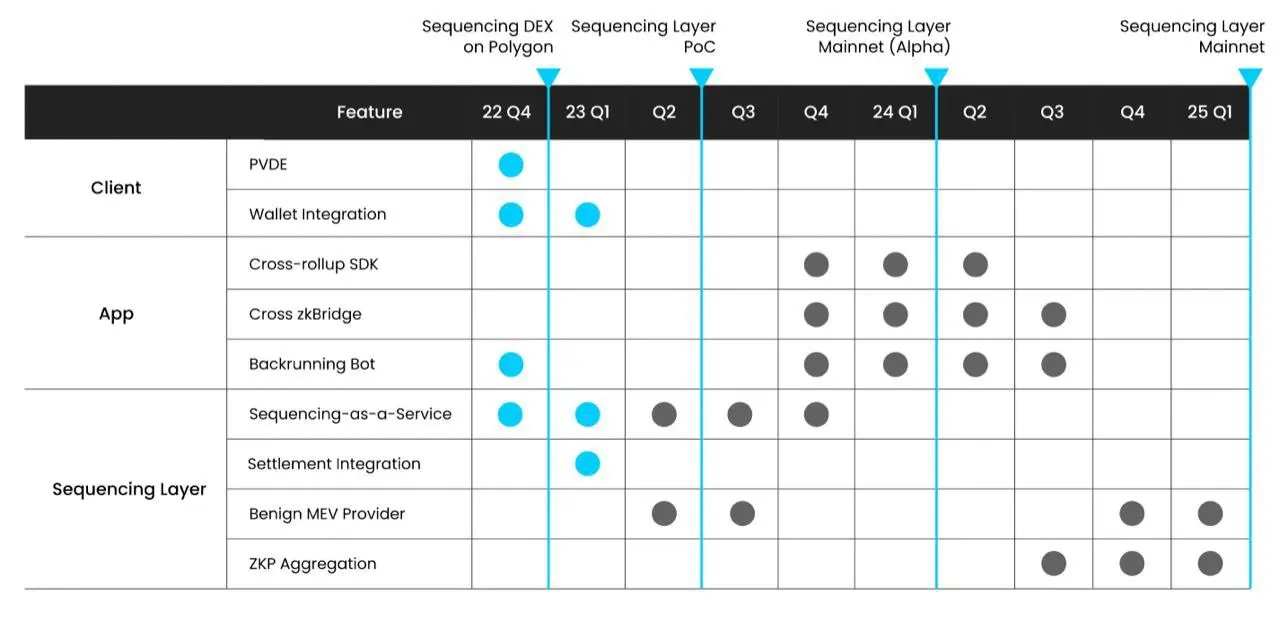
Submit the combined batch to the Layer 1 settlement layer. Monitor the transaction pool for any dropped or reorganized transactions. Compare the gas savings against traditional cross-chain bridging methods to confirm the efficiency gain. If the sequencer experiences congestion, adjust the batch size or switch to a different shared sequencing provider to maintain optimal performance.
-
Verify rollup compatibility with the sequencer
-
Configure sequencer node for dual-chain inputs
-
Validate state commitments across both chains
-
Monitor batch execution and gas savings
Fix Common Mistakes in Cross-Rollup Sequencing
Cross-rollup sequencing introduces complexity that can quickly inflate costs or break transactions if the underlying assumptions are misunderstood. The errors usually stem from treating different rollups as if they share a single, unified state, or from ignoring the specific data availability guarantees of the sequencer layer.
Assuming Shared State Equals Instant Finality
Many developers assume that because two rollups use the same sequencer infrastructure, their state updates are instantly synchronized. This is incorrect. Each rollup maintains its own state root, and finality depends on the underlying Layer 1 settlement cycle, not just the sequencer’s ordering.
If you bridge assets between two Optimism-derived chains, you must account for the challenge window and the time it takes for the sequencer to batch and post data to Ethereum. Treating this as a simple transfer leads to failed transactions when the receiving chain hasn’t yet processed the sequencer’s output. Always check the specific finality parameters of each rollup involved in the cross-rollup path.
Ignoring Sequencer Data Availability Dependencies
A sequencer orders transactions, but it does not always guarantee data availability on its own. If your cross-rollup bridge relies on a shared sequencer that fails to post data to L1, users may face long delays or loss of funds if the fallback data availability mechanism is insufficient.
Verify that the sequencer provider has a robust data availability committee or uses a dedicated DA layer like EigenDA or Celestia. Without this, a sequencer outage or censorship event can stall cross-rollup transactions indefinitely. Monitor the sequencer’s health and ensure your bridge contracts have fallback mechanisms to handle delayed data availability.
Overlooking Gas Price Volatility Across Chains
Cross-rollup transactions incur gas costs on both the source and destination rollups. Developers often estimate gas based on a single chain’s metrics, leading to underfunded transactions or failed executions on the destination side.
Use real-time gas price oracles for both chains involved in the bridge. Implement dynamic fee adjustment in your smart contracts to account for spikes in network congestion. This ensures that transactions remain economically viable even during high-traffic periods, preventing user friction and failed transfers.
Cross-rollup sequencing: what to check next
Sequencers determine transaction order, and shared sequencing coordinates multiple rollups simultaneously. This reduces gas costs and improves interoperability by replacing isolated ordering domains. The following questions address common concerns about how these systems function and how to verify their security.
No comments yet. Be the first to share your thoughts!