Why rollups need shared sequencing
Isolated rollups operate like private toll roads, each with its own lane and traffic rules. A transaction starting on Arbitrum cannot natively speak to one on Optimism because their sequencers order events in separate, uncoordinated timelines. This fragmentation forces developers to rely on complex, slow, and often insecure bridge mechanisms to move value between chains.
Shared sequencing solves this by providing a common ordering layer. Instead of each rollup maintaining its own independent sequencer, multiple rollups outsource transaction ordering to a shared network. This network provides a global, linear timeline for all transactions, allowing different rollups to read each other’s state in real-time. The result is true cross-rollup interoperability with significantly reduced latency.
The architecture shifts complexity away from individual rollup operators. As noted by Espresso Systems, a shared sequencer orders transactions across multiple rollups simultaneously, allowing each rollup to focus on execution and data availability rather than consensus ordering. This reduces the security overhead and operational burden for each individual chain.
By treating transaction ordering as a shared utility, the ecosystem moves closer to a unified Layer 2 experience. Users can swap assets or execute logic across rollups without waiting for slow bridge confirmations, effectively merging fragmented liquidity into a single, cohesive environment.
How shared sequencers order transactions
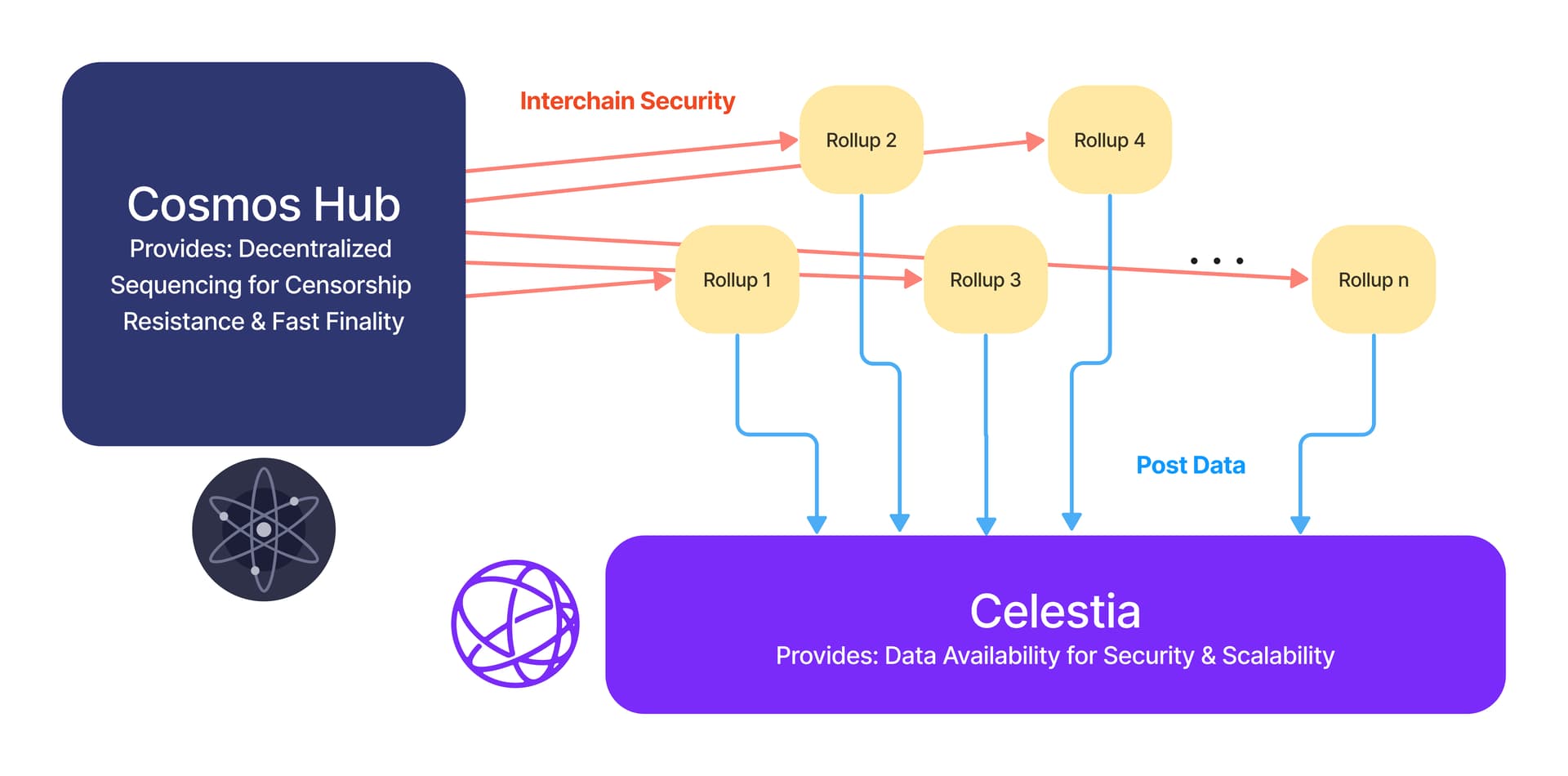
Shared sequencing layers act as a common ordering layer for multiple rollups, allowing them to submit transactions to a single point of truth. Instead of each rollup maintaining its own isolated ordering, a shared sequencer aggregates transactions from different chains, applies a global order, and passes the batch to a data availability layer. This architecture enables synchronous execution, meaning rollups can process cross-chain state updates in the same block without waiting for separate finality periods.
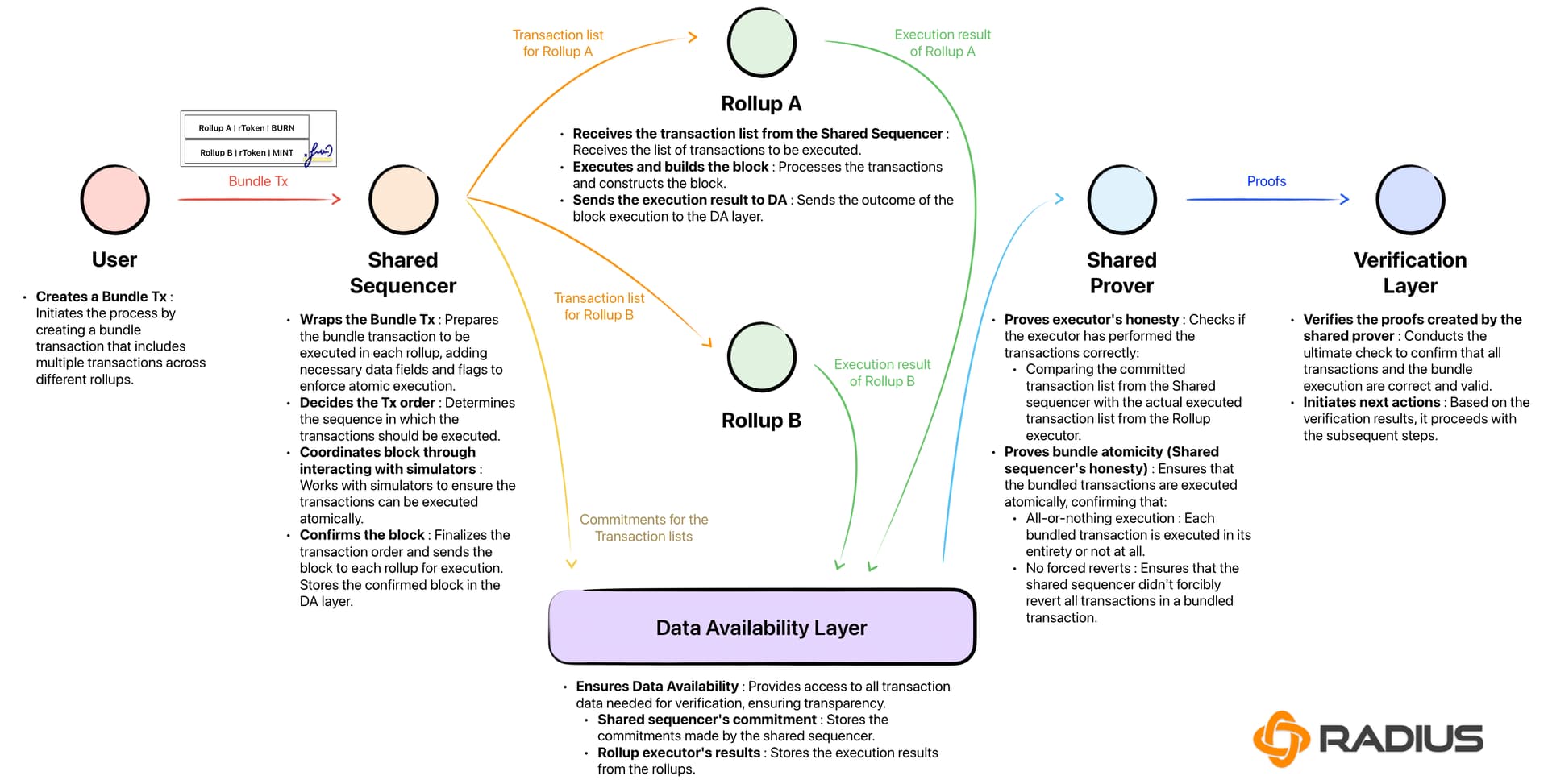
The process begins with rollups submitting their transaction batches to the shared sequencer network. The sequencer collects these batches, sorts them by timestamp or priority, and produces a single ordered stream. This stream is then published to a data availability layer, such as Celestia or Ethereum, where it becomes permanently recorded. Once the data is available, the individual rollups can execute the transactions in the agreed-upon order, ensuring that all parties see the same state transition.
Each rollup package sends its transaction data to the shared sequencer. The sequencer accepts these inputs without enforcing the internal rules of any single rollup, acting as a neutral aggregator.
The sequencer sorts all incoming batches into a single linear sequence. This global order resolves conflicts between rollups, ensuring that if two chains try to update the same state, one is processed before the other.
The ordered batch is posted to a data availability layer. This step ensures that the transaction data is publicly accessible and verifiable, preventing the sequencer from censoring or altering the order after publication.
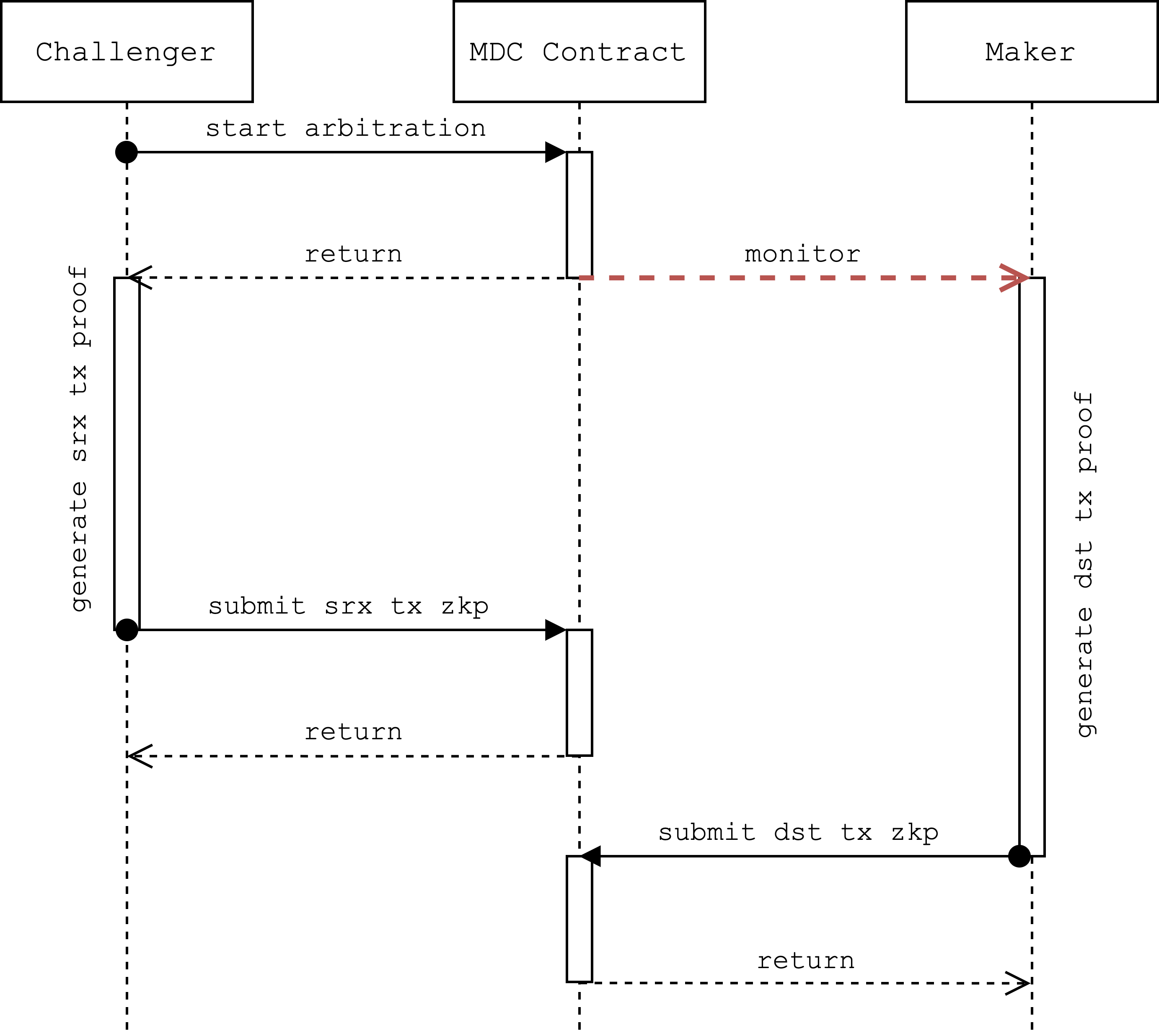
Each rollup reads the global order from the data availability layer and executes the transactions relevant to its state. Because the order is fixed and available, all rollups reach a consistent state simultaneously, enabling atomic cross-rollup swaps.
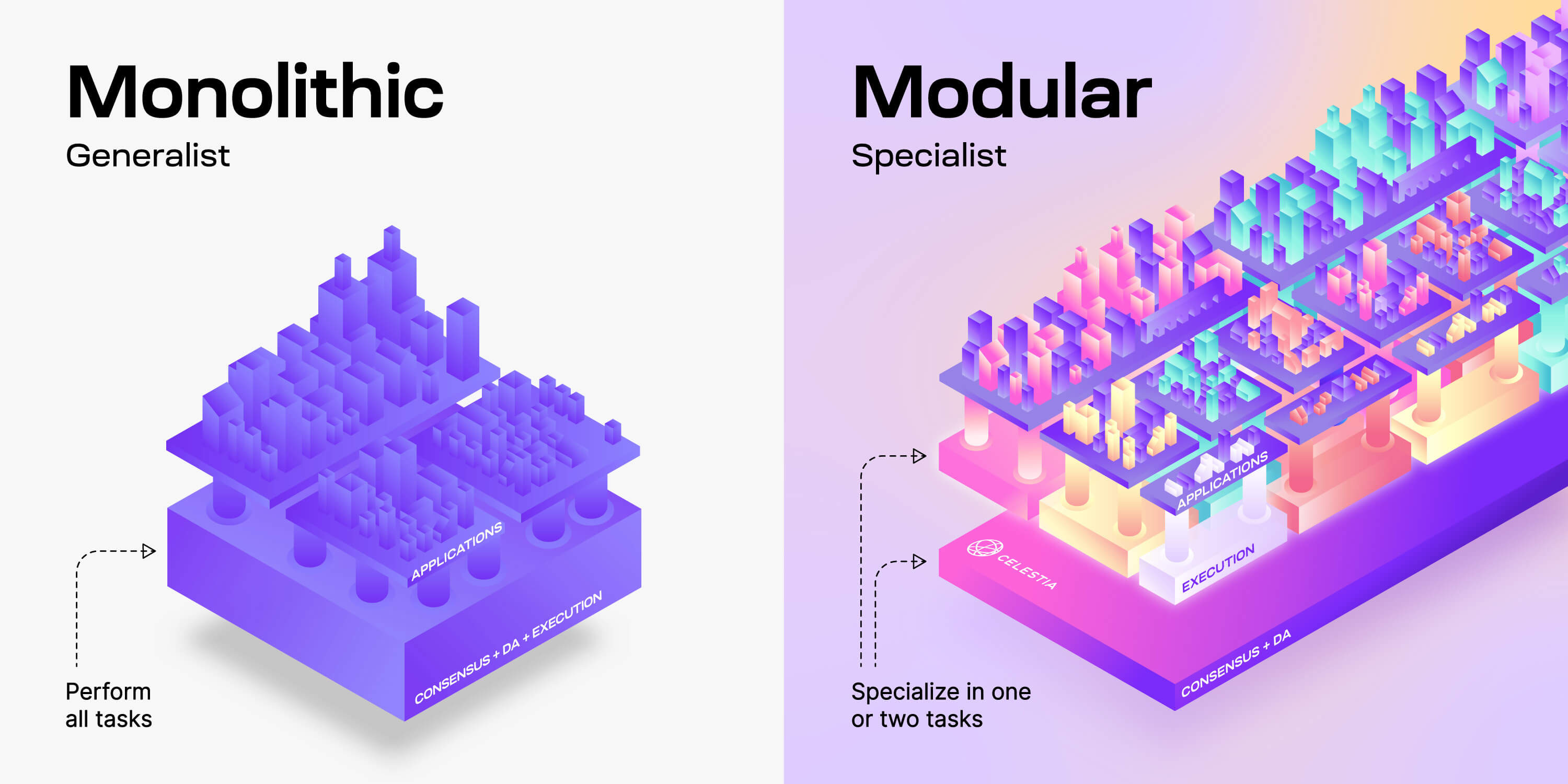
The primary benefit of this approach is reduced latency and improved composability. Without a shared sequencer, cross-rollup interactions often require multiple bridges and separate confirmation periods, introducing significant delays. With synchronous execution, a user can swap assets between two rollups in a single transaction, as both chains process the update in the same block. This mirrors the experience of interacting with a single monolithic chain, but with the security and scalability benefits of a modular architecture.
Implementing this system requires careful coordination between rollup developers and sequencer operators. The sequencer must be robust enough to handle high throughput without becoming a bottleneck, and the data availability layer must provide sufficient security guarantees. As the ecosystem matures, we are seeing more projects adopt shared sequencing as a standard for cross-rollup communication, moving toward a more integrated and efficient Layer 2 landscape.
Managing cross-rollup MEV risks
Shared sequencing solves the latency problems of cross-rollup communication, but it introduces a new vulnerability: cross-rollup MEV. When a single sequencer processes transactions from multiple rollups in a single batch, it gains visibility into the order of operations across different chains. This centralization of ordering creates opportunities for value extraction that were previously isolated to individual rollup boundaries.
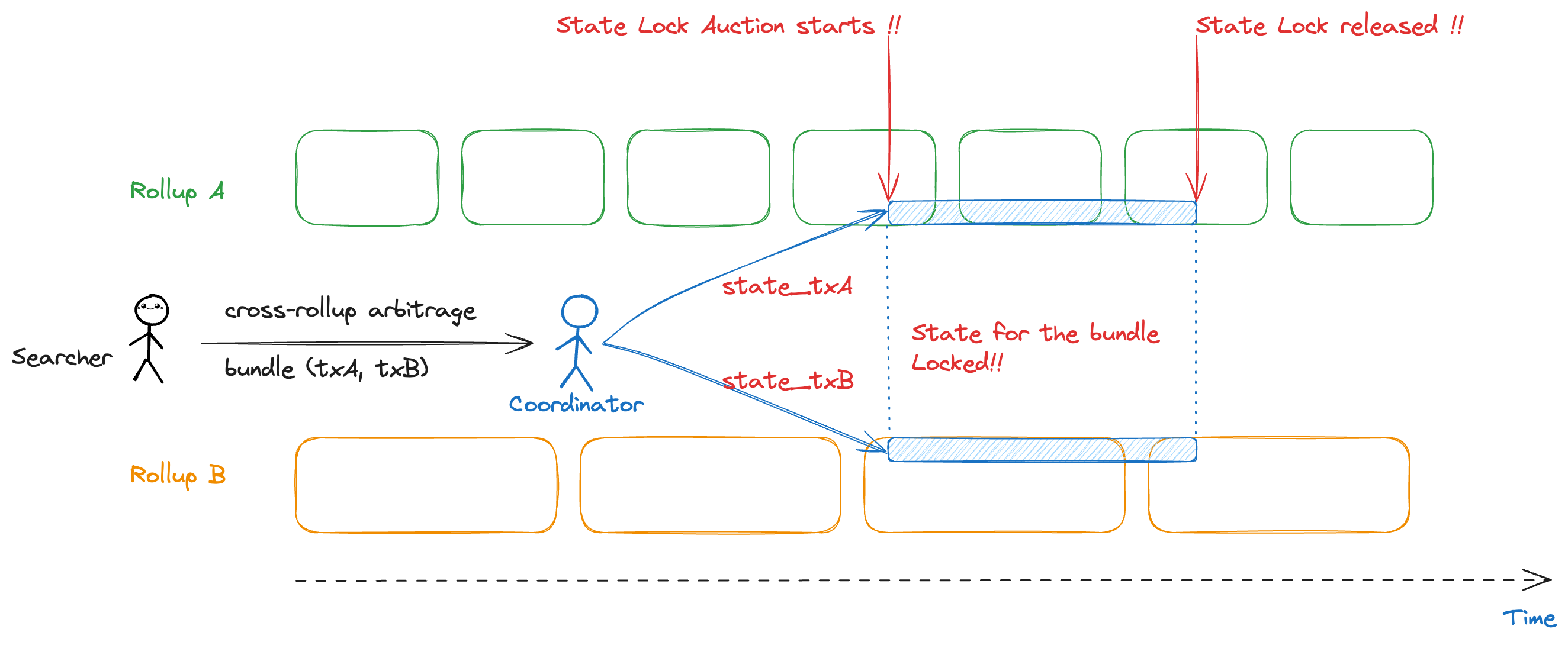
Cross-rollup MEV occurs when an actor, often the sequencer itself or a sophisticated searcher, manipulates the order of transactions spanning two or more rollups to profit from price discrepancies or arbitrage opportunities. For example, a swap on Rollup A might affect the price of an asset on Rollup B. A malicious actor could front-run the transaction on Rollup B, knowing the impact it will have, and then back-run it after the settlement is finalized. This extracts value from users who are simply trying to use decentralized applications across chains.
"Cross-rollup MEV refers to opportunities for value extraction that arise when transactions across different rollups can be profitably sequenced or manipulated, turning shared infrastructure into a potential attack vector." — Swapspace Co
Mitigating this risk requires protocol-level design changes rather than simple cryptographic fixes. Some protocols are exploring randomized ordering within batches to reduce the predictability of transaction placement. Others are implementing fee-sharing mechanisms where sequencers share a portion of MEV profits with the rollup operators or users, aligning incentives. However, these solutions are still in early stages, and the problem remains largely unsolved in the current shared sequencing landscape.
The tension between efficiency and fairness is central to this discussion. While shared sequencing offers significant improvements in speed and cost, it concentrates power in the hands of the sequencer. As the modular blockchain ecosystem matures, we will likely see more sophisticated anti-MEV mechanisms integrated into the sequencing layer, but for now, users must remain aware of the risks associated with cross-rollup interactions.
Choosing a sequencing service provider
Selecting a sequencing provider is a trade-off between operational overhead and security guarantees. Rollup operators generally choose between running their own sequencers, joining a shared network, or purchasing sequencing as a service. The right choice depends on whether you prioritize decentralization, speed, or simplicity.
Centralized or Single-Node Sequencing
This model involves running a single sequencer node, often managed by the rollup operator or a trusted team. It offers the lowest latency and simplest setup but introduces a single point of failure. If the operator goes offline, the rollup stalls. This approach is common for early-stage testnets or private rollups where trust is already established.
Shared Sequencer Networks
Shared sequencers, such as those offered by Cube or Espresso, allow multiple rollups to use the same transaction ordering layer. This reduces costs and improves throughput by batching transactions across chains. However, it requires integrating with a third-party protocol. Operators must trust that the shared network will not censor transactions or delay ordering unfairly.
Decentralized Sequencing as a Service
For operators seeking maximum security, decentralized sequencing distributes ordering duties across a set of independent nodes. This eliminates the single point of failure but introduces significant overhead. As noted in community discussions on Celestia’s forums, launching a rollup with decentralized sequencing often requires gathering a set of sequencers and issuing a new token, which is high overhead. This model is best suited for production rollups where censorship resistance is non-negotiable.
Community Perspectives on Sequencing
The Ethereum community frequently debates the trade-offs between these models. Many operators find that shared sequencers offer the best balance for most use cases, while others insist on decentralized options for high-value applications.
| Model | Latency | Security | Operational Overhead |
|---|---|---|---|
| Centralized | Low | Low | Low |
| Shared Sequencer | Medium | Medium | Medium |
| Decentralized | High | High | High |
Steps to implement cross-rollup sync
Integrating shared sequencing requires moving from isolated transaction ordering to a coordinated network. This workflow outlines how to connect your rollup infrastructure to a shared sequencer, ensuring atomic execution across multiple chains.
Replace your local sequencer with a client that supports shared sequencing protocols. This involves configuring your node to submit transactions to a decentralized network of nodes rather than a single validator. The network handles the initial ordering, reducing your infrastructure overhead.
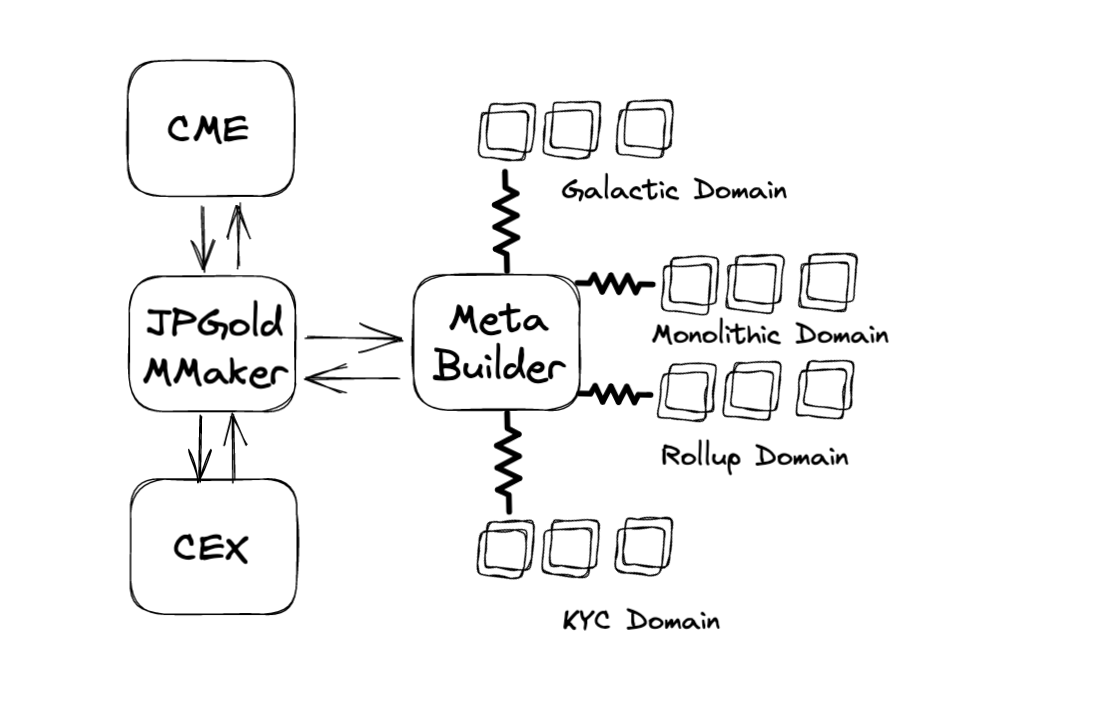
Define the execution parameters for your rollup. You must set up the shared sequencer to batch transactions from different rollups into atomic windows. This ensures that cross-rollup operations either succeed or fail together, maintaining consistency without requiring separate finality checks for each chain.
Shared sequencing introduces network latency. Implement real-time monitoring to track the time between transaction submission and order inclusion. If latency exceeds your threshold, configure your rollup to fallback to a local sequencer temporarily, ensuring user experience remains stable during network congestion.
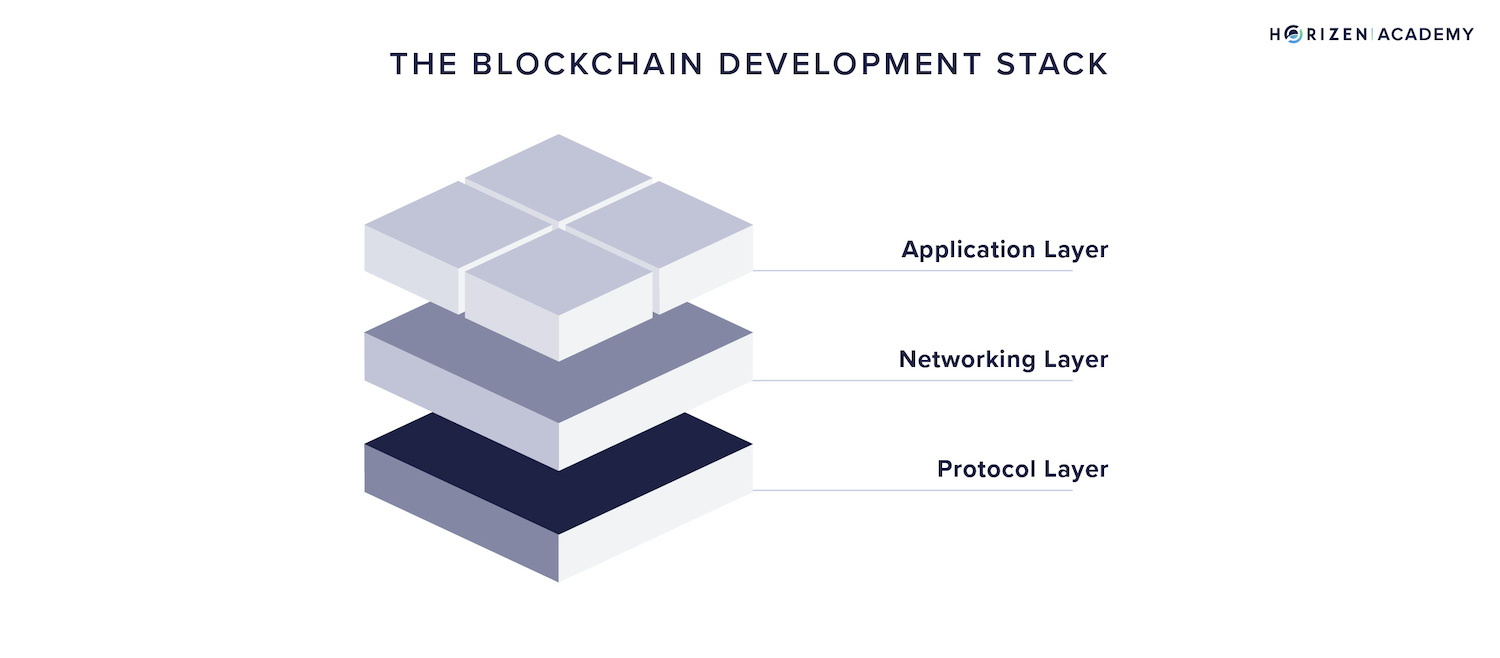
Test your integration with multi-chain transactions. Send a transaction that triggers state changes on two different rollups simultaneously. Verify that the shared sequencer orders them correctly and that both rollups process the resulting state updates without divergence or reorgs.
Common questions about sequencers
Understanding how modular blockchains handle sequencing requires distinguishing between the underlying infrastructure and the transaction ordering layer. Below are answers to the most frequent questions regarding rollups, sidechains, and the role of the sequencer.
No comments yet. Be the first to share your thoughts!